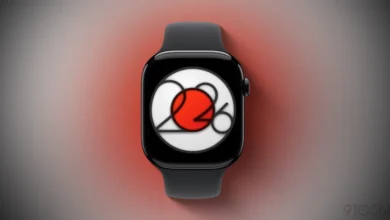
Apple Watch Series 12 Launches with a Subtle Design Twist: Larger Bezels and Increased Case Width

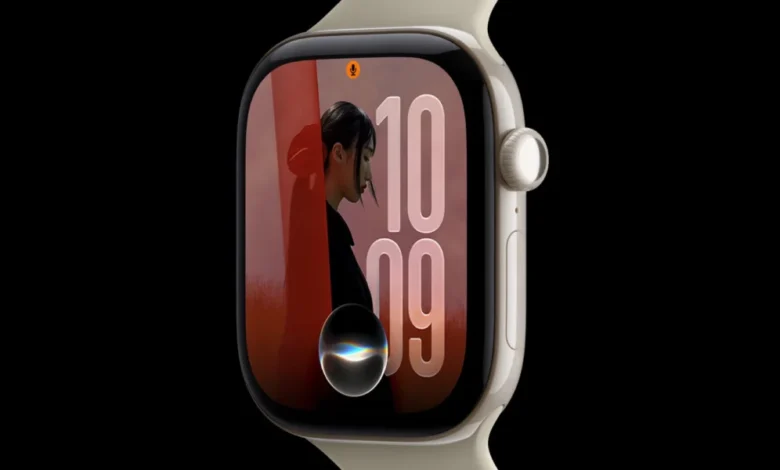
As consumers prepare for the official Friday release of the Apple Watch Series 12, early hardware comparisons have revealed a design shift that bucks a long-standing corporate trend. While Apple has spent well over a decade systematically shrinking display borders across its entire product ecosystem—from the iPhone and iPad to Mac computers and previous wearable generations—the latest iteration of the smartwatch actually features slightly thicker bezels than its immediate predecessors. This quiet architectural adjustment, omitted from Apple’s primary promotional presentations, highlights the engineering compromises often required to pack advanced internal health-monitoring systems and higher-performance processing chips into a compact wrist-worn chassis.
A Departure From the Bezel-Reduction Era
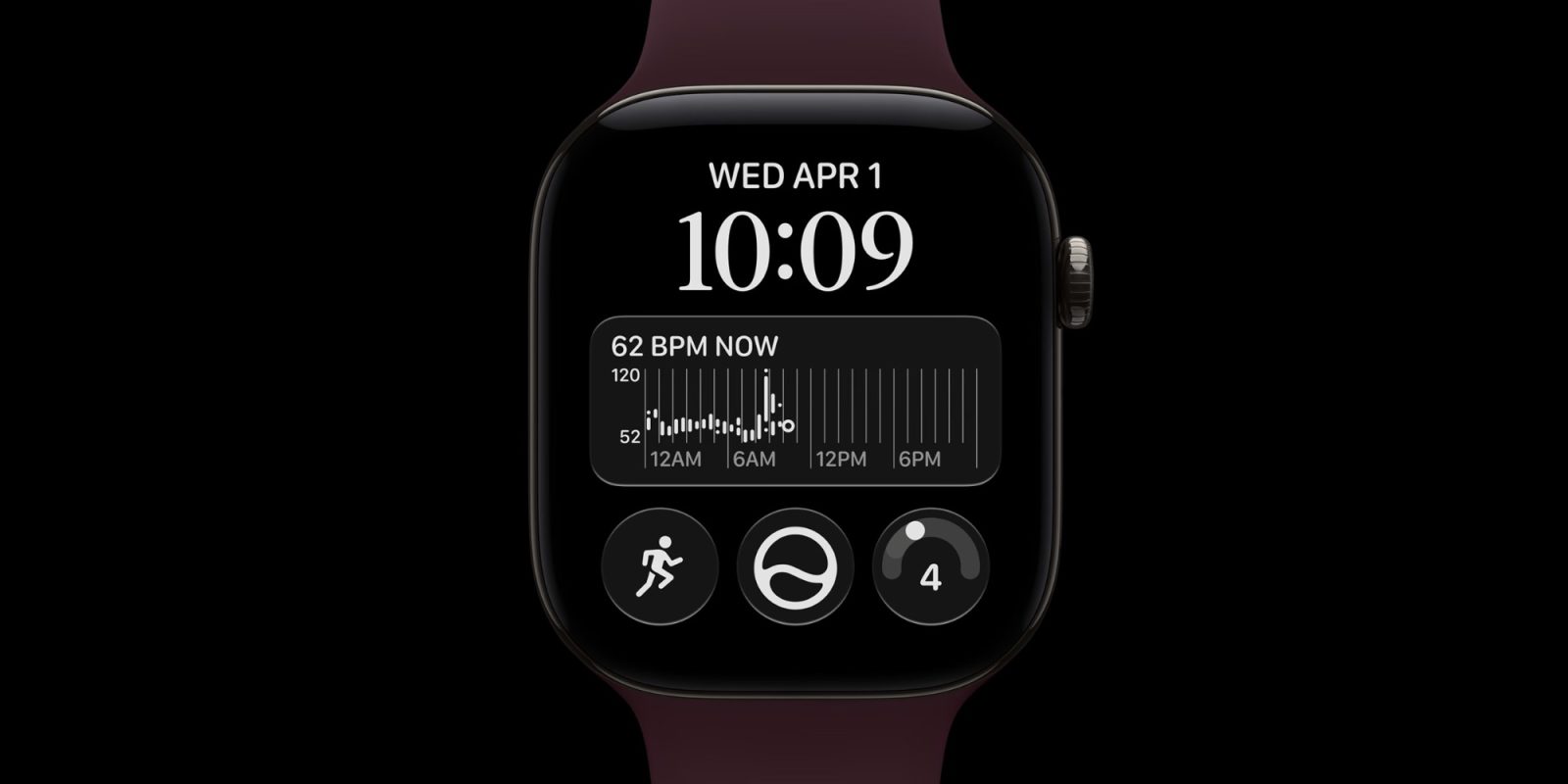
For years, the evolution of consumer electronics has been defined by the pursuit of edge-to-edge displays. Apple, in particular, has made the minimization of dead space a cornerstone of its industrial design philosophy. When the Apple Watch Series 10 introduced a substantially thinner profile and larger screen real estate, it cemented consumer expectations that future iterations would continue this path toward boundary-less glass.
However, official product specifications provided on Apple’s comparison portal tell a different story for the Series 12. A side-by-side dimensional analysis reveals a deliberate change in the watch’s footprint:
- For the smaller tier, the Series 12 measures 42mm by 37mm, compared to 42mm by 36mm for both the Series 11 and Series 10.
- For the larger tier, the Series 12 measures 46mm by 40mm, compared to 46mm by 39mm for the Series 11 and Series 10.
While the overall height of the watch cases has remained static, the width has expanded by one millimeter across both size options. Crucially, official specifications confirm that the display dimensions themselves have not grown. This means that the extra millimeter of casing width is absorbed entirely by the outer border, resulting in more prominent, noticeable bezels surrounding the screen.
Engineering Drivers Behind the Dimensional Shift
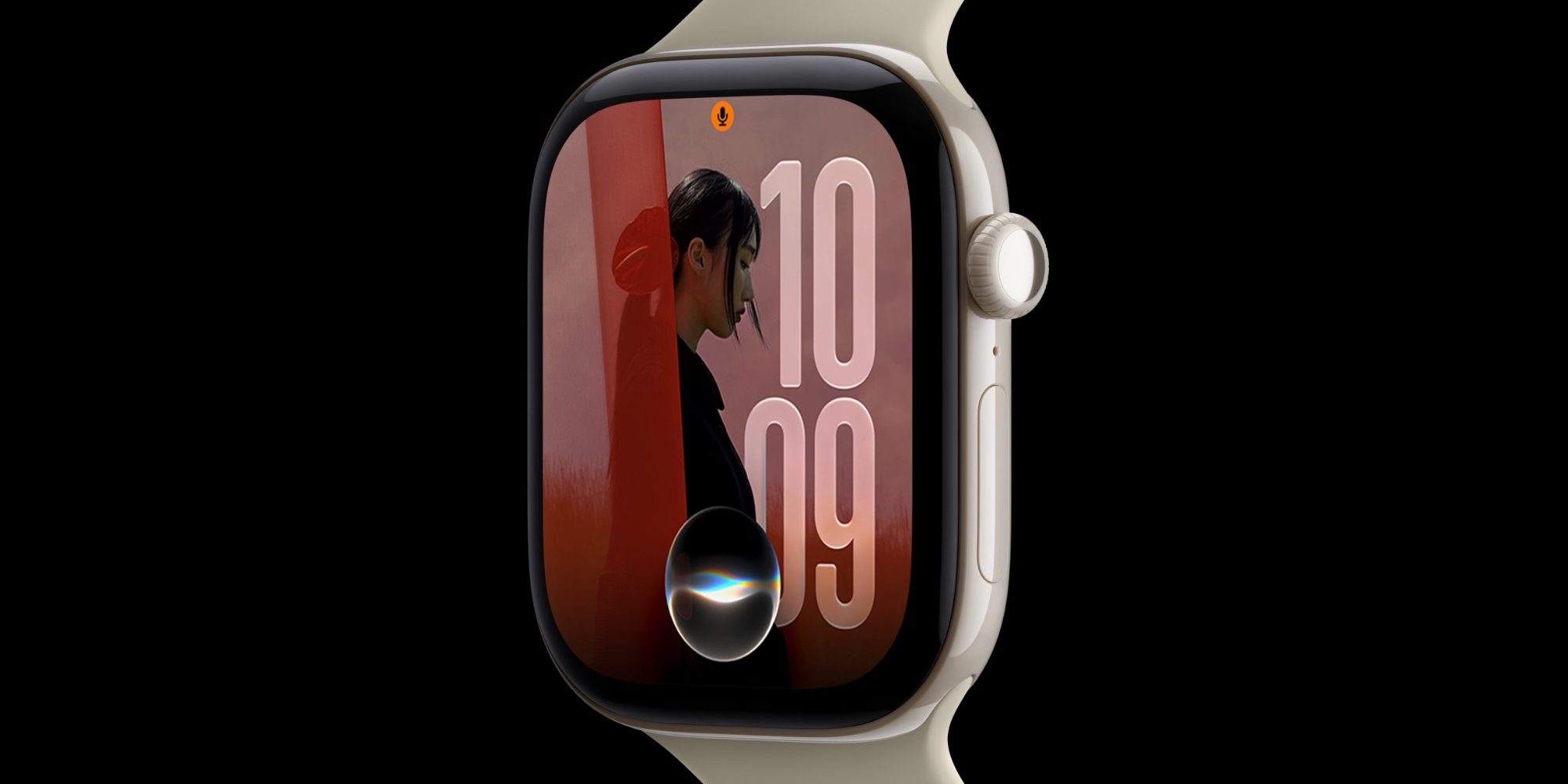
Hardware analysts and industry observers point to significant internal hardware upgrades as the primary driver behind this dimensional modification. The Apple Watch Series 12 introduces a completely revamped Health Sensing System alongside the new S11 processing chip, which facilitates faster machine learning tasks and deeper integration with on-device artificial intelligence features.
Incorporating complex biometric sensors, denser battery configurations, and advanced thermal management components into a waterproof wrist-worn enclosure requires meticulous spatial planning. In the case of the Series 12, engineers appear to have prioritized internal volumetric capacity over the aesthetic pursuit of a thinner border. By marginally widening the case, Apple successfully mitigated potential constraints on internal component layout, ensuring that the integration of next-generation health tracking sensors did not compromise structural integrity or device reliability.

Consumer Implications and Upgrader Considerations
For long-time Apple Watch users considering an upgrade from a Series 10 or Series 11 device, this subtle structural change warrants attention. At arm’s length, the difference in bezel thickness may appear negligible to the casual observer. However, users accustomed to the expansive, border-minimized aesthetic of recent generations might perceive the Series 12’s framing as a slight visual regression.
Despite this aesthetic trade-off, industry analysts emphasize that the functional advantages of the Series 12 heavily outweigh the minor design compromise. The inclusion of the S11 chip and advanced health-sensing capabilities represents a meaningful generational leap in device utility. For buyers prioritizing raw performance, battery longevity, and cutting-edge health analytics over minimal border width, the physical adjustment will likely prove to be a minor footnote in an otherwise robust hardware package.

Market Context and Future Design Trajectories
The introduction of the Apple Watch Series 12 arrives at a critical juncture for the wearable technology market. As smartwatches transition from simple notification mirrors to sophisticated, preventative healthcare monitoring hubs, manufacturers face increasing pressure to balance form and function. Devices must remain comfortable and lightweight for continuous daily and nocturnal wear while simultaneously housing laboratory-grade diagnostic hardware.
Apple’s decision to temporarily reverse its bezel-reduction strategy underscores the physical laws governing micro-electronics. As consumer demand for autonomous health insights, expanded connectivity, and faster processing grows, physical space within consumer devices remains finite. Whether future iterations of the Apple Watch will find a way to reconcile these internal engineering requirements with a return to ultra-thin bezels remains to be seen. For now, the Series 12 stands as a pragmatic engineering compromise—one that trades a fraction of visual minimalism for substantial internal capability.