IQOO Neo 12 Redefines Value with Flagship Snapdragon 8 Elite Performance and Unprecedented Thermal Management

The mobile industry has long been defined by a clear hierarchy: premium flagship devices command top-tier pricing, while mid-range handsets often sacrifice cutting-edge silicon to maintain affordability. However, the launch of the IQOO Neo 12 signals a significant shift in this paradigm. By integrating the Qualcomm Snapdragon 8 Elite Gen 5—a processor typically reserved for devices retailing well above the $1,000 threshold—IQOO has positioned its latest Neo series device as a disruptor. This strategic move challenges the established market expectations by delivering extreme performance metrics at a fraction of the cost of traditional flagship counterparts.
Technical Specifications and Engineering Feats
At the core of the IQOO Neo 12 lies the Qualcomm Snapdragon 8 Elite Gen 5 chipset, a mobile platform engineered for high-intensity computing and machine learning tasks. This architecture enables the device to handle demanding graphical workloads and multitasking scenarios that were previously exclusive to devices like the Samsung Galaxy S26 Ultra.
To prevent the thermal throttling often associated with such high-performance hardware, the engineering team at IQOO has implemented a sophisticated thermal management system. The device features a custom-designed 59-blade active cooling fan, which works in tandem with an integrated "3D Ice Dome" vapor chamber. This hardware-level solution is intended to maintain peak performance during extended gaming sessions or heavy video rendering, ensuring that the internal temperatures remain within optimal ranges even under extreme loads.

The visual experience is anchored by a 6.83-inch AMOLED display, which boasts a 185Hz refresh rate and 2K resolution. With a peak brightness of 2,200 nits, the screen remains visible even under direct sunlight. Furthermore, IQOO has addressed user concerns regarding eye health by incorporating both DC dimming and 2,160Hz pulse-width modulation (PWM) dimming. These technologies aim to mitigate the flicker effect often found in OLED panels, providing a more comfortable viewing experience during prolonged use.
Gaming-Centric Innovations
The Neo 12 is explicitly marketed toward power users and mobile gamers. To achieve high-level touch responsiveness, the manufacturer has integrated a dedicated display chip. This chip facilitates touch sampling rates that rival professional eSports hardware, providing the "IQOO 16-level" responsiveness noted in early testing.
Additionally, the device features a "super-sensitive gyro," a hardware implementation that enhances precision in motion-controlled aiming within competitive mobile titles. This is a crucial differentiator for the Neo series, as it focuses on the latency between physical hardware movement and in-game registration, effectively lowering the barrier to entry for high-precision competitive gaming on mobile devices.
Durability and Battery Architecture
One of the most surprising additions to the Neo 12’s design is the inclusion of an IP69 rating. This certification is rarely seen outside of ruggedized or premium flagship handsets, as it guarantees protection against high-pressure, high-temperature water jets and complete dust ingress. The presence of an active cooling fan—which typically creates a physical opening in the chassis—makes the IP69 rating a notable engineering accomplishment.

Powering this hardware is a massive 9,000mAh battery, a capacity that significantly exceeds the industry average of 5,000mAh. While the exact physical dimensions and weight management strategy to accommodate this battery have been a point of discussion among tech analysts, the inclusion of 100W wired fast charging ensures that the downtime required to replenish such a high-capacity cell is minimized. The device also features an ultrasonic fingerprint sensor, which offers faster and more reliable authentication compared to traditional optical sensors, alongside an integrated IR blaster and high-fidelity stereo speakers.
Optical Capabilities and Build Aesthetics
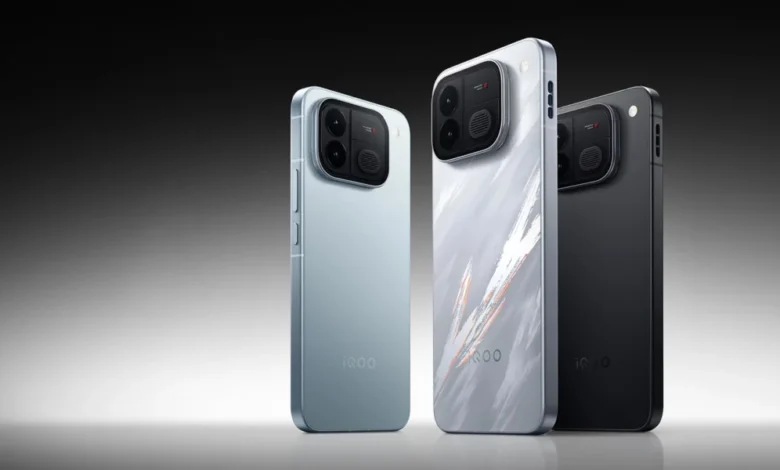
The camera system of the IQOO Neo 12 is anchored by the 50MP Sony IMX921 sensor. While the device is primarily marketed as a performance-oriented handset, the primary sensor selection suggests a focus on reliable, high-dynamic-range photography. This is complemented by an 8MP ultra-wide lens, housed within a distinct, raised camera island that gives the device a recognizable visual identity. For selfie enthusiasts, the front-facing 16MP camera is optimized for clarity in low-light environments.
The phone is available in three distinct colorways: Contender, Frost Blade Blue, and Shadow Black. These options reflect the brand’s attempt to bridge the gap between "gamer aesthetic" and professional, everyday utility.
Market Context and Strategic Implications
The release of the IQOO Neo 12 comes at a pivotal time for the smartphone market. With the saturation of the premium tier, manufacturers are increasingly looking to the "performance mid-range" segment to capture consumers who are disillusioned by the price inflation of flagship devices. By deploying the Snapdragon 8 Elite at a price point significantly lower than the $1,300 benchmark of its competitors, IQOO is effectively applying downward pressure on the market.

Historical trends indicate that when a sub-brand like IQOO (which operates under the Vivo umbrella) introduces such aggressive specifications, it forces competitors to either optimize their supply chains or accelerate their own development cycles to remain competitive. This cycle of innovation has historically led to a "trickle-down" effect, where features like high-speed RAM, advanced cooling, and flagship-grade chipsets become standard in lower-cost devices within 12 to 18 months.
Timeline and Availability
The IQOO Neo 12 was announced in October 2026, with an immediate retail availability in the Chinese market. The rollout follows a traditional launch pattern for IQOO, which typically prioritizes domestic distribution before initiating a broader global expansion.
As of the current announcement, there has been no official confirmation regarding a release date for Western markets. Industry analysts suggest that the delay in a global release may be attributed to regional regulatory certifications and the necessity of tailoring the user interface (Funtouch OS or OriginOS) for international software environments. Interested consumers in China can currently purchase the device directly through Vivo’s official retail channels, with early customer feedback highlighting the stability of the active cooling system during high-frame-rate gameplay.
Fact-Based Analysis of the Market Impact
The inclusion of a 9,000mAh battery represents a potential trend toward higher energy density in mobile devices. For years, the industry standard for flagship phones has hovered around 5,000mAh, with any increase resulting in significant bulk. The Neo 12’s ability to manage this capacity suggests advancements in battery chemistry or internal structural efficiency.

Moreover, the decision to maintain an IP69 rating despite the inclusion of an active fan highlights a shift in how manufacturers view "gaming phones." Historically, gaming phones were fragile and lacked water resistance. The Neo 12 indicates that the industry is moving toward a synthesis of "utility" and "performance," where consumers no longer have to choose between a durable daily driver and a high-performance gaming rig.
The pricing strategy adopted for the Neo 12 is expected to serve as a bellwether for the upcoming fiscal quarter. If the device achieves high sales volume, it may compel major manufacturers like Samsung and Xiaomi to re-evaluate their mid-range offerings to prevent market share erosion. Conversely, if the production costs of the Snapdragon 8 Elite and the custom cooling components prove too high to sustain at scale, we may see a price correction in subsequent iterations of the Neo line.
In summary, the IQOO Neo 12 is a compelling case study in modern smartphone manufacturing. By balancing high-end silicon, advanced thermal engineering, and robust build quality, the device sets a new standard for what should be expected at the upper mid-range price bracket. While the global availability remains a point of speculation, the hardware itself serves as a clear indicator of where the industry is heading: toward a future where "flagship-level" performance is no longer a luxury, but a baseline expectation.