Apple Watch Users Face a Hidden Learning Curve as watchOS 27 Brings Persistent AI Chat History and New Siri Capabilities

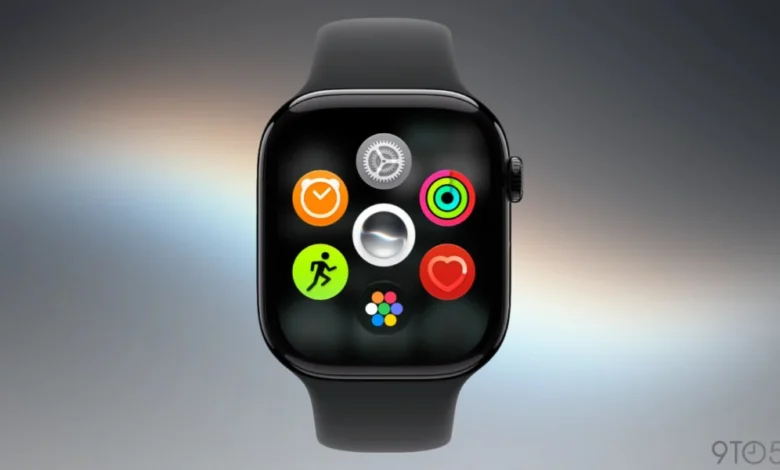
The release of watchOS 27 alongside Apple’s broader ecosystem updates introduces a transformative way for users to interact with their devices through the integration of persistent Siri chat history. Across the iPhone, iPad, Mac, and Apple Watch, Apple’s flagship voice assistant has evolved from a transactional, single-query tool into a conversational partner capable of retaining context across multiple exchanges. However, while devices with larger displays—such as the iPhone and Mac—make picking up an ongoing chat as intuitive as scrolling through an iMessage thread, Apple Watch users are navigating a less transparent interface. Because watchOS 27 displays past interactions without an obvious on-screen button to resume the dialogue, users have had to discover a specific workaround to maintain conversational continuity on their wrists. This usability quirk highlights the ongoing design challenges of scaling complex, generative artificial intelligence features down to ultra-portable, wrist-bound form factors.
The Evolution of Siri: From Single Queries to Persistent Context
For years, virtual assistants on wearable devices have operated on a strict, stateless paradigm. Historically, every invocation of Siri on the Apple Watch was treated as a blank slate. If a user asked about the weather, followed up with a question regarding traffic along their commute, and then wanted to refine the previous query, the assistant often failed to connect the dots unless explicit, repetitive phrasing was used. This limitation forced users to rely heavily on precise commands, creating friction that discouraged deep or multi-layered interactions on smaller screens.
The rollout of the OS 27 software generation fundamentally alters this dynamic by introducing session memory and persistent chat history. Under the new architecture, Siri retains the thread of a conversation, allowing users to speak more naturally, introduce pronouns without ambiguity, and reference previously retrieved information without starting over from scratch. Industry analysts compare the shift to moving away from traditional automated phone trees—where callers must repeatedly verify their identity and restate their problem to every new agent—and moving toward a unified customer support thread where the agent remembers the entirety of the dialogue. On devices with physical keyboards or expansive touchscreens, this feature manifests seamlessly. Users can simply tap the bottom of a text interface or type out a continuation, preserving the fluid illusion of a modern chat application.
The Apple Watch Interface Challenge in watchOS 27
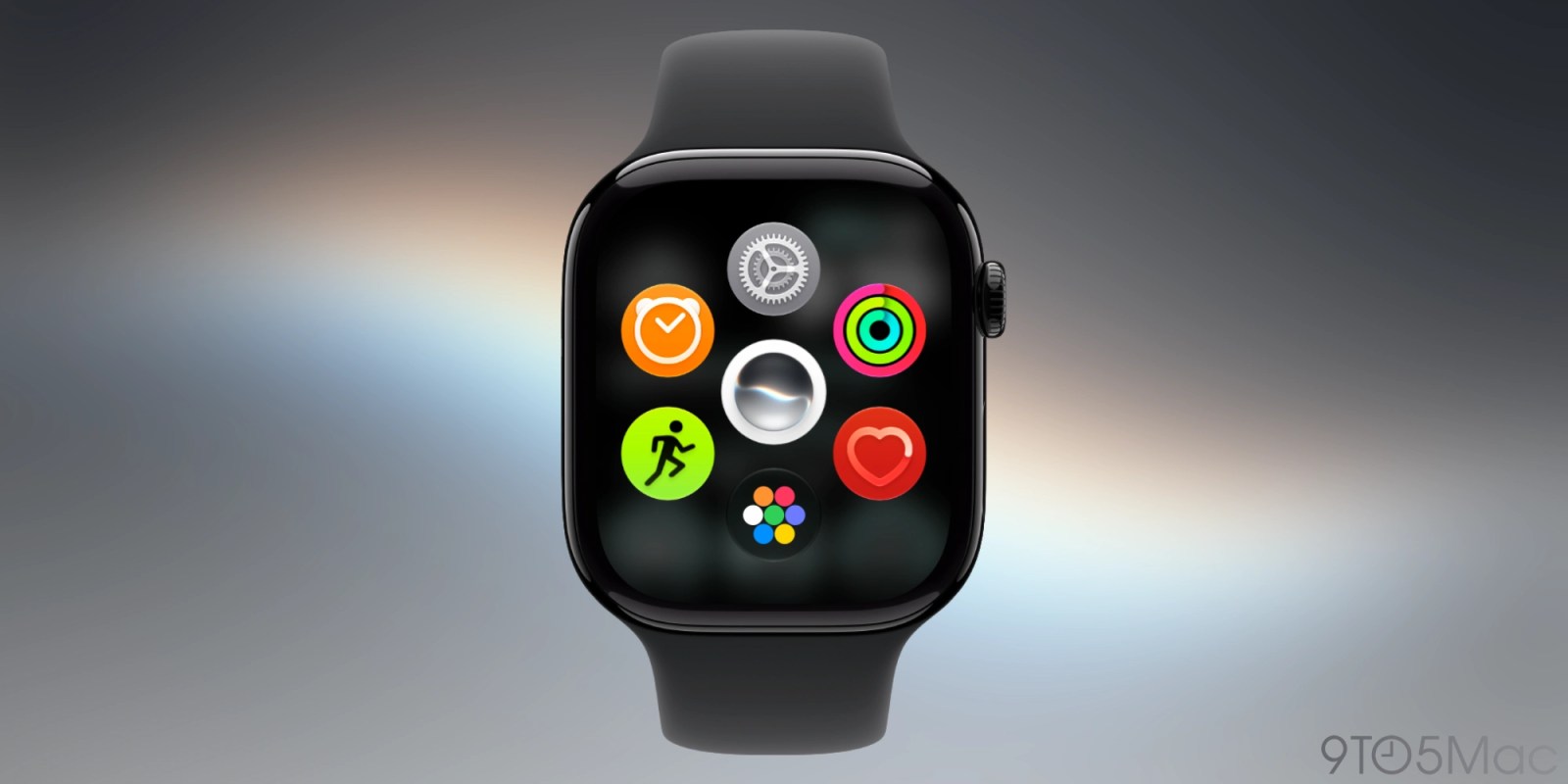
Bringing this advanced conversational model to the Apple Watch presented significant interface hurdles for Apple’s human interface design teams. Screen real estate on a smartwatch is inherently constrained, requiring dense information architecture and minimalist controls. In watchOS 27, the newly introduced dedicated Siri app successfully displays previous chat threads, allowing users to scroll back through earlier inquiries and responses. Yet, unlike its iOS and macOS counterparts, the watchOS application lacks an obvious, dedicated graphical user interface element—such as a persistent text entry box or a "reply" button—designed to append new queries to the existing thread.
As a result, early adopters frequently assumed that the Apple Watch version of the app was merely a read-only archive of past interactions conducted on other devices, or that continuing a chat natively on the watch was fundamentally unsupported. The absence of a clear visual cue for conversation resumption threatened to alienate users who wished to transition their workflow seamlessly from their desktop or phone to their wrist while on the go.
The Workaround: How to Continue Chats on watchOS 27
Despite the initial UI friction, persistent chat functionality is indeed built into the watchOS 27 Siri app, albeit accessed through a non-obvious gesture. To append a new query to an active thread visible on the screen, users must actively invoke Siri while the specific chat thread is open and displayed within the application. This can be accomplished either by holding down the hardware Digital Crown or by using the voice activation triggers.

When invoked in this state, the system automatically appends the new vocal or typed input to the currently viewed conversation, integrating the contextual history from previous exchanges into the new request. While software engineers and usability experts have noted that this discovery-based approach falls short of Apple’s usual standard of intuitive design, it successfully bridges the gap between hardware constraints and advanced software capabilities. Technology reviewers anticipate that subsequent software iterations within the watchOS 27 lifecycle will introduce a more refined, visually explicit mechanism for continuing these threads directly on the display.
Broader Ecosystem Rollout and Hardware Prerequisites
The arrival of the new Siri capabilities coincides with a major hardware cycle for the company. Alongside the public release of watchOS 27 and iOS 27, Apple has opened pre-orders for its latest wearable lineup, including the Apple Watch Series 12—starting at $399—and the rugged Apple Watch Ultra 4, priced from $799. Both flagship devices are scheduled to hit retail shelves and arrive to consumers on September 18.
However, industry observers note that accessing the full suite of advanced AI features is subject to strict limitations. Advanced Siri functionalities require specific, modern hardware configurations, are restricted to supported geographic markets, and, in some instances, may require users to join a virtual waitlist before the cloud-based and on-device machine learning models become fully active on their accounts. These prerequisites ensure that processing-heavy tasks run smoothly, but they also mean that the transition to context-aware computing will occur gradually across the global user base.
Implications for Wearable Computing and Future Design

The challenges surrounding the watchOS 27 Siri app underscore a broader transition period for wearable technology. As artificial intelligence transforms from a novelty feature into the primary operating layer of consumer electronics, input methods must evolve in tandem. On the wrist, where keyboards are impractical and rapid touch-typing is impossible, voice and context become the primary currency of interaction.
By enabling persistent chat history—even with a temporarily clunky interface on the Apple Watch—Apple is signaling its long-term vision for ambient computing. The goal is a continuous, uninterrupted dialogue between the user and their digital ecosystem, regardless of which device is closest at hand. As developers gather user feedback and software engineers refine the watchOS interface in upcoming point releases, the friction inherent in these first-generation implementations is expected to dissipate. For now, early adopters willing to master the hidden gestures of watchOS 27 will gain a glimpse into the future of conversational wearable technology, setting the stage for a more intuitive and contextually intelligent hardware experience.
Related posts: