Tomb Raider: Catalyst Delayed to 2028 Amidst Series of Setbacks for Amazon’s Lara Croft Revival


Amazon’s ambitious revival of the iconic Tomb Raider franchise is facing significant turbulence, with the upcoming action-adventure title, Tomb Raider: Catalyst, now slated for a 2028 release. This latest delay, confirmed by Amazon’s head of gaming, Jeffrey Gattis, adds to a growing list of challenges impacting the company’s foray into the beloved gaming series. The news follows earlier reports of production halts on the live-action television series and a postponed release for the remake of the original Tomb Raider, now known as Tomb Raider: Legacy of Atlantis.
Shifting Release Schedules and Strategic Realignments
In a candid discussion with Chris Dring of The Game Business, broadcast via YouTube, Jeffrey Gattis provided an update on Amazon’s gaming portfolio. When outlining the company’s strategy, particularly in the wake of the recent relaunch of its cloud gaming service, Luna, Gattis casually mentioned the revised timelines for the two announced Tomb Raider titles. "We’ve obviously announced the two Tomb Raider titles: Atlantis comes 12th February next year and then we’ll follow on in 2028 with the next one," Gattis stated, indicating a significant pushback for Catalyst.
The initial announcement of Amazon’s partnership with Crystal Dynamics, the long-standing custodians of the Tomb Raider franchise, occurred in 2022. However, it wasn’t until December of the following year that the full scope of their collaboration was unveiled. The reveal included not one, but two distinct Tomb Raider projects: a ground-up remake of the original 1996 game, now titled Tomb Raider: Legacy of Atlantis, and a brand-new installment, Tomb Raider: Catalyst.
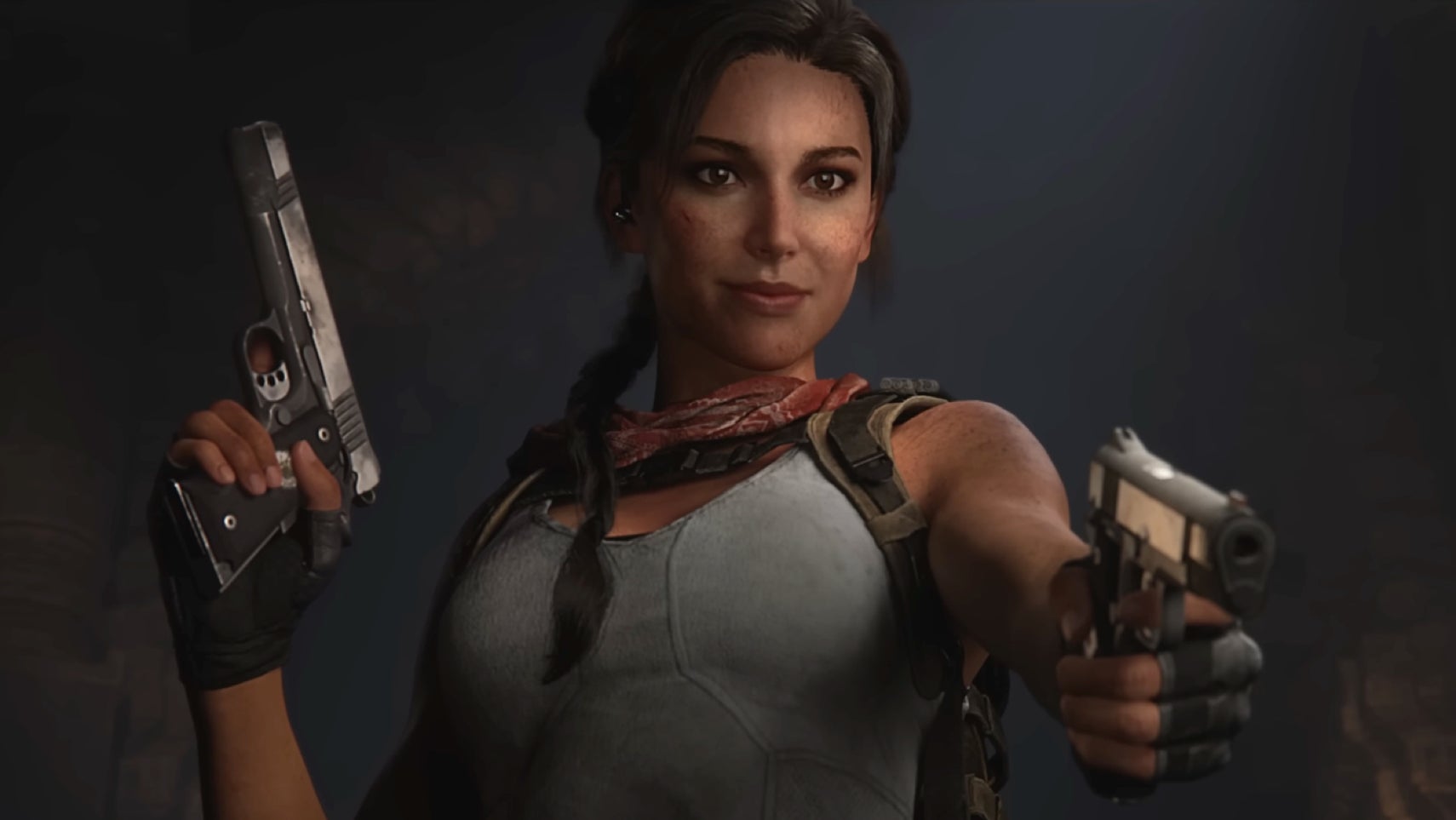
Tomb Raider: Legacy of Atlantis was originally scheduled for release in 2023. However, it experienced its first delay, pushing its launch to February 2027. This adjustment was announced in June, accompanied by a new trailer that showcased Lara Croft, Natla, and Larson. The delay was also seen by some critics, including Eurogamer editor-in-chief Chris Tapsell, as a potential opportunity to address concerns that early previews of the game felt "strangely double-A," suggesting a need for further refinement to meet the high expectations associated with the franchise. The February 2027 release date for Legacy of Atlantis now positions it as the next significant Tomb Raider release from Amazon.
Tomb Raider: Catalyst – A New Direction Delayed
Tomb Raider: Catalyst represents a departure from the remake, promising an entirely new narrative and setting for Lara Croft. The game is set to transport players to India, introducing a fresh archaeological adventure. Previously, Catalyst was anticipated to launch for PlayStation 5, Xbox Series X/S, and PC in 2027. The confirmation of its delay to 2028 signifies a substantial rescheduling for this original entry, raising questions about the development pipeline and Amazon’s overall gaming strategy.
The initial teaser trailer for Tomb Raider: Catalyst, released during The Game Awards, offered a glimpse into the game’s aesthetic and potential themes, hinting at a focus on exploration and puzzle-solving characteristic of the series, set against a vibrant Indian backdrop. The postponement suggests that the development team is prioritizing quality and polish over adhering to a previously set timeline.
A Troubled Path for Amazon’s Tomb Raider Endeavors
The delays and setbacks are not isolated incidents but part of a broader pattern of challenges faced by Amazon’s Tomb Raider initiatives. The journey has been marked by production hurdles and controversies, impacting both the gaming and television sectors of the revival.

A Chronology of Challenges:
- June 2023: Reports emerge that Tomb Raider: Legacy of Atlantis is being developed with the use of AI. Crystal Dynamics director of experience, Jeff Adams, later explained that AI tools were employed to "get to [the] right answers faster." However, further inquiries into the specifics of AI integration were reportedly met with resistance from Amazon’s PR.
- Early 2024: Filming for Amazon Prime’s live-action Tomb Raider television series, starring Sophie Turner, was temporarily halted due to a back injury sustained by the lead actor on set. While production has since resumed, the incident caused a significant interruption.
- June 2024: Crystal Dynamics confirmed a fourth round of layoffs within a 12-month period, impacting approximately 20 staff members. This round of redundancies occurred despite ongoing development for both Tomb Raider: Legacy of Atlantis and Tomb Raider: Catalyst.
- Late 2024 (Confirmed): Jeffrey Gattis announces the delay of Tomb Raider: Catalyst to 2028, shifting its release from the originally anticipated 2027 window.
Industry Context and Developer Stability
The repeated layoffs at Crystal Dynamics are a point of concern within the industry. In the past year alone, the studio has undergone multiple rounds of workforce reductions. While the company has maintained that development on the Tomb Raider projects continues, such instability can often lead to project delays, impact team morale, and potentially affect the quality of the final product. The reasons behind these recurring layoffs have not been publicly detailed by Crystal Dynamics or Amazon, adding to the uncertainty surrounding the studio’s long-term stability and its capacity to deliver on ambitious projects.
The use of AI in game development, as reported for Legacy of Atlantis, is a rapidly evolving area. While proponents argue it can accelerate workflows and reduce costs, it also raises ethical questions regarding job displacement and the nature of creative work. The opaque communication from Amazon regarding its AI implementation in Tomb Raider has left many observers seeking greater transparency.
Broader Implications for Amazon’s Gaming Ambitions
The delays and production issues surrounding the Tomb Raider franchise represent a significant challenge for Amazon’s broader gaming ambitions. The company has invested heavily in its gaming division, aiming to establish a strong presence in a highly competitive market. The success of the Tomb Raider revival was seen as a key pillar in this strategy, leveraging a globally recognized intellectual property to attract and retain players.

The extended timelines for both Tomb Raider titles suggest that Amazon may be reassessing its approach to game development and publishing. The company’s commitment to the Luna streaming platform, coupled with these game development setbacks, indicates a complex and perhaps iterative strategy for its gaming ecosystem. The eventual success of these Tomb Raider games will undoubtedly play a crucial role in shaping public perception of Amazon’s capabilities as a major game publisher.
Analysts suggest that the extended development cycles, while potentially leading to more polished games, also carry risks. Longer development periods can result in increased production costs and may mean that by the time the games are released, the underlying technology and market trends have shifted. For a franchise as iconic as Tomb Raider, maintaining player anticipation and relevance over such extended periods will be a significant undertaking.
The gaming world will be watching closely to see how Amazon and Crystal Dynamics navigate these challenges. The future of Lara Croft under Amazon’s stewardship, and by extension, Amazon’s standing in the AAA gaming space, hinges significantly on the successful delivery of these highly anticipated, albeit now significantly delayed, Tomb Raider titles. The prolonged wait for Tomb Raider: Catalyst, now set for 2028, underscores the complex realities of modern game development and the often-unpredictable journey from announcement to release.
Related posts: