Tesla Expands Global Footprint with Official Launches in Latvia and Uruguay Highlighting Strategic Growth in Emerging EV Markets

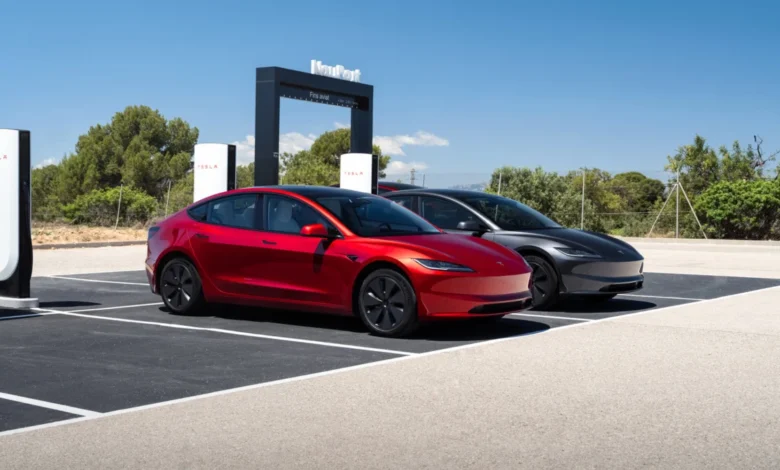
Tesla has officially inaugurated its entry into two distinct geographic markets this week, establishing a formal presence in Latvia and launching operations in Uruguay. This dual-continent expansion signals a calculated move by the Texas-based electric vehicle (EV) manufacturer to solidify its footprint in the Baltic region of Europe and the Southern Cone of South America. By entering these markets, Tesla is targeting regions characterized by high renewable energy integration and government policies that actively favor the transition toward sustainable transportation. The move represents a transition from speculative presence to full-scale operational status, involving the establishment of service networks, localized sales teams, and the deployment of Supercharger infrastructure.
Strategic Expansion in the Baltic Region: The Latvian Market
The launch in Latvia marks a significant milestone in Tesla’s broader strategy to cover the Baltic states, following previous successful entries into neighboring Lithuania and Estonia. While Tesla vehicles have been visible on Latvian roads for several years via private imports, the official entry brings a level of consumer confidence through direct manufacturer support.
Operational Foundations in Riga
The groundwork for this week’s announcement began in late 2025 with the formal registration of Tesla Latvia SIA. Since that time, the company has moved swiftly to transition from a corporate entity to a functional service provider. Recent job postings for technicians, service advisors, and sales representatives in Riga indicate that Tesla is prioritizing the "service-first" model. This approach ensures that a robust support network is in place before high-volume deliveries commence.
The Riga service center is expected to serve as a hub not only for the Latvian capital but for the surrounding regions, reducing the need for owners to travel to Warsaw or Helsinki for major repairs. Tesla’s "pop-up" store model, which has been successfully utilized in other European markets, is likely to be the primary vehicle for consumer interaction in the early stages, providing potential buyers with the opportunity to test drive the Model 3 and Model Y.
Market Dynamics and Infrastructure
As of mid-2026, the adoption of Battery Electric Vehicles (BEVs) in Latvia stands at approximately 7.1 percent of new passenger car registrations. Data from 2025 indicated that out of roughly 22,500 new vehicle registrations, 1,602 were fully electric. When including plug-in hybrids, the total electrified market share nears 19 percent. While these figures are currently below the European Union average, the growth trajectory is steady, bolstered by state-funded subsidies and a growing network of public charging stations.
Infrastructure is a critical component of Tesla’s Latvian strategy. The country currently hosts a network of over 400 public charging points, with projections suggesting this could scale to 2,000 in the coming years. Tesla has already integrated its proprietary Supercharger network into the region, with high-speed stations (up to 250 kW) located in Riga and the seaside city of Jūrmala. Crucially, these stations are positioned along the Via Baltica (E67), a vital transport corridor connecting the Baltic states with Central Europe, ensuring that Tesla owners can travel internationally with minimal range anxiety.
South American Momentum: Uruguay as a Green Leader
In South America, Tesla has officially added Uruguay to its portfolio, making it the third country on the continent to receive official support, following Chile and Colombia. The arrival was teased via social media with the phrase "Estamos llegando" (We are arriving), culminating in a formal presentation scheduled for mid-July 2026.
The Uruguayan Advantage
Uruguay represents a unique opportunity for Tesla due to the country’s exceptional energy profile. Nearly 95 to 100 percent of Uruguay’s electricity is generated from renewable sources, primarily wind, solar, and hydroelectric power. This makes the "well-to-wheel" carbon footprint of an EV in Uruguay among the lowest in the world.
Furthermore, Uruguay boasts one of the highest EV penetration rates in Latin America. Recent market data shows that BEVs have exceeded a 20 percent market share in new car sales. This rapid adoption is driven by several factors:
- Tax Incentives: The Uruguayan government has implemented significant exemptions on the Internal Specific Tax (IMESI) and customs duties for electric vehicles.
- Fuel Costs: Uruguay historically faces high liquid fuel prices, making the total cost of ownership for an EV significantly lower than that of internal combustion engine (ICE) vehicles.
- Urban Geography: The relatively compact size of the country and the concentration of the population in Montevideo make it an ideal environment for EVs, where daily commuting distances are well within the range of a single charge.
Local Infrastructure and Logistics
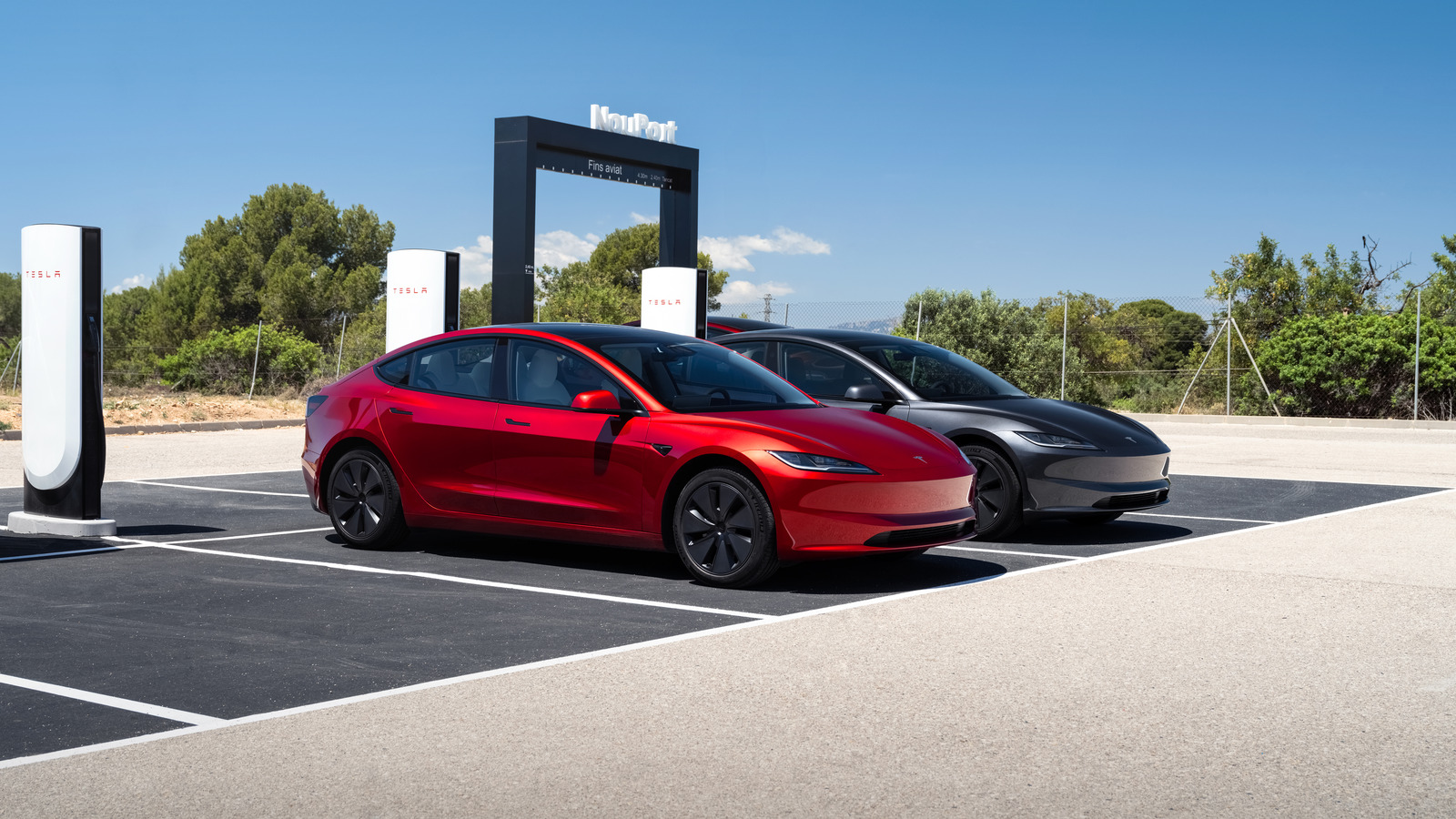
Tesla has established Tesla Uruguay SAS to manage local operations and has already completed the homologation process for the Model 3 and Model Y. By offering three versions of each model, Tesla aims to capture various segments of the premium market. To date, hundreds of Tesla vehicles have entered Uruguay through "grey market" imports; however, the official launch ensures that these owners, and future buyers, will have access to official warranties, software updates optimized for the region, and professional service.
Vehicles for the Uruguayan market are expected to be sourced from Gigafactory Shanghai. This logistical choice allows Tesla to maintain competitive pricing by leveraging the high-efficiency production and favorable export conditions of its Chinese hub. Additionally, Tesla plans to expand the Supercharger network within Uruguay, complementing the existing "Electric Route" established by the state-owned utility company, UTE.
Chronology of Expansion: From Registration to Launch
The timeline of these dual entries showcases Tesla’s ability to manage complex regulatory and logistical hurdles across different hemispheres simultaneously.
- Late 2025: Tesla Latvia SIA is officially registered, marking the beginning of the legal framework for Baltic operations.
- Early 2026: Tesla begins the homologation process in Uruguay, seeking approval from local transport authorities for the Model 3 and Model Y.
- June 2026: Tesla Latinoamerica launches a social media campaign targeting the Uruguayan market, signaling an imminent launch.
- July 2026: Tesla Europe confirms its commitment to Latvia via official channels, highlighting the expansion of the Supercharger network along the Via Baltica.
- Mid-July 2026: Scheduled official launch events in Montevideo and Riga, marking the commencement of direct sales and service.
Comparative Analysis: Baltic vs. South American Strategies
Tesla’s entry into Latvia and Uruguay reveals a nuanced global strategy that adapts to regional specificities while maintaining brand consistency.
In Latvia, the focus is on "filling the gaps" in the European network. As the European Union moves toward a 2035 ban on new ICE vehicles, Tesla is ensuring that it has a presence in every member state, regardless of the current market size. The Latvian entry is as much about logistics and regional connectivity as it is about local sales volume. By securing the Via Baltica route, Tesla reinforces the utility of its vehicles for cross-border European travel.
In Uruguay, the strategy is focused on "market leadership." Uruguay is a "green lighthouse" in Latin America. By establishing a presence there, Tesla is positioning itself as the premier aspirational brand in a market that is already culturally and economically primed for electrification. This move also serves as a strategic counter-balance to the growing influence of Chinese EV manufacturers, such as BYD and Great Wall Motor, which have been aggressively expanding in South America.

Implications for the Global EV Market
The simultaneous expansion into these two markets has several broader implications for the automotive industry and investors.
Resilience in Diverse Markets
Tesla’s ability to enter markets with vastly different economic profiles—Latvia with its EU-integrated economy and Uruguay with its independent, commodity-influenced economy—demonstrates the universal appeal of its product line. It suggests that Tesla is moving beyond "early adopter" markets like Norway or California and into "secondary" markets that are crucial for long-term global dominance.
Supply Chain Optimization
The utilization of Gigafactory Berlin for European supply and Gigafactory Shanghai for South American supply illustrates Tesla’s optimized global logistics. By sourcing vehicles from the most geographically and economically logical hub, Tesla can manage shipping costs and import tariffs more effectively than traditional manufacturers who may rely on a more centralized production model.
Environmental Leadership
For both Latvia and Uruguay, the arrival of Tesla is an endorsement of their respective green energy transitions. In Latvia, it aligns with the EU’s "Fit for 55" climate goals. In Uruguay, it validates the country’s massive investment in renewable energy infrastructure. The presence of Tesla often acts as a catalyst for other manufacturers to increase their EV offerings and for governments to further invest in charging infrastructure.
Conclusion and Future Outlook
Tesla’s entry into Latvia and Uruguay represents a calculated step toward the company’s mission of accelerating the world’s transition to sustainable energy. By addressing local needs—such as providing service for existing grey-market owners in Uruguay and enhancing long-distance travel capabilities in Latvia—Tesla is building a foundation for sustainable growth.
As the EV transition matures worldwide, the success of these entries will likely be measured not just by immediate sales figures, but by the robustness of the service and charging ecosystems Tesla establishes. For consumers in Riga and Montevideo, the "coming soon" signs have finally been replaced by "open for business," marking a new chapter in the electrification of their respective nations. Looking ahead, these moves may pave the way for further expansions into underserved regions, such as the Balkans in Europe or Paraguay and Argentina in South America, as Tesla continues its aggressive pursuit of global market share.