OLED MacBook Pro screens on-track amid talk of delayed launch and imminent touchscreen integration

Apple is poised to redefine its professional computing lineup at the upcoming "Pro and Tell" event, scheduled for October 28, 2026. The centerpiece of this announcement is expected to be the long-rumored transition of the MacBook Pro series to OLED touchscreen technology. According to reporting from Bloomberg’s Mark Gurman, these new machines will represent a significant departure from the traditional laptop experience Apple has championed for decades, introducing a suite of hardware refinements aimed at justifying a substantial price premium.
The Evolution of the MacBook Pro Lineup
For years, Apple maintained a firm stance against integrating touchscreens into its laptop ecosystem. Former executives, including the late Steve Jobs, famously dismissed the ergonomics of touch-based computing on a vertical screen, famously labeling the concept as "ergonomically terrible." However, the industry landscape has shifted dramatically, with competitors like Dell and Microsoft successfully implementing touch interfaces in premium ultrabooks.
Internal deliberations regarding this pivot reportedly began approximately four years ago. Sources familiar with the project indicate that Tim Cook, Apple’s Chief Executive Officer, ultimately greenlit the initiative in response to persistent consumer demand. John Ternus, Apple’s hardware engineering lead, was instrumental in this shift. Ternus reportedly argued within executive circles that touchscreen functionality had become "table stakes" for the professional laptop market, suggesting that Apple risked falling behind the broader industry standard if it did not modernize its flagship hardware.
Pricing Strategy and Market Positioning
The financial implications of this release are substantial. The proposed entry price of $2,899 for the 14-inch model equipped with an M5 Pro chip marks a historic high for the product line. When adjusted for the 16-inch variant—which is expected to carry at least a $400 markup over its smaller sibling—the starting price will likely reach $3,399.
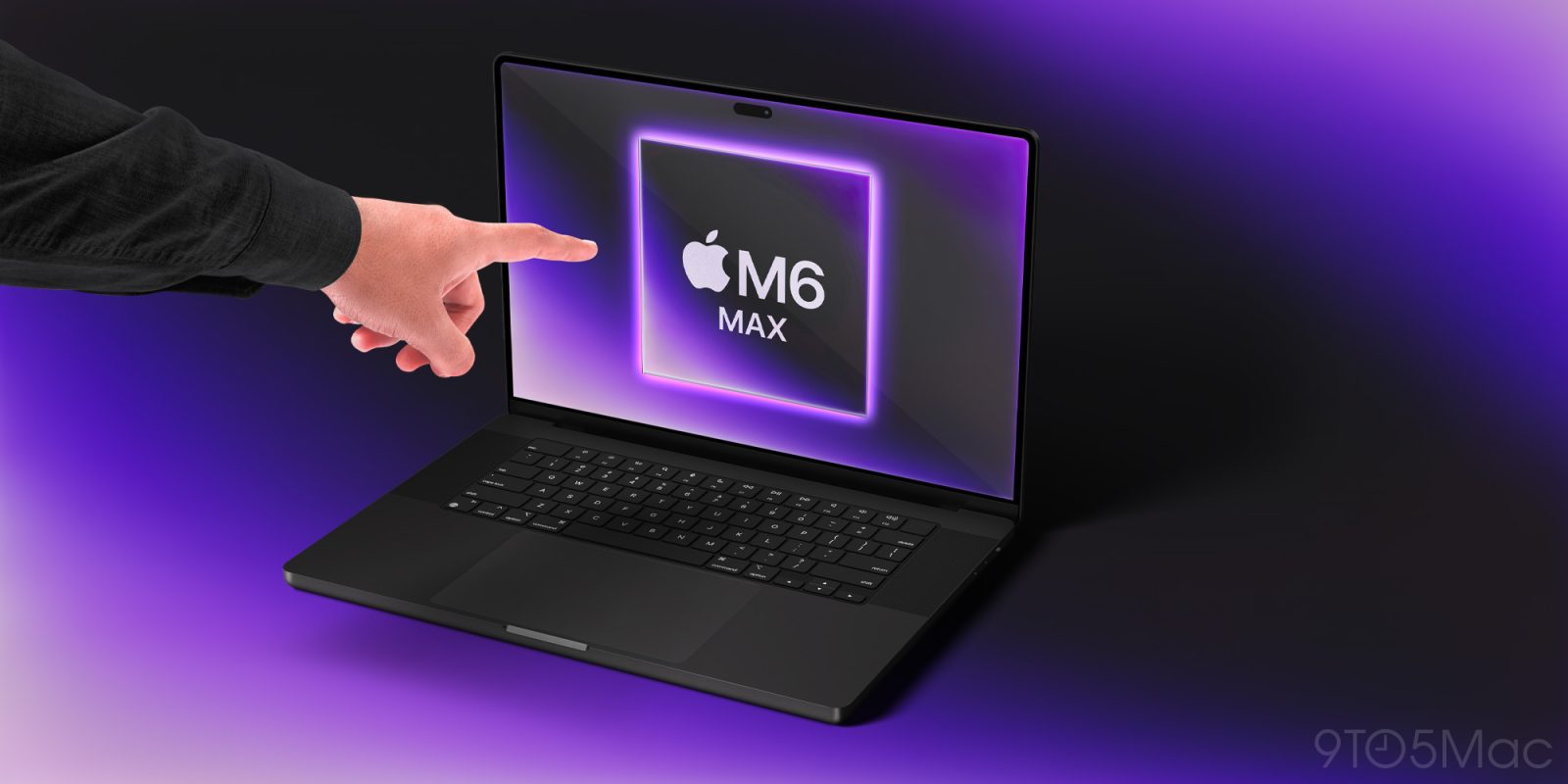
To put these figures in historical perspective, this represents a significant increase in the cost of entry for Apple’s professional hardware. Even accounting for the price hikes implemented in June 2026, the new models will cost roughly $700 more than the non-touch equivalents currently on the market. By positioning these devices at the top of the hierarchy, Apple is effectively creating a two-tier ecosystem. The current non-touch M5 Pro and M5 Max MacBook Pros are expected to remain in the lineup as a more affordable alternative, ensuring that legacy users are not forced into the new, higher price bracket unless they specifically desire the touchscreen experience.
Engineering Challenges and Redesign Details
The transition to an OLED touchscreen is not merely a display swap; it requires a complete overhaul of the device’s structural integrity. One of the primary engineering challenges with a touchscreen laptop is the "wobble" effect—the tendency of the display to shift when pressed. To mitigate this, Apple has reportedly redesigned the hinge mechanism to ensure greater stability, allowing for a more tactile, pressure-responsive user experience.
Furthermore, the integration of OLED technology—known for its superior contrast ratios, deeper blacks, and power efficiency—has necessitated a re-engineering of the internal cooling architecture. Reports confirm that Apple has optimized airflow through the hinge area, a move designed to maintain thermal efficiency while simultaneously allowing for a thinner, lighter chassis. The combination of thinner bezels and a more lightweight frame suggests that Apple intends to market these machines as the most portable professional laptops in the company’s history.
Strategic Implications for the Mac Ecosystem
The shift toward touchscreens raises questions about the future of macOS. While the hardware will now support direct interaction, the software must be optimized to handle a user interface designed primarily for trackpads and mice. The inclusion of the "Dynamic Island"—a feature ported from the iPhone and current MacBook Pro display notches—indicates that Apple is looking to unify the design language across its mobile and desktop product lines.
From an industry perspective, this move signals that Apple is no longer content to treat the iPad and Mac as entirely separate paradigms. By bringing the touchscreen to the Mac, Apple is potentially bridging the gap between its tablet-based software ecosystem and its high-performance laptop hardware. Analysts suggest this could be the first step in a multi-year effort to harmonize the user experience across all Apple devices, effectively creating a more fluid transition for users moving between iPadOS and macOS.

Chronology of the Touchscreen Project
- 2022: Initial discussions regarding the necessity of touchscreens in the professional Mac lineup commence at the executive level.
- 2023: Internal research and development teams begin prototyping hinge stability and OLED integration strategies.
- 2024: Supply chain partners are contacted to secure high-quality OLED panels suitable for a larger form factor than the iPhone or iPad.
- 2025: Prototyping shifts toward finalizing the chassis design, focusing on weight reduction and thermal management through the redesigned hinge.
- June 2026: Broad price increases are applied across the Mac and iPad lineups, setting the stage for the higher premium associated with the upcoming touchscreen models.
- October 2026: Official announcement of the new MacBook Pro models at the "Pro and Tell" event, with preorder availability starting the same day.
Market Impact and Consumer Reaction
The introduction of these models is expected to put downward pressure on the market for high-end Windows laptops that feature OLED touch displays. Historically, Apple’s entry into a new hardware category often acts as a catalyst for industry-wide shifts. However, the price point of nearly $3,000 for an entry-level professional laptop may alienate long-time power users who prioritize performance-per-dollar over the latest display technology.
Retail channels appear prepared for the transition, with current inventory levels of non-touch MacBook Pros remaining robust. This suggests that Apple expects a staggered adoption rate, with the new, more expensive models serving as a halo product for early adopters and creative professionals who require the specific utility of a touchscreen.
Future Outlook
The "Pro and Tell" event will serve as a litmus test for Apple’s strategy. By continuing to sell the existing non-touch models, the company is hedging its bets, acknowledging that while some professionals view the touchscreen as a "table stake," others may view it as an unnecessary, costly addition to a device that is already highly optimized for traditional input methods.
The success of these models will likely hinge on software integration. If macOS can provide a seamless, intuitive experience that feels native to touch—rather than a repurposed desktop environment—Apple could see a significant upgrade cycle. If the implementation feels disjointed, the product may be relegated to a niche status, appealing only to a specific subset of creative users who benefit from drawing, editing, and direct interaction.
As of October 27, 2026, anticipation remains high. With availability potentially starting as early as November 6, the market will soon determine if Apple’s four-year journey to bring touch to the MacBook Pro will be remembered as a bold evolution or a costly departure from the brand’s traditional desktop philosophy. Regardless, the move marks a definitive turning point in the history of the personal computer, ensuring that the debate over the role of touch in professional computing will continue for the foreseeable future.