The Hidden Link Between Air Conditioning and Sleep Disruption How Indoor Air Quality Impacts Restorative Rest


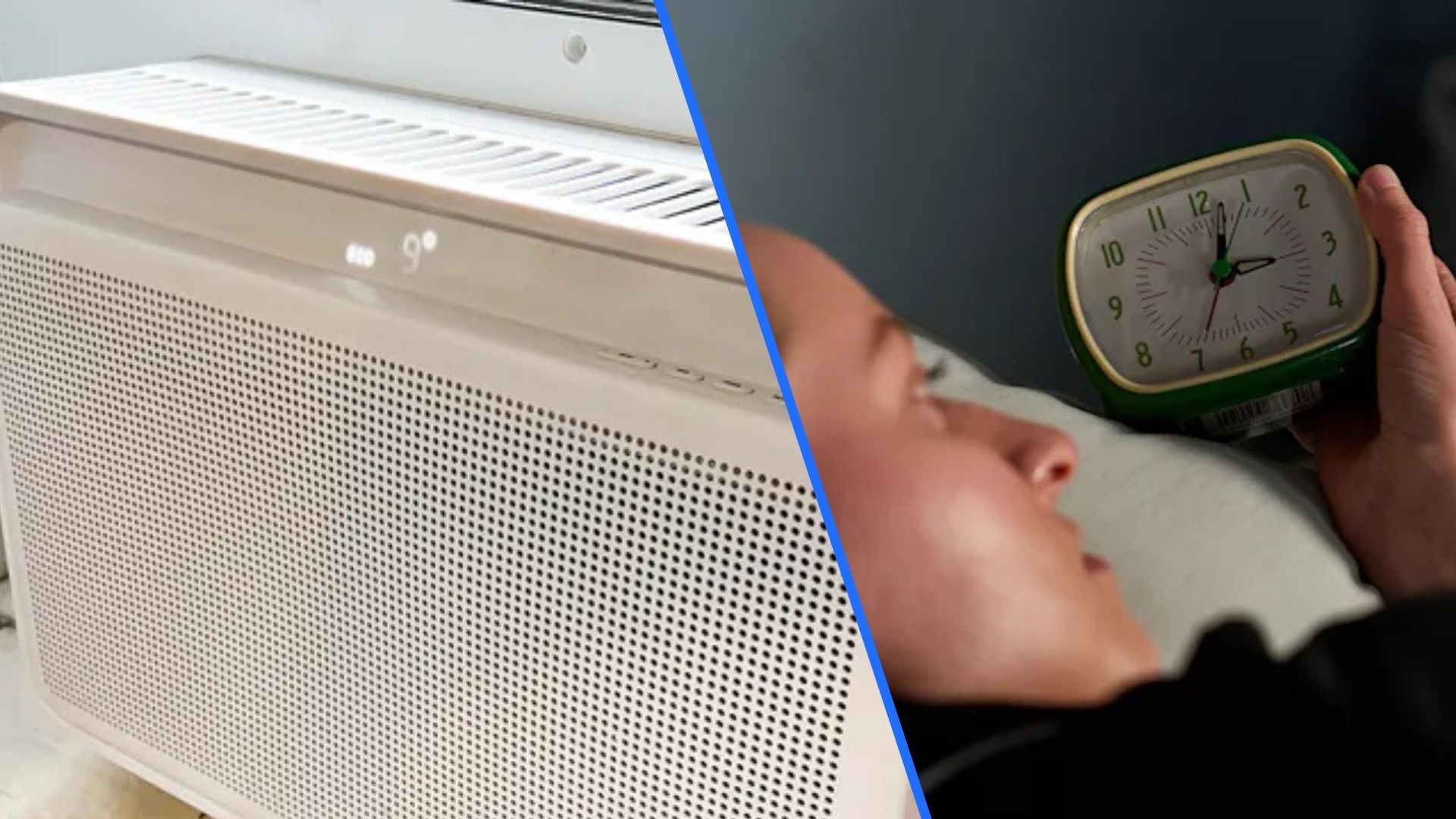
Air conditioning has long been regarded as an essential utility for modern living, particularly as global temperatures continue to rise and heatwaves become more frequent and intense. For many, the hum of an AC unit is the sound of relief, transforming a sweltering bedroom into a cool sanctuary conducive to rest. However, emerging scientific research and expert warnings suggest that this reliance on climate control systems may come with a hidden cost to human health. While air conditioning is a primary tool for thermal comfort, it is increasingly being identified as a potential culprit behind fragmented sleep patterns and the common phenomenon of waking up in the early hours of the morning.
Recent studies, including research published in peer-reviewed journals such as Nature and Microbiome, have highlighted a concerning correlation between air conditioning usage, indoor air quality, and respiratory health. As the reliance on these systems grows, medical professionals are sounding the alarm on how poorly maintained units can degrade the air we breathe, leading to physiological stressors that interrupt the body’s natural sleep-wake cycle. Dr. Dale Christensen, Chief Science Officer for Climatic Health and Adjunct Associate Professor of Medicine at Duke University Medical Center, emphasizes that sleep is a critical period for biological recovery and repair. Anything that impairs respiratory comfort, he notes, can significantly interfere with the body’s ability to achieve full restoration overnight.
The Prevalence of Air Conditioning and the Maintenance Gap
The scale of air conditioning usage in the United States is vast. According to data from the United States Census Bureau, approximately 90% of American households utilize some form of air conditioning to manage indoor temperatures during the summer months. What was once considered a luxury has become a standard feature of the American domestic landscape. However, the ubiquity of these systems has not been matched by a universal commitment to their upkeep.
The 2026 DuraPlas Summer Cooling Report revealed a startling trend in consumer behavior: nearly 50% of homeowners admit to skipping regular air conditioner maintenance, often citing a desire to save money. This neglect creates a paradox where a system designed to improve comfort actually introduces new hazards. Dr. Christensen explains that air conditioning systems are not inherently detrimental to air quality, provided they are managed correctly. When warm air is passed through regularly maintained filters, the impact on air quality is minimal because the system requires high airflow to function. The danger arises when maintenance is deferred, allowing the internal components of the HVAC (Heating, Ventilation, and Air Conditioning) system to become breeding grounds for contaminants.
The Mechanics of Indoor Air Pollution
A neglected air conditioning system does more than just lose cooling efficiency; it becomes a distribution hub for indoor pollutants. Over time, dust, moisture, and organic matter accumulate within the filters, ducts, and cooling coils. In the humid environment of an AC unit, this buildup can lead to the growth of mold and the proliferation of bacteria.
When the system is activated, it recirculates this contaminated air throughout the living space. Dr. Christensen warns that poorly maintained systems can add significant amounts of particulate matter and mold spores to the air, posing a greater risk to lung health than the external environment might. Research has demonstrated that clogged filters fail to trap new particles and instead allow previously captured dust and allergens to be blown back into the room. For a sleeping individual, this constant exposure to airborne irritants can lead to sub-clinical respiratory distress.
Why Poor Air Quality Triggers 3 A.M. Awakenings
The relationship between air quality and sleep is rooted in the body’s sensitivity to respiratory irritants. Even if an individual does not suffer from chronic asthma or severe allergies, the presence of particulate matter can cause mild inflammation of the airways. This often manifests as nasal congestion, a slight cough, or a general feeling of difficulty breathing.
These symptoms are frequently exacerbated during the night. As the body transitions through different stages of sleep—from light sleep to deep NREM (Non-Rapid Eye Movement) and finally to REM (Rapid Eye Movement) sleep—the respiratory system undergoes changes in regulation. If the air is thick with pollutants, the increased effort required to breathe can trigger a "micro-arousal." These are brief shifts from deep sleep to lighter sleep or full wakefulness that the sleeper may not even remember in the morning. However, they are often responsible for the "3 a.m. wakeup," a point in the night where sleep pressure has decreased slightly and the body is more susceptible to being roused by physical discomfort.
Emerging research suggests that poor air quality is associated with shorter overall sleep duration and lower sleep efficiency. Even mild airway irritation, which might go unnoticed during the day, is sufficient to disrupt the delicate architecture of a night’s rest.

A Taxonomy of Other Indoor Pollutants
While the air conditioner is a major factor, it is part of a broader ecosystem of indoor pollutants that can jeopardize sleep. Ashlesa Mohapatra, a sustainability researcher and Senior Quality Engineer at ServerLIFT LLC, points out that human exposure to pollution is often a cumulative result of small, repeated sources within the home.
"At home or indoors, the biggest contributors are often the everyday things people don’t think twice about," Mohapatra says. These include:
- Gas Stoves: Which can release nitrogen dioxide and carbon monoxide.
- Candles and Incense: Sources of fine particulate matter and soot.
- Air Fresheners: Which often contain synthetic fragrances and phthalates.
- Off-gassing: The release of Volatile Organic Compounds (VOCs) from new mattresses, furniture, and carpets.
Dr. Christensen notes that indoor air can contain pollutants in concentrations up to five times higher than outdoor air, particularly in modern, "tightly-sealed" buildings designed for energy efficiency. These buildings trap pollutants inside, creating a concentrated "cocktail" of chemicals and particles.
Biological Impact Inflammation and Circadian Disruption
The impact of these pollutants extends beyond mere physical irritation; they can interfere with the body’s internal clock, or circadian rhythm. Exposure to indoor pollutants has been linked to increased systemic inflammation and oxidative stress. This physiological state of high alert can interfere with the production of melatonin, the hormone responsible for signaling to the brain that it is time to sleep.
When the body is fighting off the effects of inhaled pollutants, it remains in a state of low-level stress. This can affect the natural sleep-wake regulation, making it harder to fall asleep and even harder to stay asleep throughout the night. The resulting sleep deprivation then creates a feedback loop, as the body requires deep sleep to process inflammation and repair the very tissues being irritated by the poor air quality.

Three Steps to Reclaiming Air Quality and Sleep
To mitigate the risks associated with air conditioning and indoor pollution, experts suggest a three-pronged approach focused on maintenance, ventilation, and source reduction.
1. Rigorous Filter Management
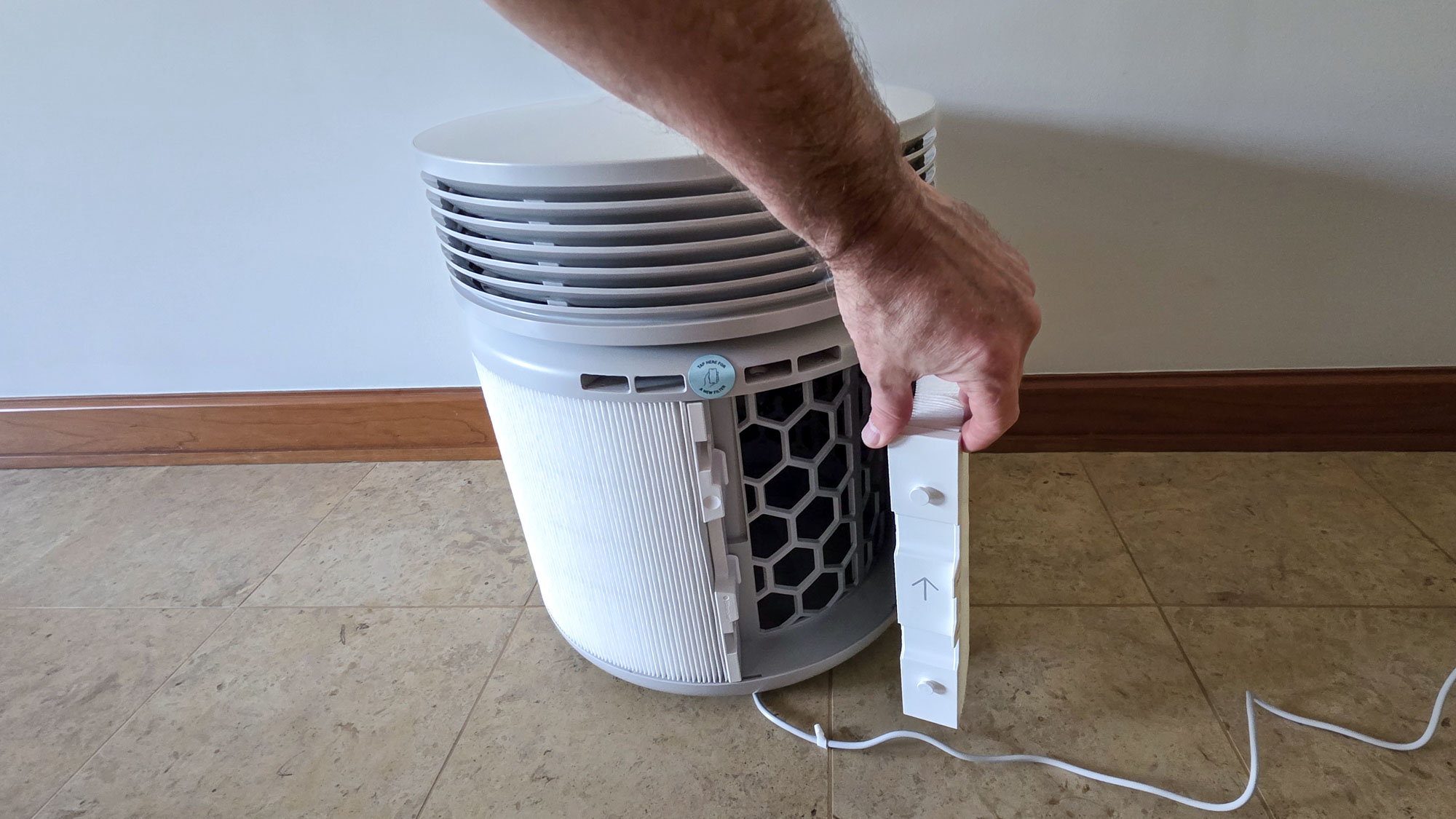
The U.S. Centers for Disease Control and Prevention (CDC) recommends that AC filters be replaced every three months at a minimum. In households with pets or smokers, this frequency should be increased. Beyond standard HVAC filters, the use of portable air purifiers equipped with High-Efficiency Particulate Air (HEPA) filters can significantly reduce the load of airborne particles. HEPA filters are capable of capturing 99.97% of particles that are 0.3 microns in diameter, including many allergens and mold spores. Dr. Christensen advises that when running these purifiers, windows should be kept closed to allow the device to effectively scrub the indoor air volume.
2. Strategic Ventilation
While it may seem counterintuitive to open windows when using an AC, periodic ventilation is essential for flushing out built-up pollutants. This can be achieved through "bedroom burping"—opening windows for a short burst before bed—or the German tradition of Lüften, which involves opening windows wide several times a day to replace stale indoor air with fresh outdoor air. Running exhaust fans in kitchens and bathrooms also helps remove pollutants at their source before they can circulate into sleeping areas.
3. Reduction of VOCs and Fragrances
Managing indoor air quality also involves being a conscious consumer. Choosing low-VOC paints, cleaning products, and furnishings can prevent the long-term "off-gassing" that contributes to poor air quality. Furthermore, limiting the use of aerosol sprays and heavily fragranced products can lower the chemical burden on the respiratory system, allowing the body to focus on recovery during the night rather than processing inhaled irritants.
The Broader Impact and Future Outlook
The intersection of climate control and public health is a growing field of study. As urban environments become denser and the climate becomes more volatile, the reliance on indoor environments will only increase. This shift necessitates a new understanding of "indoor health" that goes beyond mere temperature.
The economic implications are also significant. While homeowners may skip AC maintenance to save on immediate costs, the long-term financial burden of poor sleep—ranging from reduced workplace productivity to increased healthcare costs for respiratory and inflammatory conditions—far outweighs the price of a filter.
Ultimately, the goal of a healthy home environment is to support the body’s natural processes. By recognizing the air conditioner as a sophisticated piece of medical-adjacent equipment rather than a simple appliance, and by taking proactive steps to manage the air we breathe, it is possible to enjoy the cooling benefits of modern technology without sacrificing the restorative power of a full night’s sleep. The "3 a.m. wakeup" does not have to be an inevitable part of summer living; it is a signal from the body that the environment requires adjustment. Through better maintenance and a holistic approach to air quality, the bedroom can once again become the sanctuary it was intended to be.