Nothing Ear 3a Review: Balancing Mid-Range Innovation with Privacy Concerns in the 2026 Audio Market

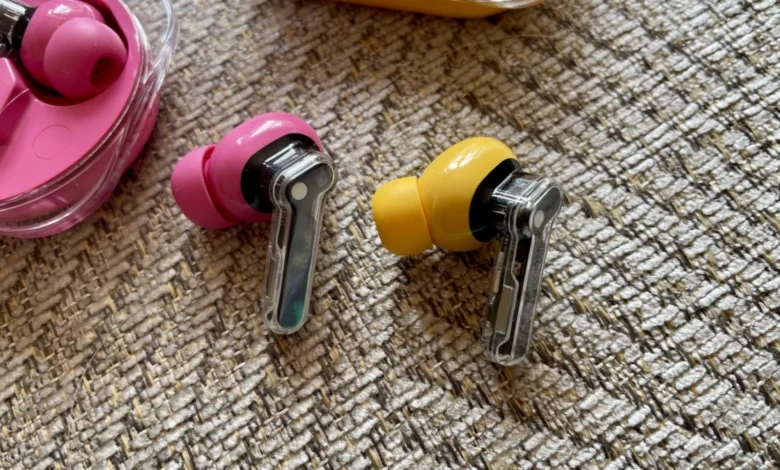
Nothing has officially expanded its audio portfolio with the release of the Nothing Ear (3a), a mid-range successor to the critically acclaimed Ear (a) series. Positioned at a competitive $99 / £99 price point, these earbuds represent the company’s latest attempt to capture the "young, creative, and engaged" demographic. While the device maintains the brand’s signature transparent aesthetic and introduces high-fidelity features like Bluetooth 6.0 and LDAC support, it has also sparked significant debate within the tech community due to the inclusion of controversial call-recording and "Audio Snapshot" capabilities.

The Ear (3a) enters a crowded market where budget-friendly high-resolution audio is becoming the standard, yet Nothing’s decision to prioritize surveillance-adjacent features over traditional hardware upgrades, such as wireless charging or ceramic drivers, marks a distinct shift in the company’s product philosophy.
The Evolution of Nothing’s Audio Strategy
Since its inception in 2020, Nothing, led by OnePlus co-founder Carl Pei, has sought to disrupt the consumer electronics industry through design-led innovation. The company’s audio journey began with the Ear (1) and evolved through several iterations, eventually branching into the affordable "(a)" lineup. The naming convention for the 2026 release—skipping "1a" and "2a" to arrive at "3a"—aligns the budget model with the flagship Nothing Ear (3), signaling a unified generational leap.
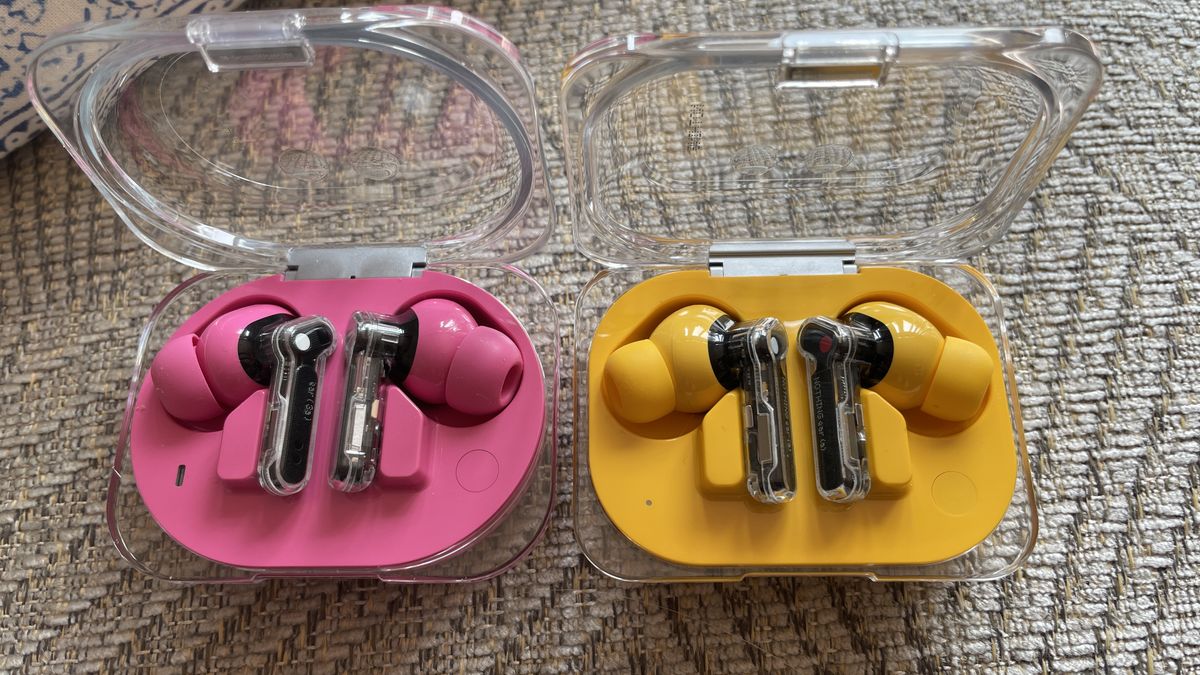
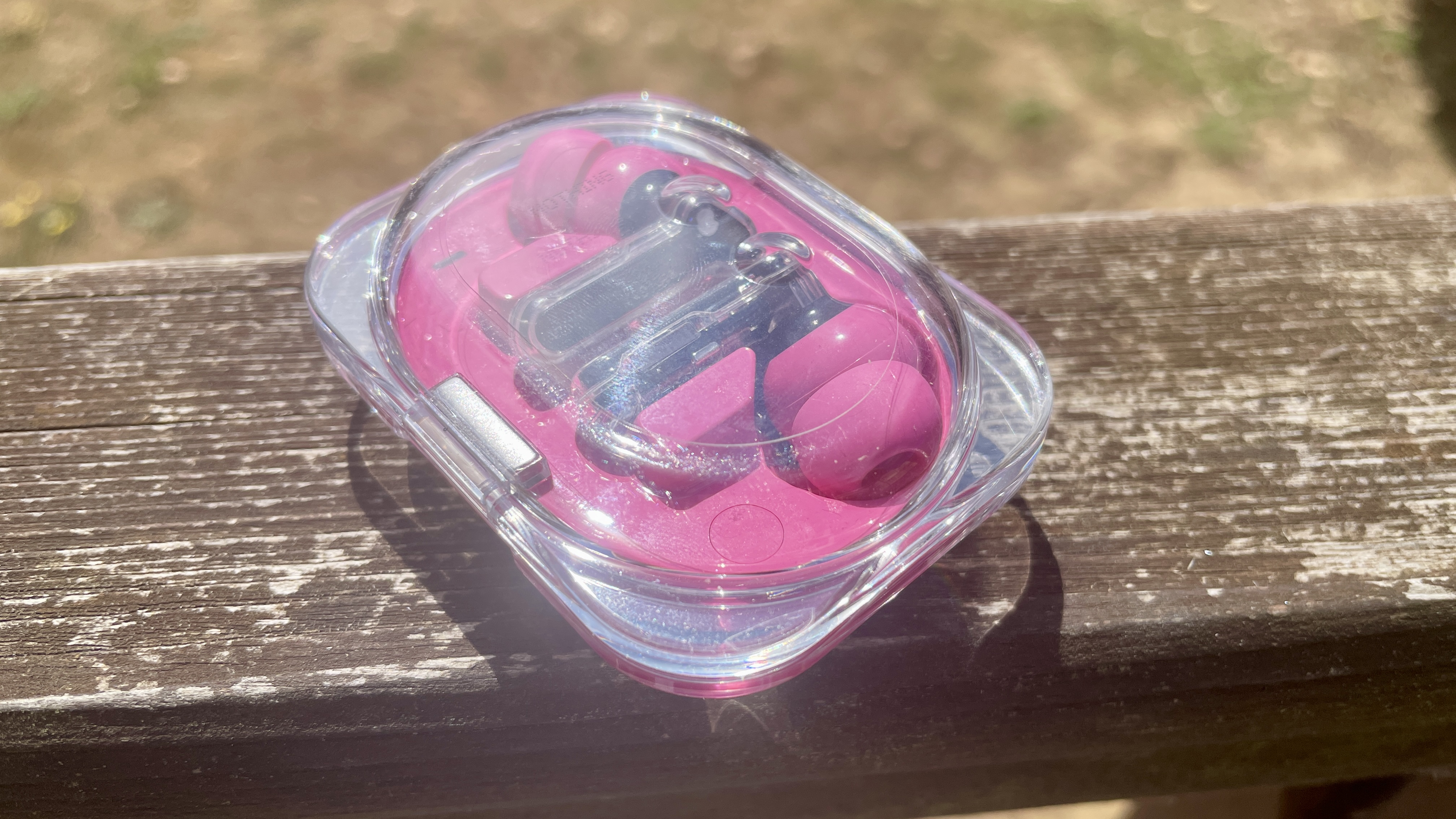
Historically, the "(a)" line has been celebrated for offering premium features at a fraction of the cost of flagship competitors. However, the Ear (3a) departs from this trajectory. Rather than trickling down flagship hardware like the ceramic drivers found in the 2024 premium models, Nothing has focused on software-driven utilities and a playful new color palette, including a striking pink colorway intended to invoke a "sense of play."
Technical Specifications and Performance
The Nothing Ear (3a) features a 12mm custom driver, a 1mm increase over its predecessor. This driver utilizes an aerospace-grade diaphragm designed to provide a more robust soundstage. In terms of connectivity, the device is among the first in its price bracket to utilize Bluetooth 6.0, ensuring a more stable connection and lower latency.

Audio Quality and Codec Support
The earbuds continue Nothing’s commitment to high-resolution audio by supporting LDAC, a Sony-developed codec that allows for streaming up to 32-bit/96kHz at 990kbps. Testing indicates that the sound profile remains "bassy" by default, a characteristic common in consumer-grade earbuds, though this can be mitigated through the updated Nothing X app.
A notable addition is the "Advanced" 8-band Equalizer (EQ), which introduces a "Q Factor" setting. This allows users to control the width and sharpness of frequency adjustments, providing a level of granular control usually reserved for professional audio equipment. Despite these improvements, Nothing has kept its proprietary personalized hearing tests exclusive to the flagship Ear (3) model, requiring Ear (3a) users to rely on manual tuning.

Noise Cancellation and Transparency
The Active Noise Cancellation (ANC) on the Ear (3a) is rated up to 45dB, covering a frequency range of up to 5 kHz. This represents a roughly 17% improvement over the previous generation, aided by a redesigned microphone architecture. The Transparency mode, which allows ambient sound to pass through, has been refined to offer a more three-dimensional acoustic presentation, avoiding the "tinny" sensation often found in budget ANC earbuds.
The Call Recording and Audio Snapshot Controversy
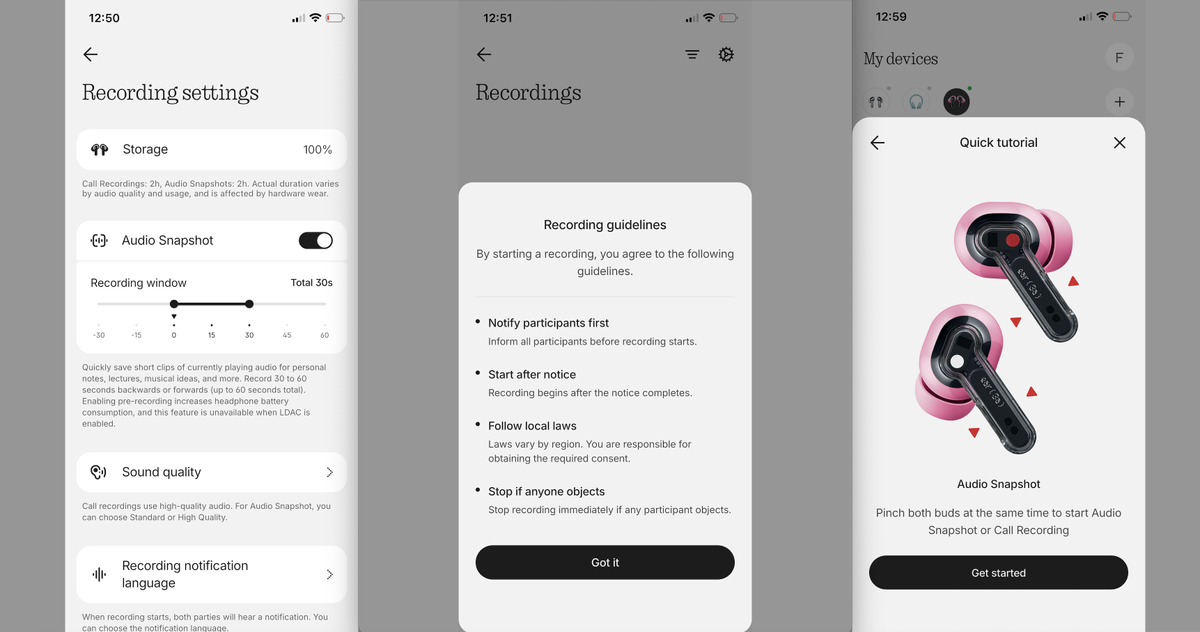
The most significant and polarizing feature of the Nothing Ear (3a) is the introduction of "Audio Snapshot" (also marketed as Audio Capture) and integrated Call Recording. These features allow users to record phone calls, WhatsApp voice notes, and other audio streams directly through the earbuds with a simple pinch of the stems.
Privacy Implications and Legal Compliance
Nothing has stated that the device aligns with international privacy standards, including ISO 27001, ISO 27701, and EN 18031. To comply with legal requirements, the Nothing X app includes a tutorial reminding users to seek consent before recording.
However, the implementation of the notification system has raised concerns. While some platforms like Google Meet provide a clear vocal announcement ("This call will be recorded"), traditional phone calls are often only marked by a brief, discrete beep. Industry analysts have pointed out that this puts the burden of awareness entirely on the party being recorded, who may not recognize the significance of the sound.

The earbuds include 32MB of onboard flash storage, capable of holding up to two hours of audio. Nothing also offers a Pro Transcription service, providing three months of free service (120 minutes per month), with a paid subscription model set to be finalized in late 2024.
Social and Ethical Concerns
The inclusion of "surreptitious" recording technology in a device marketed toward a younger, "fun" audience has drawn criticism from privacy advocates. Comparisons have been drawn to the rise of smart glasses, where the lack of obvious recording indicators has led to public discomfort. Critics argue that branding call recording as a lifestyle feature—rather than a professional tool—normalizes covert surveillance in private conversations.

Design, Ergonomics, and Battery Life
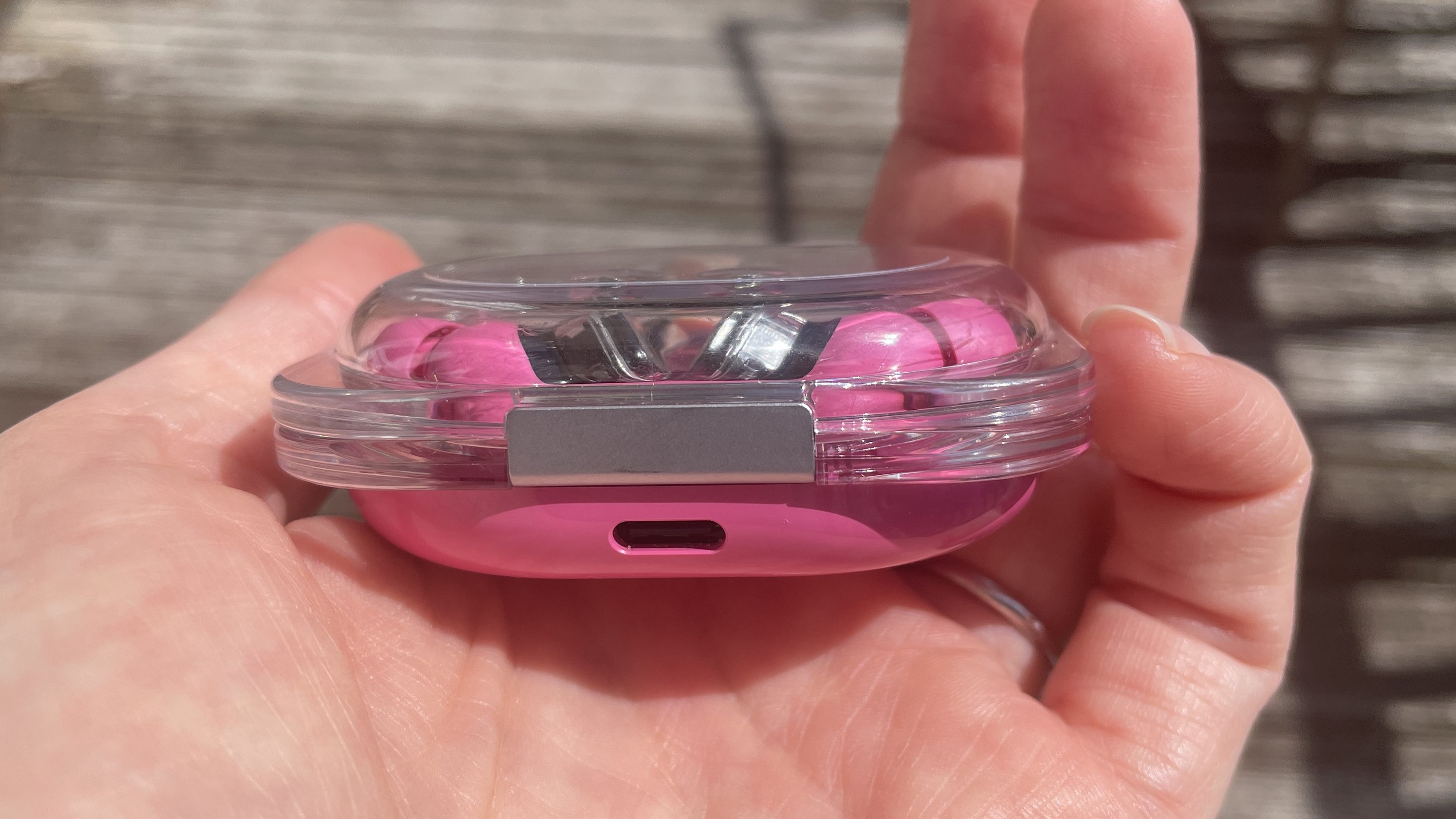
Visually, the Ear (3a) retains the transparent stems that have become synonymous with the brand. The case has been redesigned with 50% curvier edges and a new three-LED status light system that provides six different indications for battery, pairing, and charging.
Build and Comfort
Weight has been slightly reduced to 4.53g per earbud, down from 4.8g in the previous model. Nothing has also expanded the ear-tip options to include an "XS" size, catering to users with smaller ears. While the buds are generally secure, the larger 12mm driver housing may prove bulky for some users during extended listening sessions.
Battery Stamina Regression
One area where the Ear (3a) appears to struggle is battery longevity. The device offers:
- ANC Off: 6 hours (buds) / 25 hours (total with case)
- ANC On: 4.5 hours (buds) / 18 hours (total with case)
These figures represent a notable decrease from the previous Ear (a), which offered 9.5 hours of playback with ANC off. The regression is likely due to the increased power demands of the larger driver, the onboard flash storage, and the processing power required for real-time call recording and AI-driven features like ChatGPT integration.

Market Positioning and Competitive Landscape
At $99, the Nothing Ear (3a) occupies a strategic "sweet spot" in the market, but it faces stiff competition from both established giants and niche audiophile brands.
- Apple AirPods 4: While more expensive, the AirPods offer seamless integration within the iOS ecosystem and advanced gesture controls, though they lack the high-res LDAC support found in the Nothing model.
- Cambridge Audio Melomania A100: Released in mid-2025, these earbuds offer significantly better battery life (11 hours per charge) and aptX Lossless support, appealing more to traditional audiophiles.
- Huawei FreeArc: For users interested in open-ear designs, the FreeArc provides a competitive alternative at a similar price point, focusing on comfort and situational awareness rather than recording features.
Chronology of Product Development
The path to the Ear (3a) highlights Nothing’s rapid development cycle:
- 2021: Launch of Ear (1), establishing the transparent design language.
- 2023: Introduction of the Ear (2) and the first affordable "(a)" series concepts.
- 2024: Release of the Nothing Ear and Ear (a), which received five-star ratings for their value-to-performance ratio.
- 2026: Launch of the "3" generation, integrating AI (ChatGPT) and localized storage for audio capture.
Broader Impact and Industry Implications
The release of the Nothing Ear (3a) serves as a case study for the current state of consumer electronics, where hardware saturation is forcing companies to find new, often controversial, software "hooks." By integrating call recording and transcription into a sub-$100 device, Nothing is democratizing a tool that was previously the domain of specialized business hardware like the Viaim RecDot.
The move toward "Audio Snapshots" suggests a future where every digital interaction is archived and searchable. While this offers utility for journalists and students, it raises fundamental questions about the expectation of privacy in the digital age. As AI-driven summaries and speaker identification are added to the Ear (3a) in future firmware updates (slated for August 2026), the device will transition from a simple pair of earbuds into a powerful personal data harvester.

Conclusion
The Nothing Ear (3a) is a technically capable and aesthetically bold entry into the mid-range audio market. Its support for Bluetooth 6.0 and LDAC, combined with a sophisticated EQ and a fun design, makes it an attractive option for budget-conscious consumers. However, the regression in battery life and the pivot toward covert recording features may alienate long-time fans who valued the brand’s earlier focus on pure audio performance.
As consumer tech becomes increasingly intrusive, the Ear (3a) stands at a crossroads. It offers undeniable value for its price, but it also asks its users to reconsider the boundaries of consent and privacy in their daily communications. Whether this "sense of play" will be embraced by the creative youth or rejected as a step too far in the direction of surveillance remains to be seen.