GoPro announces Mission 1 prices, and point and shoots are now in big trouble

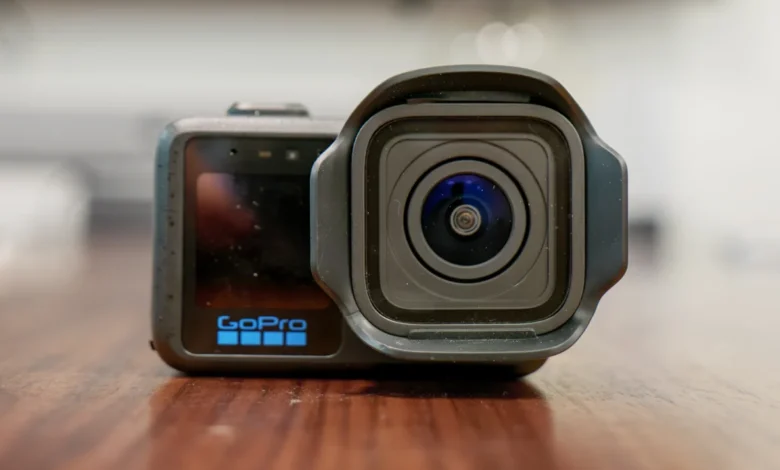
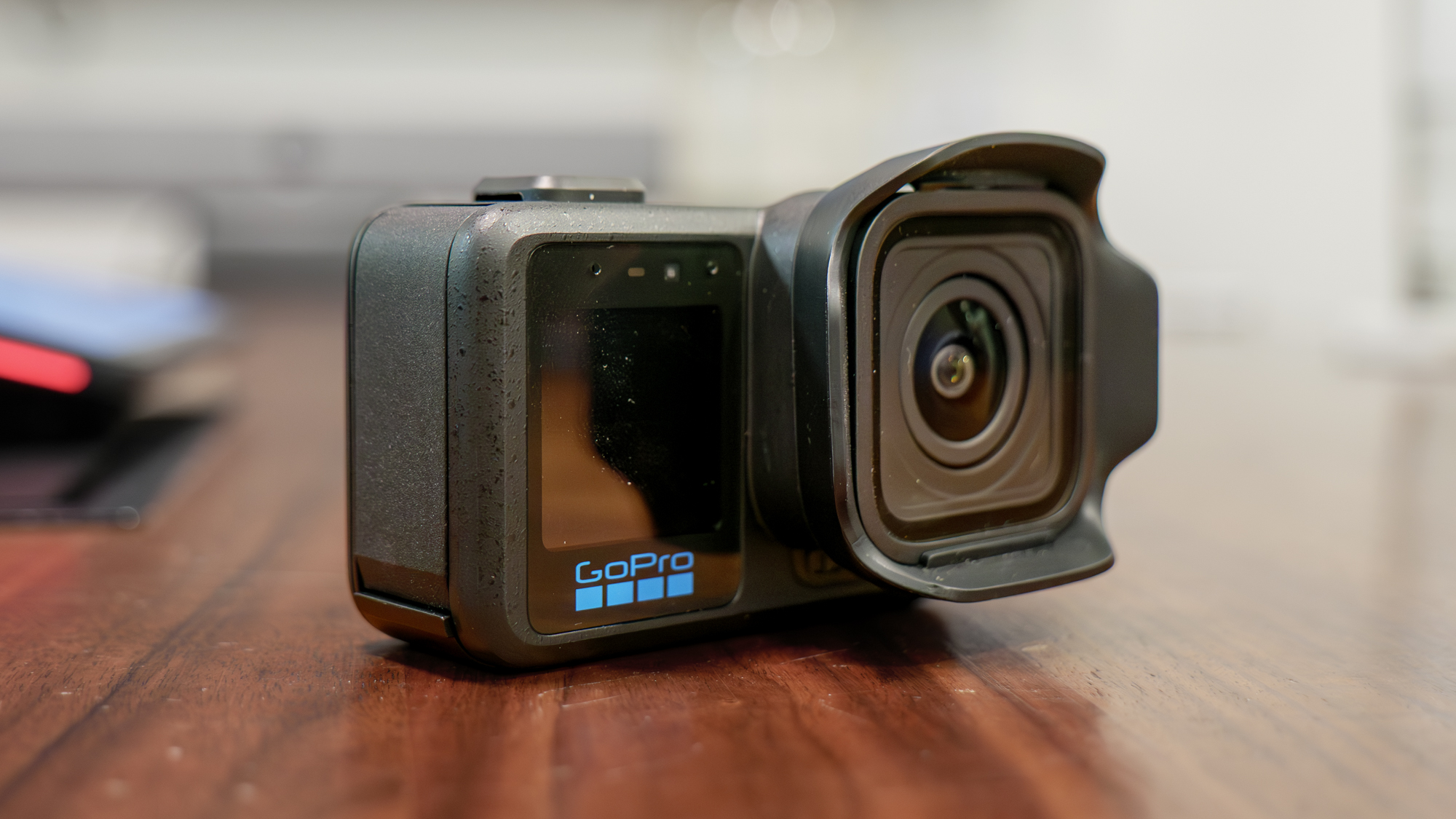
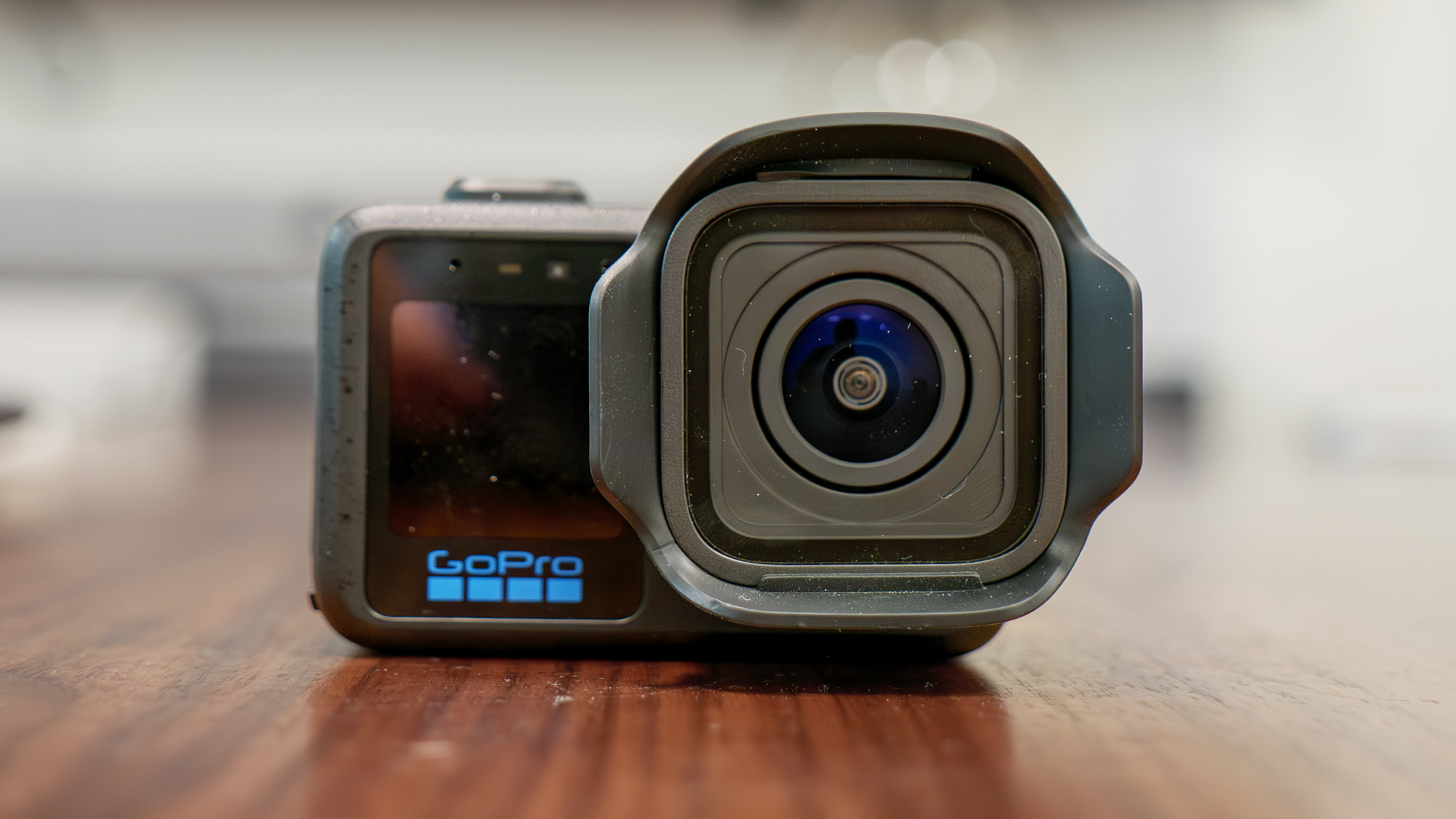
GoPro has officially disrupted the professional imaging market by unveiling the aggressive pricing structure for its highly anticipated Mission 1 series. Positioned as a bridge between traditional action cameras and high-end cinema equipment, the Mission 1 lineup represents a significant strategic pivot for the California-based company. By offering a professional-grade 8K cinema camera starting at $499 for existing subscribers, GoPro is placing direct pressure on established manufacturers in the Micro Four Thirds (MFT) and premium point-and-shoot segments. The series, which includes the Mission 1, Mission 1 Pro, and the groundbreaking Mission 1 Pro ILS, seeks to redefine what creators can expect from a pocket-sized device, combining rugged portability with internal specifications previously reserved for much larger, more expensive rigs.
Core Specifications and Technological Evolution
The Mission 1 series is built around a new 50-megapixel 1-inch sensor, a substantial upgrade from the smaller sensors typically found in the action camera category. This larger physical sensor size allows for improved light gathering, greater dynamic range, and a shallower depth of field, which are essential components of the "cinematic look" sought by professional filmmakers. Powering these sensors is a proprietary new processor designed to handle the massive data throughput required for 8K video recording.
Beyond resolution, the Mission 1 series introduces "Open Gate" recording. This feature allows the camera to utilize the full 4:3 aspect ratio of the sensor, providing creators with the flexibility to crop their footage for various platforms—such as 9:16 for social media or 16:9 for traditional broadcast—without losing significant image quality or field of view. Furthermore, the cameras are capable of achieving staggering frame rates, including 960 fps slow motion, providing a level of temporal resolution that surpasses most flagship smartphones and many dedicated mirrorless cameras currently on the market.
The Professional Ecosystem: Models and Pricing Tiers
GoPro’s pricing strategy is clearly designed to reward brand loyalty while lowering the barrier to entry for professional-grade gear. The company has implemented a $100 discount across the entire lineup for active GoPro subscribers who purchase through the official website. This move is expected to bolster GoPro’s recurring revenue model while simultaneously clearing a path for hobbyists to upgrade to "Pro" hardware.
The lineup is categorized into several distinct editions, each tailored to specific production needs:
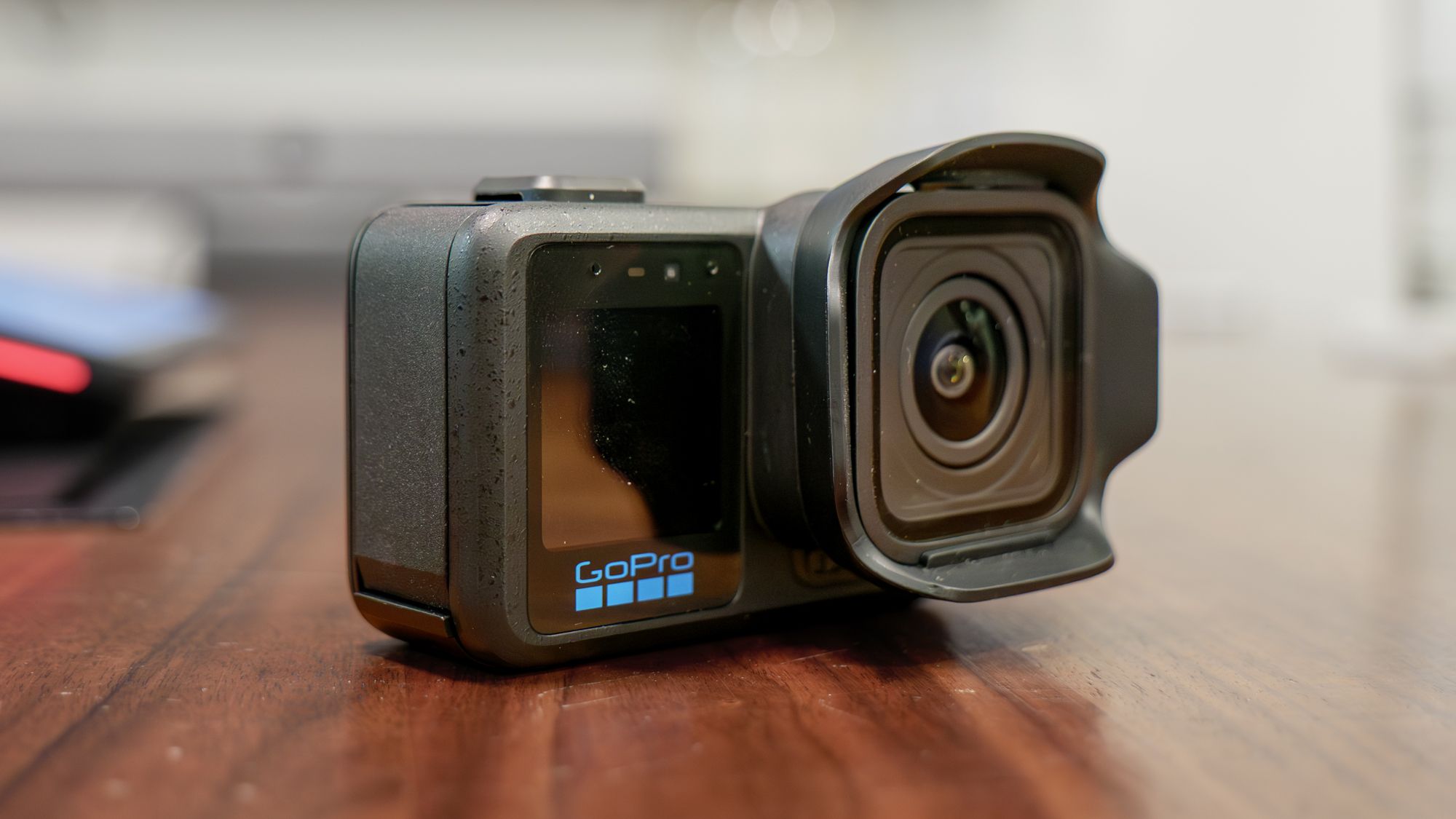
- Mission 1 Pro Grip Edition ($799.99): This package is designed for run-and-gun shooters. It includes a versatile grip with integrated controls, multiple cold shoe mounts for lights or microphones, 1/4-20 threaded holes for tripod mounting, and a magnetic latch system for rapid deployment.
- Mission 1 Pro Creator Edition ($1,099.99): Aimed at vloggers and independent journalists, this edition includes the Mission 1 Series Media Mod, a built-in directional microphone, the Volta 2 battery grip for extended shooting sessions, and a Wireless Mic Complete Kit to ensure high-fidelity audio.
- Mission 1 Pro Ultimate Creator ($1,999.99): The flagship bundle serves as a complete production studio in a box. It features the GoPro Fluid Pro AI gimbal for mechanized stabilization, the Light Mod 2 for professional-grade illumination, and the full suite of audio and media modules.
The most significant addition to the lineup, however, is the Mission 1 Pro ILS. By incorporating a Micro Four Thirds mount, GoPro is allowing users to attach professional interchangeable lenses. This effectively transforms the camera from a wide-angle action tool into a versatile cinema camera capable of using telephoto, prime, or macro glass.
Release Timeline and Availability
GoPro has scheduled a staggered rollout for the Mission 1 series to manage global demand and finalize the software integration for the more complex models. Pre-orders for the primary units opened today, signaling the start of a new era for the company’s hardware cycle.
- Phase 1 (May 28, 2026): The standard Mission 1, Mission 1 Pro, and the Mission 1 Pro Grip Edition will begin shipping to customers. This initial release focuses on the integrated-lens models that are expected to see the highest volume of sales.
- Phase 2 (Q3 2026): The more specialized configurations, including the Creator Editions and the Mission 1 Pro ILS (Interchangeable Lens System), are slated for release between July and September 2026. This delay allows GoPro to refine the lens metadata communication and the AI-driven stabilization algorithms required for third-party optics.
Market Impact: The End of the Point-and-Shoot?
The introduction of the Mission 1 series poses an existential threat to the traditional point-and-shoot camera market. For over a decade, smartphones have slowly eroded the demand for entry-level compact cameras. However, high-end compacts like the Sony RX100 series or the Ricoh GR III have remained popular due to their superior sensors and specialized optics. GoPro’s move to a 1-inch sensor—paired with 8K video and ruggedized housing—essentially eliminates the remaining advantages of those traditional compacts.
Industry analysts suggest that the Mission 1 Pro ILS, in particular, could cannibalize sales from the Micro Four Thirds ecosystem. Brands like Panasonic and OM System (formerly Olympus) have long dominated the "small but professional" niche. By offering a camera that is smaller, more durable, and potentially more powerful in terms of raw video specs, GoPro is positioning itself as a primary choice for B-roll footage in major productions and primary-camera use for solo content creators.
John Velasco, a prominent tech analyst who conducted early hands-on testing of the prototypes, noted that the stabilization and low-light performance of the Mission 1 series represent a generational leap. "The Mission 1 makes a compelling argument that the traditional point-and-shoot is finally obsolete," Velasco stated. "When you can get 8K resolution and 1-inch sensor quality in a device that fits in a jacket pocket and survives a drop, the utility of a standard compact camera vanishes."
Strategic Implications for GoPro
This launch is more than just a hardware update; it is a fundamental shift in GoPro’s business identity. Historically viewed as a manufacturer of "adventure toys," GoPro is now positioning itself as a serious contender in the "Prosumer" and "Professional" cinema space. This transition is essential for the company’s long-term financial health, as the action camera market has reached a point of saturation.
By moving upmarket, GoPro can command higher margins and foster a more professional user base. The emphasis on the subscriber discount also highlights GoPro’s transition into a services-oriented company. By locking professional users into their ecosystem via cloud storage, automated highlight reels, and advanced editing software, GoPro ensures a steady stream of recurring revenue that is less volatile than hardware sales cycles.
Broader Industry Reactions and Future Outlook
While competitors have yet to issue formal statements, the ripple effects are already being felt across the industry. Lens manufacturers are reportedly looking into expanding their MFT offerings to accommodate the influx of new GoPro ILS users. Meanwhile, software developers like Adobe and Blackmagic Design are expected to provide optimized support for GoPro’s new 8K "Open Gate" files to ensure a seamless post-production workflow.
The broader implication for the film industry is the further democratization of high-quality imagery. As the cost of 8K acquisition drops to the $500 mark, the barrier between amateur and professional production continues to thin. The Mission 1 series proves that the future of cinematography may not lie in larger sensors and heavier rigs, but in smarter processors and modular, pocketable designs.
As the May 28 release date approaches, the industry will be watching closely to see if the Mission 1 can deliver on its ambitious promises in real-world conditions. If the thermal management can handle the heat generated by 8K recording and the new AI stabilization holds up against traditional gimbals, GoPro may well have secured its dominance for the next decade of digital imaging. The Mission 1 series is not just a new product line; it is a declaration of intent, signaling that the era of the bulky cinema camera may finally be drawing to a close in favor of a more agile, modular, and accessible future.