Sony PS-LX3BT Turntable Review: A Balancing Act Between Modern Convenience and Entry-Level Value

The Sony PS-LX3BT arrives as a significant release from the Japanese tech giant’s Research and Development department, marking one of the first major updates to their turntable lineup in several years. Positioned as a successor to the widely acclaimed PS-LX310BT—a model frequently cited by audiophiles and casual listeners alike as one of the premier entry-level turntables on the market—the PS-LX3BT carries the heavy burden of high expectations. While the unit succeeds in delivering a seamless, fully automatic experience tailored for the modern era of wireless audio, it faces stiff criticism regarding its construction materials and a pricing strategy that some analysts suggest places it at a disadvantage compared to its immediate rivals.
The Evolution of Sony’s Vinyl Strategy
To understand the context of the PS-LX3BT, one must look at the trajectory of the vinyl revival over the last decade. According to data from the Recording Industry Association of America (RIAA), vinyl records have seen consistent year-over-year growth, recently surpassing CD sales in units for the first time since the late 1980s. Sony, a company that has historically balanced high-end audiophile equipment with consumer-friendly electronics, sought to capitalize on this trend by creating a "bridge" device: a turntable that offers the tactile satisfaction of analog playback with the digital convenience of Bluetooth connectivity.
The PS-LX3BT follows the blueprint of the 2019 PS-LX310BT but attempts to refine the "plug-and-play" philosophy. It was launched alongside a more premium sibling, the PS-LX5BT, which features a more delicate tracking force and enhanced vibration suppression. However, the PS-LX3BT is the model aimed squarely at the "upper-entry" market, designed for those who want a reputable brand name and a foolproof user interface without the complexities of manual tonearm calibration.
Technical Specifications and Design Philosophy
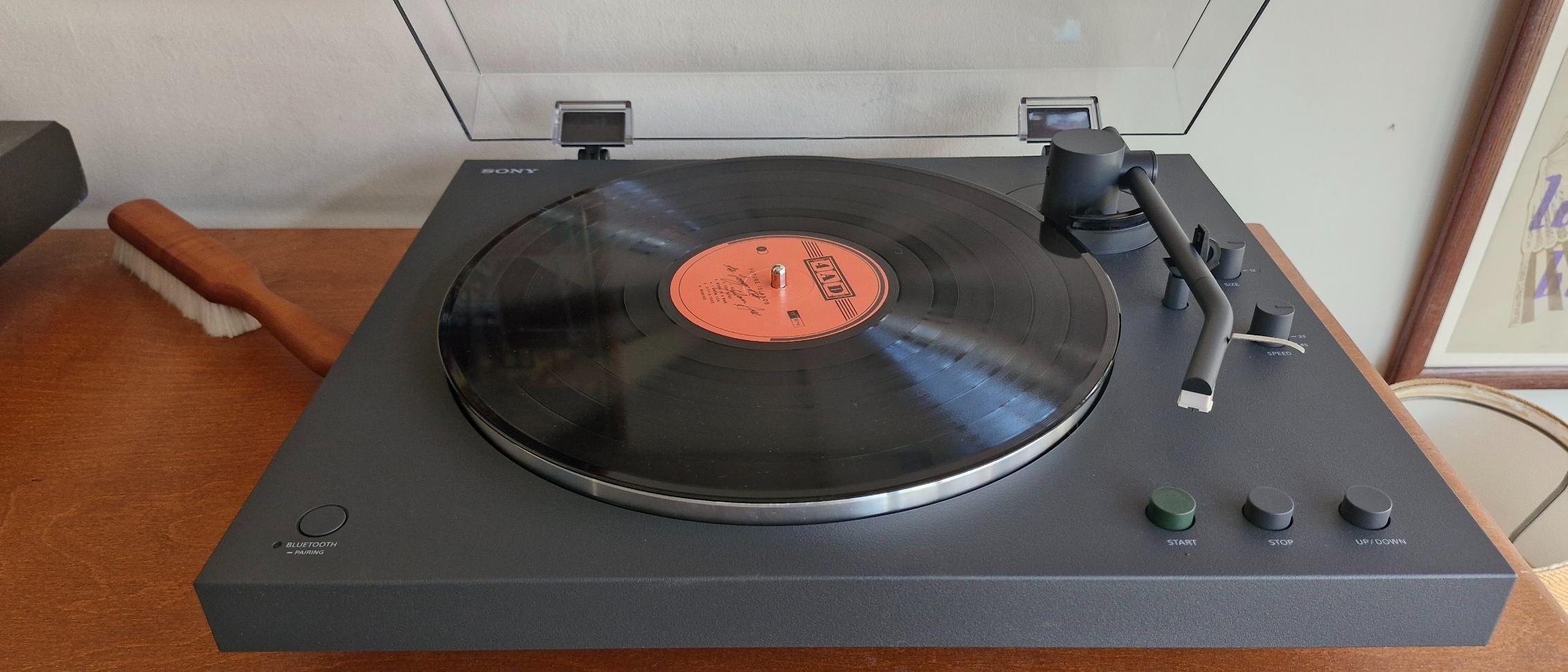
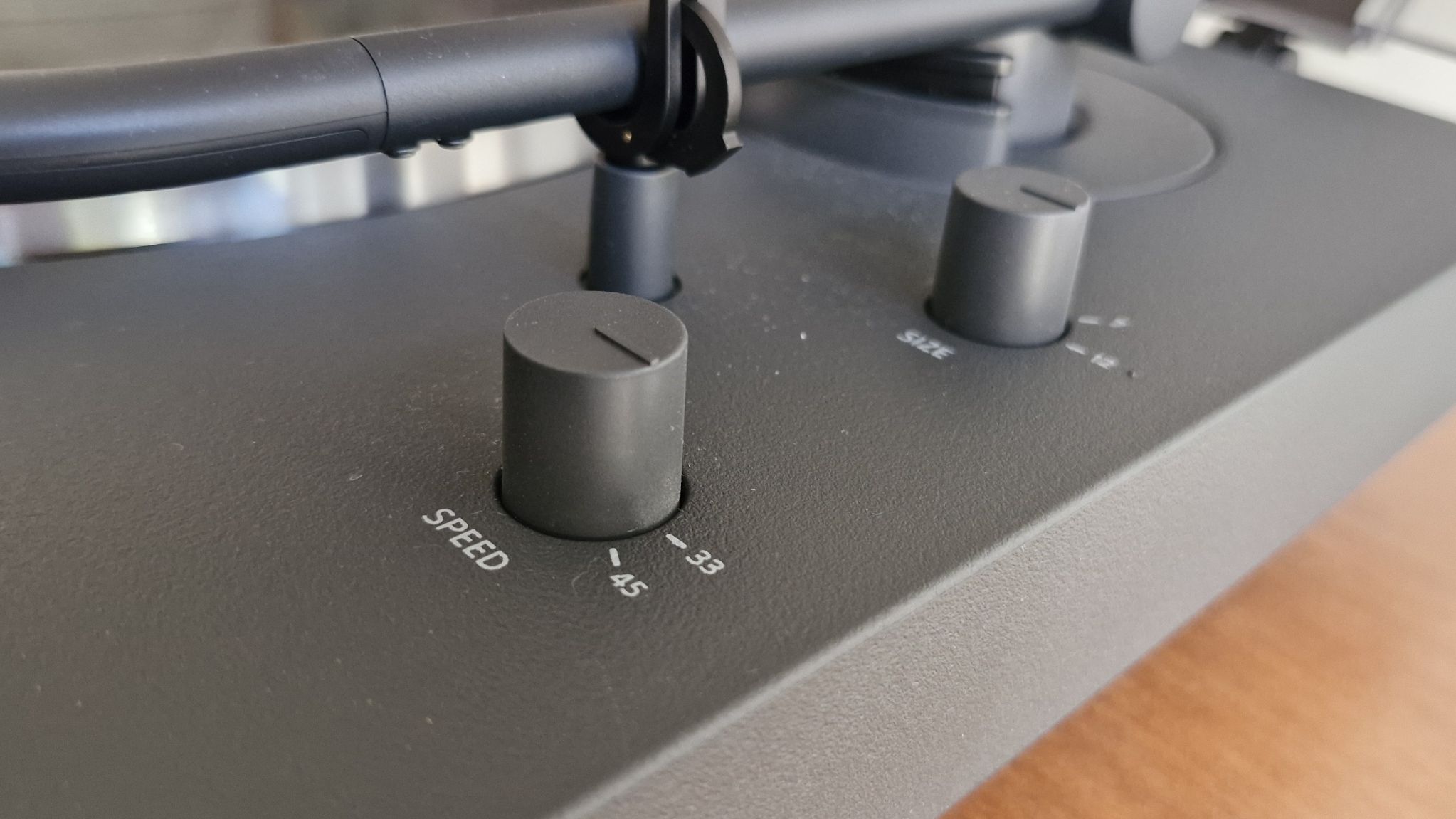
At its core, the Sony PS-LX3BT is a belt-driven, fully automatic turntable. This means that with the press of a single button, the machine handles the lifting, placement, and eventual return of the tonearm. For beginners, this eliminates the primary source of anxiety: the risk of scratching a record or damaging the stylus through manual handling.
The technical breakdown of the unit reveals a mix of high-quality components and cost-saving measures:
- Platter: Die-cast aluminum, providing a stable rotation surface.
- Motor: Belt-drive system supporting 33 1/3 and 45 RPM speeds.
- Connectivity: aptX Adaptive Bluetooth 4.2 and hard-wired RCA analog outputs.
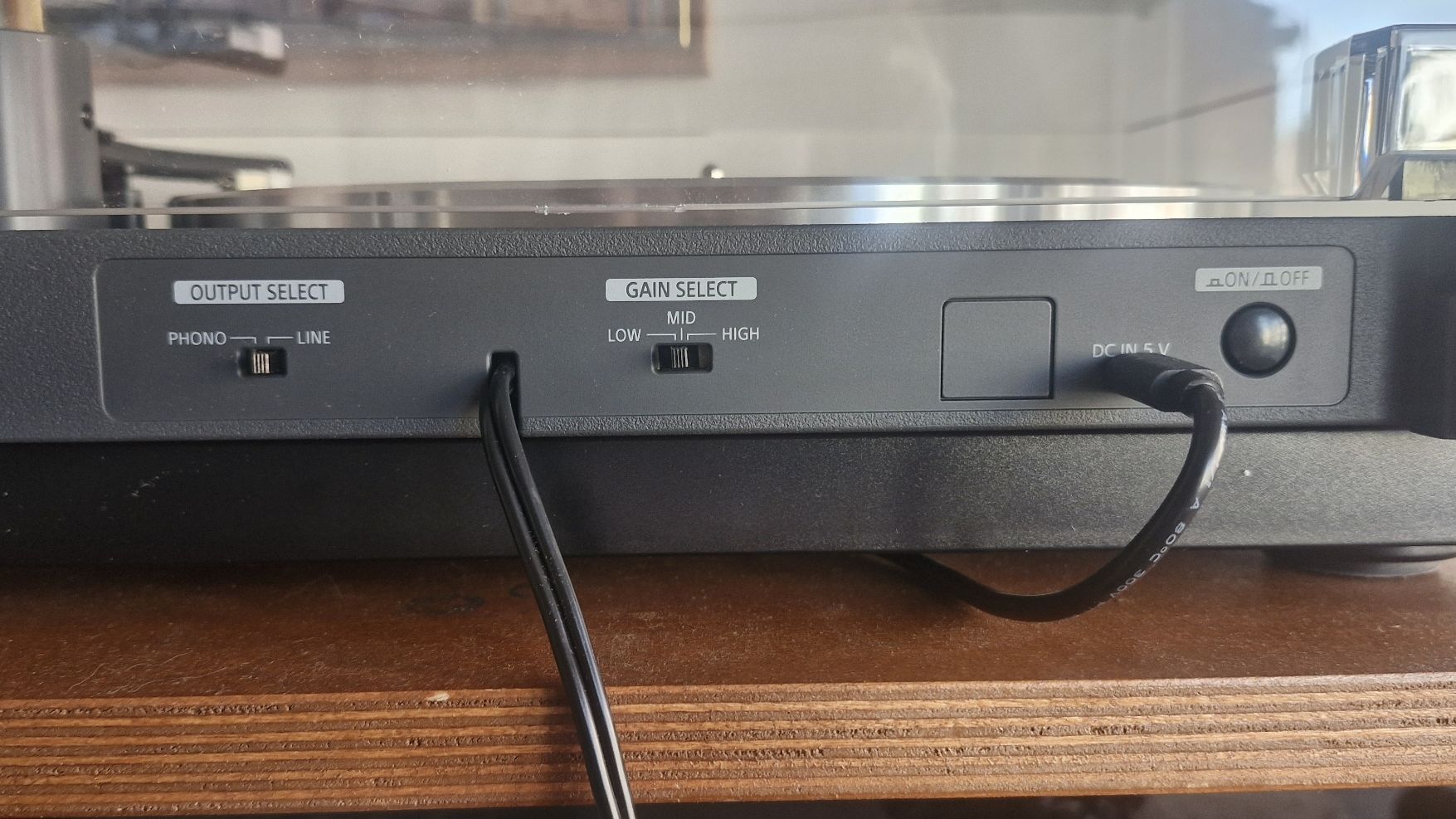
- Audio Stage: Built-in switchable phono preamp with a three-setting gain control (Low, Mid, High).
- Dimensions: 430 mm x 117 mm x 366 mm.
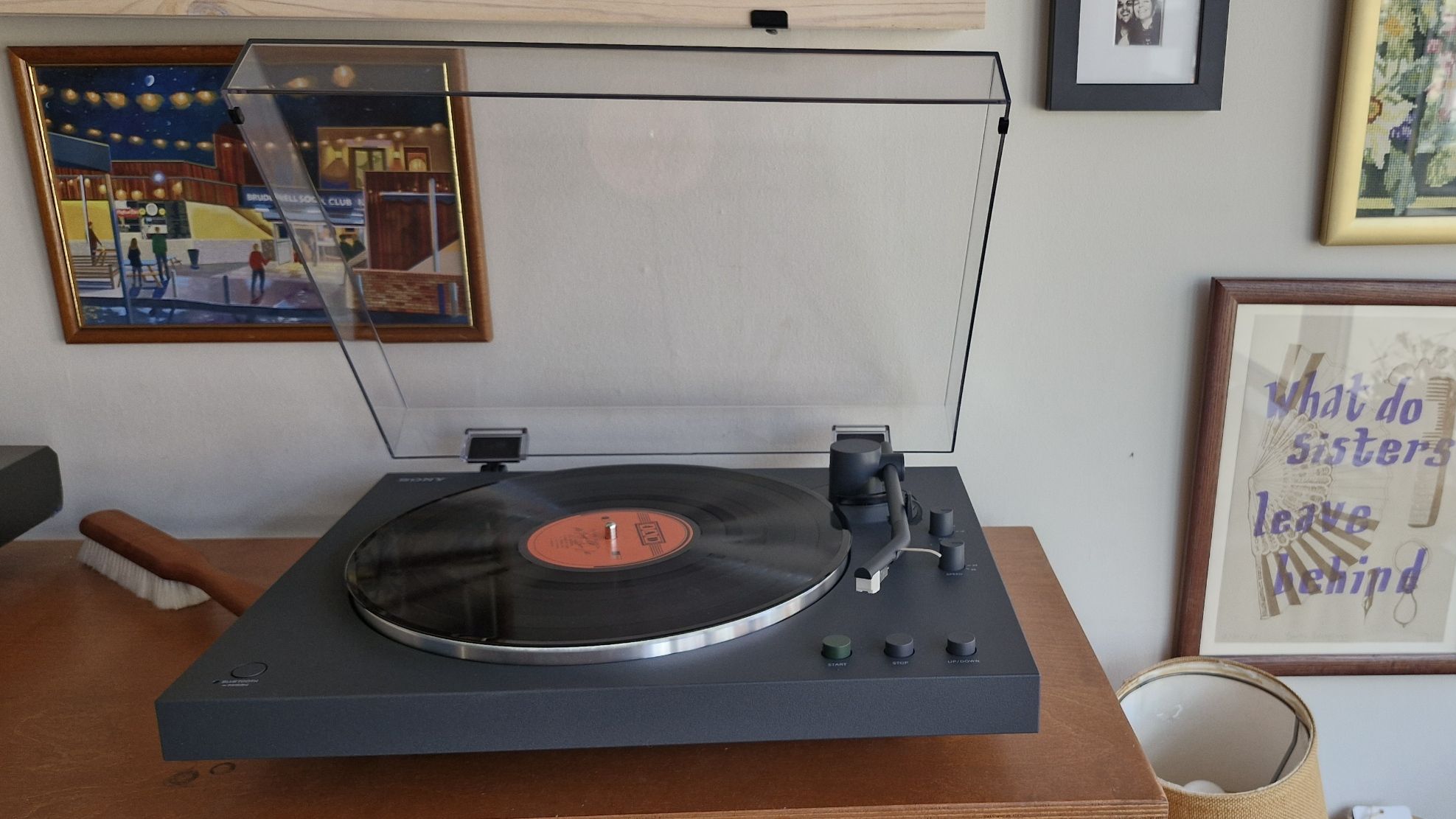
Despite these features, the physical build has drawn scrutiny. The chassis is predominantly constructed from a lightweight plastic, which lacks the dampening mass often desired in turntables to prevent external vibrations from affecting playback. The tonearm rest clasp and the overall "hand-feel" of the unit have been described as surprisingly light for a device retailing at $399 / £299 / AU$469.
Performance Analysis: Audio Quality and Connectivity
In terms of raw sonic performance, the PS-LX3BT performs admirably within its class. The unit utilizes a moving magnet (MM) cartridge, which provides a warm, rounded sound profile that is characteristic of the "vinyl sound" many newcomers seek. During testing with complex arrangements, such as Ryuichi Sakamoto’s Risky or the synth-heavy tracks of Future Islands, the turntable maintained a clear and full output.
The built-in phono preamp is a standout feature. Many budget turntables include preamps that can sound brittle or thin, but Sony has engineered this stage to be robust, allowing users to connect the device directly to active speakers or an amplifier’s line-in port with excellent results. The inclusion of a gain switch—allowing for a ±4dB adjustment—is a thoughtful addition, enabling users to match the turntable’s output volume to other digital sources in their setup.
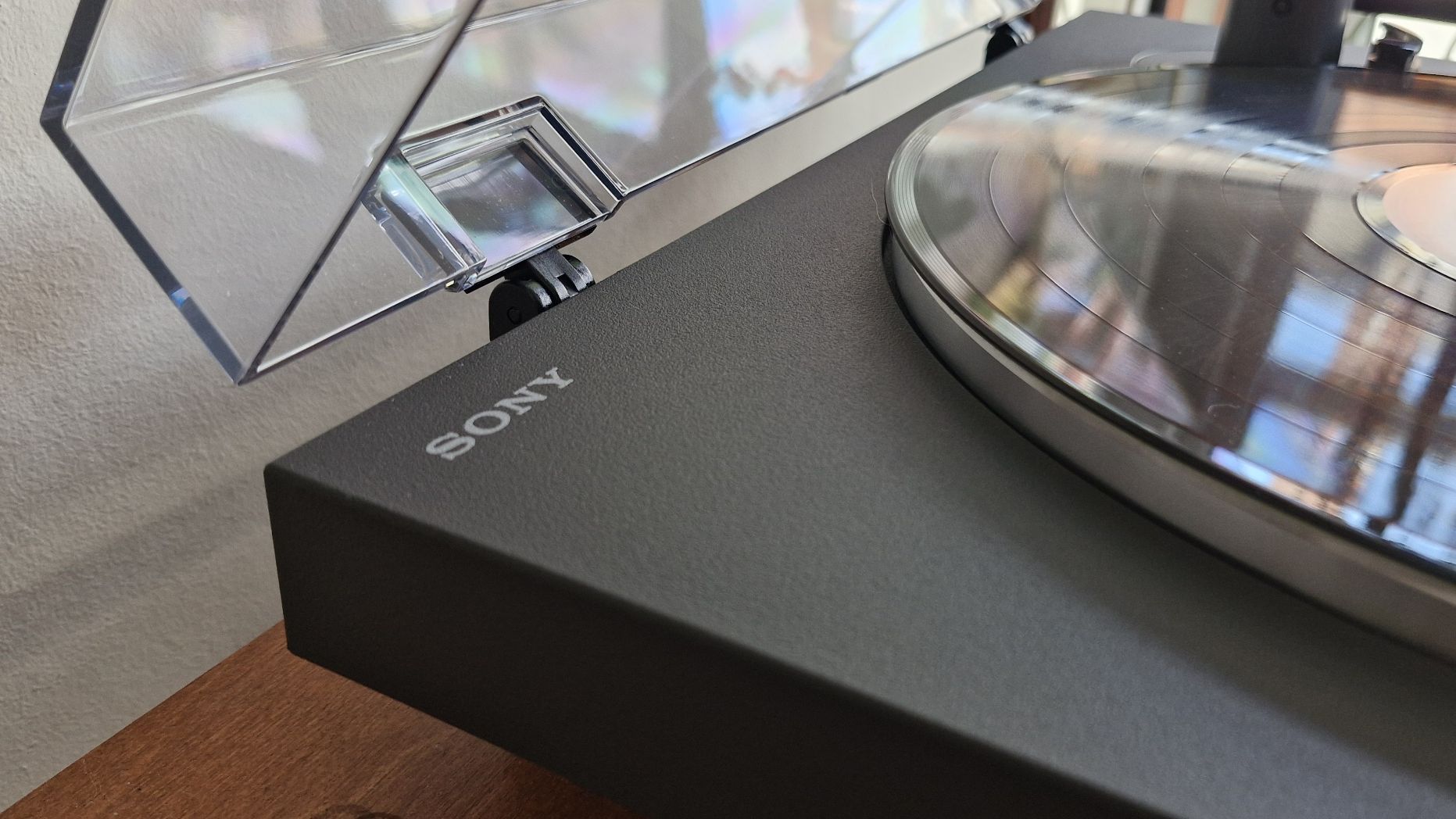
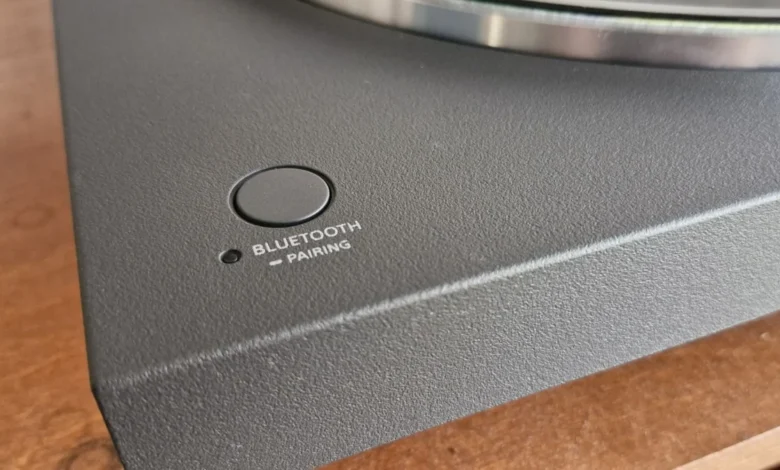
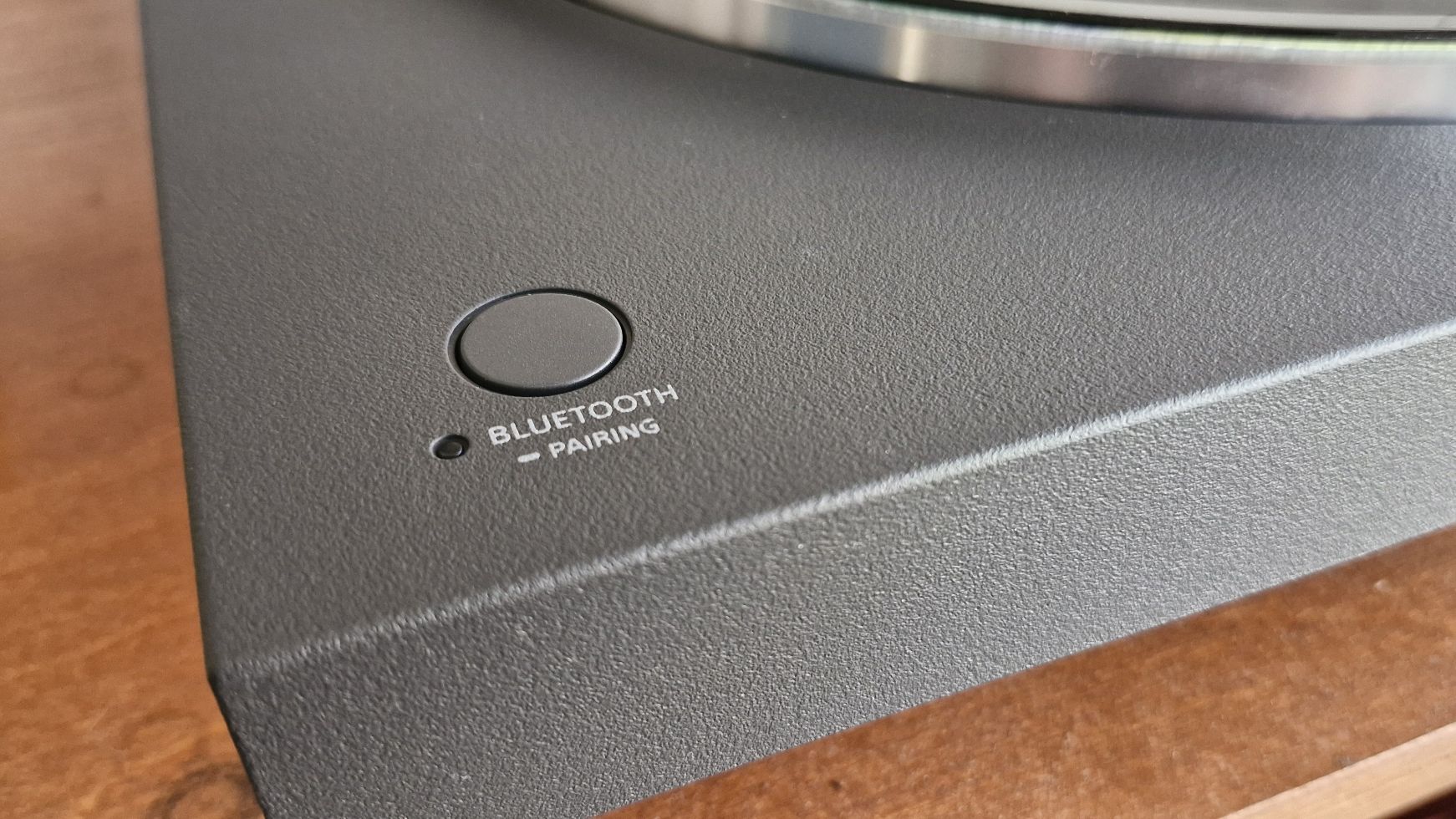
However, the "star of the show" is undoubtedly the aptX Adaptive Bluetooth transmission. Unlike many competitors that use standard Bluetooth codecs, aptX Adaptive allows for low-latency, high-resolution streaming. This ensures that the audio quality remains high even when listening through wireless headphones or portable speakers. The pairing process is notably efficient, often outperforming more expensive systems in its ability to quickly and reliably find and connect to Bluetooth receivers.
The Proprietary Dilemma and Maintenance
A significant point of contention for the PS-LX3BT is Sony’s approach to maintenance and upgrades. The cartridge is integrated into the tonearm, and while the stylus is replaceable, Sony’s official documentation insists that users utilize proprietary Sony replacements.
Independent analysis suggests the stylus is a variant of the Audio-Technica AT-3600 series, specifically the AT3600LAX. However, Sony’s tonearm is factory-set with a tracking force of approximately 3.5g to 3.7g. This is considerably higher than the 2.0g found on the higher-end PS-LX5BT. While a higher tracking force can improve tracking on warped records, it can also lead to faster wear on the vinyl surface over long periods.
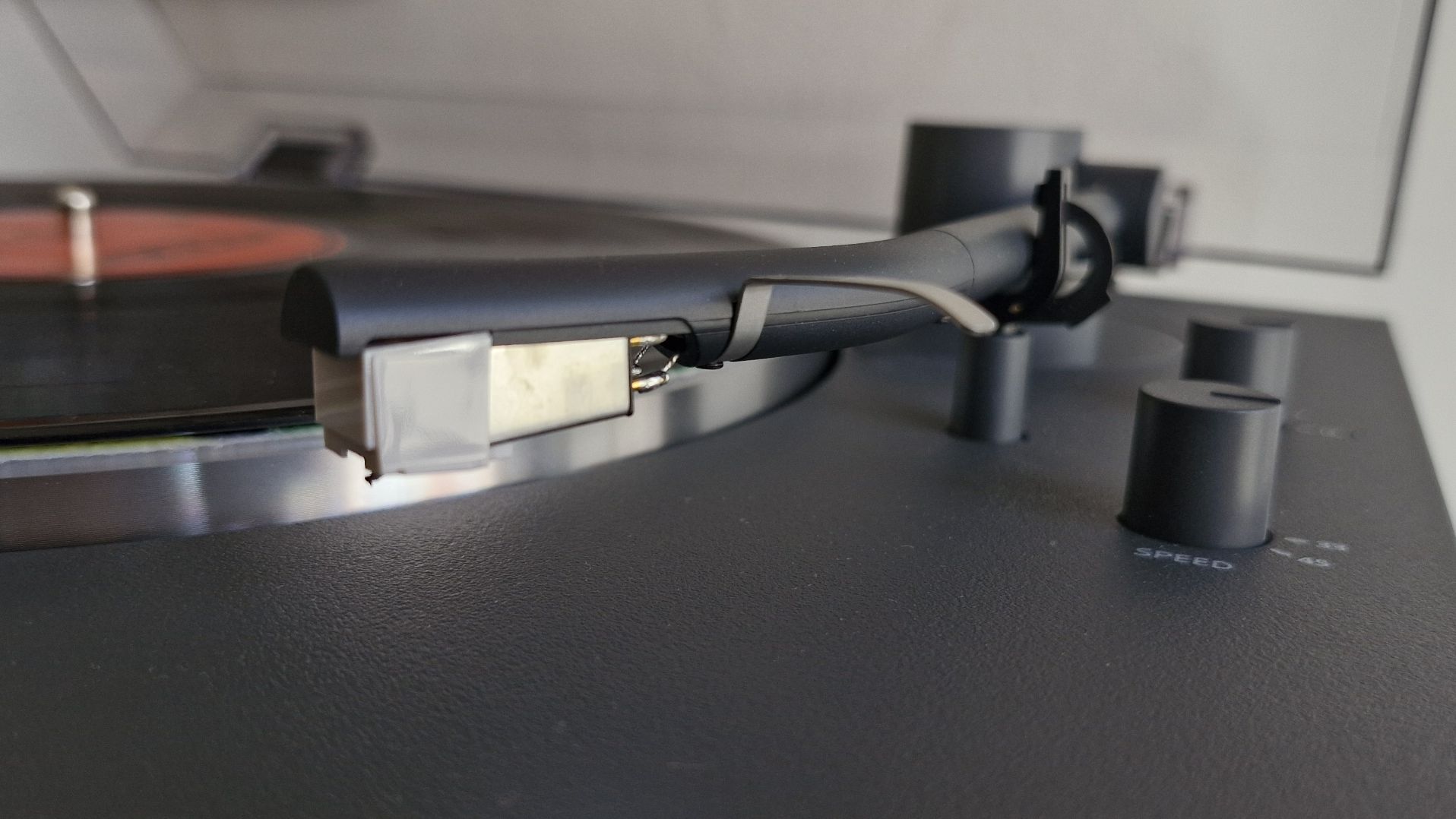
Furthermore, the lack of adjustability means that as a user’s interest in the hobby grows, they cannot upgrade the cartridge to a higher-performance model. This "closed ecosystem" approach contrasts with many other turntables in the $400 price bracket, which typically offer standard headshells and adjustable counterweights.
Comparative Market Data and Value Proposition
The PS-LX3BT enters a crowded marketplace. Its primary competitor, the Audio-Technica AT-LP70XBT, offers similar automatic functionality and aptX Adaptive Bluetooth but often at a lower price point and with a build quality that many reviewers find more substantial.
Comparative Price Points at Launch:
- Sony PS-LX3BT: $399 / £299
- Audio-Technica AT-LP70XBT: ~$249 / £219
- FiiO TT13: ~$299
The "Sony Tax"—the premium paid for the brand name and the sleek, minimalist aesthetic—is evident here. While Sony has recently seen post-launch price adjustments bringing the unit closer to $348 / £250 in some markets, it remains a difficult recommendation for those seeking the best "bang for their buck."
Official Responses and Consumer Sentiment
While Sony has not issued a formal rebuttal to criticisms regarding the plastic construction, the company’s marketing emphasizes "convenience and lifestyle integration." The design is clearly intended for modern, minimalist homes where the turntable is as much a piece of decor as it is a piece of audio equipment.
Industry analysts suggest that Sony’s target demographic is not the "hardcore audiophile" who spends hours calibrating anti-skate settings, but rather the "casual enthusiast" who wants to enjoy their record collection with zero friction. For this demographic, the reliability of the Bluetooth connection and the simplicity of the automatic buttons often outweigh concerns about chassis resonance or proprietary styli.
Broader Impact and Industry Implications
The release of the PS-LX3BT highlights a shifting trend in the audio industry: the "digitalization of analog." By focusing so heavily on Bluetooth and ease of use, Sony is acknowledging that for many consumers, vinyl is an experiential choice rather than a purely sonic one.
The implications for the market are twofold. First, it pushes other manufacturers to improve their wireless integration, which has historically been an afterthought in the turntable world. Second, it creates a divide between "lifestyle" turntables and "hi-fi" turntables. The PS-LX3BT sits firmly in the former camp.
For the long-term health of the vinyl market, devices like the PS-LX3BT serve as an important entry point. However, the lack of an upgrade path means that these consumers may eventually need to replace the entire unit rather than improving it piece-by-piece, a factor that environmental and sustainability advocates have begun to question in consumer electronics.
Conclusion: A Specialized Tool for a Specific User
In summary, the Sony PS-LX3BT is a highly capable, albeit specialized, piece of equipment. It succeeds in its mission to make record playing as simple as possible. Its Bluetooth performance is class-leading, and its audio output is more than satisfactory for the average listener.
The primary drawbacks—the lightweight construction, the high tracking force, and the proprietary nature of its parts—are significant only if the buyer intends to move deeper into the audiophile hobby. For the user who wants a sleek, reliable machine that "just works" and bears the trusted Sony logo, the PS-LX3BT fulfills its promise, provided they can find it at a price that justifies its plastic-heavy build. As the market continues to evolve, the PS-LX3BT stands as a testament to the enduring appeal of vinyl, re-imagined for the wireless generation.