The global personal computing market in July 2026 has reached a significant inflection point, characterized by a transition toward advanced neural processing, the maturation of ARM-based architecture for Windows, and a notable upward shift in entry-level pricing. Industry analysts and hardware evaluators have identified a trend where the traditional "budget" category is being redefined, as the average consumer spend now hovers around $750, while premium devices frequently exceed the $1,200 threshold. This shift is driven by the integration of high-performance AI silicon, such as Apple’s M5 series, Qualcomm’s Snapdragon X2, and Intel’s Core Ultra Series 3, also known by the codename Panther Lake. As the industry grapples with a reported global memory shortage and increased manufacturing costs, the landscape for portable computing has become more complex, requiring a detailed analysis of performance, efficiency, and value.
The Evolution of the 2026 Laptop Market
The current year has seen a dramatic restructuring of product lineups from major manufacturers. Apple, which historically maintained a consistent entry-level price for its MacBook Air, recently implemented a $200 price increase, moving the base model from $1,099 to $1,299. Similarly, Microsoft’s Surface Laptop 13.8 has seen its starting price rise to $1,200 for 2024 legacy models, with next-generation Snapdragon X2 configurations reaching as high as $1,700. These adjustments reflect broader economic pressures, including the increased cost of high-bandwidth memory and the sophisticated cooling systems required for modern high-performance chips.

Despite these rising costs, the efficiency of modern laptops has never been higher. The 2026 generation of processors allows for battery life that consistently exceeds 10 to 15 hours of real-world use, a standard that was previously reserved for only the most expensive enterprise-grade machines. This efficiency is largely credited to the "ARM revolution" in the Windows space, led by Qualcomm, and Apple’s continued refinement of its proprietary silicon.
Chronology of Technical Milestones (2024–2026)
To understand the 2026 hardware landscape, it is necessary to examine the timeline of development that led to the current state of the market:
- Late 2024: Intel launches Core Ultra Series 2, providing the first major boost to battery life for Windows-based ultra-portables and introducing integrated graphics capable of basic gaming.
- Early 2025: Qualcomm’s Snapdragon X chips begin to dominate the mid-range market, offering ARM-based efficiency that rivals Apple’s M-series for the first time.
- Late 2025: Nvidia releases the RTX 50-series laptop GPUs, setting new benchmarks for mobile gaming and creative performance.
- Spring 2026: Apple unveils the M5 chip, featuring a Neural Engine optimized for on-device generative AI and a GPU that matches previous-generation "Pro" models.
- July 2026: The market sees the widespread rollout of Intel Panther Lake (Core Ultra Series 3) and Qualcomm Snapdragon X2, leading to a new standard of performance but also contributing to the current price inflation.
Leading Recommendations for General Productivity
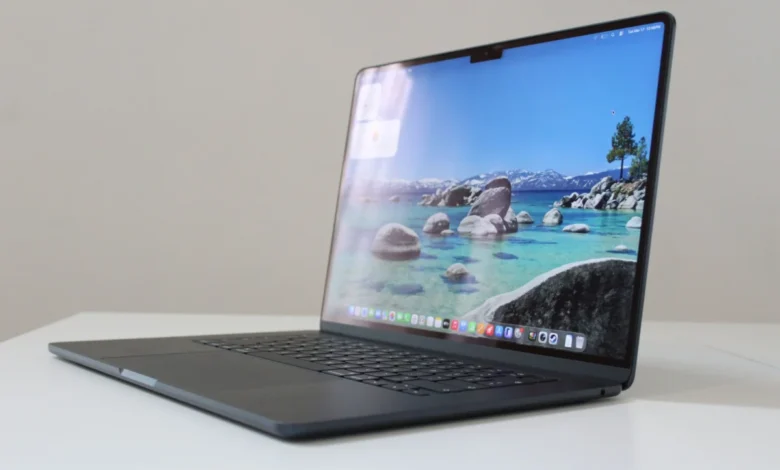
For the average professional or student, the 2026 market offers several standout devices that balance build quality with processing power. The Apple MacBook Air (M5, 2026) remains the primary recommendation for those within the macOS ecosystem. Despite the price hike to $1,299, the device features a fanless design and a GPU capable of handling video editing and moderate gaming—tasks previously reserved for the MacBook Pro.

In the Windows sector, the HP OmniBook Ultra 14 has emerged as the strongest competitor to Apple’s dominance. Utilizing the Snapdragon X2 Elite, the device features a 2880 x 1800 OLED display and three Thunderbolt 4 ports. Analysts note that HP’s decision to transition its high-end consumer lines (formerly Spectre and Envy) to the OmniBook branding has streamlined its portfolio, though the reflective nature of its OLED panels remains a point of technical criticism.
For those seeking value without sacrificing the premium experience, the Lenovo IdeaPad Slim 5x is identified as a top-tier alternative. Priced at approximately $1,150, it offers a 165-Hz OLED display and a robust selection of legacy ports, including HDMI and USB-A, which are increasingly rare in the ultra-portable segment.
The Entry-Level Segment and the Rise of the MacBook Neo
The definition of a "cheap" laptop has shifted toward the $600–$750 range. Apple’s introduction of the MacBook Neo marks a strategic attempt to capture the student and casual user market. Initially launched at $599 and subsequently raised to $699, the Neo prioritizes the display and build quality over internal specifications. While it is limited to 8 GB of RAM and utilizes slower storage modules, it provides the most premium physical experience available under $700.

In contrast, Windows manufacturers continue to offer better raw specifications at lower price points. The HP OmniBook 5, often discounted to around $630, provides 16 GB of RAM and 512 GB of storage, doubling the memory of the MacBook Neo. However, these budget Windows machines often compromise on touchpad quality and chassis rigidity.
The Chromebook market is also undergoing a transformation. The Lenovo Chromebook Plus 14, once a staple of the budget segment, has seen its price climb to $849, leading many to question its viability against full-featured Windows laptops. Industry reports suggest that higher-priced Chromebooks may eventually be phased out in favor of a new platform currently referred to as "Googlebooks," which aims to offer a more integrated cloud-computing experience.
High-Performance Computing and Gaming
For creative professionals, the 16-inch M5 Max MacBook Pro stands as the industry benchmark. The 2026 model features significantly boosted memory bandwidth and a Neural Engine designed for intensive AI training and media rendering. While the device has become more expensive, its ability to maintain full performance while running on battery power remains unmatched by its Windows counterparts.

The Windows high-performance market has taken two distinct paths:
- Discrete GPU Integration: Machines like the Razer Blade 16 and Asus ProArt P16 continue to use dedicated Nvidia RTX 50-series cards. These offer the highest possible frame rates but suffer from reduced battery life and increased heat output.
- Advanced Integrated Graphics: The Dell XPS 14 represents a new philosophy, utilizing Intel’s Core Ultra X9 chip to replicate the performance of a mid-range discrete GPU (like the RTX 4050) without the associated bulk or power drain.
In the gaming-specific sector, the Lenovo LOQ 15 is recognized as the best value for 2026. Despite a plain aesthetic, it delivers over 60 fps in modern AAA titles at medium settings, utilizing the RTX 5050 GPU. For enthusiasts, the Razer Blade series continues to be the "MacBook of gaming," offering high-end materials and minimalist design at a premium price point.
Supporting Data: Comparative Specifications and Market Trends
| Category | Recommended Model | Starting Price (USD) | Key Processor |
|---|---|---|---|
| Best Overall | MacBook Air (M5) | $1,299 | Apple M5 |
| Best Windows Alt | HP OmniBook Ultra 14 | $1,450 | Snapdragon X2 Elite |
| Best Value | Lenovo IdeaPad Slim 5x | $1,150 | Snapdragon X2 Plus |
| Best Under $1k | Dell 14 Plus | $950 | Intel Core Ultra (Gen 2) |
| Best Budget | HP OmniBook 5 | $630 | Snapdragon X |
| Best Entry Mac | MacBook Neo | $699 | Apple M-series (Base) |
| Best Gaming | Lenovo LOQ 15 | $850 | RTX 5050 / Intel i5 |
Official Industry Responses and Market Implications
Hardware manufacturers have defended the 2026 price increases by citing the "PC Memory Crisis." A spokesperson for a major component supplier stated that the demand for high-speed LPDDR5X memory in AI-capable smartphones and PCs has outstripped global production capacity, leading to a 30% increase in bill-of-materials costs for laptop assemblers.

Apple executives have emphasized that the MacBook Air and Neo lineups are designed for longevity, suggesting that the higher initial investment is offset by the devices’ four-to-six-year usable lifespan. Conversely, Microsoft and its partners (HP, Dell, Lenovo) have focused their marketing on "Copilot+ PC" certification, arguing that the integrated NPUs (Neural Processing Units) provide productivity gains that justify the premium.
Broader Impact and Future Outlook
The current state of the laptop market suggests a widening gap between casual and professional computing. As AI features become more deeply embedded in operating systems, the hardware requirements for a "standard" experience are rising. This has significant implications for digital equity, as the barrier to entry for a reliable, high-performance machine continues to climb.
Looking toward 2027, the industry anticipates the launch of AMD’s Ryzen AI 400 series and the potential stabilization of memory prices as new fabrication plants come online. For now, consumers are advised to prioritize RAM (with 16 GB being the absolute minimum for Windows) and to look for Wi-Fi 7 support to ensure future-proofing. While the 2026 market is more expensive than previous years, the leap in efficiency and on-device intelligence marks the most significant technological advancement in portable computing since the introduction of the original Retina display.