Acer Swift Air 14 Review: Premium Features Meet Practical Compromises in the Sub-$700 Laptop Market

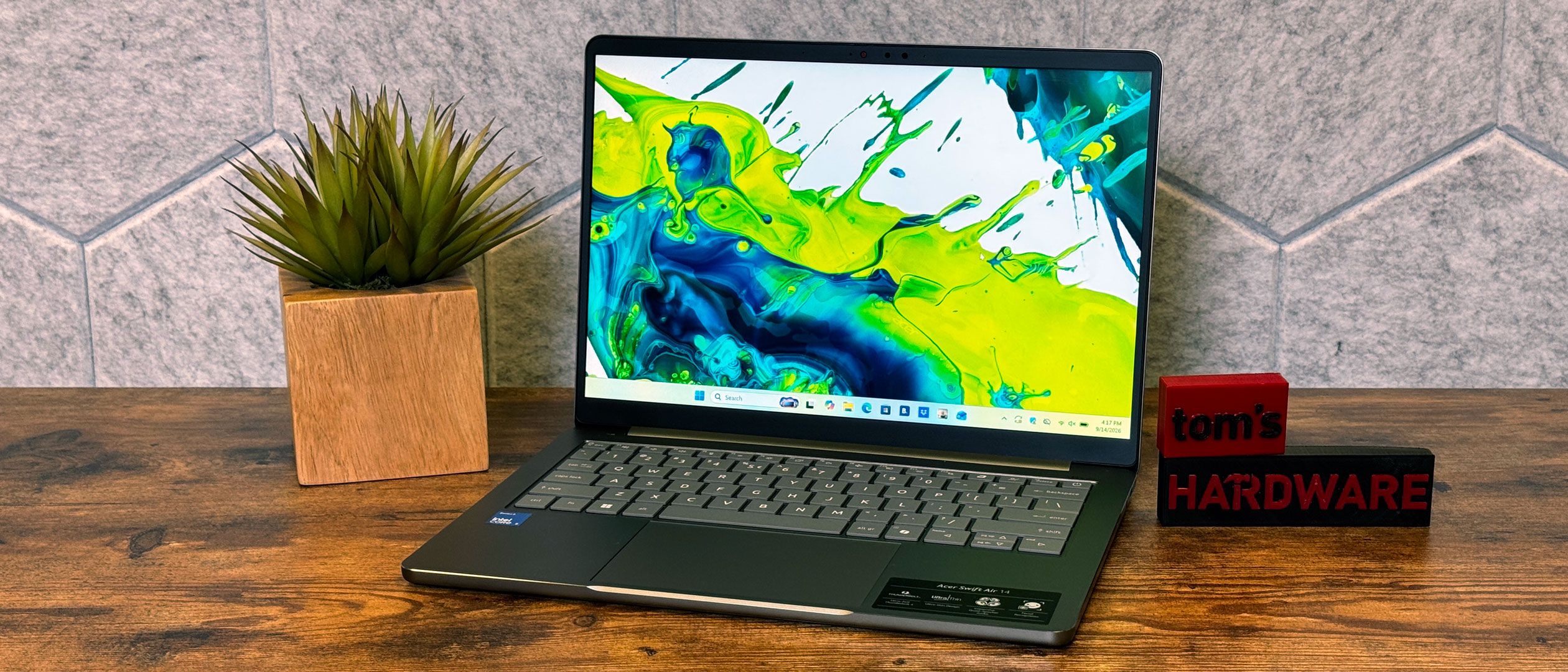
The ongoing evolution of the budget and mid-tier Windows laptop market has continually raised the bar for what consumers can expect at a lower price point. Historically, purchasing a portable computer in the sub-$700 category meant making significant compromises: sacrificing build quality, enduring sluggish performance, dealing with abysmal battery life, or accepting sparse connectivity options that required carrying a dongle for every peripheral. However, manufacturers have increasingly pushed to democratize features once reserved for flagship devices costing well over a thousand dollars. Acer’s latest entry into this fiercely contested arena, the Swift Air 14, represents a calculated attempt to deliver high-end connectivity and exceptional endurance at an accessible $699 price tag.
Tested rigorously by hardware analysts at publications like Tom’s Hardware, the Swift Air 14 carves out a distinct niche by leaning heavily into practical utility. By prioritizing top-tier input/output (I/O) ports—most notably the inclusion of modern Thunderbolt 4 connectivity—and astonishing battery longevity that crosses the 16-hour threshold under standardized testing, Acer hopes to win over mobile professionals, students, and budget-conscious power users. Yet, as detailed in recent hands-on evaluations, these impressive specifications are counterbalanced by certain trade-offs. While the machine succeeds in endurance and connectivity, it highlights the delicate balancing act manufacturers must perform to hit a strict price ceiling without compromising their bottom line.
Main Facts and Specifications of the Acer Swift Air 14
Priced competitively at $699, the Acer Swift Air 14 positions itself as a premium-budget contender. The device’s primary selling points lie in its hardware versatility and endurance, moving away from the bare-bones connectivity that has unfortunately become standard on many ultra-thin laptops in recent years.
Among its standout features is the integration of Thunderbolt 4 ports. For a budget-leaning machine, the presence of Thunderbolt 4 is a notable luxury, enabling rapid data transfer speeds, support for external 4K displays, and versatile charging capabilities through a single universal connection. This level of modern connectivity is rarely seen at this price point, where manufacturers often cut corners by utilizing older USB-C standards or limited USB-A configurations.
Equally impressive is the laptop’s battery performance. In standardized benchmark and real-world usage tests conducted by hardware reviewers, the Swift Air 14 managed to deliver over 16 hours of continuous operation on a single charge. For mobile users who frequently find themselves away from a wall outlet, this longevity transforms the device from a standard productivity tool into an all-day workstation capable of handling back-to-back classes, meetings, or long-haul flights without inducing battery anxiety.
Despite these clear triumphs, the review highlights that the device cuts corners in other notable areas. While the port selection is robust and the battery life is stellar, the display panel leaves room for improvement. Reviewers noted that the screen lacks the peak brightness required to provide a truly luxurious visual experience, which can make outdoor use or viewing in brightly lit offices somewhat challenging. Furthermore, the laptop ships with a noticeable amount of pre-installed software, commonly referred to as bloatware. This software clutter detracts from the out-of-the-box user experience, requiring manual removal to achieve optimal performance and a clean desktop environment.
Background Context and the Evolution of the Budget Laptop Market
To understand the strategic positioning of the Acer Swift Air 14, one must examine the broader trends shaping the personal computer industry over the past several years. Following the unprecedented surge in demand for portable computing devices during the global shift toward remote work and remote education, consumer expectations regarding laptop performance shifted fundamentally. A computer is no longer viewed merely as a supplementary device for casual web browsing; it is an essential tool for daily productivity, communication, and digital life.
Simultaneously, component costs have fluctuated wildly due to global supply chain disruptions, semiconductor shortages, and inflationary pressures. Manufacturers have faced a continuous challenge: how to absorb rising production costs or pass them on to consumers without pricing themselves out of the market. In response, brands like Acer, ASUS, Lenovo, and HP have utilized aggressive product segmentation, identifying specific high-value features that appeal most directly to modern consumers and doubling down on them while economizing elsewhere.
For Acer, the Swift lineage has historically represented a balance between portability and value. The introduction of the Swift Air sub-brand specifically targets consumers who prioritize a lightweight chassis and day-to-day reliability. By focusing on Thunderbolt 4 and battery longevity for the $699 model, Acer has identified two features that statistically rank highest among user priority lists when purchasing a mid-range machine.
Chronology of Development and Review Cycles
The pipeline for releasing a mainstream laptop like the Acer Swift Air 14 involves a meticulous, multi-phase timeline that spans months of design, engineering, software optimization, and third-party validation.
- Conceptualization and Component Selection (Phase 1): Engineers and product planners determine the target retail price—in this case, $699—and map out the bill of materials. Decisions are made to allocate a significant portion of the budget toward securing high-end interface controllers, such as those required for Thunderbolt 4 certification, and high-density battery cells.
- Prototyping and Internal Stress Testing (Phase 2): Early prototypes are assembled to evaluate thermal performance, structural integrity, and battery drain rates. It is during this phase that engineering teams must balance processor power against thermal output, especially within a thin-and-light chassis.
- Software Integration and Partner Bundling (Phase 3): The operating system image is finalized, incorporating OEM utilities alongside third-party software agreements that help subsidize the final retail cost of the hardware.
- Market Launch and Media Distribution (Phase 4): The laptop is officially announced and distributed to major tech publications and independent reviewers for rigorous benchmarking. Independent testing protocols—such as those executed by Tom’s Hardware—put the device through standardized battery drain tests, display color accuracy measurements, and synthetic benchmark suites to evaluate its real-world viability.
- Consumer Availability and Post-Launch Iteration (Phase 5): The device hits retail shelves and online storefronts, where user feedback and ongoing expert reviews inform potential firmware updates or future hardware iterations.
Comparative Analysis: Strengths, Weaknesses, and Industry Standings
When evaluating the Acer Swift Air 14 against its direct competitors in the $600-to-$800 price bracket, a nuanced picture emerges. The laptop market at this price point is fiercely competitive, featuring strong alternatives from legacy manufacturers that excel in different categories.
Where the Swift Air 14 Excels
- Connectivity Leadership: The inclusion of Thunderbolt 4 places the Acer a step ahead of many rivals that rely on standard USB 3.2 ports. This ensures future-proofing for external GPUs, high-speed storage arrays, and advanced docking station setups.
- Exceptional Endurance: Achieving 16+ hours of battery life places the Swift Air 14 in an elite class of ultra-portable machines, rivaling laptops that cost twice as much.
- Pricing Strategy: At $699, it hits a psychological sweet spot for consumers looking for a premium feel without breaching the thousand-dollar barrier.
Where Competitors Hold the Advantage
- Display Quality: Several competing models in the same price tier offer wider color gamuts (such as 100% sRGB coverage) and higher peak nit counts, resulting in punchier visuals and better readability in direct sunlight.
- Build Rigidity: While the Swift Air 14 is impressively light, some competitors utilize sturdier aluminum-alloy chassis that exhibit less flex under pressure, offering a more solid tactile feel.
- Clean Software Experience: Unlike Acer’s software-heavy out-of-the-box configuration, certain competitors offer a nearly stock Windows installation, sparing users the chore of uninstalling bloatware.
Implications for Consumers and the Future of Affordable Computing
The debut of the Acer Swift Air 14 and the critical reception it has received offer valuable insights into the trajectory of the personal computer industry. As technology matures, features that were once considered bleeding-edge—such as advanced interface protocols and multi-day battery efficiency—inevitably trickle down into more affordable product tiers.
However, the laws of manufacturing economics dictate that compromises must be made. Acer’s decision to prioritize ports and battery life over display brightness and a bloatware-free operating system reflects a distinct product philosophy. For mobile professionals, remote workers, and students who spend their days tethered to peripherals and working on documents in controlled indoor lighting, the Swift Air 14 represents a rational, highly functional choice. Conversely, media consumers, graphic designers, and users who prioritize aesthetic perfection and screen fidelity may find themselves drawn to competitors that allocate their budgets differently.
Ultimately, reviews of devices like the Swift Air 14 underscore the importance of consumer discernment in the modern hardware landscape. By understanding the specific design choices made by manufacturers, buyers can better align their purchasing decisions with their daily workflows, ensuring that their investment delivers maximum value where it matters most to them. As competition in the budget-premium sector intensifies, consumers can expect even greater technological advancements to land in the sub-$700 market in the years to come.