RingConn Gen 3 Launches with Strategic Lord of the Rings Partnership Amidst Expanding Smart Ring Market

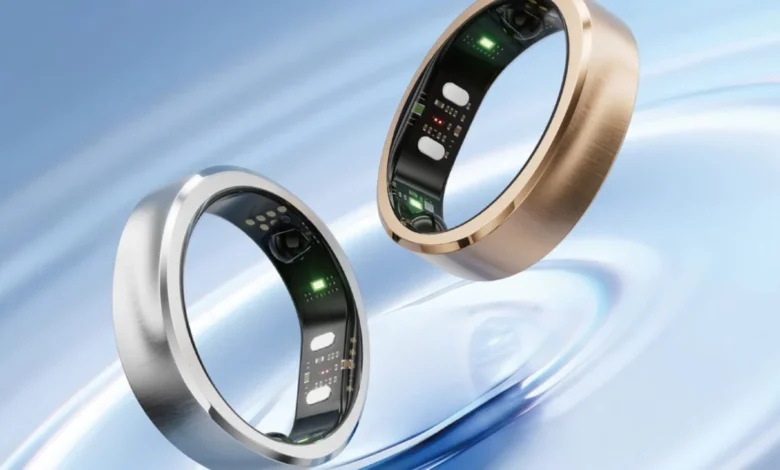
RingConn has officially unveiled its latest iteration, the Gen 3 smart ring, marking its wider release to consumers following an earlier pre-order phase. This launch is distinguished not only by its enhanced health tracking capabilities and extended battery life but also by an unexpected and high-profile collaboration: an official partnership with Warner Bros. to commemorate the 25th anniversary of The Lord of the Rings: The Fellowship of the Ring. This strategic alliance positions RingConn in a unique light within the burgeoning smart wearable market, leveraging a globally recognized cultural phenomenon to capture consumer attention. The device is now available for purchase at $349, aiming to carve out a significant segment in a market largely dominated by competitors like the Oura Ring.
The Evolving Landscape of Smart Wearables and RingConn’s Vision
The market for smart wearables has witnessed exponential growth over the past decade, initially driven by smartwatches and fitness trackers. However, a growing segment of consumers seeks more discreet, less intrusive health monitoring solutions, paving the way for the rise of smart rings. These devices offer continuous, passive data collection without the screen-based distractions of a smartwatch, making them appealing for sleep analysis, activity tracking, and general wellness monitoring. Key players like Oura have largely defined this niche, establishing a benchmark for features, accuracy, and design.
RingConn entered this competitive arena with a clear objective: to offer a compelling alternative that combines robust functionality with user-friendly design and, notably, a subscription-free model. The company’s previous generations laid the groundwork, focusing on core health metrics. With the Gen 3, RingConn seeks to refine this offering, introducing advanced sensor technology and expanding its health insights. The decision to forgo a recurring subscription fee is a significant differentiator, directly challenging the business models of several competitors, including Oura, which requires a monthly fee to unlock the full suite of its data and insights. This approach aims to attract users who prefer a one-time purchase model for their health technology.
A Detailed Look at RingConn Gen 3’s Enhanced Features
The RingConn Gen 3 builds upon its predecessors with a suite of upgraded features designed to provide a comprehensive overview of the user’s health and wellness. At its core, the device is engineered for continuous, passive monitoring, seamlessly integrating into daily life.
One of the primary focuses of the Gen 3 is activity tracking. Beyond basic step counts and calorie expenditure, the ring aims to provide more nuanced insights into daily movement patterns and recovery. While specific details on advanced metrics beyond standard activity tracking are still emerging, the emphasis remains on encouraging a balanced lifestyle and understanding energy expenditure.
Sleep monitoring is another cornerstone feature, a critical area where smart rings excel due to their comfortable, non-intrusive form factor during rest. The Gen 3 tracks sleep stages (REM, light, deep), sleep disturbances, and overall sleep quality. This data is then synthesized to offer personalized insights, helping users identify patterns and make informed adjustments to improve their rest. The ring’s ability to provide continuous heart rate variability (HRV) and blood oxygen saturation (SpO2) data during sleep contributes to a more accurate assessment of recovery and overall physiological state.
A significant advancement in the Gen 3 is its enhanced capability in women’s health tracking. This includes cycle prediction and monitoring, leveraging biometric data to provide more personalized and accurate insights into menstrual health. This feature addresses a growing demand for integrated health solutions that cater to specific physiological needs.
Perhaps one of the most notable health-focused additions is the improved detection and tracking of sleep apnea patterns. Sleep apnea, a common but often undiagnosed condition, can have serious long-term health implications. By monitoring breathing irregularities and oxygen levels during sleep, the RingConn Gen 3 aims to provide early indicators that could prompt users to seek medical advice, thereby potentially contributing to earlier diagnosis and intervention. This feature positions the Gen 3 as a more proactive health tool rather than just a passive tracker.
Beyond data collection, the Gen 3 introduces vibration alerts. These alerts serve multiple purposes, from subtle reminders to move after prolonged periods of inactivity (sedentary reminders) to notifying users of a low battery status. This haptic feedback mechanism enhances the user experience, providing actionable prompts without requiring constant interaction with a screen or app. The device is compatible with both Android and iOS operating systems, ensuring broad accessibility for smartphone users.
Battery life remains a crucial consideration for any wearable device, and the RingConn Gen 3 boasts an impressive up to 14 days of battery life with vibration alerts switched off. Even with alerts enabled, the battery performance is expected to be robust, minimizing the frequency of charging and enhancing the convenience factor for continuous wear. This extended battery life is a significant competitive advantage, offering a more seamless user experience compared to many smartwatches that require daily or every-other-day charging. The subscription-free model, as previously mentioned, further solidifies its value proposition, presenting a one-time investment for long-term health insights.
The Strategic Alliance: Lord of the Rings and Wearable Tech
The decision to link a health-focused smart ring with The Lord of the Rings franchise might initially seem unconventional, yet it represents a shrewd marketing play designed to create significant brand visibility and consumer engagement. The partnership coincides with the 25th anniversary of The Lord of the Rings: The Fellowship of the Ring, a milestone that resonates deeply with a vast global fanbase.
Warner Bros. Discovery, the rights holder for the Middle-earth saga, has a long history of successful brand licensing, leveraging its iconic properties across various product categories. For them, this partnership extends the reach of the Lord of the Rings brand into the rapidly expanding health technology sector, tapping into a demographic that values both innovation and cultural touchstones. It allows the franchise to remain culturally relevant and visible to new generations of consumers while delighting existing fans.
For RingConn, the "One Ring to rule them all" metaphor, while rooted in a narrative of power and corruption, offers an undeniable, albeit ironic, appeal. The allure of a ring with extraordinary capabilities, even if fictional, translates into a subliminal connection with a device designed to provide extraordinary insights into one’s health. It’s a clever juxtaposition that captures imagination. The partnership is not about redesigning the smart ring to glow or grant invisibility; rather, it’s about the symbolic association and the unique promotional incentives.
According to reports, eligible US buyers are set to receive limited-edition extras, though the specifics on the official campaign page (ringconn.com/pages/ringconn-middle-earth) are somewhat general. Further online reports suggest that a select number of qualifying purchasers will receive a digital code redeemable for three movies from The Lord of the Rings and The Hobbit trilogies. This offers a tangible, immediate reward that directly connects to the partnership’s theme, providing added value beyond the device itself. While this might not be the sole deciding factor for every consumer, it serves as a powerful incentive and a memorable brand experience, helping RingConn stand out in a crowded market.
Navigating the Competitive Landscape: RingConn vs. Oura and Beyond
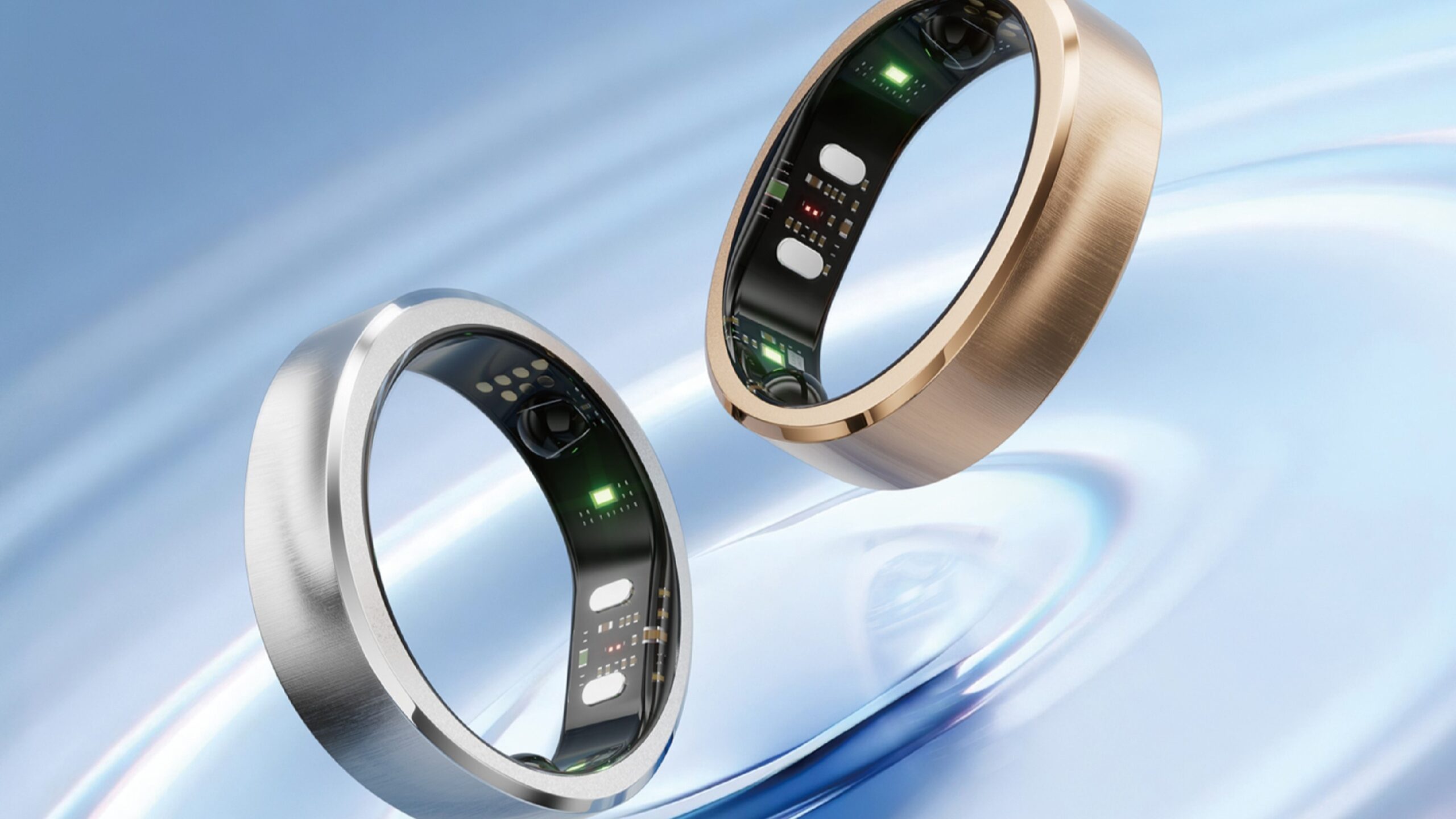
RingConn Gen 3 enters a smart ring market where the Oura Ring has long been the dominant player. Oura has cultivated a strong brand identity, known for its elegant design, comprehensive health insights, and robust ecosystem. However, Oura’s business model, which includes a monthly subscription fee to access its full range of features and historical data, has been a point of contention for some users.
At $349, the RingConn Gen 3 is priced competitively against Oura, which typically starts around $299 for its base model but then adds the recurring subscription cost. Over the lifetime of the device, RingConn’s one-time purchase model could present significant long-term savings for consumers. This strategic pricing, combined with the lack of a subscription, positions RingConn as a value-driven alternative that doesn’t compromise on core functionalities.
In terms of features, RingConn Gen 3 directly competes with Oura’s offerings in activity, sleep, and women’s health tracking. The emphasis on sleep apnea detection in the Gen 3 is a particular area where RingConn aims to differentiate itself, potentially offering a more advanced or focused approach to this critical health metric. Oura also offers similar features but RingConn is attempting to highlight its capabilities in this specific domain.
Beyond Oura, the smart ring market is seeing increasing activity from other players. Ultrahuman, for instance, offers a ring focused on metabolic health and energy optimization. Samsung has also signaled its intention to enter the smart ring market with its Galaxy Ring, expected to bring the full weight of Samsung’s ecosystem and brand recognition to the segment. Furthermore, rumors persist about Apple’s potential entry, which could dramatically reshape the landscape. In this dynamic environment, RingConn’s strategy of combining competitive features, a subscription-free model, and an innovative marketing partnership becomes even more critical for market penetration and sustained growth.
Implications for Consumers and the Wearable Technology Industry
The launch of the RingConn Gen 3 with its unique Lord of the Rings tie-in carries several implications for both consumers and the broader wearable technology industry. For consumers, it signifies increased choice and innovation. The competition among smart ring manufacturers is leading to more feature-rich devices, diverse pricing models, and creative marketing strategies, ultimately benefiting the end-user. The subscription-free model offered by RingConn provides a clear alternative for those who prefer not to commit to recurring payments for their health data.
For the industry, this partnership highlights the growing importance of creative brand collaborations in an increasingly saturated tech market. As hardware capabilities become more standardized, differentiation often comes from software experiences, ecosystem integration, and compelling brand narratives. Leveraging beloved intellectual properties like The Lord of the Rings can create an emotional connection with potential customers that pure technical specifications might not achieve alone. It demonstrates a willingness by tech companies to think outside traditional marketing boxes to capture attention.
Furthermore, the focus on advanced health metrics like sleep apnea detection underscores a broader trend in wearable technology: a shift from mere fitness tracking to more comprehensive, proactive health monitoring. As sensors become more sophisticated and algorithms more intelligent, smart rings are evolving into powerful tools for early detection and management of various health conditions, potentially bridging the gap between consumer electronics and medical devices. This trend points towards a future where wearables play an even more integral role in preventative healthcare.
Chronology of RingConn Gen 3’s Rollout and Partnership Activation
The journey for the RingConn Gen 3 began with its announcement and subsequent pre-order phase earlier in the year, building anticipation among early adopters and tech enthusiasts. The wider official release, coinciding with the activation of the Warner Bros. partnership, marks a critical juncture for the company. The timing of this partnership is meticulously planned to align with the 25th anniversary celebrations of The Lord of the Rings: The Fellowship of the Ring, maximizing its cultural impact and relevance. This strategic calendar alignment ensures that RingConn’s launch benefits from the widespread media attention and fan engagement surrounding the iconic film’s milestone.
Inferred Statements and Corporate Strategy
While direct official quotes beyond the partnership announcement are not readily available in the provided context, the strategic moves by RingConn and Warner Bros. allow for several logical inferences regarding their motivations.
From RingConn’s perspective, the launch of the Gen 3 and the LoTR partnership can be seen as a declaration of intent to aggressively compete in the smart ring market. Their inferred statement would likely emphasize innovation, user-centric design, and the commitment to providing valuable health insights without the burden of ongoing subscription fees. The partnership itself speaks to a bold marketing strategy, aiming to differentiate RingConn not just on technical merits but also through unique brand experiences. They likely aim to convey that their product offers "one ring" for comprehensive health monitoring, subtly playing on the franchise’s theme without directly implying magical powers.
Warner Bros., on the other hand, is likely pursuing a strategy of expanding the reach and commercial viability of the Lord of the Rings franchise. By partnering with a cutting-edge tech company, they tap into a new demographic and demonstrate the enduring appeal and versatility of their intellectual property. Their inferred statement would focus on celebrating the 25th anniversary through innovative collaborations that allow fans to engage with Middle-earth in novel ways, extending the brand’s presence beyond traditional media.
The collaboration itself suggests a mutual understanding of market dynamics: RingConn gains unparalleled brand recognition and a unique selling proposition, while Warner Bros. finds a modern, relevant platform to celebrate a cinematic milestone. The collective strategy is to create a buzz that transcends the typical tech news cycle, reaching broader consumer audiences.
Conclusion: A New Chapter in Smart Ring Innovation and Marketing
The launch of the RingConn Gen 3, coupled with its unprecedented Lord of the Rings partnership, signals a new and exciting chapter in the smart ring market. By combining advanced health tracking capabilities, an attractive subscription-free model, and a culturally resonant marketing campaign, RingConn is making a definitive statement about its ambition to challenge established leaders. The emphasis on features like comprehensive sleep analysis, women’s health tracking, and particularly sleep apnea detection, positions the Gen 3 as a serious contender for health-conscious individuals.
While the "One Ring" tie-in might seem whimsical, its strategic intent is clear: to capture imagination, generate buzz, and ultimately drive adoption in a competitive landscape. As the smart wearable market continues to evolve, with new entrants and increasing consumer demand for discreet, data-rich health devices, RingConn’s Gen 3 and its unique marketing approach will be closely watched. The success of this strategy could set a precedent for how technology companies differentiate themselves and engage with consumers in an increasingly crowded and innovative industry. Just as consumers seek a ring to monitor their health, RingConn hopes this particular ring will rule their choice.