Google Rolls Out Massive November Pixel Drop Bringing Advanced AI Features and Cross-Device Upgrades to Millions of Users

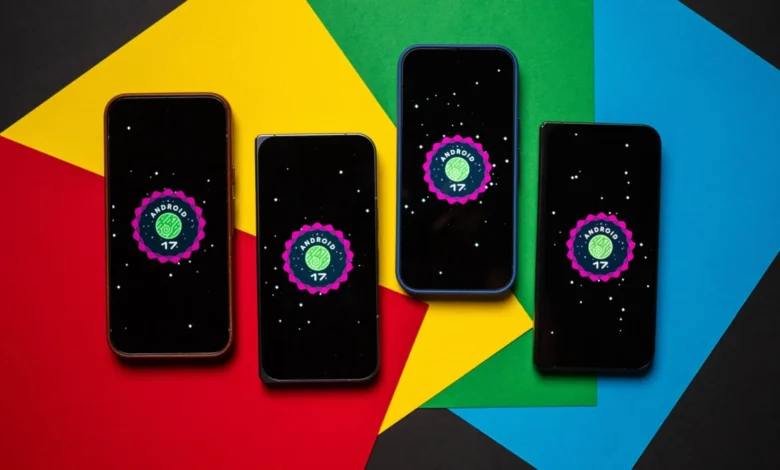
Google has officially launched its highly anticipated November Pixel Drop, delivering a sweeping array of artificial intelligence capabilities, aesthetic home screen customization tools, and deep system integrations across a vast ecosystem of current and legacy Pixel smartphones. Traditionally known for delivering routine maintenance, security patches, and minor bug fixes between major Android operating system upgrades, Google’s seasonal Pixel Drop framework has evolved into a powerhouse delivery mechanism for cutting-edge software engineering. The November rollout is particularly monumental, as it successfully bridges the generational software gap by retrofitting several flagship-tier features—originally engineered exclusively for the latest Pixel 11 lineup—onto last year’s Pixel 10 generation, while simultaneously expanding foundational tools to devices as far back as the Pixel 6 series.
Main Facts and Core Feature Additions of the November Pixel Drop
The centerpiece of the November 2026 software distribution is the deep integration of next-generation Gemini Intelligence capabilities. Pixel 10 series owners will immediately notice the arrival of advanced AI functions such as "Rambler," which significantly enhances Gemini’s contextual comprehension, enabling the assistant to process complex, multi-step queries seamlessly without user handholding. Furthermore, proactive personalized suggestions have been integrated into everyday workflows. For instance, if a user receives an incoming text message inquiring about their estimated time of arrival while actively navigating via Google Maps, the operating system intelligently surfaces contextual actions and quick-response prompts right on the active display.
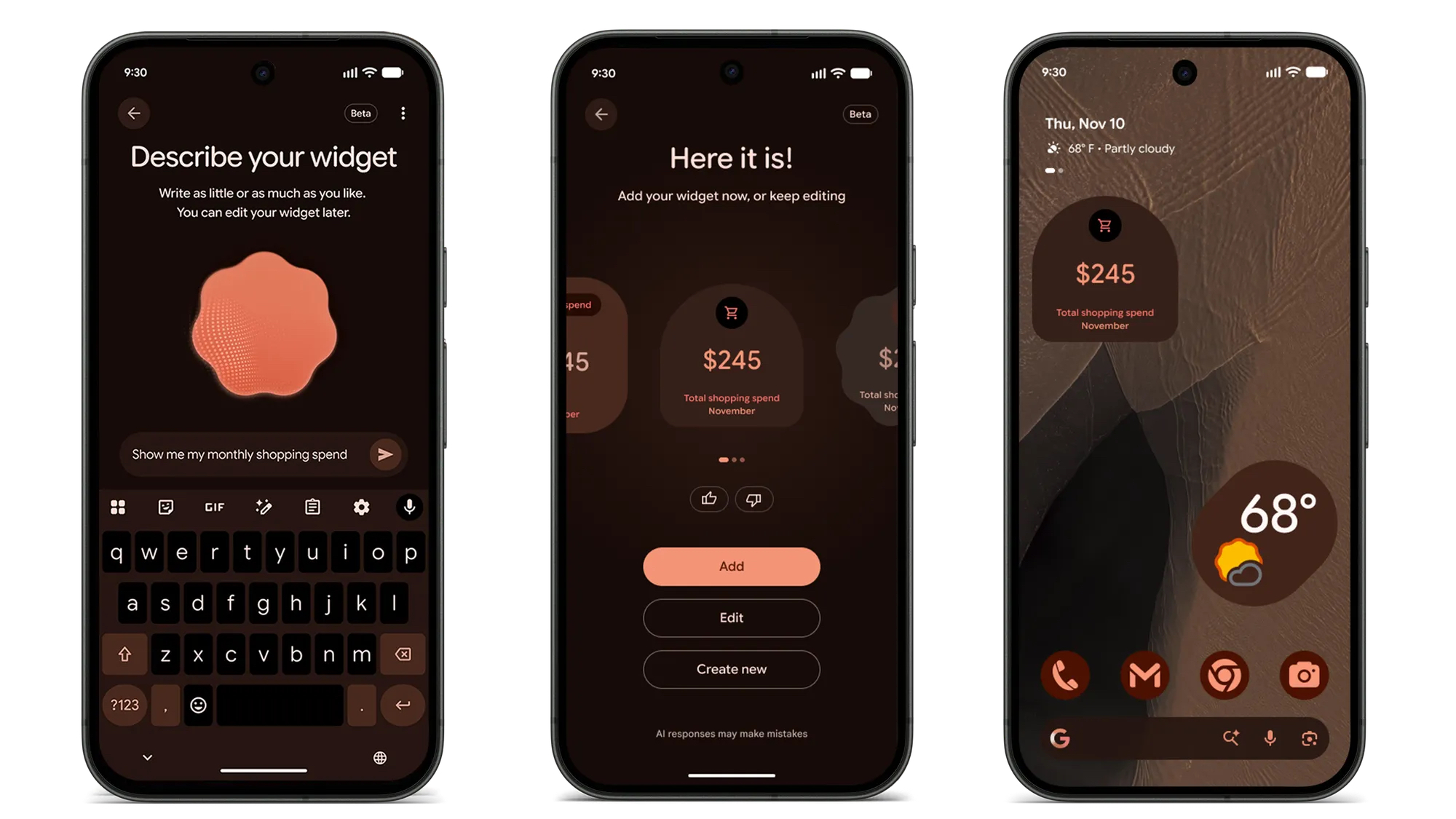
Another standout introduction is "Create My Widget," an innovative personalization utility accessible on both Pixel 10 and Pixel 11 series devices. Eschewing traditional static widgets that require manual configuration through rigid app menus, Create My Widget leverages natural language processing. Users can simply type or speak a conversational description of the exact information layout they desire, and Google’s on-device AI generates a custom home screen widget on the fly.
Aesthetic customization has also received a massive overhaul through the deployment of 10 new custom icon styles. Powered by Google’s proprietary "Nano Banana" generative AI model, these themes intelligently analyze the user’s current wallpaper and system color palette to dynamically generate matching app icons. This ensures a cohesive, unified visual presentation across the entire application drawer and home screen environment.
Chronology and Rollout Schedule
The deployment of the November Pixel Drop began on November 10, 2026, rolling out via over-the-air (OTA) updates. True to Google’s standard deployment methodology, the distribution follows a phased staging pattern designed to catch and mitigate any unforeseen bugs or network bottlenecks before hitting the wider global public.
Historically, Google splits its feature drops into targeted tiers based on hardware architecture and Tensor processing unit (TPU) capabilities. While flagship hardware receives immediate, hardware-intensive additions, legacy devices are continually integrated into the ecosystem where compatible. Google has confirmed that the rollout will continue to scale across supported devices—spanning from the Pixel 6 up to the newest Pixel 11 Pro XL—over the course of several weeks. Users who have not yet received a system notification can manually check for the update by navigating to Settings, System, and System Update.
Broadening Compatibility: Pixel Search for Legacy Devices
While much of the industry spotlight remains focused on artificial intelligence advancements for modern hardware, Google has deliberately avoided leaving legacy device owners behind. The November update introduces the company’s comprehensive Pixel Search experience to all devices starting from the Pixel 6 series and newer.
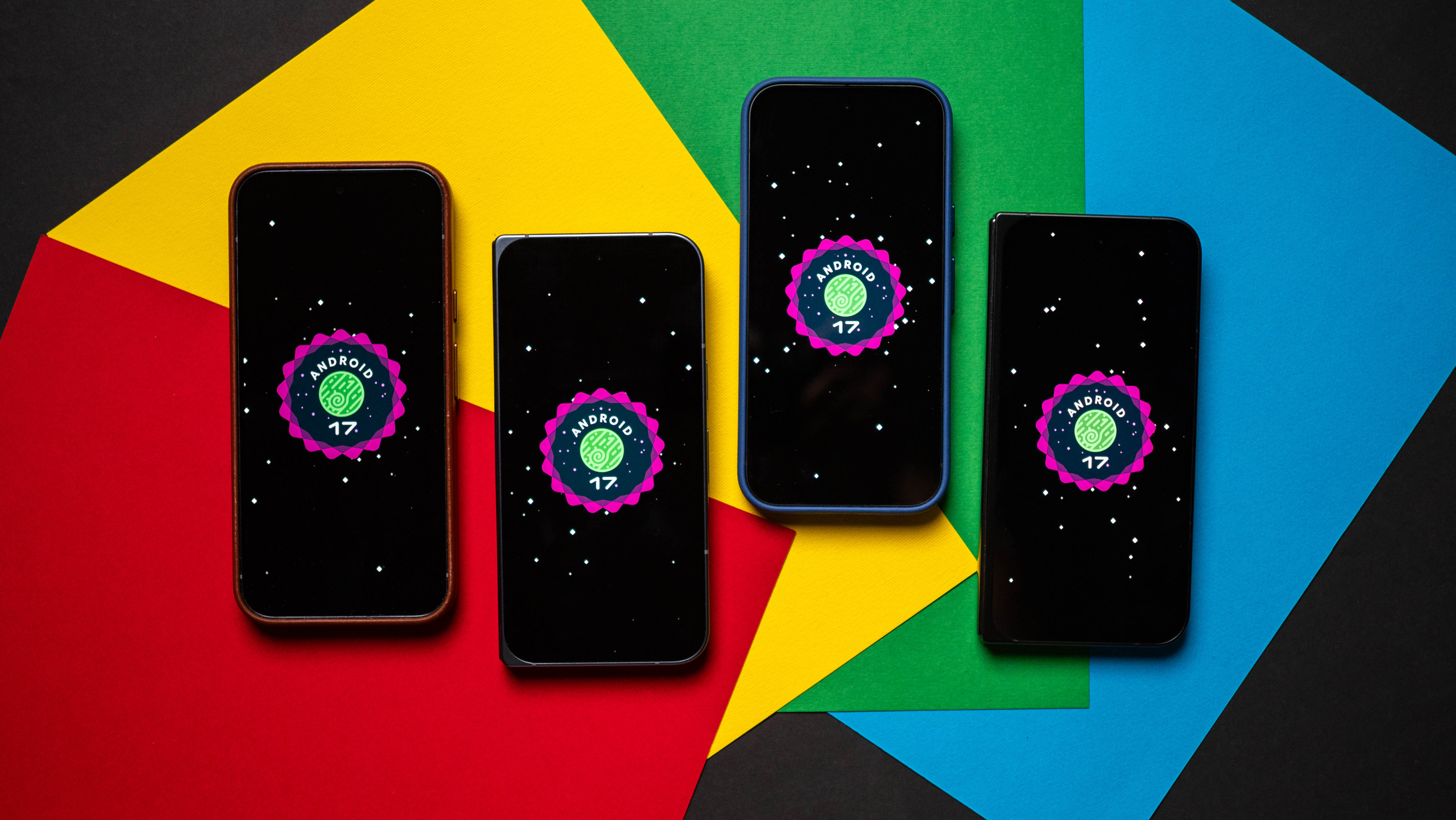
Previously restricted to newer generation hardware, Pixel Search acts as an all-encompassing indexing engine for the entire device. Users can now execute deep, unified searches across downloaded applications, text messages, photo libraries, emails, and deep system settings from a single, centralized search bar. This cross-application indexing eliminates the friction of manually opening individual silos of data, vastly improving navigation speed and productivity for millions of long-term Pixel users worldwide.
Exclusive Flagship Upgrades for the Pixel 11 Lineup
Even as older devices receive trickle-down features, Google has reserved distinct, hardware-dependent upgrades exclusively for its latest flagship generation, the Pixel 11 series, which includes the Pixel 11, Pixel 11 Pro, Pixel 11 Pro XL, and the Pixel 10 Pro Fold-adjacent hardware.
Chief among these exclusive additions is an upgraded version of Call Screen powered by Gemini. By harnessing the advanced conversational capabilities of Google’s flagship AI models, Call Screen can now engage in fluid, remarkably natural dialogues with unknown callers, effectively screening spam or verifying legitimate appointment calls on the user’s behalf while rendering a live, real-time transcript on the screen. This marks a significant evolutionary leap from the rigid, pre-scripted automated voice prompts that have characterized call-screening technology for years.
Additionally, the Pixel 11 Pro devices receive enhancements to the "HiLight" hardware notification light feature, which can now illuminate dynamically upon the receipt of incoming Google Messages alerts. However, early adopters have noted a lingering limitation: the feature currently lacks interoperability with third-party messaging ecosystems such as WhatsApp, Telegram, or Signal, restricting its utility strictly to Google’s native messaging client.
Ecosystem Expansion: The Retail Launch of Pixel Tag
Beyond software modifications, the November release coincides with the broader retail availability of the Pixel Tag. Originally teased alongside the Pixel 11 hardware launch in August, the ultra-wideband (UWB) tracking accessory is now officially available for individual purchase at $29.99, or in a bundled four-pack priced at $99.99.
The Pixel Tag integrates directly into Google’s upgraded Find Hub network, utilizing advanced UWB technology to deliver pinpoint, room-level directional tracking for lost or misplaced items. By leveraging Google’s vast network of active Android devices worldwide to passively and securely relay location data, the Pixel Tag positions Google as a formidable competitor in the personal item-tracking market, directly challenging established ecosystems like Apple’s AirTag and Samsung’s SmartTag.
Market Implications and Future Outlook
Google’s strategic decision to aggressively push flagship-tier artificial intelligence features down to previous-generation hardware serves a dual purpose within the modern smartphone landscape. First, it directly addresses consumer fatigue regarding rapid hardware upgrade cycles, reassuring buyers that purchasing a premium Pixel device guarantees prolonged software relevance and continuous functional enhancement. Second, it accelerates the mass adoption of Gemini-powered workflows, cementing Google’s proprietary AI ecosystem as a daily utility rather than a superficial gimmick.
However, notable hardware exclusions—such as the omission of the budget-friendly Pixel 10a from the Create My Widget and advanced Gemini intelligence suites—highlight the strict processing thresholds required by on-device generative AI models. As computational photography, natural language processing, and local neural network tasks demand ever-increasing processing overhead from mobile silicon, the divergence between flagship and mid-range feature sets will likely remain a defining characteristic of Android development.
As the November Pixel Drop completes its global rollout over the coming weeks, industry analysts will closely monitor user adoption rates and system stability reports. For now, Google continues to solidify its reputation for transforming its hardware lineup through agile, feature-rich software distribution, ensuring that existing device owners continually find fresh value in the hardware resting in their pockets.