Tech Week 37 Review: Apple Unveils the Foldable iPhone Duo Alongside the iPhone 18 Pro Series While Honor and Vivo Tease New Flagships

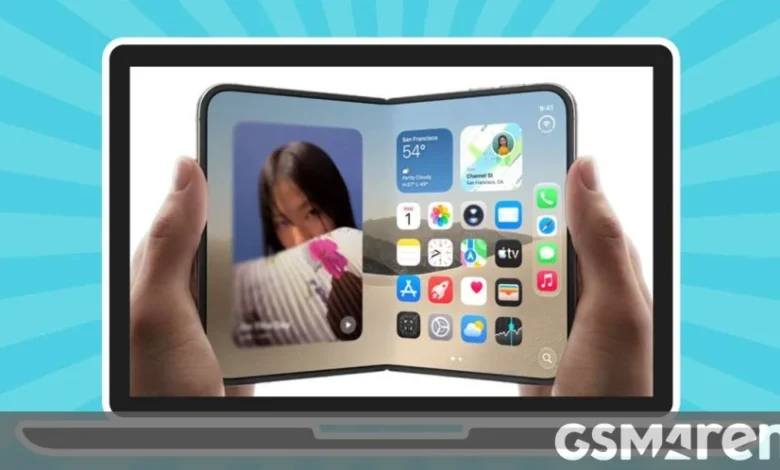
The technology sector experienced one of its most transformative weeks of the calendar year during week 37, dominated almost entirely by Apple Inc.’s landmark hardware announcements. Held on September 9, Apple’s annual autumn product showcase marked a historic turning point for the Cupertino-based multinational corporation. This year’s event was the first to be presided over by John Ternus in his new capacity as Chief Executive Officer, following a carefully orchestrated leadership transition. While the tech industry anticipated incremental updates to Apple’s smartphone ecosystem, the company shattered expectations by finally introducing its long-rumored foldable device, alongside a robust traditional flagship lineup.
Beyond the Cupertino ecosystem, the global mobile market also witnessed significant developments in Asia. Competitors Honor and vivo leveraged the industry-wide spotlight to generate momentum for their upcoming flagship releases, previewing the Honor Magic9 series and the vivo X500 series, respectively. However, consumer and media interest remained overwhelmingly concentrated on Apple’s hardware pipeline, which sets a new benchmark for pricing, display engineering, and mobile processing power.
Apple’s September 9 Showcase: A Historic Transition Under CEO John Ternus
The autumn keynote address on September 9 was scrutinized by analysts and investors alike, primarily because it served as the formal debut of John Ternus as Apple’s Chief Executive Officer. Having previously served as the Senior Vice President of Hardware Engineering, Ternus brings a deeply technical background to the helm. Industry observers watched closely to see how his leadership would influence Apple’s product strategy, particularly in a maturing smartphone market facing plateauing upgrade cycles.
Ternus did not disappoint, opening the presentation by emphasizing Apple’s ongoing commitment to pushing physical design and silicon performance boundaries. The focal point of the event was twofold: the maturation of the traditional candy-bar smartphone via the iPhone 18 Pro series, and the long-awaited entry into the foldable device market with the iPhone Duo.
The iPhone 18 Pro and Pro Max: Refining the Traditional Flagship
Despite the undeniable novelty of Apple’s foldable device, traffic metrics and consumer engagement data from week 37 indicate that the iPhone 18 Pro and iPhone 18 Pro Max actually captured a higher volume of immediate consumer interest and pre-order hits than their foldable counterpart. This unexpected consumer behavior suggests that while the market is intrigued by foldable technology, mainstream buyers continue to prioritize the refined, reliable ergonomics and aggressive pricing structures of traditional flagship form factors.
The iPhone 18 Pro series introduces several notable hardware upgrades. Most prominently, Apple has incorporated a variable aperture main lens into the camera array. This engineering inclusion allows the primary sensor to mechanically adjust the amount of light entering the lens, granting users greater control over depth of field and exposure in varying lighting conditions—a feature long requested by mobile videographers and photographers.
Under the hood, the iPhone 18 Pro models are powered by the new A20 Pro system-on-chip (SoC). Manufactured on an advanced sub-node architecture, the A20 Pro delivers double-digit percentage gains in both CPU and GPU performance while simultaneously improving energy efficiency. Furthermore, Apple has subtly redesigned the front-facing sensor housing, introducing a noticeably smaller Dynamic Island that reclaims precious screen real estate without sacrificing the facial recognition capabilities of the TrueDepth camera system.
Market Availability and Pricing
The iPhone 18 Pro and iPhone 18 Pro Max are already available for pre-order, with physical retail sales and initial customer shipments scheduled to commence globally on September 18. Pricing for the iPhone 18 Pro starts at $1,200 in the United States and €1,450 in the European Union. Meanwhile, the larger iPhone 18 Pro Max commands a starting price of $1,300 and €1,600, respectively. These price points reflect a continuation of Apple’s premium pricing strategy, justified by the inclusion of the A20 Pro chip, upgraded optics, and expanded base storage configurations.
Battery Capacities Unveiled via Regulatory Filings
In the absence of Apple’s traditional practice of disclosing exact milliampere-hour (mAh) specifications during its keynote presentations, industry analysts turned to international regulatory filings to uncover the power reserves of the new devices. Thanks to compliance documentation associated with the European Union’s mandatory Energy Labels, precise battery capacities for the iPhone 18 Pro series have been brought to light.
According to the EU regulatory data, the standard iPhone 18 Pro is equipped with a 4,056mAh battery cell. Its larger sibling, the iPhone 18 Pro Max, features a substantially larger 5,391mAh power source. When paired with the enhanced power efficiency of the A20 Pro chip, these battery capacities are projected to deliver industry-leading screen-on time, addressing one of the most critical metrics for modern smartphone users.
The iPhone Duo: Apple’s Entry into the Foldable Market
Undoubtedly, the undisputed star of Apple’s week 37 showcase was the company’s first-ever foldable smartphone, officially named the iPhone Duo. Rumored, delayed, and speculated upon for nearly half a decade, the iPhone Duo arrives as a meticulously engineered piece of technology designed to challenge established foldable offerings from competitors like Samsung, Google, and various Chinese original equipment manufacturers.
Industrial Design and Ergonomics
The iPhone Duo adopts a wide-styled foldable form factor. When closed, the device resembles the physical footprint and dimensions of a standard passport, making it notably more pocketable and ergonomic than narrower vertical-folding competitors. Apple has paid fastidious attention to the device’s tactile experience, utilizing lightweight aerospace-grade alloys and a proprietary multi-link hinge mechanism designed to withstand hundreds of thousands of fold cycles without structural degradation.
Display Innovations and the Return of Touch ID
Upon unfolding the device, users are greeted by a sprawling internal display that addresses the primary pain points historically associated with foldable screens. Apple has implemented an advanced anti-reflective coating on the inner panel, significantly reducing glare under direct sunlight. Furthermore, the physical crease—a persistent visual and tactile blemish in earlier generations of foldable phones—has been rendered far less visible.
Perhaps the most significant engineering marvel of the inner display is the seamless integration of an under-display camera system, eliminating the need for a physical punch-hole cutout or notch on the main screen. Additionally, to the delight of long-time Apple users, the iPhone Duo marks the triumphant return of Touch ID, implemented via a high-speed capacitive fingerprint sensor embedded directly into the side power button, offering a biometric alternative to Face ID.
Launch Timeline and Premium Pricing
Positioned firmly at the ultra-luxury tier of the consumer electronics market, the iPhone Duo carries a starting price tag of $2,000 in the United States and €2,300 in the European Union. Unlike the traditional iPhone 18 Pro series, which ships mid-September, the iPhone Duo will have a staggered release schedule, with official customer shipments slated to begin in October.
Immediate Industry Comparisons: iPhone Duo Versus Samsung Galaxy Z Fold8
Natural market comparisons have immediately positioned the iPhone Duo against Samsung’s current foldable flagship, the Galaxy Z Fold8. Industry analysts have already begun examining the theoretical specifications of both devices, focusing on fold durability, crease depth, software optimization, and ecosystem integration.
While preliminary spec-sheet analysis favors Apple in terms of display seamlessness and hardware finish, Samsung retains an advantage in multi-window software maturity, having iterated on its foldable interface design for nearly a decade. Comprehensive, hands-on reviews and benchmark evaluations will commence once review units of both the iPhone Duo and the Galaxy Z Fold8 can be directly compared in a controlled testing environment.
Broader Market Context: Honor and vivo Counter-Programming
While Apple dominated the lion’s share of global tech journalism during week 37, two non-Apple stories managed to break through the noise, originating from major Chinese smartphone manufacturers preparing their own late-year hardware cycles.
Honor Magic9 Series Design Reveal
Honor officially offered a first look at the design language of its upcoming Magic9 series. Scheduled to make its official domestic debut in China on September 28, the Magic9 line aims to build upon the commercial success of its predecessor. Leaked renders and official teasers highlight a refined chassis, upgraded thermal management systems, and a continued focus on artificial intelligence-driven photography features. Honor aims to position the Magic9 series as a direct challenger to Apple and Samsung in the upper echelons of the global premium tier.
vivo X500 Series and Advanced Telephoto Architecture
Simultaneously, vivo previewed key aspects of its forthcoming vivo X500 series, specifically drawing attention to the flagship vivo X500 Pro Max. In keeping with the design philosophy of its predecessors, the X500 Pro Max features a massive, prominent circular rear camera housing that dominates the back panel. This expansive glass module houses a sophisticated optical array, featuring specialized support for advanced teleconverter zoom lenses designed to capture high-magnification imagery without sacrificing optical clarity. The vivo X500 series is expected to roll out in select Asian and European markets in the coming months, targeting mobile photography enthusiasts.
Implications and Broader Impact on the Consumer Electronics Industry
The events of week 37 signal a mature yet rapidly evolving smartphone landscape. Apple’s entry into the foldable market with the iPhone Duo is expected to legitimize the foldable form factor for mainstream consumers in a manner that previous manufacturer efforts could not achieve. By introducing a device with an anti-reflective inner screen, an invisible crease, and biometric Touch ID integration, Apple has raised the bar for what consumers should expect from a $2,000 folding smartphone.
Simultaneously, the strong initial demand for the traditional iPhone 18 Pro and iPhone 18 Pro Max demonstrates that the candy-bar smartphone remains the structural foundation of the global mobile economy. With advanced features such as variable aperture lenses, powerful A20 Pro silicon, and transparently disclosed battery capacities ranging from 4,056mAh to 5,391mAh, Apple has ensured that traditional flagship buyers receive substantial generational upgrades.
As the industry moves toward the final quarter of the year, the commercial performance of the iPhone Duo, alongside counter-offensive flagships from Honor and vivo, will dictate market share dynamics heading into the holiday shopping season. Competitors will be forced to accelerate their research and development timelines to match the hardware milestones established during this pivotal week in September.
Related posts: