The iPhone Duo didn’t reinvent Android foldables, but I fear the copycats anyway

The Evolution of the Foldable Market
To understand the significance of the iPhone Duo, one must look back at the trajectory of the foldable smartphone industry. The concept gained mainstream traction in 2019, when the first generation of devices struggled with screen durability, hinge mechanisms, and software optimization. Over the subsequent five years, manufacturers refined these devices, moving from early-adopter experiments to functional, high-end productivity tools.
Samsung, as the first major player to aggressively pursue this segment, established the market standard with its Galaxy Z Fold and Z Flip series. Google followed suit with the Pixel Fold, focusing on a wider cover screen and an emphasis on AI-driven software experiences. Despite the efforts of these pioneers, the "foldable" category remained a niche segment of the overall smartphone market. With Apple’s entry, industry analysts expect a significant acceleration in consumer adoption. Apple’s historical pattern of entering a product category only when it can ensure a high-quality, mass-market-ready experience suggests that the technology has reached a level of maturity that the company deems sufficient for its brand standards.
Chronology of Development
The path to the iPhone Duo was paved with years of internal research and development. Reports dating back to 2020 suggested that Apple was experimenting with various hinge designs and flexible display materials. In 2022, supply chain leaks indicated that Apple had begun requesting samples of foldable OLED panels from suppliers like LG Display and Samsung Display.
Throughout 2023 and 2024, the tech industry closely monitored Apple’s patent filings, which detailed sophisticated hinge mechanisms designed to mitigate the "crease" that has long plagued foldable screens. By early 2025, industry consensus shifted from "if" Apple would enter the market to "when." The official announcement of the iPhone Duo in the third quarter of 2026 served as the culmination of these sustained development efforts, effectively ending the period of "foldable skepticism" that had previously characterized the Apple enthusiast community.
Technical Specifications and Design Philosophy
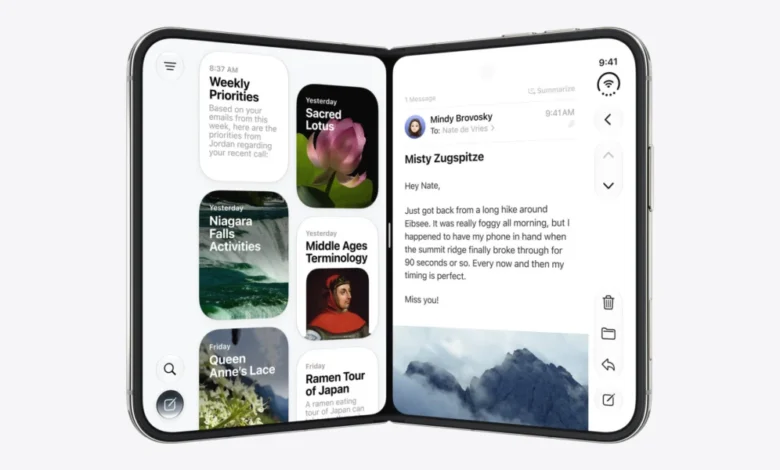
The iPhone Duo distinguishes itself through its focus on hardware-software cohesion. While it utilizes a traditional vertical-folding hinge mechanism, Apple has prioritized the longevity of the flexible display panel. The device features a proprietary hinge system designed to distribute stress across the foldable screen, effectively minimizing the visibility of the fold line.
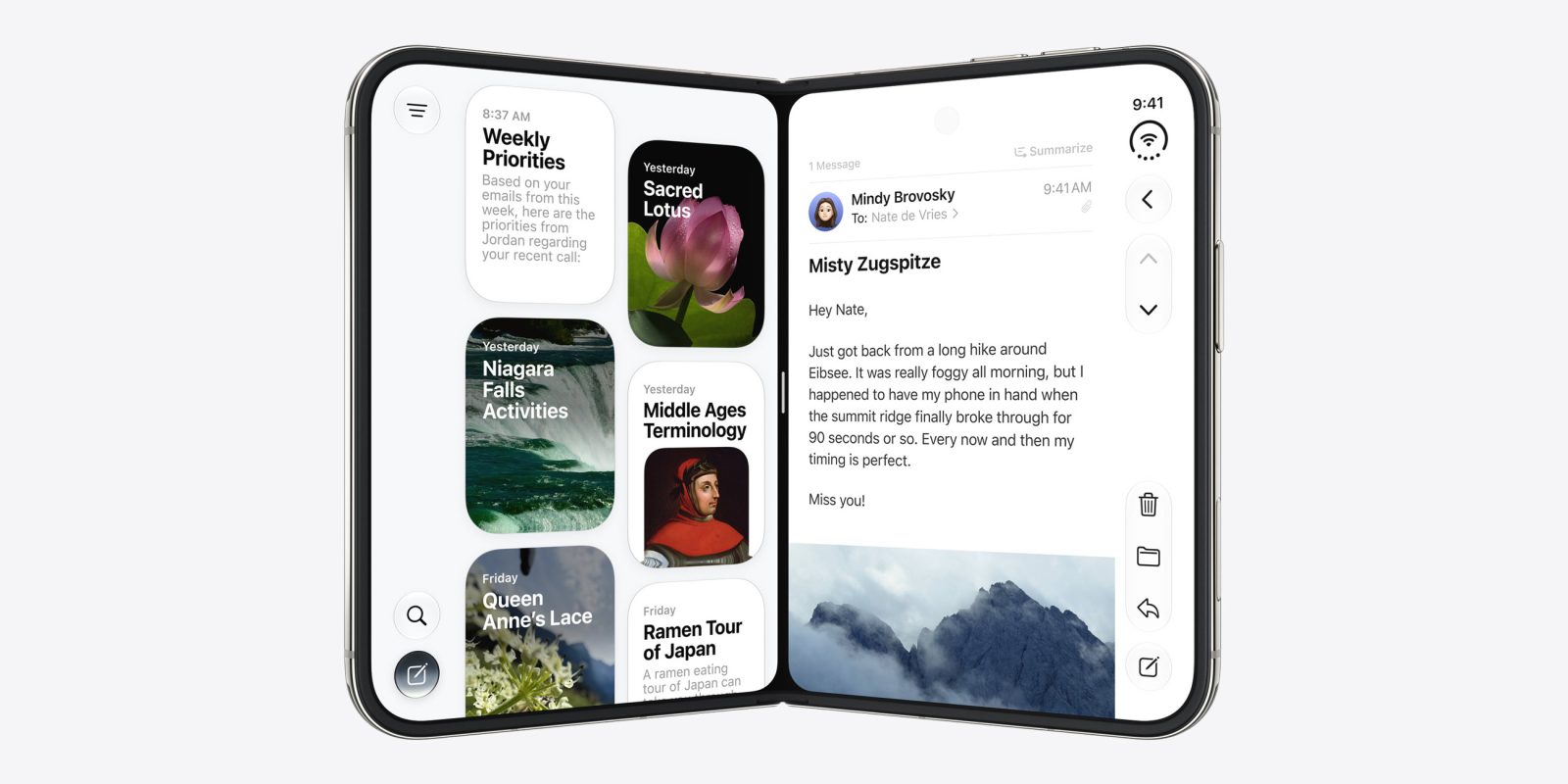
The integration of iOS with the foldable display is perhaps the most critical differentiator. Apple has introduced "Continuity Fold," a software feature that allows for seamless transitions between the cover screen and the internal display. Unlike many Android implementations, which occasionally struggle with UI scaling, Apple’s adaptive interface ensures that applications maintain their state, layout, and functionality without the need for manual resizing or resolution adjustments.
Supporting data regarding the display technology reveals that Apple has opted for a bespoke LTPO (Low-Temperature Polycrystalline Oxide) OLED panel. This choice allows for a variable refresh rate that optimizes power consumption, a vital factor for a device with a large internal display. Furthermore, the internal battery architecture is split across both halves of the device, utilizing high-density lithium-ion cells to ensure that the device remains slim while providing competitive battery life.
Industry Reactions and Competitive Landscape
The arrival of the iPhone Duo has prompted immediate responses from the broader mobile ecosystem. Samsung, the current market leader in foldable volume, issued a statement highlighting the continued expansion of the category as a validation of the foldable concept. "The entry of new participants into the foldable space reinforces the necessity of the form factor and underscores the value of innovation in display technology," a spokesperson for Samsung Electronics noted.
Meanwhile, competitors in the Android ecosystem are already preparing for a shift in market dynamics. The consensus among analysts is that Apple’s entry will drive down the cost of foldable components due to increased economies of scale. As the supply chain ramps up production to meet Apple’s rigorous quality and volume requirements, manufacturers of display panels and hinge components will likely see a surge in output, which may lead to lower pricing for foldable devices across the board.
From a software perspective, Google is expected to accelerate its development of Android’s foldable optimization tools. The competition between iOS and Android in the foldable space is no longer just about hardware durability; it is now a battle of productivity software and multitasking workflows.
Implications for the Future of Mobile Hardware
The launch of the iPhone Duo signals a maturation of the mobile industry. For years, the smartphone market was criticized for stagnating in terms of hardware innovation, with updates often limited to iterative camera improvements or processor speed increases. The foldable form factor challenges this narrative by fundamentally changing how users interact with their devices.

Apple’s involvement introduces a level of scrutiny on the "crease" issue that may force the entire industry to adopt more advanced display materials. Furthermore, the focus on user experience suggests that future foldable developments will likely center on software intelligence—how the device knows when to transition between states, how it manages heat dissipation, and how it utilizes the extra screen real estate for multitasking.
The business implications are equally significant. For Apple, the iPhone Duo serves as a high-margin product designed to retain power users who might have otherwise defected to Android to experience foldable technology. For the industry, it represents the final "stamp of approval." When a company with the market influence of Apple adopts a form factor, it effectively transitions that technology from an experimental novelty to a standard feature of the premium smartphone landscape.
Broader Market Impact
Market research firms have already begun revising their 2027 forecasts for foldable shipments. Initial projections suggest that the total addressable market for foldable devices could grow by as much as 40% year-over-year following the launch of the iPhone Duo. This growth is expected to be driven primarily by the "halo effect" of Apple’s marketing, which brings the concept of a folding screen to a demographic that was previously unaware or uninterested in the offerings from Samsung or Google.
As the device reaches consumers, the focus will shift to real-world durability and long-term reliability. Apple’s commitment to its "AppleCare+" program and the robustness of its retail support network will be the ultimate test of the device’s success. If the iPhone Duo can survive the rigors of daily use without widespread reports of hinge failure or screen degradation, it will likely cement its position as the definitive foldable device.
Conclusion: A New Era for the iPhone
The iPhone Duo is not a device designed to "reinvent" the foldable; rather, it is designed to perfect the user experience within that existing framework. By focusing on hardware reliability, software fluidity, and seamless ecosystem integration, Apple has delivered a product that meets the expectations of its core user base while simultaneously challenging its competitors to improve their own offerings.
The impact of this launch will be felt for years to come. As manufacturers look toward the next generation of flexible display technology—including rollable screens and multi-hinge devices—the lessons learned from the development and deployment of the iPhone Duo will serve as a foundational blueprint. The foldable smartphone is no longer an experimental niche; with Apple’s entry, it has officially become a primary pillar of the mobile future. The conversation surrounding smartphones has moved beyond megapixels and refresh rates; it is now centered on the versatility of the hardware and the fluidity of the digital experience. In this new era, the iPhone Duo stands as a testament to the fact that while the industry may reach the same destination, the path taken to get there is defined by the relentless pursuit of refinement.