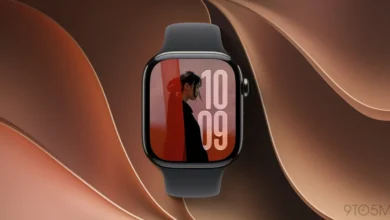
The Anticipated Apple Watch Series 12: A Comprehensive Look at Rumored Features and Strategic Implications

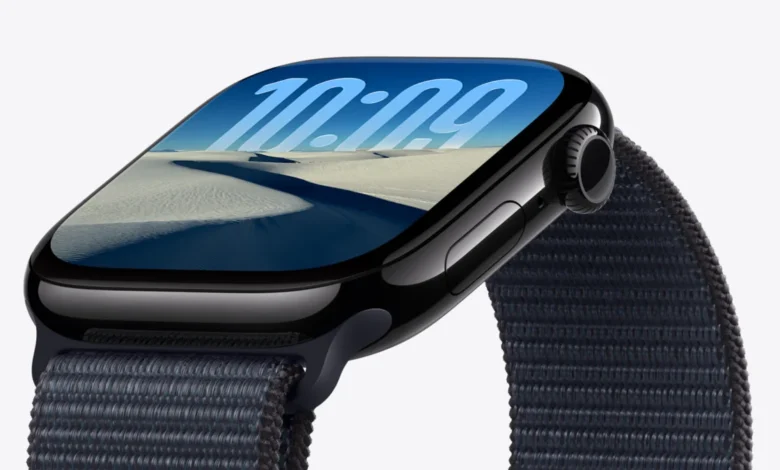
Apple is gearing up for its annual fall product showcase, and among the highly anticipated announcements is the Apple Watch Series 12, poised to introduce a suite of significant upgrades following several years of more iterative refinements. This forthcoming generation of Apple’s market-leading wearable is expected to deliver substantial advancements in processing power, battery longevity, health monitoring capabilities, and user interface design, signaling a strategic shift towards enhancing core user experience and expanding the device’s utility in health and artificial intelligence. The projected launch in September will likely see the Series 12 debut alongside the Apple Watch Ultra 4, solidifying Apple’s continued commitment to innovation in the wearable technology sector.
A New Chip: ushering in a Performance Renaissance
For enthusiasts and power users alike, the most compelling rumored upgrade for the Apple Watch Series 12 centers on a truly new internal processor. The Apple Watch Series 9, Series 10, and Series 11 models, while capable, have notably relied on iterations of what is internally designated as the "Watch7" family of chips. This continuity, while offering minor performance bumps, has meant that a fundamental architectural leap has been absent for several generations. The Series 12, however, is widely reported to usher in the "Watch8" family, featuring a brand-new CPU identified by the internal codename T8320. This designation alone, moving from "Watch7" to "Watch8," typically signifies a substantial hardware overhaul rather than a mere refinement, indicating a significant investment in foundational performance improvements.
The last time Apple introduced a genuinely new processor for its smartwatch line was with the Apple Watch Series 9 in 2023. That upgrade brought welcome improvements in CPU and GPU performance, enabling smoother interactions and faster app launches. The intervening years have seen the platform mature, with watchOS introducing new functionalities, but the underlying silicon has remained largely consistent. A new T8320 chip is therefore expected to unlock a new tier of performance, offering significantly faster application loading times, smoother graphical rendering, and, critically, enhanced capabilities for on-device machine learning tasks. This performance injection is not merely for speed’s sake; it is understood to be a foundational requirement for the increasingly sophisticated features Apple plans to integrate, particularly in the burgeoning field of artificial intelligence.
The timing of this chip upgrade aligns perfectly with Apple’s broader strategy to infuse AI across its product ecosystem. With watchOS 27 slated to bring advanced Siri AI functionalities to the Apple Watch, a more powerful and efficient processor is indispensable. On-device AI processing minimizes reliance on cloud computing, thereby improving privacy, reducing latency, and enabling features that are more responsive and contextually aware. For the Apple Watch, this could translate into a more intuitive voice assistant capable of understanding complex queries, more accurate health insights derived from sophisticated sensor data, and potentially new intelligent watch faces or complication behaviors that adapt seamlessly to user patterns and environmental context. This move mirrors the company’s continuous investment in custom silicon for its iPhone and Mac lines, where specialized neural engines and high-performance cores drive groundbreaking AI experiences, setting a high bar for the Series 12’s capabilities.

Enhanced Battery Life: Powering Extended Utility
One of the perennial desires from Apple Watch users has been improved battery life, and the Series 12 appears poised to address this directly. Reports indicate a dual-pronged approach to achieving this goal: an increase in the physical size of the device’s battery and significant efficiency gains derived from other hardware and software optimizations. This combined strategy suggests Apple is committed to delivering a noticeable improvement in endurance.
The push for longer battery autonomy is intrinsically linked to the expanding utility of the Apple Watch, particularly in areas like comprehensive health tracking. Features such as advanced sleep tracking, which monitors sleep stages, respiratory rate, and oxygen saturation throughout the night, necessitate sufficient power to last through an entire day and night cycle without requiring a charge. Current Apple Watch models typically offer an "all-day" battery life of around 18 hours for standard usage, while the more rugged Apple Watch Ultra extends this to 36 hours or more, appealing to users requiring prolonged use. The Series 12’s focus on battery improvements suggests Apple aims to narrow this gap or significantly extend the capabilities of the standard models, potentially enabling multi-day use for some users or providing a greater buffer for demanding activities like GPS-tracked workouts without frequent recharging.
Beyond mere capacity, efficiency gains will be crucial in preventing an increase in the device’s physical bulk. A new, more power-efficient T8320 chip would naturally contribute to better battery performance by reducing energy consumption per task. Furthermore, advancements in display technology, sensor management, and watchOS power optimization algorithms are expected to play a pivotal role. For users who rely on the always-on display, cellular connectivity, and frequent health monitoring, an extended battery life translates directly into a more reliable and less anxiety-inducing experience. This strategic emphasis underscores Apple’s understanding that for a device designed to be worn continuously, uninterrupted operation is paramount. The ability to track a full day of activity, monitor sleep, and still have power for morning notifications without a mid-day charge is a significant quality-of-life improvement that resonates deeply with the user base and enhances the watch’s utility as a constant companion.
Advanced Health Features: Expanding the Watch’s Wellness Arsenal
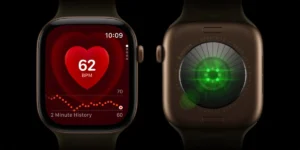
The Apple Watch has consistently evolved as a sophisticated health and wellness companion, from its initial heart rate monitoring to ECG capabilities for detecting atrial fibrillation, blood oxygen sensing, and advanced fall detection. The Series 12 is expected to continue this trajectory with potentially groundbreaking new health features, particularly in the realm of cardiovascular health, further cementing its role as a preventative health tool.

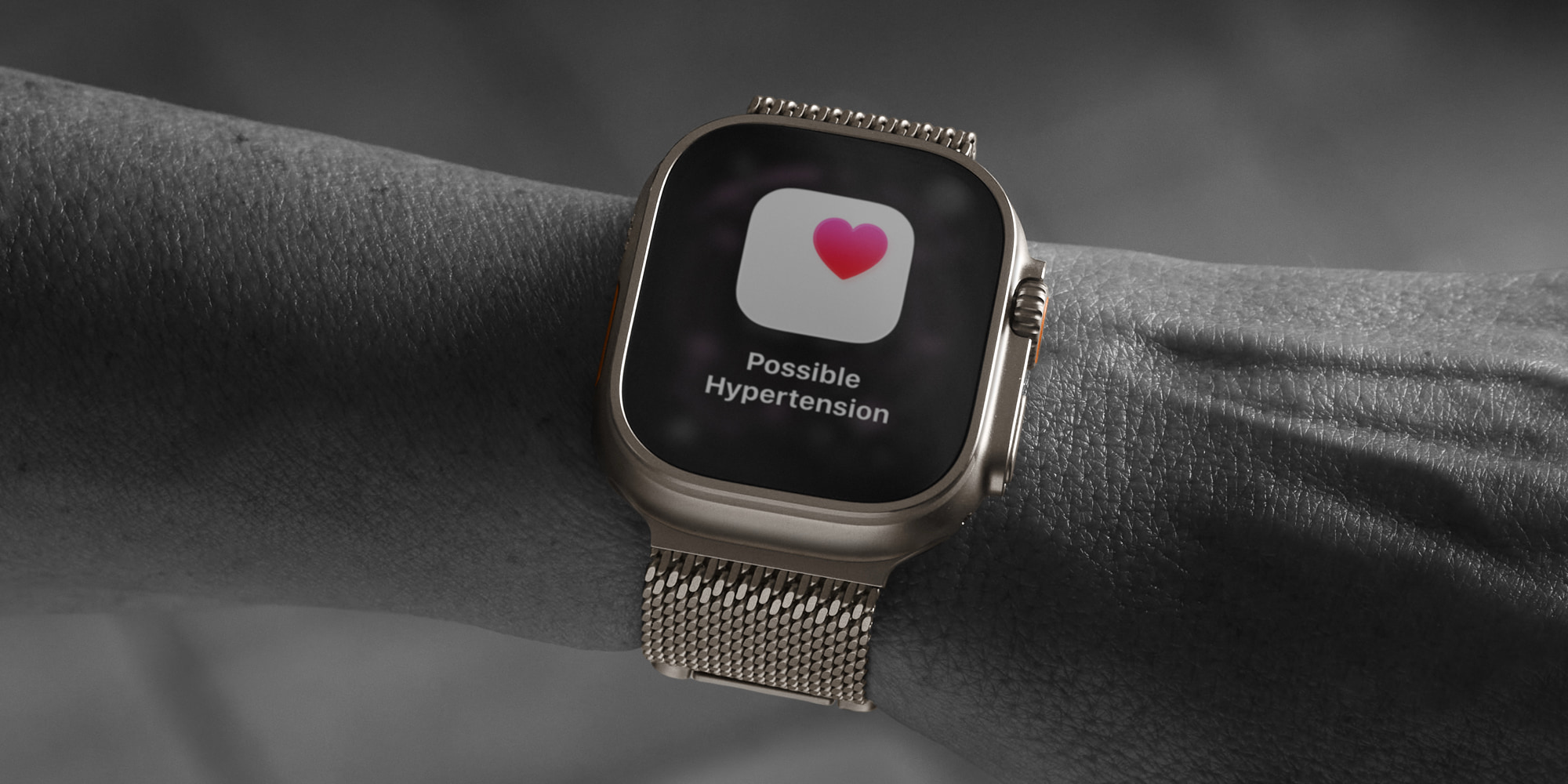
A significant development on this front is the rumored submission of a new high blood pressure notification feature to the U.S. Food and Drug Administration (FDA) for review. This move by Apple underscores the company’s commitment to ensuring its health features meet rigorous medical standards, which is critical for their credibility and efficacy in clinical applications. While watchOS 26 already introduced "hypertension notifications," their functionality is limited to detecting patterns of potential hypertension over 30-day evaluation periods, based on data collected by the watch’s heart rate sensor. These existing notifications do not provide actual blood pressure readings, instead alerting users to consult a doctor if a consistent pattern indicative of elevated blood pressure is observed.
The speculation surrounding the "new high blood pressure feature" submitted to the FDA suggests a more advanced or direct form of monitoring. While fully non-invasive, cuff-less blood pressure measurement from the wrist remains a significant technical challenge and a "holy grail" for wearable technology, Apple could be exploring several avenues. This might involve a more refined sensor array, advanced photoplethysmography (PPG) algorithms, or a sophisticated combination of sensor data to infer blood pressure changes with greater accuracy and provide more actionable insights, possibly even trends or estimates. The FDA submission implies that Apple is seeking clearance for a feature that moves beyond simple pattern recognition towards something that could be classified as a medical device, offering users more concrete data or alerts that could aid in early diagnosis and management. This would represent a substantial leap forward, empowering individuals with earlier detection and better management of hypertension, a widespread and often asymptomatic condition affecting millions globally and contributing to serious health issues like heart disease and stroke.
Beyond hypertension, Apple continues to pour resources into the long-term goal of non-invasive glucose monitoring. While reports consistently indicate that this highly complex technology is still "years away" from being integrated into the Apple Watch, due to the immense scientific and engineering challenges, it highlights Apple’s ambition to tackle some of the most challenging health monitoring frontiers. The ability to continuously monitor blood glucose levels without painful finger pricks would be revolutionary for diabetics and those at risk. For the Series 12, however, the focus remains on more immediately achievable advancements, with the high blood pressure feature being the most prominent rumored addition.
A Refreshed User Interface: The New Modular Watch Face
A perennial aspect of Apple Watch updates involves the introduction of new watch faces, offering fresh aesthetic options and enhanced functionality that reflect current design trends and user needs. For the Series 12, Bloomberg has reported on a new Apple Watch face described as a "simplified take on the Modular Ultra design," hinting at a blend of utility and refined aesthetics.
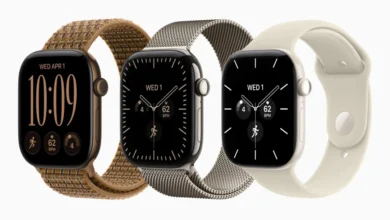
The Modular Ultra watch face, currently exclusive to the Apple Watch Ultra, is highly regarded for its ability to display a wealth of information at a glance, featuring a large digital clock, multiple complications around the bezel, and several customizable slots for data, making it ideal for active users who need extensive information readily available. The rumored new face for the Series 12 would retain the prominent, large digital clock that dominates the top two-thirds of the display, ensuring excellent readability even with a quick glance. However, it would streamline the design by removing the option for a large central complication and the row of three smaller complications typically found above the time, as well as the information placed around the bezel. Instead, this new "simplified modular" design would feature a large clock prominently, complemented by a single row of three smaller, customizable complications positioned neatly beneath the time.
This design choice suggests an effort to bring the popular visual impact and information density of the Ultra’s modular face to the standard Series watches, but in a refined manner that prioritizes clarity and elegance over maximal information overload. For many users, the ability to quickly glance at the time and a few key pieces of data (e.g., activity rings, weather, calendar events) is paramount, without being overwhelmed by excessive data fields. This new watch face aims to strike a balance, offering the visual prominence of the Ultra’s display while maintaining a cleaner, less cluttered aesthetic suitable for a wider range of users and scenarios, from daily office wear to casual outings. While expected to be a highlight of the Series 12 launch event, it is highly probable that this new watch face will also be made available to other compatible Apple Watch models through a watchOS update, extending its benefits across the ecosystem and enhancing the user experience for a broader audience.
What Not to Expect: The Demise of Touch ID Rumors
For a period, there was considerable speculation that the Apple Watch Series 12 might introduce Touch ID functionality, potentially integrated into the Digital Crown or a side button. These rumors gained traction following discoveries in leaked Apple code that hinted at such capabilities, leading many to anticipate an enhanced security and convenience feature. However, more recent and reliable reports indicate that Apple has ultimately decided against incorporating Touch ID into the Series 12.
The reasoning behind this apparent strategic pivot is particularly insightful. Sources suggest that Apple scrapped the Touch ID feature in favor of prioritizing advancements in new health features and increasing battery capacity. This decision illuminates Apple’s current strategic focus for the Apple Watch: doubling down on its strengths as a health and fitness device, and improving fundamental user experience aspects like battery life that have broader appeal. While Touch ID offers an additional layer of biometric security and convenience for unlocking devices and authorizing payments, the Apple Watch already leverages several robust authentication methods, including passcode, wrist detection, and seamless unlock with a nearby iPhone. The perceived benefit of Touch ID on a wrist device, therefore, might have been outweighed by the engineering resources and internal volume constraints that could instead be allocated to developing more impactful health innovations or enhancing battery performance—areas that users consistently rank as top priorities. This choice reflects a pragmatic approach to product development, where resources are directed towards features that offer the most significant user benefit and align with the device’s evolving role as a comprehensive health and lifestyle companion.
Broader Impact and Market Context
The Apple Watch Series 12 is expected to be unveiled in September, likely alongside the highly anticipated Apple Watch Ultra 4 and the new iPhone lineup. This annual event serves as a critical juncture for Apple to reinforce its dominance in the smartwatch market, a segment where it has consistently held a leading position. The rumored upgrades for the Series 12, particularly the new chip and enhanced health features, are crucial for maintaining its competitive edge against formidable rivals like Samsung’s Galaxy Watch, Google’s Pixel Watch, and specialized fitness trackers from Garmin and Fitbit, all of whom are also pushing boundaries in their respective niches.

The market for wearables continues to expand globally, driven largely by consumer demand for integrated health monitoring, seamless smart features, and personalized experiences. Apple’s strategy with the Series 12 appears to be a concerted effort to push the boundaries in both these critical domains. A more powerful processor is foundational for future AI integration, which is becoming an increasingly important differentiator in consumer technology, promising more intuitive and proactive device interactions. Improved battery life directly addresses a common pain point, making the device more practical for continuous wear and comprehensive data collection, which is vital for long-term health insights. And the continued expansion of health features, especially those pursuing FDA clearance, solidifies the Apple Watch’s position as a serious tool for personal health management, moving it closer to being a truly proactive health companion rather than just a reactive monitor.
The implications extend beyond individual users. Enhanced health monitoring capabilities, particularly for widespread conditions like hypertension, could contribute significantly to broader public health initiatives by providing accessible tools for early detection and lifestyle management, potentially reducing healthcare burdens. As Apple continues to innovate in areas like non-invasive glucose monitoring, the long-term vision for the Apple Watch is clear: to become an indispensable and proactive guardian of personal health, seamlessly integrated into daily life and the broader healthcare ecosystem. The Series 12, with its rumored foundational upgrades, represents a significant step forward in realizing this ambitious vision.
In summary, the Apple Watch Series 12 is shaping up to be more than just an incremental update. With a genuinely new processor promising substantial performance gains, a significant focus on battery endurance addressing a key user demand, and potentially life-changing health features alongside refined UI elements, it signals Apple’s renewed commitment to pushing the boundaries of what a wearable device can achieve. The fall announcement will undoubtedly confirm these speculations and reveal the full extent of Apple’s latest innovation in the wearable space.
Related posts: