On Strange and Familiar Ground: The Resurgence of Peter Mitchell’s Pioneering Color Photography of Industrial Britain

During the 1970s, a quiet revolution was taking place on the streets of Leeds, not in the corridors of political power or the halls of high-concept art, but on the overlooked corners of northern industrial life. Peter Mitchell, then a delivery truck driver, spent his weekends documenting the vanishing architecture and the fading trades of a city in transition. Armed with a medium format camera and a portable stepladder, Mitchell captured a series of formal, frontal, and strikingly colored portraits of shopkeepers, factory gates, and terraced houses. This work, long relegated to the periphery of the British art scene, is now receiving a comprehensive, remastered reissue in the forthcoming volume, On Strange and Familiar Ground, scheduled for publication by RRB Photobooks in December 2026.
A Chronology of a Forgotten Pioneer
The timeline of Mitchell’s recognition is a testament to the shifting tides of critical taste in photography. In 1979, the Impressions Gallery in York hosted an exhibition of Mitchell’s work titled A New Refutation of the Viking 4 Space Mission. At the time, the exhibition was a radical anomaly. While contemporary art photography in Britain was almost exclusively tethered to the austere, high-contrast aesthetics of black-and-white film, Mitchell chose to embrace color.
The conceptual framework of that 1979 exhibition was as unorthodox as its medium; Mitchell presented his images of mundane Leeds shopfronts as if they were findings from an alien intelligence investigating life on Earth. The result, according to renowned documentary photographer Martin Parr, was one of total bewilderment. The audience of the late 1970s, conditioned by the social documentary traditions of the era, found little common ground with Mitchell’s deadpan, vibrant, and oddly whimsical approach.
It would take thirty-four years for the art world to recalibrate its perspective. In 2013, Martin Parr curated 47 of Mitchell’s photographs for the book Strangely Familiar. This release served as a catalyst for a retrospective appreciation of Mitchell’s archive. Though the book quickly entered the secondary market as a sought-after collector’s item, it remained largely inaccessible to the broader public. The 2026 release of On Strange and Familiar Ground represents the first time this expanded and remastered body of work will be widely available in a definitive format.
Methodical Documentation and the Aesthetic of the Ordinary
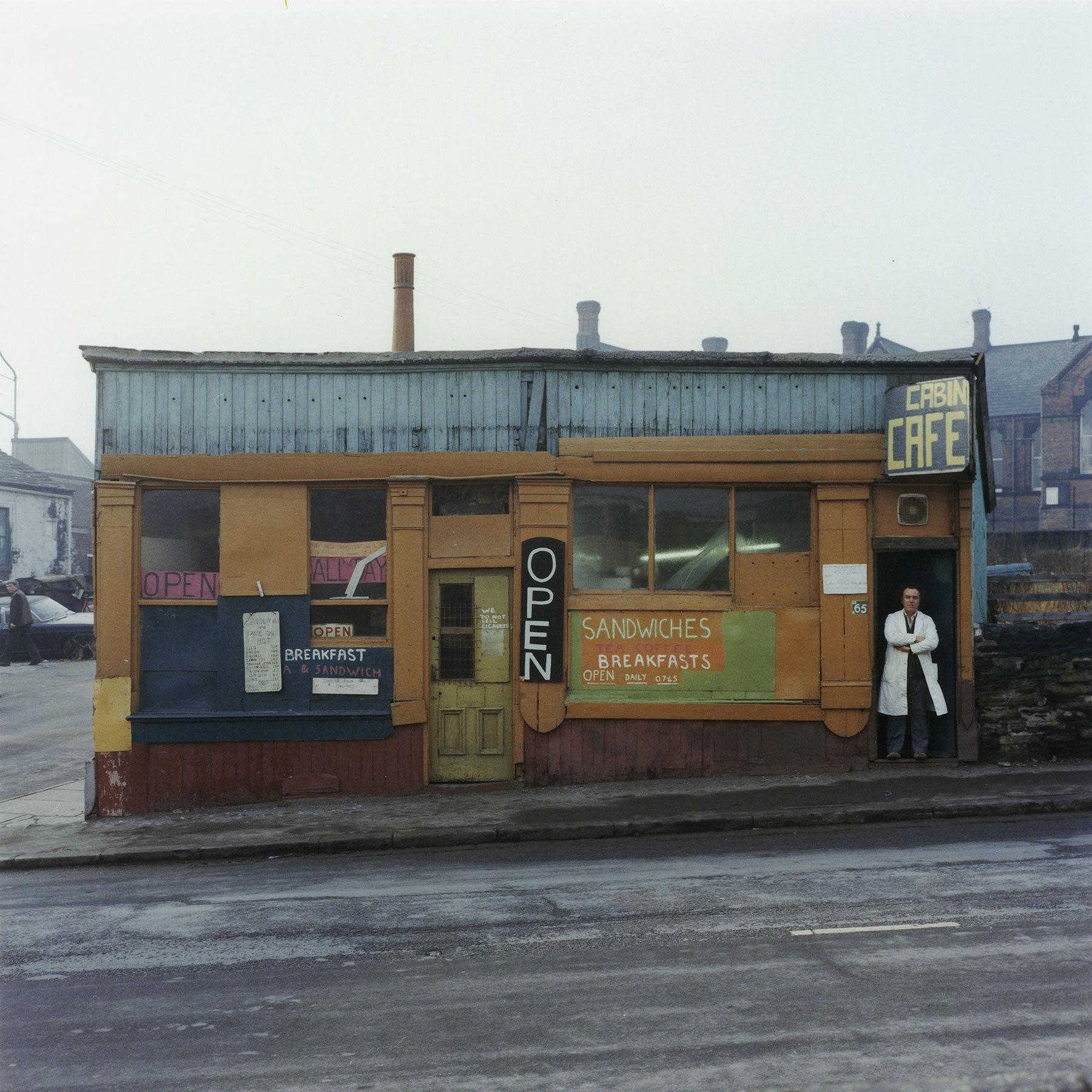
Mitchell’s methodology was as disciplined as it was unusual. His process involved scouting locations while navigating his delivery truck through the streets of Leeds during the work week. He would meticulously record potential subjects in a notebook, returning on quiet Sunday mornings to compose his frames. The use of a medium format camera allowed for a level of detail that rendered the textures of brickwork, peeling paint, and weathered signage with startling clarity.

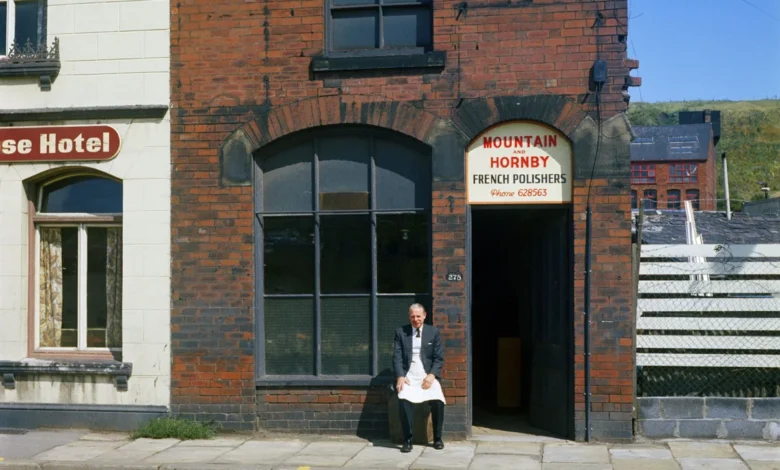
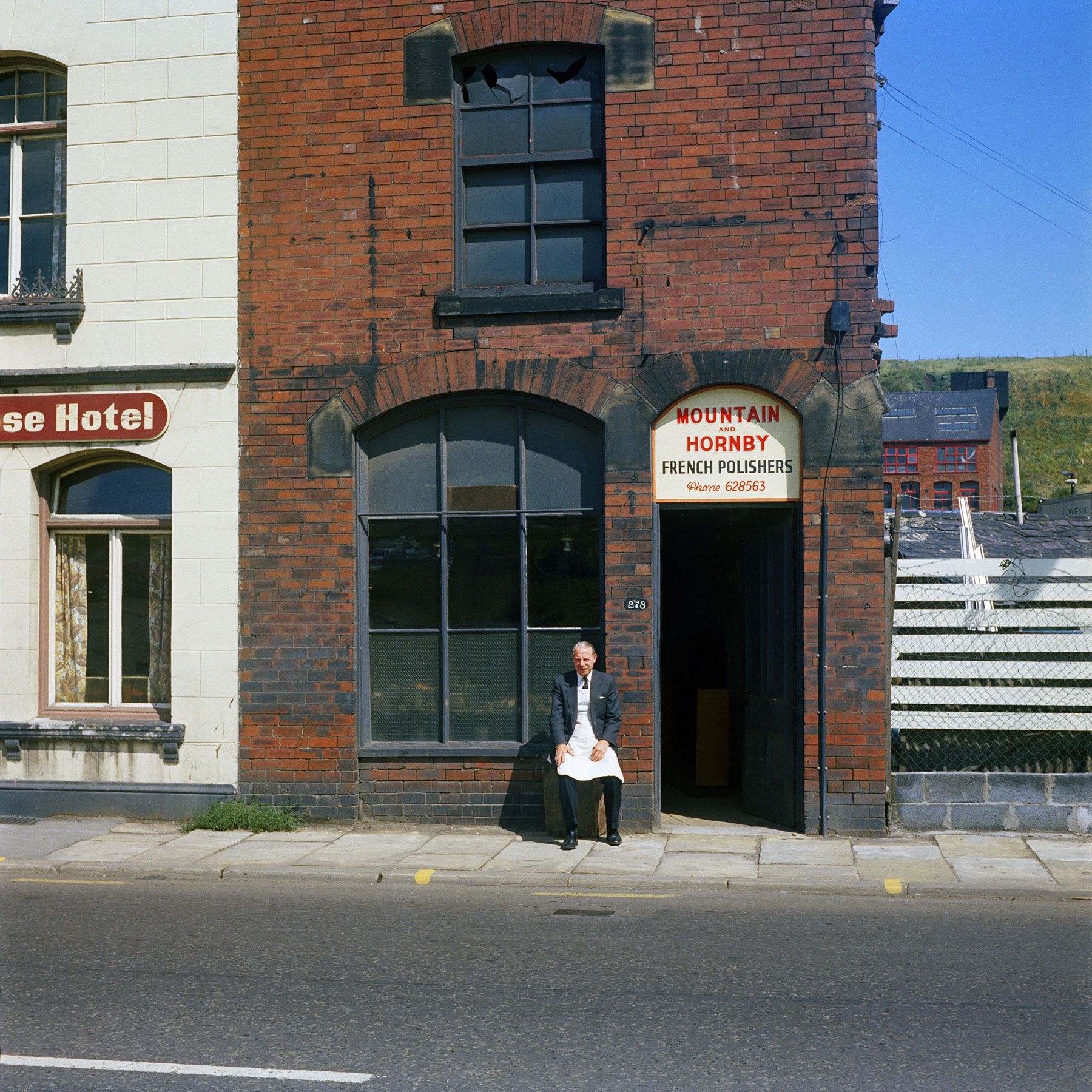
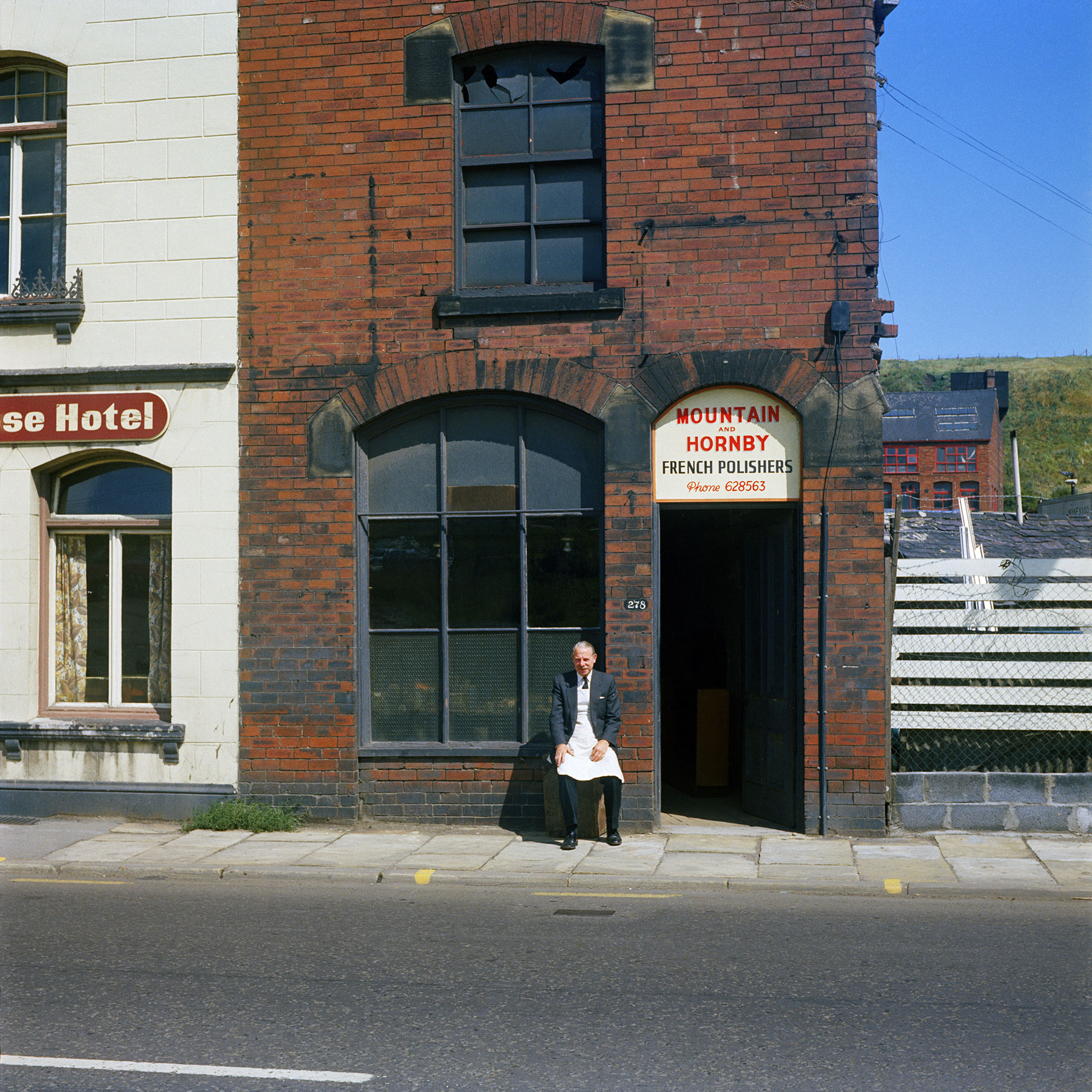
His subjects were the bedrock of a working-class northern city: the French polisher sitting on a crate, the workers at J.W. Plant’s flag factory preparing for the Queen’s Silver Jubilee, and the proprietors of local institutions like the Cabin Cafe. These images are defined by their "square-on" composition—a formal, static approach that treats the shopfront as a stage set and the owner as a character in an unfolding, yet static, drama.
The significance of these images lies in their historical weight. Mitchell was recording a landscape that was actively being erased. His documentation of the demolition of the Quarry Hill Flats—a massive social housing project—remains one of the most vital visual records of the era’s urban renewal policies. By capturing the demolition crews against the backdrop of crumbling masonry, Mitchell documented the end of an era of social architecture that had defined the post-war British experience.
The Philosophical Case for Color
The choice of color photography was not merely an aesthetic preference for Mitchell; it was a philosophical stance. During the late 1960s and 70s, the "serious" photographer was expected to work in monochrome, a convention that equated color with commercialism or amateur snapshots. Mitchell challenged this hegemony by asserting that reality was not monochrome. As he noted, "Leeds might be dull but never devoid of color."
This perspective aligns Mitchell with the broader international movement of "New Color" photography, which gained traction in the United States through figures like William Eggleston and Stephen Shore. However, Mitchell’s work remained distinctively British, rooted in the specific socio-economic reality of the North of England. His images do not romanticize poverty or decay; they honor the dignity of the individual within an environment that was rapidly losing its purpose.

Data and Historical Context of the Reissue
The upcoming publication from RRB Photobooks and AB Editions will contain 96 pages of content, featuring both the original images from the 1970s and subsequent work spanning into the early 2000s. The process of remastering the archive has been extensive. By rescanning original negatives and slides, the publishers have been able to recover color depth and tonal range that were limited by the printing technology of the 1970s and 80s.
The technical specifications of the release offer an insight into the market for contemporary photography books. The standard softcover edition is priced at $48 (£35), with a pre-order price of $38 (£28). A limited, special edition, priced at $128 (£95), includes a slipcase and a 10 x 8-inch pigment print of the iconic Red Brick Cafe image. This pricing strategy reflects the dual nature of the publication: a contribution to the historical record and a high-end collectible for the fine art market.
Broader Implications for Documentary Photography
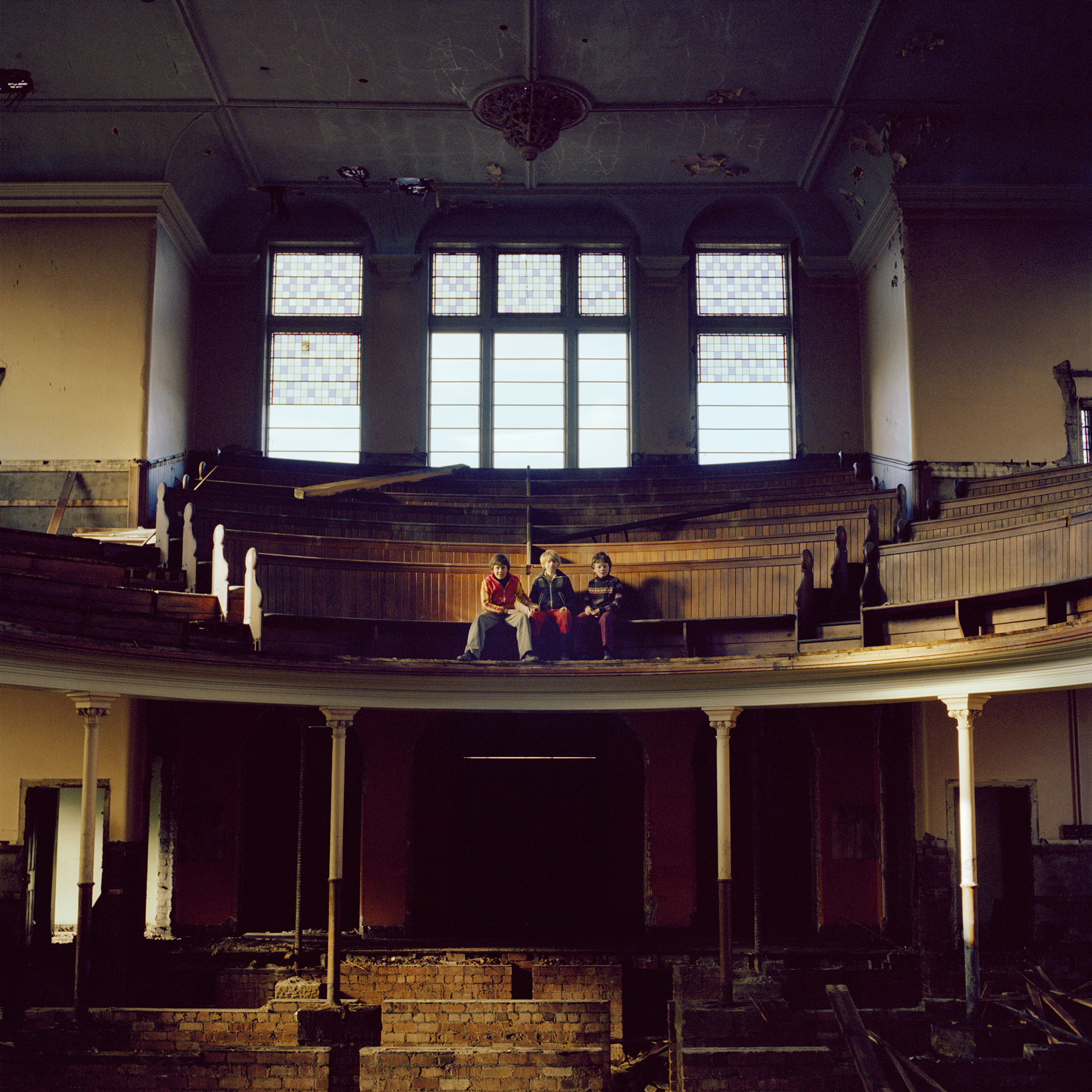
The critical re-evaluation of Peter Mitchell’s work underscores a wider trend in photography: the recovery of regional voices that were ignored by the centralized London-centric art establishment of the 20th century. By shifting the focus from the "great events" of history to the "small histories" of trade, architecture, and local commerce, Mitchell’s archive provides a granular view of the social fabric of Leeds.
The implications for researchers and historians are profound. These images provide primary evidence of the physical and social transformation of a northern British city. The disappearance of specific trades—the French polisher, the small-scale tool merchant, and the local fairground operator—is captured not through statistics or policy documents, but through the lived experience of those who occupied those spaces.

Furthermore, the publication of On Strange and Familiar Ground highlights the importance of archiving. Without the persistence of individuals like Martin Parr and the commitment of specialized publishers like RRB, these photographic documents might have been lost to time. The restoration of these images ensures that future generations can witness the evolution of the British cityscape, moving from the industrial density of the 1970s to the modernized, service-oriented economy of the 21st century.
Conclusion
The release of this remastered collection marks a significant milestone in the history of British photography. Peter Mitchell’s work, once dismissed for its subject matter and its medium, now stands as a vital record of a disappearing world. His ability to find humor, poignancy, and, above all, color in the gray, industrial streets of Leeds remains a singular achievement. As the public gains access to this expanded edition, the legacy of his "alien" perspective on the familiar ground of northern England will undoubtedly be cemented as a cornerstone of the documentary tradition. The book is not merely an act of nostalgia, but a necessary correction to the historical narrative, ensuring that the faces and places of a bygone era are preserved with the dignity they deserve.
Related posts: