Anker Soundcore Space 2 Pro Review: Ambitious Upgrades Meet Mixed Real-World Results

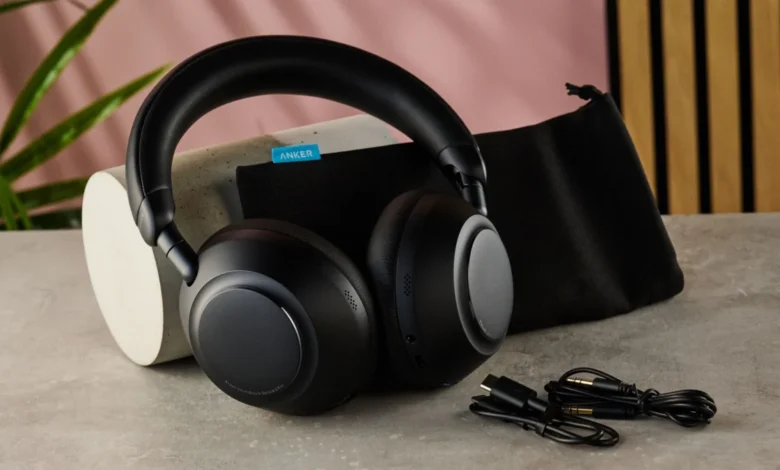
The audio hardware market continues to see rapid evolution in wireless over-ear headphones, a space where consumer electronics brand Anker has consistently carved out a significant market share through its Soundcore sub-brand. Following the industry reception of the Anker Soundcore Space One Pro, the company introduced the Anker Soundcore Space 2 Pro in September 2026. Priced at $199.99 / £199.99 / AU$349.99, these headphones arrive two years after their predecessor with a bold mandate: to capture the mid-range market by integrating advanced processing architecture, enhanced active noise cancellation (ANC), and high-resolution audio codecs. However, a comprehensive two-week testing period reveals a product caught between technological ambition and execution hurdles, raising questions about whether its feature set justifies a price increase in international markets such as the United Kingdom.
Background and Technological Evolution
The core differentiator for the Soundcore Space 2 Pro relative to the original Space One Pro is the integration of advanced onboard processing, specifically utilizing a high-efficiency chip designed to handle complex computational tasks locally. This hardware leap grants the Space 2 Pro advanced artificial intelligence capabilities, most notably an updated conversational assistant feature marketed as AI Chat, alongside a sophisticated eight-microphone array dedicated to environmental monitoring and noise cancellation.
Historically, Anker has positioned its Soundcore line as a high-value alternative to legacy audio giants like Sony, Sennheiser, and Bose. The inclusion of LDAC support for higher-bitrate Bluetooth streaming, alongside traditional 3.5mm wired connectivity, demonstrates a continuing commitment to audiophile demographics on a budget. Yet, the introduction of computationally heavy features places new demands on the device’s physical architecture, creating a ripple effect across battery longevity and tuning choices.
Active Noise Cancellation and Call Quality Performance
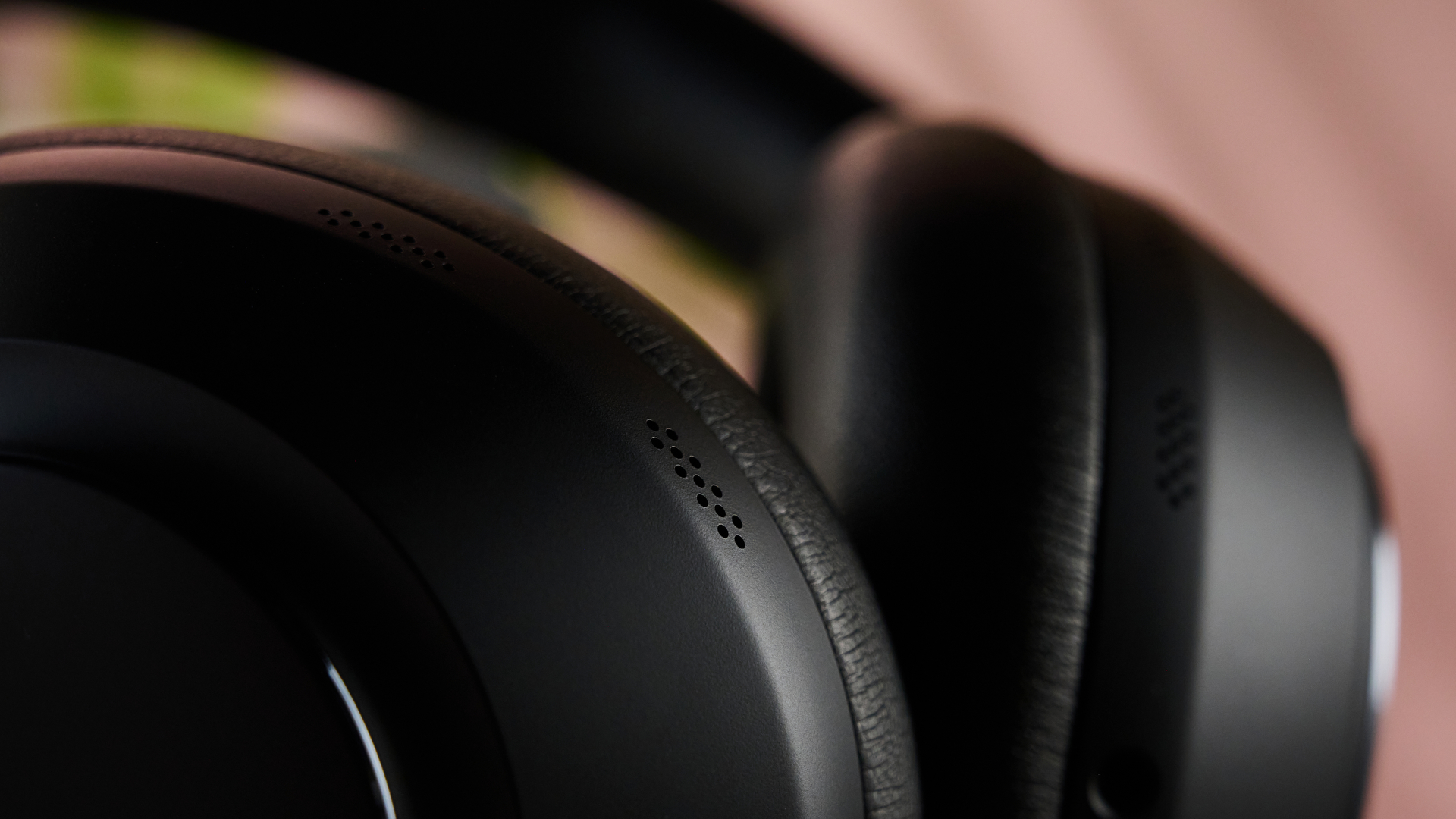
Among the most compelling attributes of the Anker Soundcore Space 2 Pro is its active noise cancellation system. Powered by the newly integrated chip and an eight-microphone configuration, the hardware processes environmental sound signals at a rate of 384,000 operations per second.
In practical testing environments—ranging from congested urban commutes alongside heavy vehicular traffic to bustling open-plan office spaces—the Space 2 Pro demonstrates high-tier noise attenuation. Low-frequency rumbles from trucks and urban transit are suppressed effectively, outperforming many competitors within the sub-$200 price bracket. The inclusion of a highly functional transparency mode and a dedicated wind-reduction profile provides users with granular environmental control through the companion Soundcore application.
Similarly, voice call performance leverages a six-microphone array designed to isolate speech from background noise. While marketing claims regarding "the world’s clearest calls" lean toward hyperbole when compared to reference-grade flagships like the Sony WH-1000XM6, real-world testing confirms that the system delivers clear, intelligible vocal reproduction with minimal background artifacting.
Sound Profile and Audio Architecture
Equipped with 35mm dynamic drivers spanning a frequency range of 40 Hz to 40 kHz, the Soundcore Space 2 Pro delivers a soundstage that leans heavily into Anker’s signature consumer-friendly tuning, though with notable caveats. Out of the box, the low-end frequency response is notably overzealous. Bass delivery on bass-heavy tracks often exhibits a boomy quality that sacrifices texture, agility, and balance in favor of sheer physical impact.
Mid-range frequencies maintain commendable clarity, allowing vocals and synthetic instrumentation to breathe even in complex, multi-layered mixes. Treble response remains controlled, avoiding harsh sibilance. However, achieving an optimal listening experience requires user intervention via the Soundcore app’s HeardID 5.0 custom EQ profiles or an eight-band manual equalizer.
Spatial audio modes included within the software suite offer an expanded soundstage width, but this comes at the cost of overall fidelity and resolution, making direct high-resolution Bluetooth streaming via LDAC the preferred configuration for critical listening.
Battery Life and Power Efficiency Trade-offs
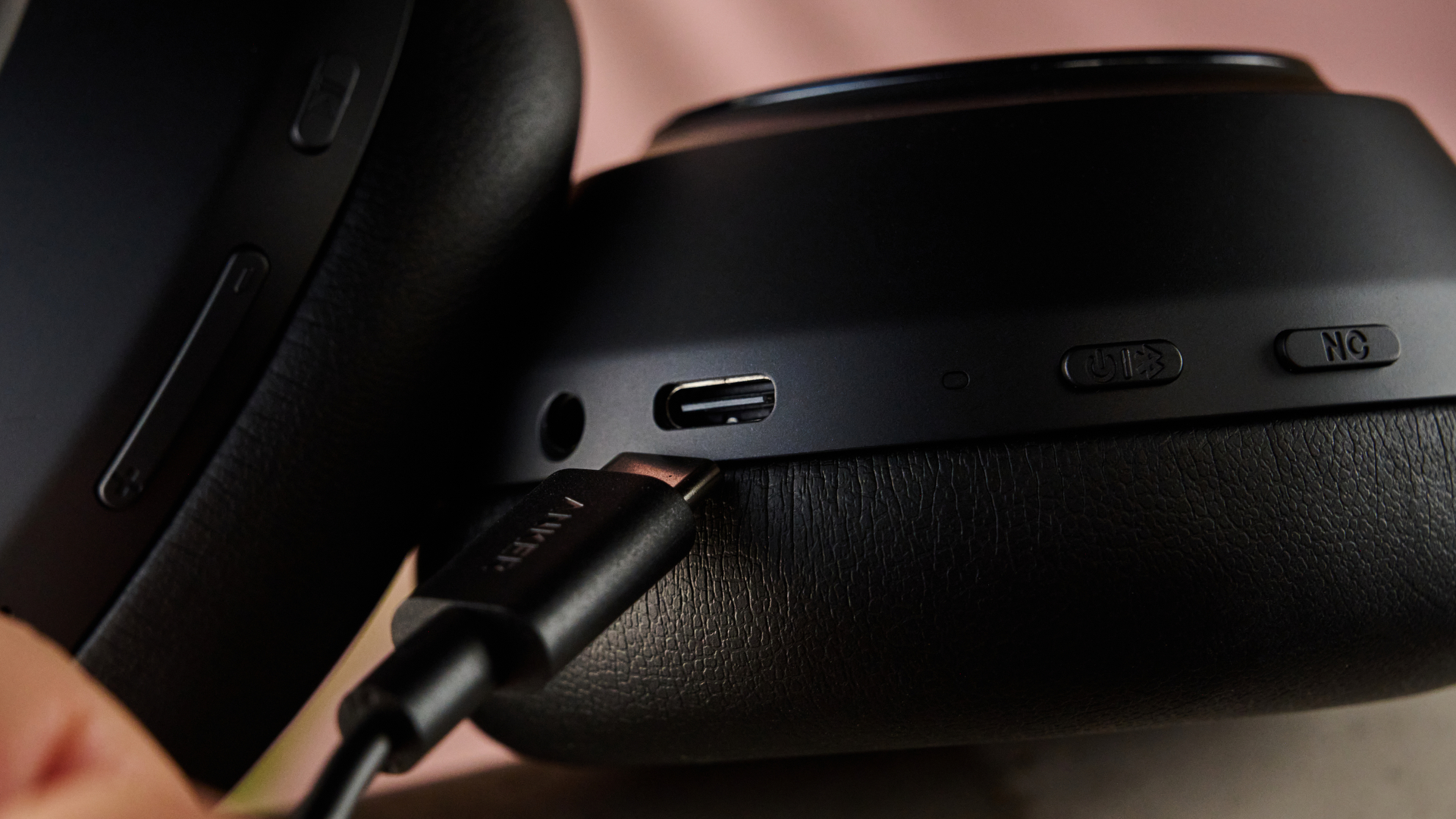
A notable compromise accompanying the integration of advanced processing hardware in the Space 2 Pro is a reduction in battery longevity compared to its predecessor. The headphones are rated for 30 hours of continuous playback with ANC enabled, and up to 60 hours with ANC deactivated.
While sufficient for typical daily use, these figures represent a step backward from the original Space One Pro and fall short of contemporary mid-range rivals. For comparison, alternatives such as the Nothing Headphone (a) deliver up to 75 hours of playback with ANC active. Industry analysts attribute this discrepancy to the continuous power demands of the upgraded chipset running local computational algorithms.
AI Integration and Software Functionality
Perhaps the most divisive element of the Anker Soundcore Space 2 Pro is its AI Chat functionality. Activated via a wake word ("Hey Anka"), the feature is intended to allow hands-free adjustments to device settings alongside general-purpose query handling.
Real-world evaluation of the AI integration highlights significant software instability. While trivial requests—such as general trivia retrieval—succeed, core device management functions frequently fail. In testing scenarios, requests to increase playback volume resulted in misinterpretations, repetitive error loops, and system unresponsiveness. Furthermore, the system occasionally initiated unprompted conversational sequences or stated limitations regarding tasks (such as timer configuration) that were never requested. These inconsistencies suggest the feature was rushed to market ahead of sufficient stability testing.
Design, Ergonomics, and Build Quality
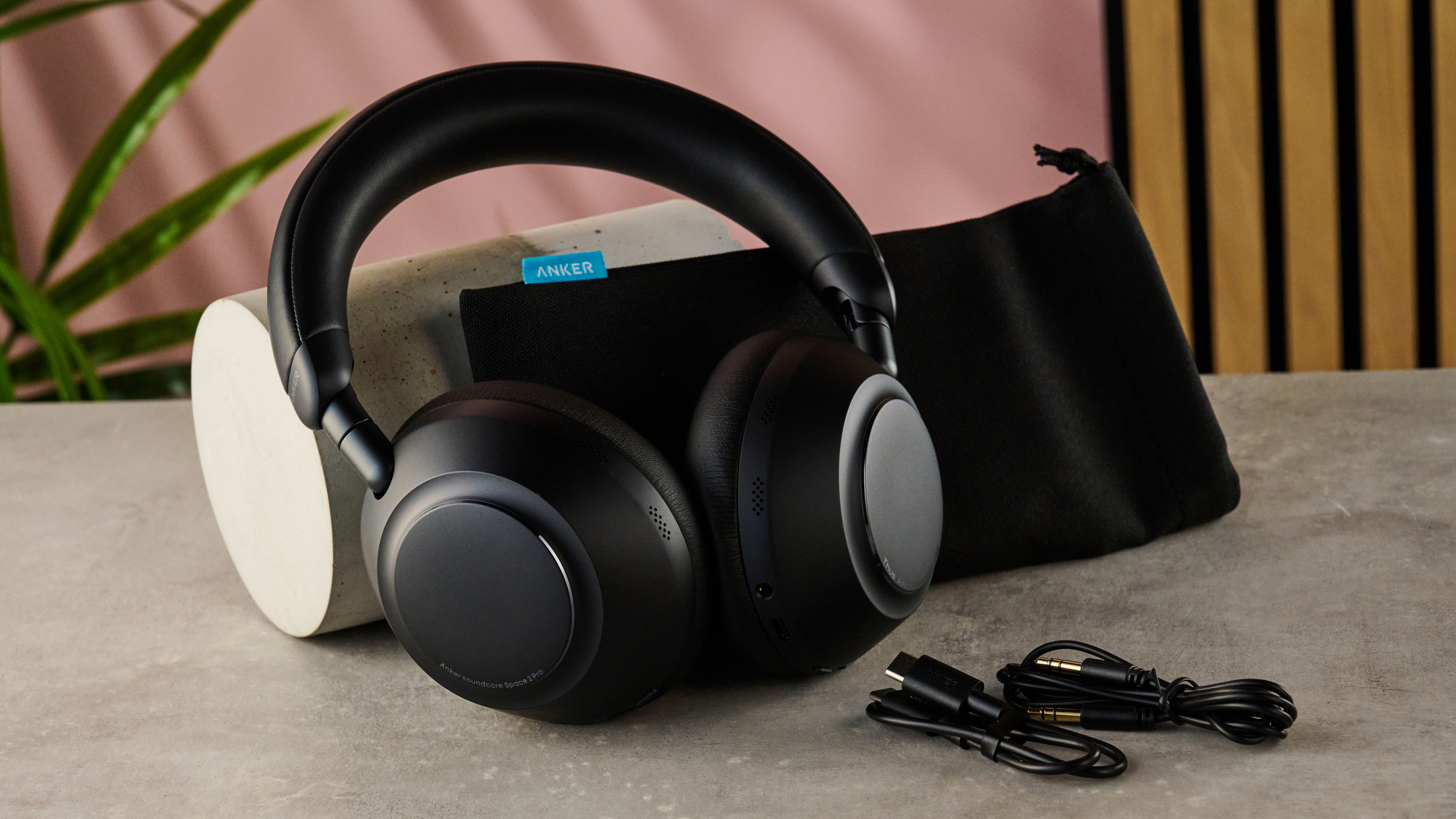
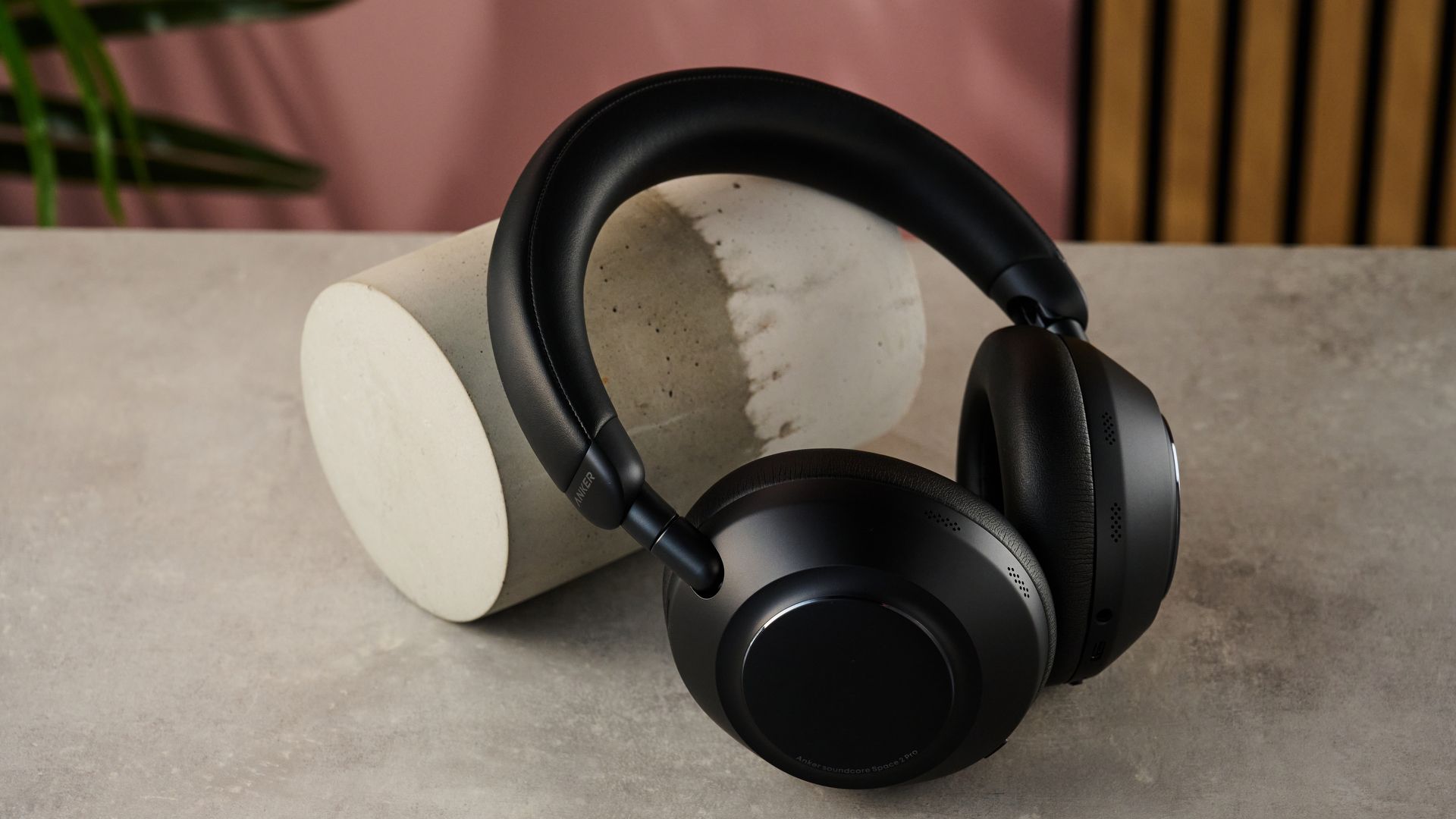
Physically, the Anker Soundcore Space 2 Pro excel in ergonomic comfort and industrial design. Utilizing premium plastics with refined finishes alongside a luxurious headband structure, the headphones project an aesthetic that belies their mid-range price tag. Generous memory foam padding on both the earcups and headband ensures fatigue-free listening during extended operating sessions.
The headphones retain a foldable design, though they lack the flat-folding configuration of their predecessors. Nevertheless, their compact footprint, paired with a durable travel case included in the retail packaging, reinforces their utility as portable daily drivers.
Market Positioning and Competitive Analysis
The Anker Soundcore Space 2 Pro enter a fiercely contested marketplace against established alternatives:
- Nothing Headphone (a): Priced competitively at $199 / £149 / AU$329, the Nothing Headphone (a) offer superior battery endurance (75 hours with ANC) and balanced acoustic performance, making them a formidable value-oriented alternative.
- Sony WH-CH730N: Targeting a more budget-conscious demographic ($179 / £99.99 / AU$229), Sony’s offering provides robust battery life and balanced sound profiles, though it cannot match the raw ANC efficacy of Anker’s hardware.
- Original Anker Soundcore Space One Pro: Given the price increase in select regions—such as a £50 jump in the UK, bringing launch pricing to £199.99—the previous-generation model remains a compelling, cost-effective alternative for consumers unwilling to pay a premium for unstable AI features and reduced battery longevity.
Implications and Consumer Verdict
The Anker Soundcore Space 2 Pro illustrate the complexities of iterative hardware development in the consumer audio sector. By prioritizing advanced chipsets, high-tier noise cancellation, and call quality, Anker has successfully elevated foundational performance metrics. However, regression in battery longevity, unrefined out-of-the-box bass tuning, and a flawed AI integration prevent the product from achieving a definitive recommendation at its full retail price point of $199.99 / £199.99 / AU$349.99.
For consumers prioritizing ergonomic comfort and exceptional noise cancellation, the Space 2 Pro remain capable contenders, particularly if acquired during promotional pricing events. For users seeking uncompromising battery life and acoustic balance, alternative models in the mid-range category currently offer a more cohesive user experience.