Tesla Full Self-Driving v15 rolls out to Early Access Program members with major safety and visualization upgrades

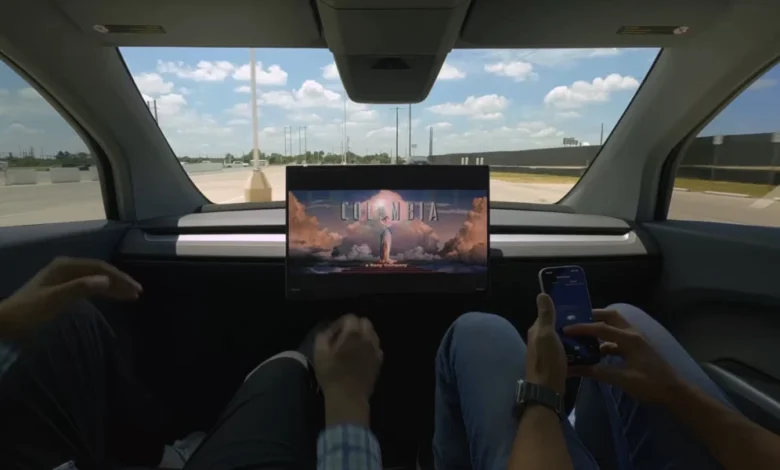
Tesla has officially initiated the rollout of Full Self-Driving (FSD) version 15 to members of its Early Access Program (EAP). This latest iteration of the company’s driver-assistance software represents a significant architectural overhaul, with CEO Elon Musk confirming that the update is designed to improve the end-to-end driving network across the board. The release, which comes ahead of a broader public launch scheduled for December 2026, introduces a suite of features aimed at enhancing vehicle responsiveness, situational awareness, and user transparency.
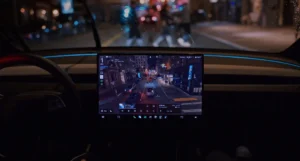
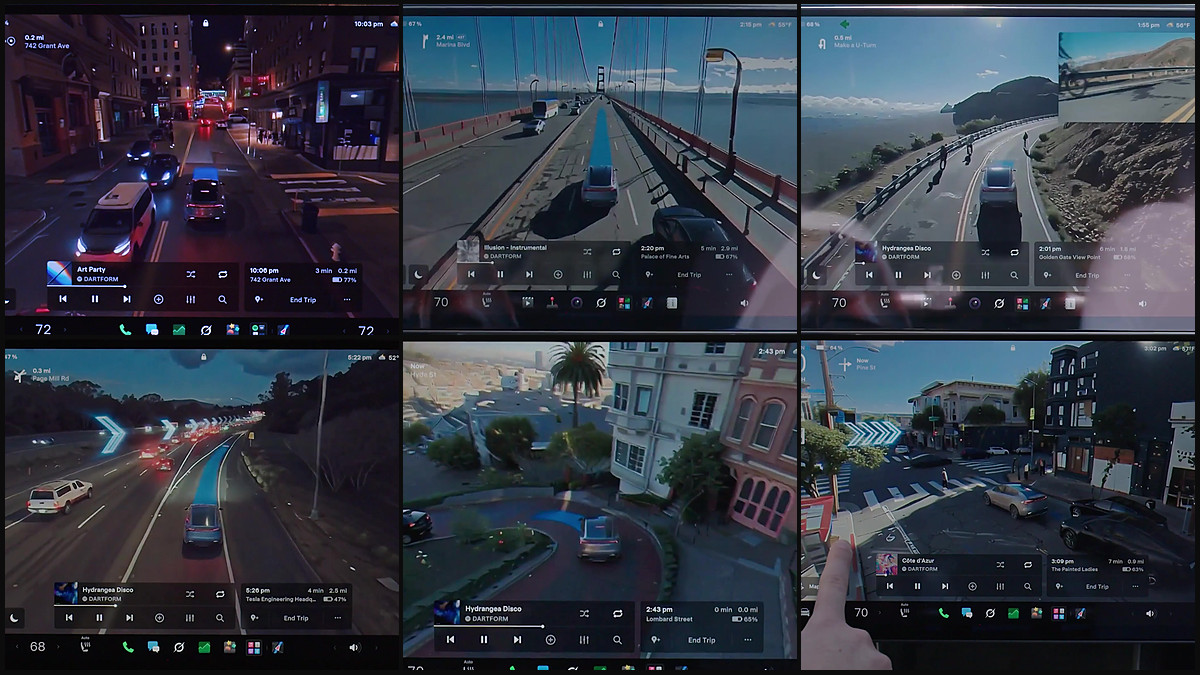
The deployment of v15 arrives at a pivotal moment for Tesla’s autonomous driving strategy. Following a year of intense focus on refining neural network training and data collection, the company has prioritized safety-critical performance, claiming that the new version offers a 25-fold improvement in handling dangerous driving scenarios. For many owners, the most immediate change will be the introduction of "Tesla Reality View," a sophisticated overhaul of the vehicle’s driver visualization system that provides a real-time, highly detailed representation of the environment.
A New Standard for Driver Visualization
The introduction of Tesla Reality View is arguably the most visually striking change in the v15 update. By leveraging advanced rendering capabilities—which industry analysts and previous code leaks suggest may be powered by Unreal Engine—the system offers a deeper level of transparency regarding the car’s decision-making process.
Unlike previous versions that relied on simplified, schematic representations of road objects, the new interface provides a fluid, high-fidelity visualization of the vehicle’s surroundings. This is not merely an aesthetic upgrade; it serves a functional purpose by allowing drivers to see exactly what the FSD system identifies and how it intends to navigate the environment. By providing this "live" view of the car’s internal logic, Tesla is attempting to bridge the trust gap between the AI’s capabilities and the human driver’s perception, helping users anticipate maneuvers before they occur.
Technical Enhancements and Safety Protocols
Beyond the interface, v15 introduces substantial refinements to the vehicle’s core perception and control systems. According to the official release notes provided by Tesla, the software has been optimized to better detect and react to a wider array of road hazards. This includes improved identification of debris, potholes, animals, and standing water—obstacles that have historically challenged autonomous systems.

Furthermore, the navigation logic has undergone a significant shift. The vehicle is now beginning to learn end-to-end from fleet route preferences for the start and end of trips, with plans to expand this learning capability to entire routes in subsequent v15 updates. This transition toward fleet-learned behavior is intended to make driving patterns feel more natural, particularly in sensitive areas such as school zones or during inclement weather, where speed modulation has often been a point of friction for FSD users.
Additional functional updates include:
- Speed Camera Detection: The system can now actively identify and adjust speeds based on traffic camera locations.
- Bike Rack Mode: Responding to long-standing user feedback, Tesla has introduced a specific mode that enables the use of FSD while hitch-mounted bike racks or similar accessories are attached, preventing the system from disabling itself due to sensor obstruction.
- Collision Avoidance: The aforementioned 25x improvement in safety-critical handling suggests that the underlying neural networks have been retrained on a more diverse and challenging set of edge cases, significantly reducing the likelihood of intervention in high-stakes traffic situations.
Chronology of Development
The path to FSD v15 has been marked by a series of incremental, high-pressure development cycles. Earlier this year, Tesla’s Head of AI, Ashok Elluswamy, hinted at the upcoming safety and collision-avoidance upgrades, setting the stage for a more robust release in the fourth quarter.

The timeline accelerated in November 2026, when Elon Musk provided a series of updates via social media. On November 21, 2026, Musk characterized the fine-tuning process as "getting a haircut with a chainsaw," emphasizing the need for systemic improvements over minor code adjustments. He confirmed that the wide-release schedule for v15 would coincide with the 2026 Holiday Update, marking it as a centerpiece of Tesla’s year-end product strategy.
This rollout strategy follows a familiar pattern: initial testing through the Early Access Program allows Tesla to gather real-world data from a subset of experienced users before pushing the software to the wider fleet. This iterative approach is designed to catch residual bugs and ensure that the "mind-bending" UI changes perform reliably across the varied hardware configurations within the Tesla fleet, particularly those utilizing the AI4 computing suite and AMD Ryzen processors.
Broader Implications for Autonomy
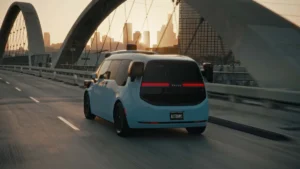
The release of v15 is inextricably linked to Tesla’s wider goal of achieving unsupervised autonomous driving. As the company expands its Robotaxi operations—which recently saw the deployment of Cybercab services in cities like Dallas and Austin—the refinement of personal FSD software becomes a critical benchmark.

Industry experts view the transition to v15 as a test of whether Tesla can successfully merge its consumer-facing FSD product with the higher-level autonomy required for its dedicated driverless fleet. By incorporating fleet-learned route preferences and optimizing the system for diverse environmental conditions, Tesla is effectively using its consumer base as a massive data-collection engine. This data is then used to refine the "end-to-end" neural networks that govern both the personal FSD experience and the performance of the Cybercab.
Moreover, the integration of hardware-specific features like Bike Rack Mode and improved navigation logic suggests a maturation of the product. Tesla is moving beyond the "experimental" phase of FSD, where the focus was primarily on basic lane-keeping and traffic light detection, into a "refinement" phase where the system must mimic human intuition to be accepted for daily use.
The Role of Corporate Strategy
The intensity surrounding the v15 release is also reflective of the broader corporate landscape at Tesla. During recent investor summits and public appearances, including a visit to Giga Shanghai, Musk has underscored that the future value of the company rests heavily on the success of its AI, robotics, and autonomy platforms.
The push to make FSD more capable and intuitive is not just a feature update; it is a fundamental part of the company’s valuation thesis. As Tesla navigates potential synergies with other ventures, such as SpaceX, the ability to demonstrate a scalable, safe, and highly functional autonomous system remains the primary driver of market confidence.
Future Outlook
While v15 represents a massive leap forward in visualization and safety, the automotive industry continues to watch for the next "holy grail" of the platform: the transition to full, unsupervised autonomy for personal vehicles. While v15 does not officially mark the end of the "Supervised" label, the increased capability in navigating complex road scenarios and the removal of common pain points like lane-changing behavior suggest that the gap between supervised and unsupervised operation is narrowing.
For the immediate future, Tesla owners can expect a series of follow-up updates to the v15 branch as the company gathers data from the Early Access Program. These updates will likely address edge-case performance and further refine the UI based on user interaction. With the wide release scheduled for December, the company is positioning v15 to be the most significant software update in the history of the Tesla fleet, setting the tone for the company’s technological trajectory as it heads into 2027.

As Tesla continues to push the boundaries of what is possible with camera-based vision systems, the v15 update serves as a tangible demonstration of the progress made in neural network architecture. Whether it will satisfy the demands of regulators and the expectations of a public eager for true autonomy remains to be seen, but the update undeniably signals that Tesla’s approach to driving is becoming increasingly sophisticated, data-driven, and visually immersive.