Waymo Faces Nationwide Freeway Suspension Following Safety Incidents and Regulatory Pressure in California

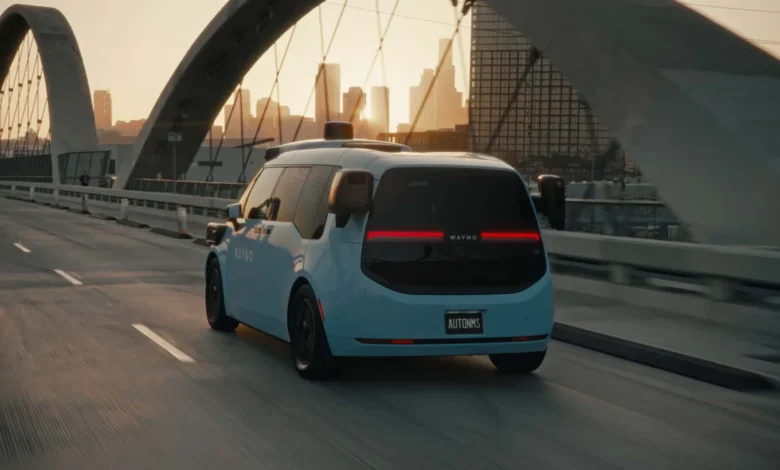
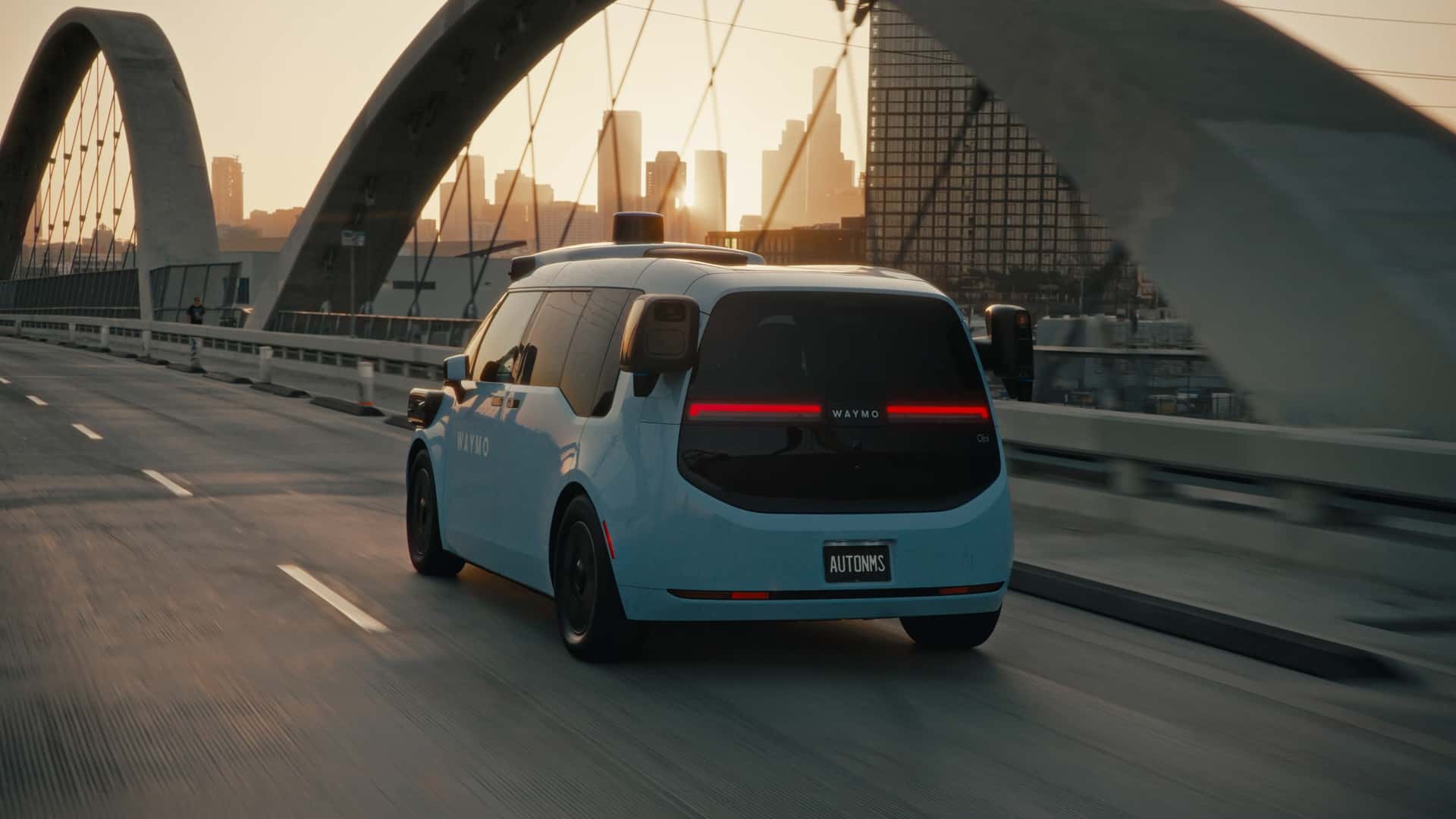
Autonomous vehicle leader Waymo has officially expanded its recent regional restrictions into a nationwide safety pause, voluntarily suspending interstate and freeway operations for its robotaxi fleet across the United States. This decision comes in the wake of intensifying regulatory scrutiny from California officials and a series of high-profile operational hiccups involving closed freeway lanes, construction zones, and unpredictable law enforcement traffic controls. While Waymo’s autonomous driving software has demonstrated impressive capabilities in standard urban grid environments, these recent developments underscore the complex, deeply social nuances of human driving that continue to challenge automated vehicle technology.
The Path to the Nationwide Suspension: A Chronological Overview
The sequence of events leading to Waymo’s nationwide pause unfolded rapidly over the course of a few weeks. The catalyst occurred in California, where state regulators and transportation authorities flagged recurring behavioral anomalies in Waymo vehicles navigating complex freeway environments. Specifically, incidents involving improper handling of closed freeway lanes, active construction zones, and unexpected interactions with emergency vehicles prompted immediate concern.
Following these high-profile incidents, California transportation authorities effectively barred Waymo’s robotaxis from operating on state freeways earlier in the month. Rather than fighting the regional restriction, Waymo took a proactive approach. On Wednesday of the following week, the company announced a voluntary nationwide suspension of interstate and high-speed highway operations. By Friday, Waymo formally initiated a broader software recall addressing the underlying navigation and situational awareness issues identified during these freeway events.
Consequently, Waymo’s entire commercial fleet of robotaxis has been temporarily pulled from fast-moving thoroughfares and redirected back to local roads, suburban streets, and minor state highways where speeds and traffic dynamics are more predictable.
Anatomy of a Breakdown: Autonomous Systems Meet Human Social Driving
The core technical challenge exposed by these recent incidents goes far beyond simple path planning or obeying posted speed limits. Autonomous driving systems are fundamentally engineered around rigid legal frameworks, high-definition mapping, and deterministic rules: stop at red lights, maintain a safe following distance, stay within lane markers, and yield to clearly identified right-of-way scenarios.
However, real-world driving on major highways and urban corridors is rarely governed solely by static rules. Instead, driving is an inherently social, cooperative behavior built on subtle visual cues, implicit communication, and ad-hoc problem-solving.
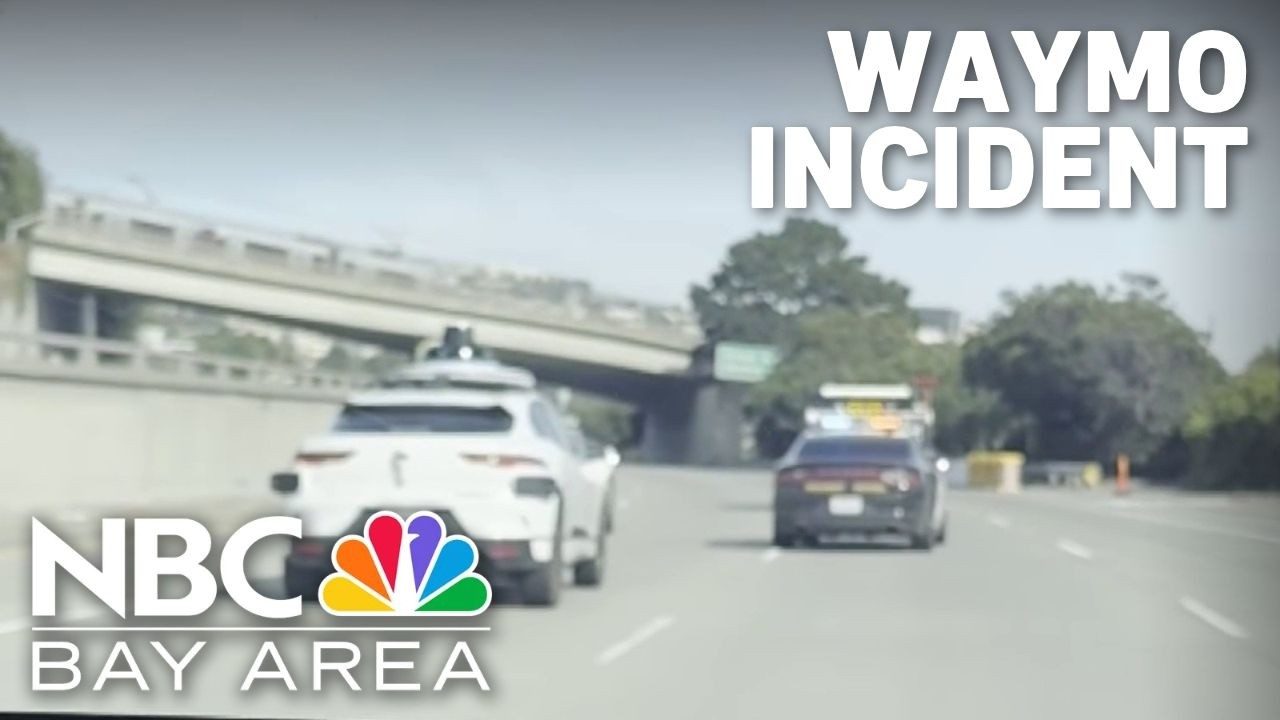
A prime example of this friction is the California Highway Patrol (CHP) "rolling road block," commonly referred to as a traffic break. When debris litters a highway, an accident occurs ahead, or authorities need to slow down speeding traffic before a blind corner, CHP cruisers will deploy across all lanes of traffic, activating emergency lights and executing a slow, zigzagging pattern. To a human driver, the intent is immediately clear: despite the open lanes ahead, you do not pass the flashing police cruisers; you fall in line, reduce speed, and let law enforcement dictate the pace.
Waymo’s autonomous software, however, has occasionally struggled to contextualize these dynamic, non-standard commands. In video footage reviewed by safety analysts, a Waymo vehicle confronted with a CHP traffic break attempted to navigate around or proceed past the blocking cruisers—actions that directly undermined the safety perimeter established by officers. While human intervention or onboard safety mechanisms successfully prevented a dangerous breach, the potential for a fully driverless robotaxi to inadvertently bypass active construction zones or police blockades presents a severe liability for both the company and public safety officials.
The Challenge of Manual Traffic Control
Beyond highway traffic breaks, Waymo’s recent software recalls highlight parallel difficulties with manual traffic control in urban intersections. Whether due to localized power outages, special events, or heavy congestion, police officers and municipal traffic personnel frequently step into intersections to direct traffic manually.
These scenarios require autonomous vehicles to interpret arbitrary human gestures—hand waves, stop signals, and directional pointings—that may contradict standard traffic signal lights or digital map data. If a robotaxi loses sight of the officer, misinterprets a gesture, or encounters an unauthorized individual posing as a traffic controller, the risk of erratic behavior escalates significantly. Furthermore, if an officer directs a robotaxi down an alternate route that inadvertently leads onto a restricted highway, the vehicle faces an immediate compliance and operational dilemma.
Broader Industry Implications and the Road Ahead
Waymo’s current predicament illustrates the widening gap between technical proficiency and contextual comprehension in the autonomous vehicle sector. Statistically, Waymo’s safety data frequently paints a favorable picture when compared to human drivers under normal operating conditions, with many industry metrics showing significantly lower collision rates per mile on standard city streets. Yet, public trust and regulatory approval are exceptionally sensitive to edge cases—unpredictable, low-frequency events that require real-time human intuition.
Transportation regulators, municipal governments, and federal safety agencies are increasingly demanding that autonomous vehicle developers prove their fleets can safely handle exceptions to the rule. For Waymo, resolving these issues will require extensive software updates, enhanced machine learning models capable of better recognizing and respecting emergency personnel gestures, and closer collaboration with law enforcement agencies nationwide.
As Waymo works through these software refinements under its latest recall, the fleet will continue to refine its capabilities on local roadways. The path to fully autonomous nationwide deployment is proving to be an iterative process of learning not just how to drive by the book, but how to navigate the messy, cooperative, and deeply social reality of human traffic.