2027 Cadillac Lyriq-V Officially Launches In Australia And New Zealand With High-Performance Electric Power

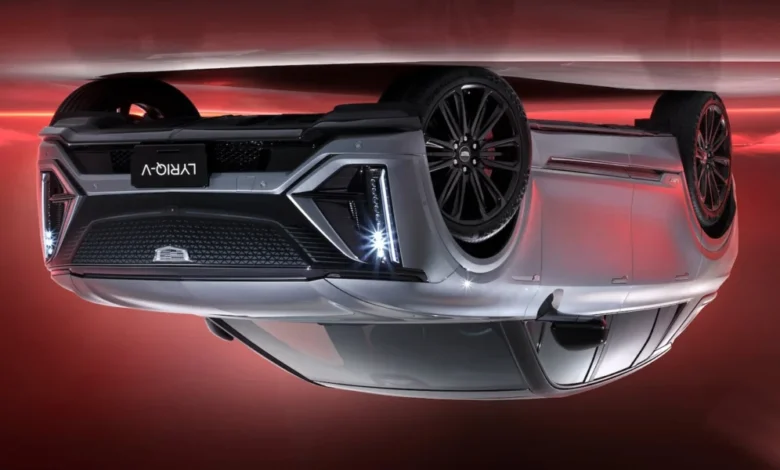
General Motors has officially confirmed the introduction of its high-performance flagship electric vehicle, the 2027 Cadillac Lyriq-V, to the markets of Australia and New Zealand. This strategic rollout marks a significant milestone in the American automotive giant’s broader global expansion strategy for its premier luxury division, Cadillac. Following the brand’s high-profile entry into Formula 1 earlier in the year and its ongoing push into international territories like Brazil, GM is actively establishing Cadillac as a formidable global competitor in the luxury electric vehicle sector. By introducing the ultra-hot, V-series Lyriq-V to dealers Down Under, GM is answering the growing international demand for zero-emission vehicles that do not compromise on power, prestige, or driving dynamics.
The 2027 Cadillac Lyriq-V represents a watershed moment for the brand, introducing the historic V-Series performance badge to the electric era for the very first time. Designed to cater to enthusiasts who crave immediate torque and precision handling, the Lyriq-V brings an exceptional level of engineering and theatrical performance to the luxury crossover segment. The vehicle is engineered to deliver a driving experience that honors Cadillac’s storied performance heritage while fully embracing the silent, instant acceleration made possible by advanced battery-electric architecture.
Performance Specifications and Engineering Marvels
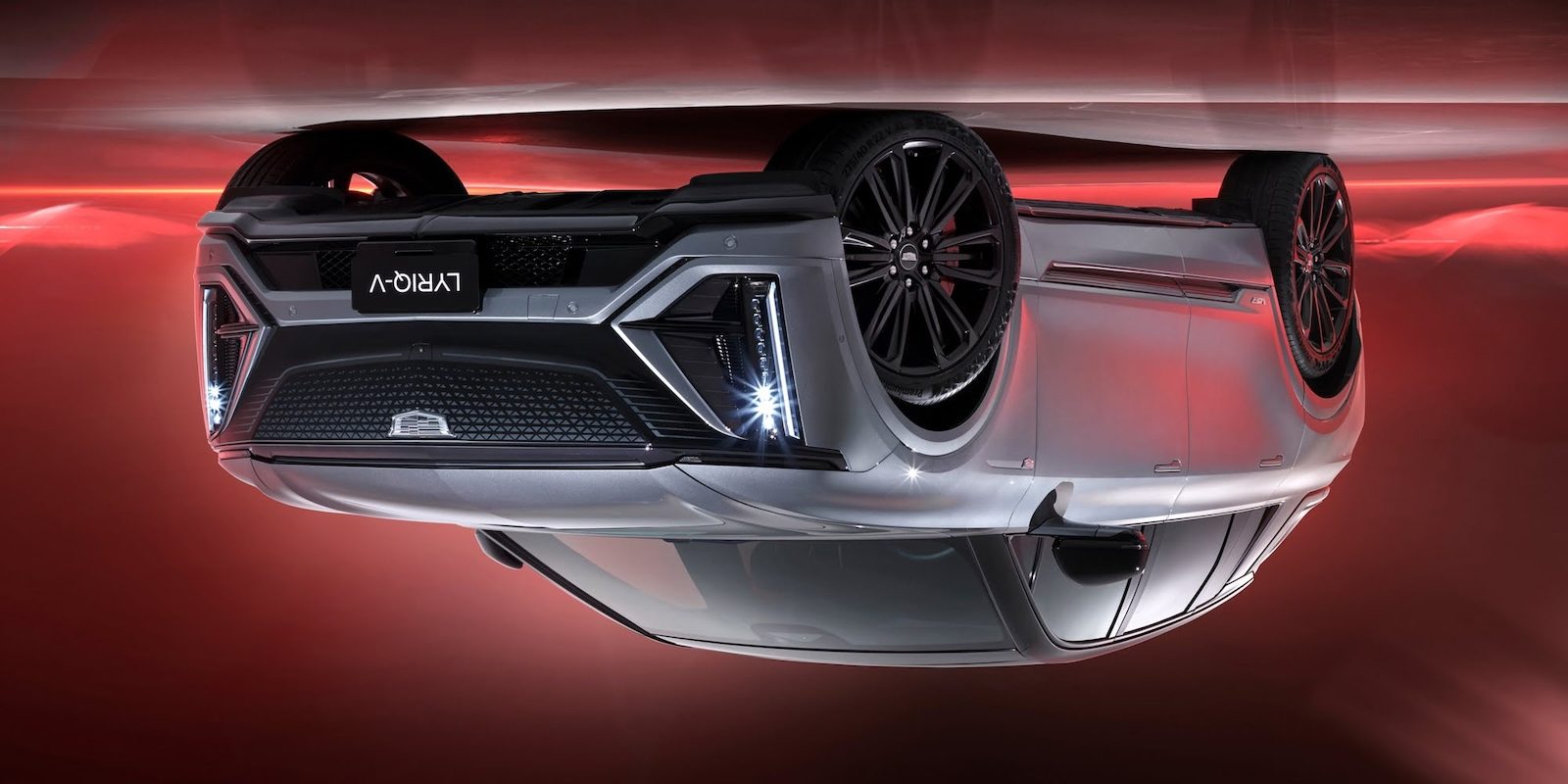
Underneath its sharply sculpted exterior, the 2027 Cadillac Lyriq-V houses a formidable powertrain capable of producing an impressive 615 horsepower (459 kW) and 650 lb-ft (880 Nm) of torque. This immense output translates to staggering real-world performance, allowing the heavy luxury SUV to sprint from 0 to 100 km/h (approximately 62 mph) in a mere 3.6 seconds. Despite its sports-car-rivaling acceleration, the Lyriq-V has been carefully tuned to retain the hallmark refinement, cutting-edge technology, and everyday usability that consumers expect from the standard Lyriq experience.
For its launch in Oceania, General Motors has tailored the Lyriq-V to meet the specific regulatory and infrastructural requirements of right-hand-drive (RHD) markets. Following the initial RHD configuration debuted in Japan earlier in the year, the Australian and New Zealand variants feature the driver-side configuration necessary for local roads. Furthermore, international models are equipped with a market-specific 92 kWh battery pack. This tailored energy storage system provides an estimated driving range of 471 kilometers (approximately 295 miles) on the rigorous WLTP combined cycle, ensuring that drivers can balance high-performance thrills with practical long-distance touring capabilities.
Localization and Distinctive Regional Adjustments
Bringing a vehicle engineered primarily for North American tastes across the Pacific requires meticulous attention to detail. According to reports from industry insiders at GM Authority, the Oceania-bound 2027 Cadillac Lyriq-V incorporates several distinct modifications compared to its domestic counterpart. Beyond the right-hand-drive steering setup, engineers implemented localized trim adjustments, including larger side mirrors designed to comply with specific regional visibility standards, and exclusive interior upholstery materials tailored to the preferences of luxury buyers in Australia and New Zealand.
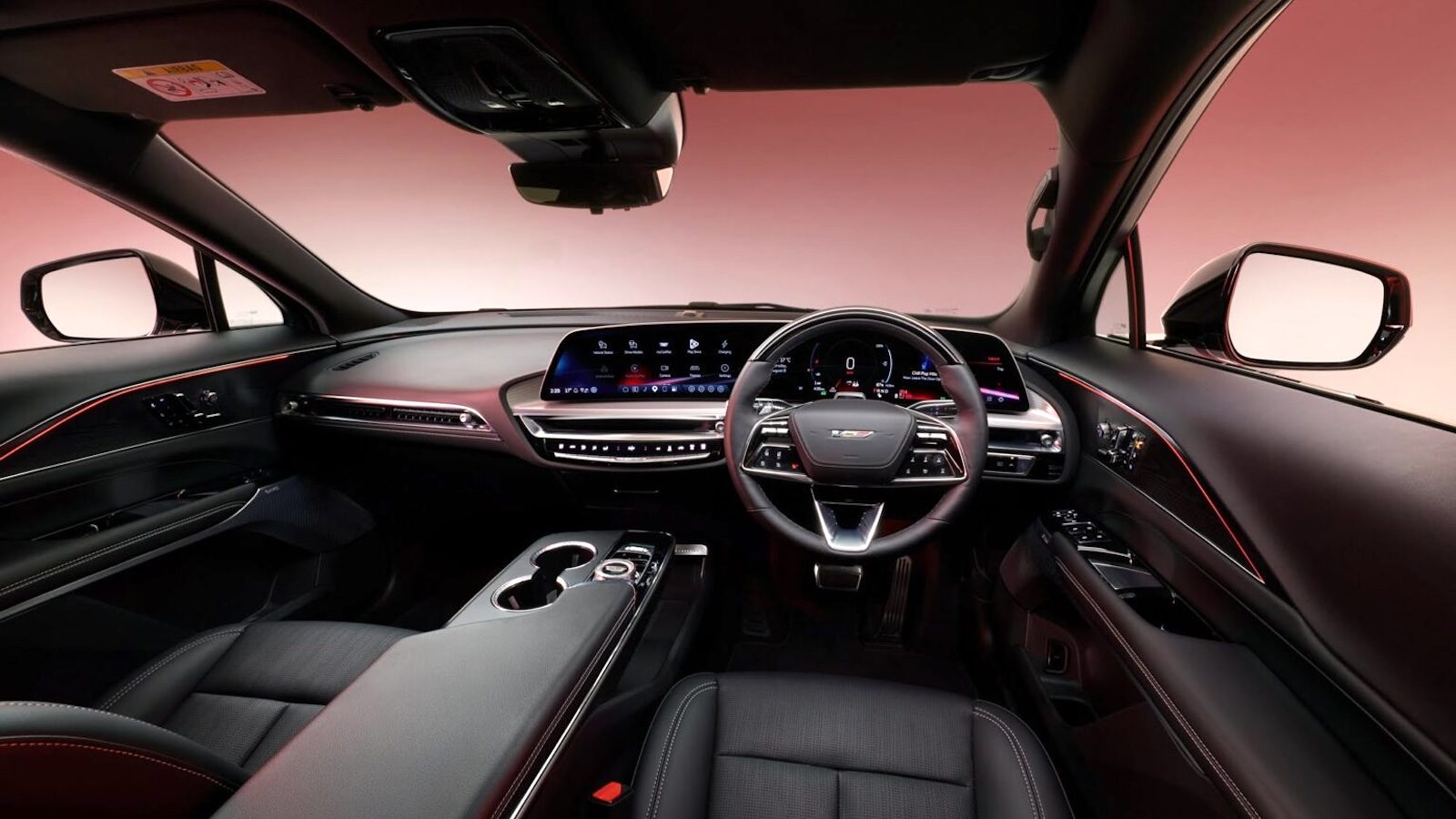
The interior continues to showcase Cadillac’s modern design philosophy, anchored by a sweeping curved infotainment display module that merges the driver’s instrumentation and central control systems into a single seamless interface. Premium materials, advanced driver-assistance technologies, and vehicle-to-grid (V2G) capabilities further elevate the package. The inclusion of V2G technology allows the Lyriq-V to serve as more than just a mode of transportation, empowering owners to integrate their vehicles directly into home or local energy grids—a feature of increasing importance as Australia and New Zealand expand their renewable energy infrastructure.
Pricing and Regional Market Strategy
Strategic pricing will play a critical role in positioning the Cadillac Lyriq-V against established luxury EV competitors in the Southern Hemisphere. General Motors has announced that the vehicle will start at 109,000 NZD, which translates to approximately $62,500 USD. This competitive pricing structure aims to capture market share from established European and Asian luxury brands that have dominated the high-end electric vehicle space in Australia and New Zealand over recent years.
Greg Rowe, Acting Managing Director of GM Australia and New Zealand, emphasized the strategic importance of the launch during the official announcement. "Lyriq-V is a landmark vehicle for Cadillac in Australia and New Zealand," Rowe stated. "It brings the V-Series badge into the electric era for the first time, and delivers the immediacy, the precision, and the drama our customers expect from a performance Cadillac. At 459 kW, 880 Nm and 3.6 seconds from 0-100 km/h, it is a genuine performance SUV, but it also retains the refinement, technology and everyday usability that define the Lyriq experience."

The Chronology of GM’s Global Expansion
The arrival of the Lyriq-V in Oceania does not occur in a vacuum; rather, it is the latest chapter in a carefully orchestrated global playbook executed by General Motors throughout 2026. The timeline of Cadillac’s international renaissance began earlier in the year with the official debut of GM’s Formula 1 team, a move designed to elevate global brand awareness and showcase the company’s technical prowess at the pinnacle of motorsport.
In May 2026, Cadillac formally expanded its footprint into South America by entering the Brazilian market, demonstrating that the luxury marque was no longer content to rely solely on its traditional North American stronghold. Throughout the summer, GM continued to align its broader electric vehicle ecosystem, announcing in August 2026 that its upcoming portfolio of EVs would feature direct integration with Tesla Superchargers, greatly easing range anxiety for consumers worldwide. The announcement of the Lyriq-V for Australia and New Zealand in September 2026 solidifies this multi-region expansion strategy, proving that GM’s luxury electric ambitions are moving forward on schedule.
Broader Industry Implications and Future Outlook

The introduction of a high-performance electric SUV like the Cadillac Lyriq-V to right-hand-drive markets carries significant implications for the global automotive landscape. As traditional automotive powerhouses pivot toward electrification, brand heritage must be successfully translated into zero-emission formats to retain loyal customer bases. By deploying its legendary V-Series nomenclature onto a battery-electric platform, Cadillac is signaling to the market that electrification does not mean the death of automotive passion or performance.
Furthermore, the integration of vehicle-to-grid technology highlights a growing trend where electric vehicles are viewed not merely as consumer products, but as mobile energy assets capable of stabilizing local power grids. As nations like Australia continue to adopt policies favorable to smart-grid integration and renewable energy storage, vehicles equipped with bidirectional charging capabilities will possess a distinct competitive advantage.
Ultimately, the 2027 Cadillac Lyriq-V serves as a litmus test for GM’s ability to export its domestic luxury identity to culturally distinct international markets. With competitive pricing, blistering performance specifications, and thoughtful localization adjustments, Cadillac is positioning itself to carve out a lucrative niche among discerning buyers Down Under. As the first units prepare to arrive at regional dealerships, industry observers will be watching closely to see how effectively the storied American brand captures the imagination—and the business—of international luxury EV enthusiasts.