SpaceX turned a heralding moment for Starship into its greatest moment

In a landmark achievement for aerospace engineering and commercial spaceflight, SpaceX’s Starship system successfully reached orbit on September 28, 2026, during Flight 14. This mission, which culminated in the deployment of 26 next-generation Starlink V3 satellites, represents a pivotal shift in the company’s operational capabilities. Despite facing a critical engine anomaly during ascent—a scenario that had been pre-calculated as a potential abort trigger—SpaceX flight controllers made the high-stakes decision to proceed with orbital insertion. The successful execution of this maneuver marks the transition of Starship from an experimental prototype platform to a functional, revenue-generating orbital launch vehicle.
A High-Stakes Ascent
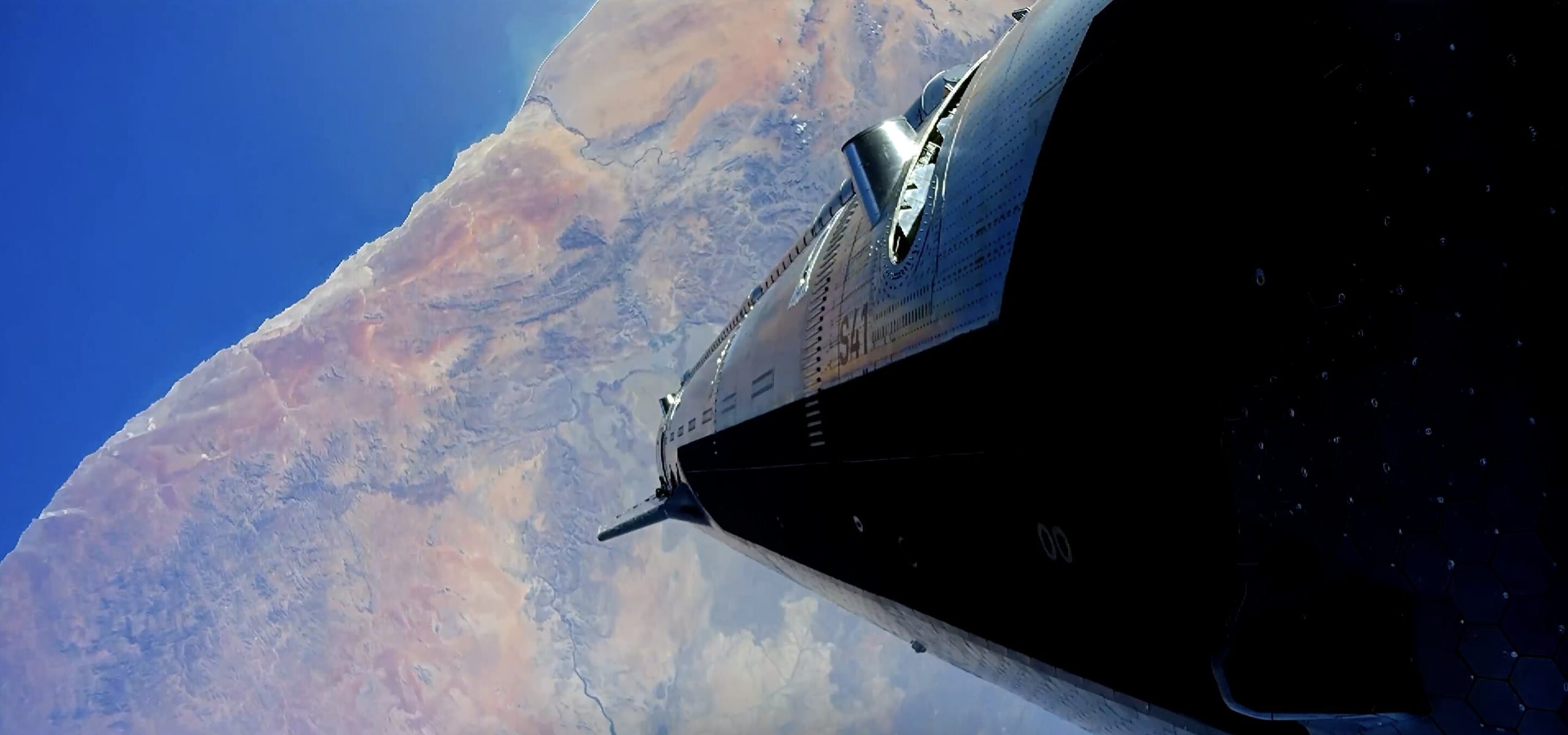
The launch of Ship 41 from the Starbase facility in Texas began with the familiar roar of Raptor engines, but the mission profile shifted rapidly during the ascent phase. Approximately midway through the climb, one of the six Raptor engines experienced an early shutdown. This development triggered an immediate evaluation by SpaceX’s mission control. Flight director Dan Huot initially informed observers that the team had decided against committing to orbit, citing the pre-established safety protocol that mandated a specific number of functional engines for a safe deorbit burn.
However, the final poll shifted after an intense period of deliberation among engineers. Recognizing the robust design margins of the vehicle, the team approved a 19-second burn of a single Raptor engine to achieve orbital insertion at an altitude of approximately 170 miles. This reversal of the original mission plan underscored the company’s evolving confidence in the Starship architecture. By prioritizing the mission over a conservative, pre-planned abort, SpaceX validated the system’s ability to recover from hardware failures in real-time.
The Starlink V3 Advantage
The successful delivery of 26 Starlink V3 satellites is the primary driver of this mission’s commercial success. Each V3 satellite is a technical marvel, capable of providing roughly 1 terabit per second (Tbps) of downlink capacity and 160 gigabits per second (Gbps) of uplink capacity. By deploying 26 units in a single launch, SpaceX has injected approximately 26 Tbps of capacity into its global network, an order of magnitude increase over the payload capabilities of the Falcon 9 rocket.
The V3 satellites are physically larger than their V2 Mini predecessors, rendering them incompatible with the Falcon 9 fairing. Consequently, Starship is now essential to the future expansion of the Starlink constellation, which aims to reach 100,000 operational satellites. These satellites are currently raising their orbits and are expected to begin providing enhanced broadband service to consumers within weeks. This development is projected to generate hundreds of millions of dollars in additional quarterly revenue, providing a significant boost to SpaceX’s financial outlook following a period of market volatility.

Strategic Governance and Market Pressure
The decision to press forward with the mission was not made in a vacuum. SpaceX, now a publicly traded entity, has faced heightened scrutiny from shareholders, particularly after the stock price ($SPCX) dipped in July following the delay of Flight 13. The increased short interest reflected investor anxiety regarding the company’s heavy reliance on Starship’s development.
Elon Musk has structured SpaceX’s governance to insulate long-term engineering bets from short-term market fluctuations. By pushing for a successful orbit despite an engine failure, SpaceX demonstrated that its operational strategy remains focused on technical mastery rather than merely appeasing Wall Street sentiment. The successful landing and subsequent data collection from Ship 41—which completed its flip and landing burn before breaking apart in the Pacific—provided the engineering data necessary to justify the risk taken earlier in the flight.
The Future of the Semi and Robotaxi Ecosystem
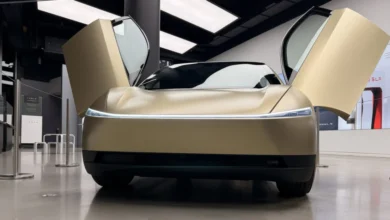
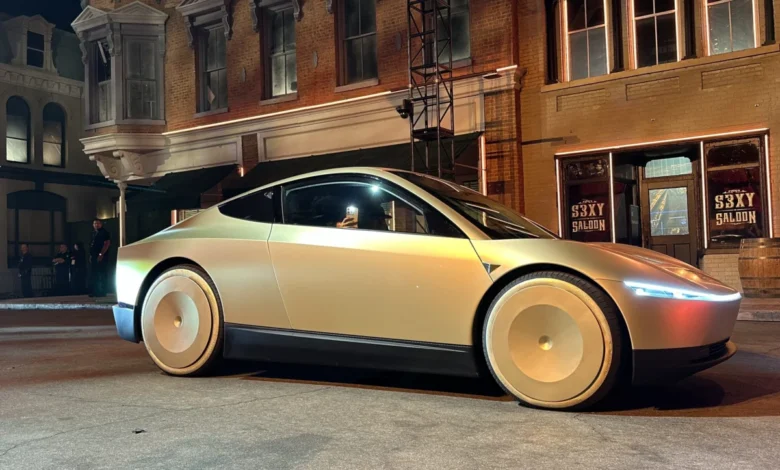
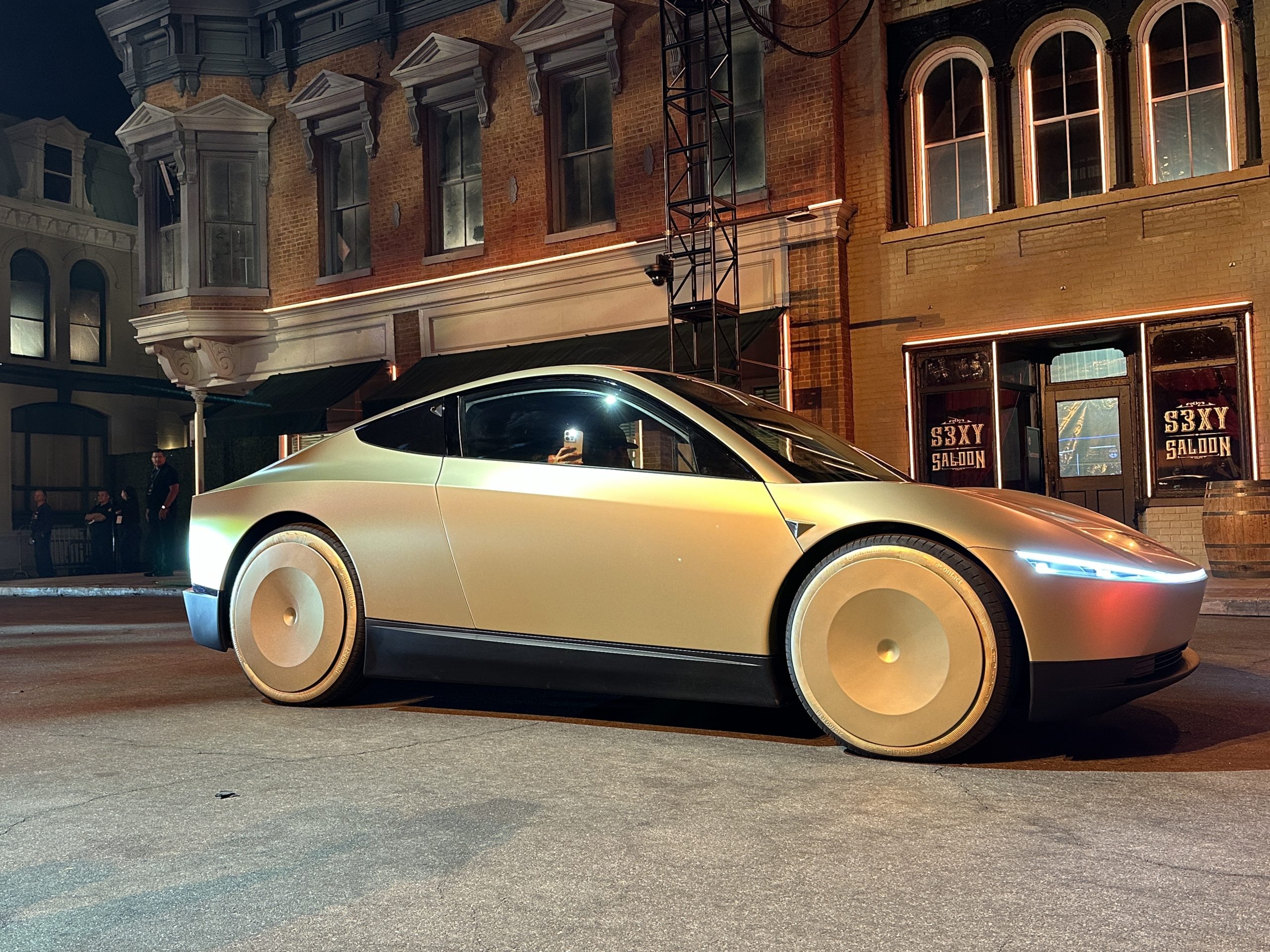
While SpaceX continues to push the boundaries of orbital flight, Tesla is concurrently accelerating its own automation initiatives, signaling a broader push by the Musk-led companies to revolutionize logistics and transport. In Austin, Texas, Tesla has quietly doubled its Cybercab fleet to over 100 units. This rapid expansion of the robotaxi program indicates that Tesla’s Full Self-Driving (FSD) software is gaining the necessary maturity to operate in complex urban environments without human intervention.
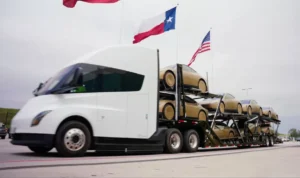
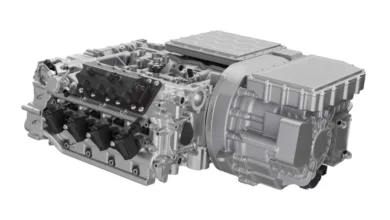
Simultaneously, Tesla is implementing a "zero human touch" manufacturing philosophy for its Semi production line in Sparks, Nevada. By automating the unloading and consumption of 4680 battery cells produced at Giga Texas, Tesla is effectively shortening the supply chain. This closed-loop system is designed to minimize handling damage and labor costs, further enhancing the economic viability of the all-electric trucking program. The integration of components like bar-wound stators—shared between the Semi and the Cybertruck—demonstrates a commitment to cross-platform efficiency.
Chronology and Operational Outlook
The current momentum across Musk’s ventures suggests a rapid scaling phase for the remainder of 2026. The flight timeline for Starship remains aggressive, with Flight 15 tentatively scheduled for October 19. SpaceX’s engineering team has a three-week window to diagnose the root cause of the engine shutdown observed during Flight 14.
The successful deployment of Starlink V3 satellites also signals the beginning of a transition away from Falcon 9-based Starlink launches. As Starship enters routine service, the cost-per-kilogram to orbit is expected to drop significantly, effectively creating an economic moat that competitors will struggle to overcome.

Implications for the Aerospace Industry
The success of Flight 14 marks a watershed moment for the heavy-lift industry. By proving that Starship can sustain a critical engine loss and still deliver a vital payload, SpaceX has shifted the narrative from "will it fly" to "how often can it fly." The reliance on the vehicle for the future of the Starlink network ensures that there is a constant, high-value demand for every flight.
Furthermore, the integration of SpaceX’s orbital success with Tesla’s logistics and transport advancements points to a singular vision of infrastructure-scale automation. Whether it is the automated assembly of the Semi or the orbital deployment of high-capacity satellites, the underlying theme is the elimination of manual, error-prone processes.
Official Responses and Technical Data
In the wake of the successful splashdown, the official SpaceX communications team confirmed that all 26 satellites were operating nominally. Musk’s public commentary emphasized the importance of caution regarding debris, explaining the decision to move the splashdown zone from near the Chilean coast to the North Pacific. This shift in the landing profile reflects the company’s increasing focus on safety and regulatory compliance as launch frequency increases.
As production ramps up at the Nevada Semi plant to a target of 50,000 units per year, the "zero human touch" manufacturing approach will serve as a critical test for Tesla. The company’s ability to scale this model will determine whether it can maintain the price competitiveness of its electric fleet while meeting the growing demand from major logistics providers like PepsiCo and DHL.
In summary, September 2026 has proven to be a defining month for both SpaceX and Tesla. The transition of Starship into a reliable, payload-carrying workhorse and the expansion of the Cybercab fleet in Austin suggest that the technology ecosystem overseen by Elon Musk is entering a phase of exponential utility. As the industry looks toward Flight 15, the focus will remain on whether these highly automated systems can sustain their current pace of innovation without compromising the rigorous safety and performance standards required for mass-market, global-scale operations.