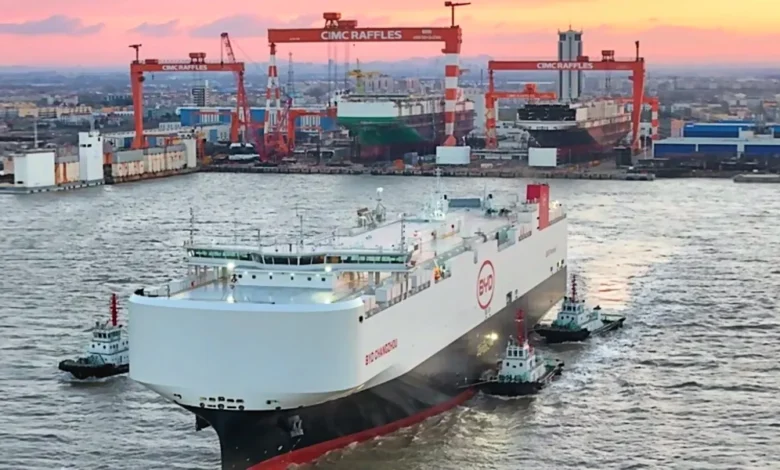
Chinese electric vehicle giant BYD is aggressively scaling up its maritime logistics capabilities to support its rapid global expansion. According to recent reports from industry chain sources and Middle Eastern maritime publication Robban Assafina, the automaker has placed an order for ten additional pure car and truck carriers (PCTCs), each boasting a massive capacity of 9,200 cars. This massive fleet expansion underscores the automaker’s intent to dominate international automotive markets, particularly in Europe, the United Kingdom, and North America, where demand for Chinese-manufactured new energy vehicles (NEVs) continues to surge despite tightening regulatory scrutiny.
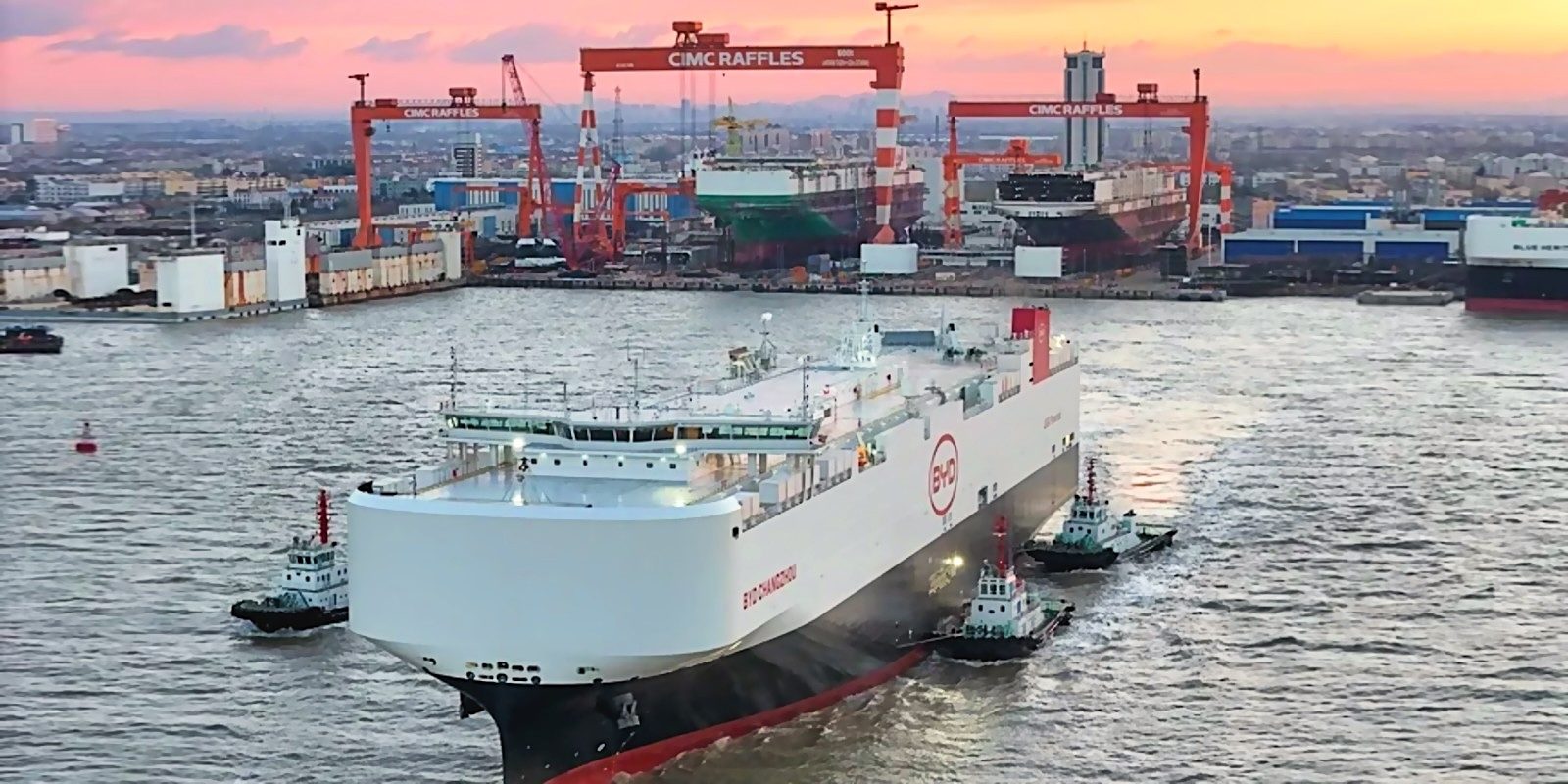
The latest acquisition builds upon the foundational deployment of the BYD Shenzhen, the world’s largest vehicle transport ship, which successfully completed its maiden voyage last year. That vessel, providing an astonishing 9,200 parking spots or the equivalent surface area of roughly 20 football fields, proved that BYD was serious about controlling its own shipping destiny rather than relying solely on third-party charter vessels. With these ten new ships, BYD’s dedicated fleet is expected to reach 18 LNG-powered vessels, boasting a combined cargo capacity capable of transporting over 130,000 vehicles simultaneously.
The Logistics Bottleneck and Strategic Fleet Ownership
For years, global automakers have relied on commercial shipping lines to move finished vehicles across oceans. However, the post-pandemic recovery introduced severe logistical bottlenecks, marked by soaring charter rates, vessel shortages, and unpredictable supply chain disruptions. For a high-volume exporter like BYD—which is currently shipping hundreds of thousands of vehicles abroad every month—dependency on external maritime logistics presented a major vulnerability.
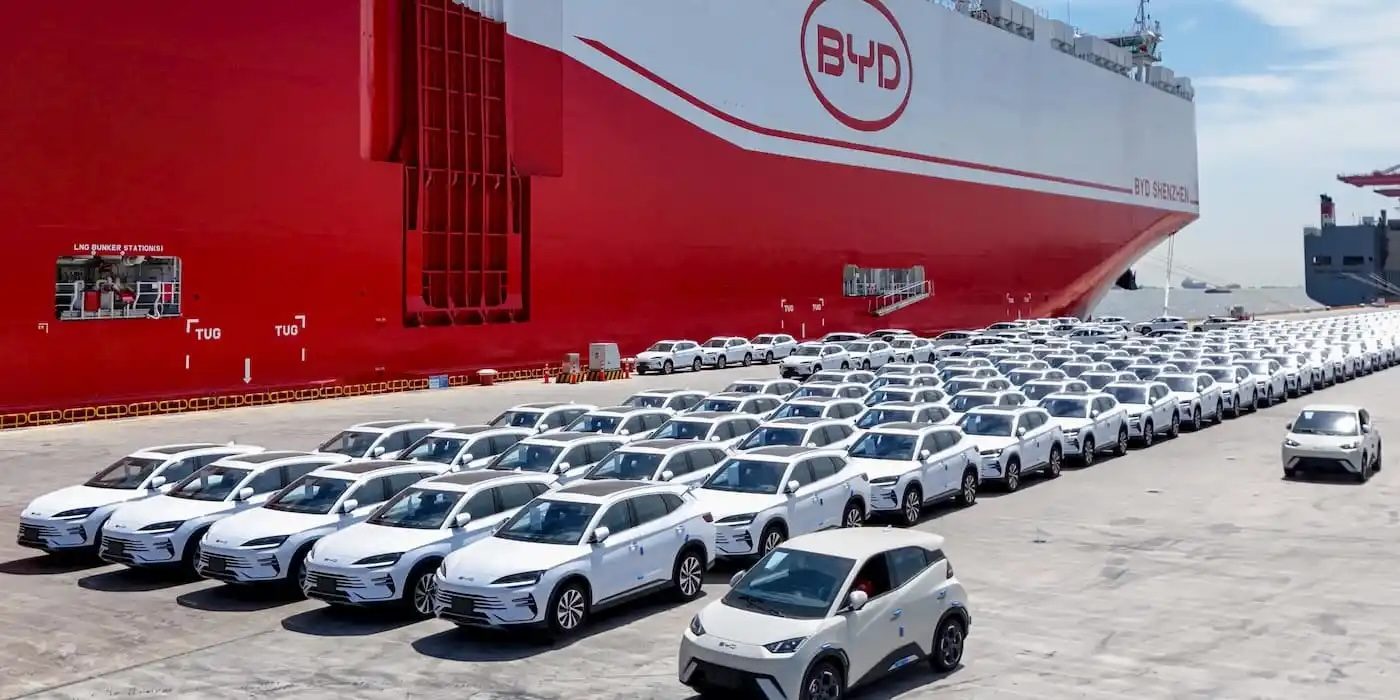
By investing heavily in its own dedicated fleet of pure car and truck carriers, BYD has secured a strategic advantage. These advanced vessels are powered by liquefied natural gas (LNG), reflecting the company’s broader corporate commitment to decarbonization throughout its operational footprint. Utilizing cleaner-burning LNG significantly reduces sulfur oxides and particulate matter emissions compared to traditional heavy fuel oil, helping BYD maintain environmental compliance across international waters while projecting a green image to eco-conscious consumers in Western markets.
Explosive International Growth and Export Metrics
The necessity for a larger fleet becomes immediately apparent when examining BYD’s explosive export statistics. Data compiled by CarNewsChina highlights that BYD exported an impressive 184,000 passenger vehicles from China in a single recent month, representing a staggering 131% increase year-over-year and a 6% bump from the preceding month alone. Furthermore, BYD currently commands a dominant 35.4% share of China’s total passenger NEV—encompassing both battery electric vehicles (BEVs) and plug-in hybrids (PHEVs)—export market.
Cumulatively, BYD’s international shipments through August of this year reached 1,127,000 vehicles, nearly doubling its export volume with a phenomenal 90% growth rate compared to the same period in the previous year. This relentless upward trajectory has required a radical reimagining of how vehicles are moved from massive manufacturing hubs in mainland China to showrooms across the globe.
Regional Success: Dominating the United Kingdom and European Markets
BYD’s aggressive localized strategies are paying off handsomely in key international territories. In the United Kingdom, where the brand officially launched vehicle sales in March 2023, cumulative registrations have already surpassed the 110,000 milestone. Through August, BYD’s UK registrations surged by 98%, crossing 48,000 registered units. Consequently, the Chinese automaker now claims 3.48% of the total UK new car market, nearly doubling its 1.92% market share from the corresponding period last year.

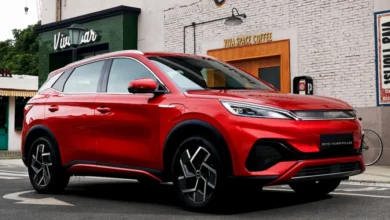
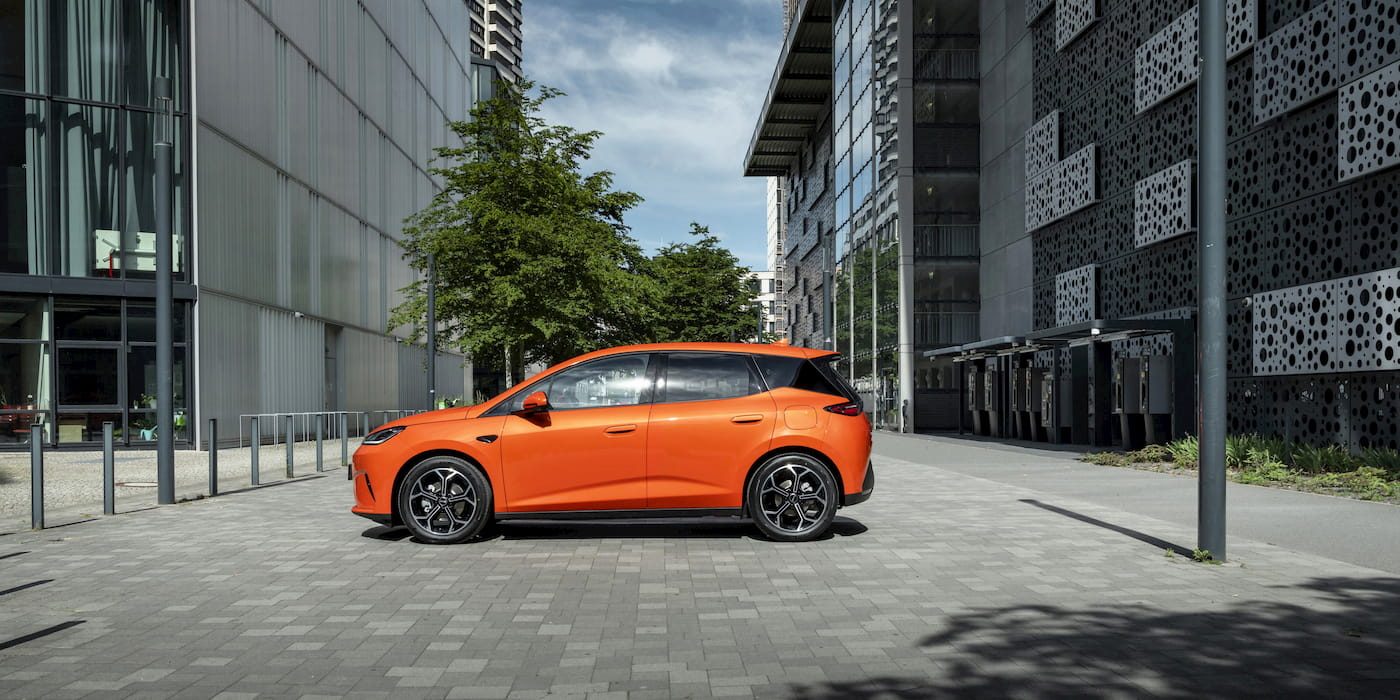
A parallel push is underway across continental Europe. BYD continues to introduce targeted products tailored to European preferences, such as the updated iteration of its affordable electric vehicle lineup, showcased earlier this year at the Chengdu Auto Show. To supply these markets efficiently without enduring port delays or exorbitant shipping tariffs imposed by third-party carriers, having a proprietary armada of mega-ships provides BYD with unprecedented cost control and delivery predictability.
Economic and Geopolitical Implications
The rapid expansion of BYD’s maritime fleet carries significant implications for the global automotive and shipping industries. Traditional legacy automakers in Europe, North America, Japan, and South Korea have historically dominated international trade routes using conventional logistics networks. The emergence of a Chinese automaker operating its own state-of-the-art mega-carrier fleet shifts the competitive landscape, effectively neutralizing traditional shipping bottlenecks that often plague rival manufacturers.

However, this aggressive export push is not without political and economic friction. The influx of competitively priced Chinese electric vehicles into Europe and North America has prompted heightened scrutiny from trade regulators. The European Union, for instance, has implemented countervailing duties on battery electric vehicles imported from China, aiming to protect domestic manufacturing ecosystems from rapid market disruption. Despite these protectionist measures, consumer demand for affordable, technologically advanced NEVs remains robust, compelling automakers like BYD to find innovative ways—such as localized manufacturing plans in Europe and optimized maritime transport—to maintain their competitive edge.
Industry Outlook and Future Horizons
As the global transition toward electrification accelerates, the bottleneck in vehicle distribution is shifting from factory floors to the open seas. BYD’s proactive approach in commissioning a fleet of 18 LNG-powered mega-carriers ensures that its supply chain remains resilient, scalable, and environmentally progressive.

With the delivery of these ten newly ordered vessels over the coming years, BYD will possess an unmatched logistical apparatus capable of shifting hundreds of thousands of vehicles seamlessly across oceans every quarter. As the automaker deepens its footprint in Europe, the UK, Latin America, Southeast Asia, and potentially North America, its proprietary shipping fleet will serve as the indispensable backbone of its global empire—solidifying BYD’s transition from a regional Chinese champion into a true titan of the modern automotive world.