Samsung Galaxy S27 Series Rumors Hint at Major Camera and Battery Overhauls, Signifying Strategic Shifts

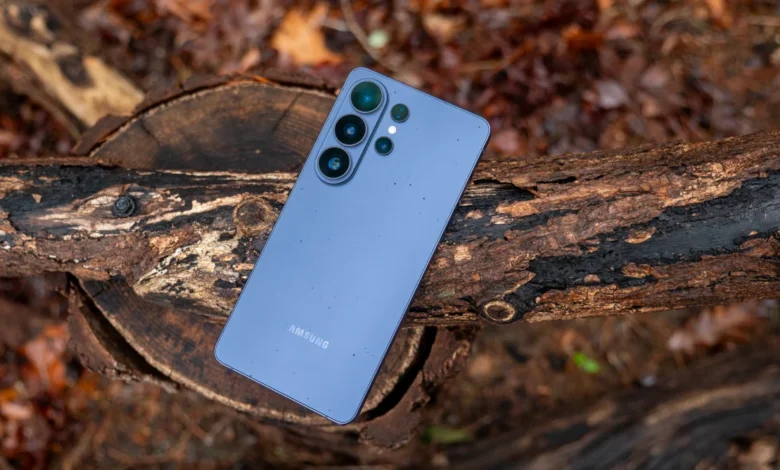
Following a recent period of significant product announcements, including the latest iteration of its foldable devices during a Galaxy Unpacked event, technology giant Samsung is reportedly directing its attention towards the next generation of its flagship Galaxy S series. Emerging rumors suggest that the upcoming Galaxy S27 series could feature substantial advancements in both camera technology and battery efficiency, indicating a potential strategic pivot in Samsung’s approach to its premium smartphone offerings. These early reports, originating from reputable sources within the tech community, underscore Samsung’s continuous pursuit of innovation in a highly competitive global market.
A Shift in Photographic Strategy: Sony Sensors for the S27 and S27 Plus?
One of the most noteworthy rumors circulating involves a potential change in camera sensor suppliers for the standard Galaxy S27 and Galaxy S27 Plus models. According to information initially reported by Galaxy Club (Dutch) and subsequently picked up by GSMArena, Samsung is reportedly "testing" a shift from its proprietary ISOCELL camera sensors to those manufactured by Sony. Historically, Samsung has leveraged its in-house ISOCELL division to develop and supply camera sensors for a significant portion of its smartphone lineup, alongside its strategy of integrating Qualcomm’s Snapdragon processors in certain markets outside of Korea and Europe, where its Exynos chips typically prevail.
This rumored move to Sony sensors, specifically a 50-megapixel main sensor, represents a significant potential departure from Samsung’s long-standing strategy of vertical integration in key components. Sony Semiconductor Solutions is widely recognized as a global leader in image sensor technology, with its sensors frequently featured in many of the top-performing smartphone cameras across various brands. The decision to potentially incorporate Sony’s technology could be interpreted as an effort by Samsung to enhance the photographic capabilities of its base and Plus models, ensuring they remain competitive against rivals that often utilize Sony’s advanced imaging hardware. While the 50MP resolution aligns with current industry trends for flagship primary cameras, offering a balance between detail and low-light performance through pixel-binning technologies, the mere consideration of an external supplier for such a critical component highlights a potential re-evaluation of Samsung’s camera hardware strategy. The "testing" phase indicates that this is not a finalized decision, with performance and cost considerations likely playing a pivotal role in the ultimate outcome. Should these tests prove successful and the integration move forward, it could signal a new era for Samsung’s mobile photography, potentially bringing a distinct image signature to its devices.
The Power Evolution: Silicon-Carbon Batteries for Enhanced Endurance
Beyond imaging, the Galaxy S27 series is also rumored to be on the cusp of a significant battery upgrade. Tipster Lanzuk, writing on Naver (Korean), indicates that silicon-carbon battery technology is currently "undergoing application testing" for Samsung’s forthcoming phones. This is a crucial development, as battery life remains a primary concern and selling point for smartphone users globally. Silicon-carbon anodes are a significant advancement over traditional graphite-based anodes, offering the potential for higher energy density. This means that for the same physical volume, a silicon-carbon battery can store more power, or alternatively, achieve the same capacity in a smaller form factor.
Samsung has already begun integrating silicon-carbon battery technology into its latest foldable devices, a move that was lauded as one of the most substantial battery upgrades for that segment in years. This demonstrates the company’s commitment to and confidence in the technology. However, the initial reports concerning the S27 series suggest that while the technology is being tested, the overall battery capacity has "supposedly not increased" yet. Lanzuk clarifies that "nothing is finalized" at this early stage, implying that engineers may still be optimizing the technology for mass production and specific device requirements. The primary advantage of silicon-carbon in this context might initially manifest as maintaining current battery capacities within a potentially thinner chassis or allowing for other internal components to occupy more space, rather than an immediate, dramatic increase in overall mAh ratings. Nevertheless, the adoption of silicon-carbon technology inherently paves the way for future capacity improvements without necessarily enlarging the physical size of the battery, which is a critical design constraint in modern smartphones. This strategic shift could help Samsung address consumer demand for longer-lasting devices, especially in light of fierce competition where some rivals have pushed the boundaries of battery capacity and ultra-fast charging speeds. The move could also represent a cautious but progressive step following past challenges related to battery technology, underscoring Samsung’s commitment to safety and reliability while innovating.
Expanding the Flagship Lineup: The S27 Ultra and the Advent of the ‘S27 Pro’
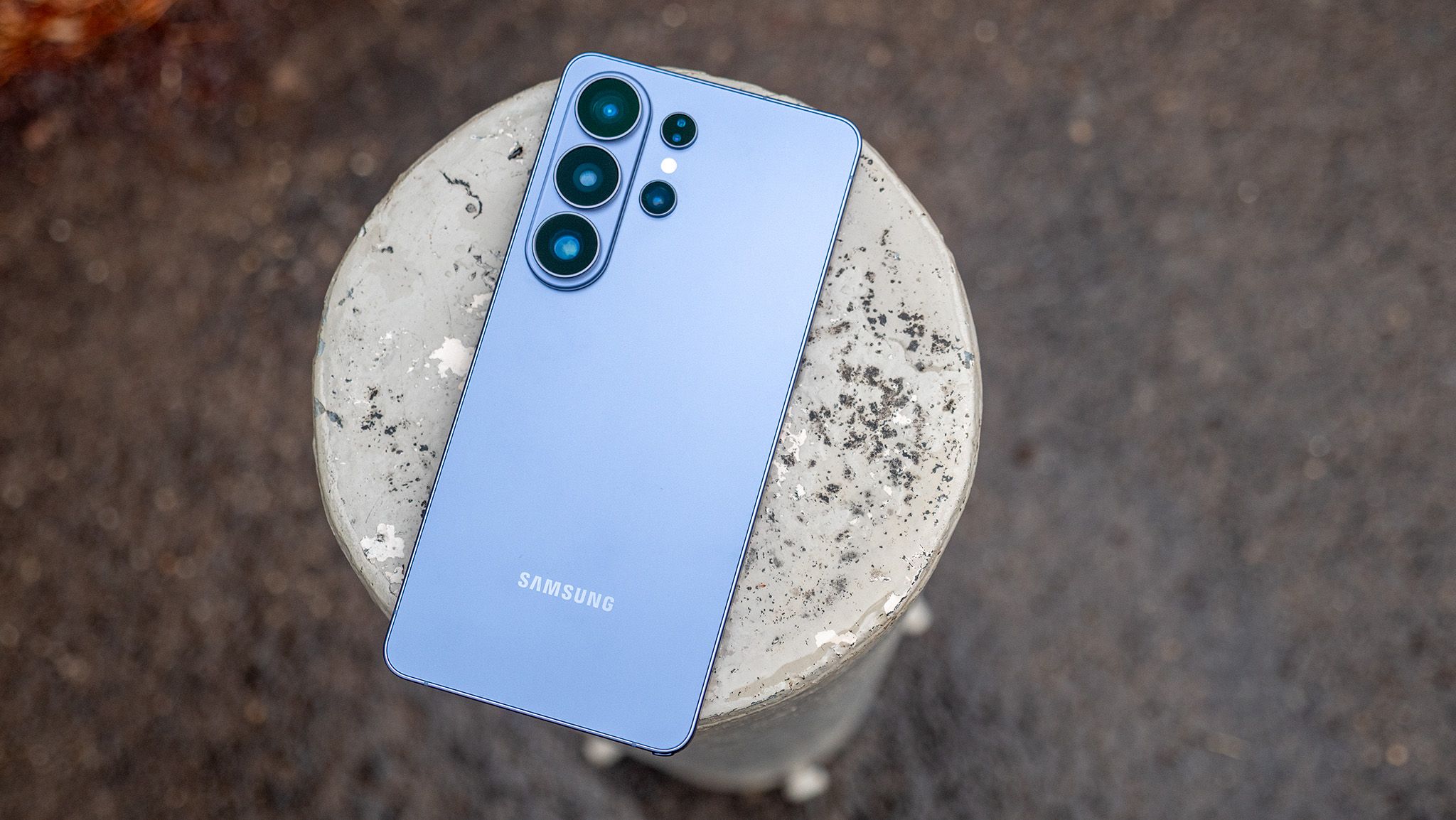
The S27 series rumors extend to a potential expansion of the lineup itself, alongside details concerning the anticipated Ultra model. The top-tier Galaxy S27 Ultra is reportedly set to feature an ISOCELL HP6 sensor, maintaining a 200-megapixel resolution. While the megapixel count might remain consistent with previous Ultra iterations, an upgrade to a newer ISOCELL sensor typically implies improvements in image processing, low-light performance, and overall photographic fidelity through advancements in sensor architecture and computational photography algorithms. Samsung has consistently pushed the envelope with high-resolution sensors in its Ultra models, aiming to provide unparalleled detail and versatility for professional and enthusiast photographers.
Perhaps the most intriguing rumor suggests the introduction of a fourth model: the "Galaxy S27 Pro." This potential addition would expand Samsung’s traditional three-tier S-series (Standard, Plus, Ultra) to four devices, mirroring strategies seen from other manufacturers who offer a wider range of price points and feature sets within their flagship lines. The S27 Pro is rumored to position itself as a "mini-Ultra," offering camera capabilities closer to the premium Ultra experience but potentially at a more accessible price point than the absolute top-tier model. It is expected to achieve this through "entirely new sensors" rather than simply repurposing existing ones, suggesting a distinct photographic identity for this new variant. This strategic move could allow Samsung to capture a broader segment of the premium market, catering to users who desire advanced camera features and a high-end experience without necessarily requiring the absolute peak specifications or larger form factor of the Ultra. By diversifying its flagship offerings, Samsung could aim to provide more tailored choices, potentially enhancing its competitive stance against rivals like Apple and various Chinese OEMs that have successfully introduced Pro or equivalent models to bridge the gap between their standard and ultimate flagship devices.
Strategic Rationale Behind Potential Innovations
These rumored changes in camera and battery technology are not isolated incidents but rather reflective of Samsung’s broader strategic imperatives in the global smartphone market. The potential shift to Sony camera sensors for the S27 and S27 Plus could indicate Samsung’s willingness to prioritize best-in-class componentry, even if it means sourcing from a direct competitor, to ensure its devices deliver superior user experiences. This could be a pragmatic response to the intense competition in mobile photography, where brands like Apple, Google, and various Chinese manufacturers are continually pushing boundaries with advanced hardware and sophisticated computational imaging. By integrating Sony’s renowned sensor technology, Samsung could aim to achieve a new level of photographic excellence, potentially differentiating its offerings more effectively in a crowded market.
Similarly, the adoption of silicon-carbon battery technology, already seen in Samsung’s foldables, is a clear indicator of the company’s commitment to improving power efficiency and device longevity. While initial capacity increases may be modest, the long-term potential of this technology is immense. It allows for thinner phones or more space for other internal components, and crucially, provides a roadmap for significant battery life improvements in future iterations without compromising device aesthetics or ergonomics. This aligns with a growing consumer demand for smartphones that can last longer on a single charge, reducing "battery anxiety." Samsung’s cautious implementation, focusing on stability and safety, also reflects lessons learned from past product challenges, emphasizing a balanced approach to innovation.
The potential introduction of an ‘S27 Pro’ model points to a strategic re-evaluation of Samsung’s product segmentation. In an era where premium smartphone prices are continually rising, offering a "mini-Ultra" could cater to a segment of consumers who desire advanced features, particularly in photography, without the highest price tag of the Ultra model. This could help Samsung capture more market share by offering a more diverse and attractive portfolio, effectively competing against mid-to-high range flagships from other brands. Such a move would also allow Samsung to experiment with new sensor technologies and feature combinations, broadening its innovation pipeline.
The Road Ahead: Timeline and Speculative Development
It is crucial to contextualize these rumors within the typical smartphone development cycle. The Galaxy S series usually sees its official unveiling in early calendar years, typically January or February. With the S27 series being the subject of these discussions, it implies a launch timeframe likely in early 2026. Given this projected timeline, the current stage of "testing" for camera sensors and "application testing" for battery technology is entirely consistent with the preliminary phases of product development. Nothing is set in stone at this juncture, and specifications can, and often do, change significantly before final production.
Industry analysts suggest that such early leaks provide a valuable glimpse into the strategic thinking and potential technological directions Samsung is exploring. They underscore the extensive research and development efforts undertaken by major smartphone manufacturers to stay ahead in a rapidly evolving market. The "nothing is finalized" caveat from sources like Lanzuk highlights the iterative nature of R&D, where multiple technologies are often evaluated, and only the most promising and viable ones make it into the final product. Consumers should therefore view these rumors as indicators of potential innovation rather than confirmed specifications.
Industry Reactions and Competitive Landscape
While Samsung maintains a proprietary stance on its future product development, these leaked insights invariably draw attention from industry observers and competitors. The potential shift to Sony sensors could be seen by rivals as an acknowledgment of Sony’s leadership in mobile imaging, potentially prompting other OEMs to re-evaluate their own sourcing strategies or intensify their in-house sensor development efforts. Conversely, Samsung’s ISOCELL division would face increased pressure to innovate further to retain its market share, both internally and externally.
The adoption of silicon-carbon batteries could accelerate an industry-wide transition to this more energy-dense technology. As a leading global smartphone manufacturer, Samsung’s endorsement of such technology lends significant credibility and could spur greater investment and faster development across the supply chain. Competitors, particularly those from China that have often led in battery capacity and charging speeds, will undoubtedly be watching closely to see how Samsung integrates and optimizes this technology, and whether it effectively narrows the gap in battery performance.
The potential expansion to a four-model lineup for the S27 series would also be a significant market signal. It suggests a more granular approach to market segmentation, aiming to capture different consumer preferences and budget points within the premium segment. This move would likely intensify competition in the upper-midrange and entry-flagship categories, where many brands are vying for consumer attention with compelling features and aggressive pricing.
Conclusion: A Glimpse into Samsung’s Future Vision
The flurry of early rumors surrounding the Samsung Galaxy S27 series paints a picture of a company actively engaged in strategic re-evaluation and ambitious technological advancement. From potentially diversifying its camera sensor suppliers to embracing next-generation battery technologies and expanding its flagship lineup, Samsung appears to be laying the groundwork for a future where its devices offer enhanced performance, improved user experiences, and a broader appeal. These changes, if they materialize, signify Samsung’s proactive response to an intensely competitive landscape, aiming to solidify its position as a global leader in smartphone innovation. While these are still early days, the proposed camera and battery overhauls, alongside a potential new ‘Pro’ model, offer an exciting glimpse into Samsung’s vision for the next generation of its iconic Galaxy S series.