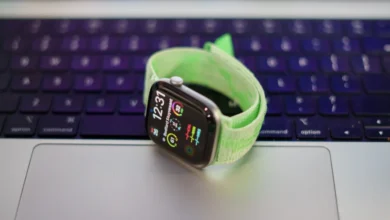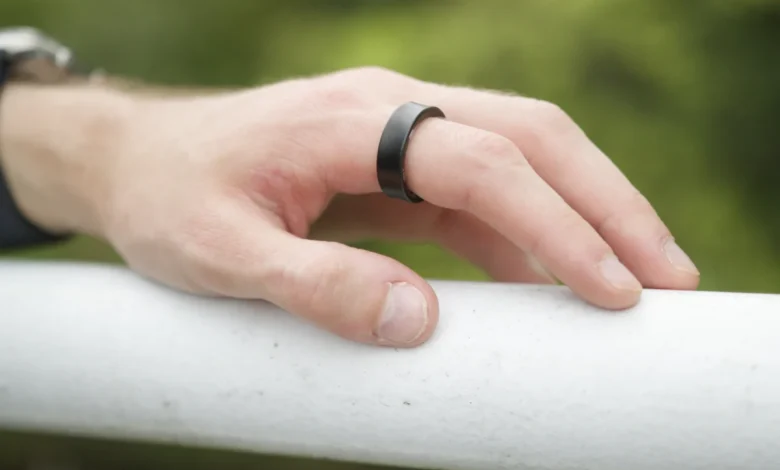
The deployment follows successful regulatory authorizations from the United States Food and Drug Administration (FDA) and the South Korean Ministry of Food and Drug Safety (MFDS). By leveraging the form factor of a ring—which many users find more comfortable for overnight wear than a traditional smartwatch—Samsung aims to increase the accessibility of sleep health monitoring for the general population.
A Chronology of Regulatory and Technical Progress
The path to this release has been defined by a series of critical milestones over the past two years. In February 2024, Samsung’s sleep apnea feature—originally developed for its smartwatch line—earned FDA De Novo authorization. This was a landmark moment in the wearable industry, as it was the first time a commercial device was permitted to provide clinical-grade data regarding sleep breathing irregularities to consumers.

Following the success of the smartwatch implementation, Samsung shifted its focus toward the Galaxy Ring, its debut foray into the smart jewelry market. The engineering challenge involved condensing the necessary biometric sensors—specifically the photoplethysmogram (PPG) sensors that monitor blood oxygen levels—into a chassis significantly smaller than a standard watch. By mid-2024, the hardware had passed internal performance testing, and by July, the company secured the necessary international regulatory approvals to enable the feature on the ring. The current rollout represents the culmination of this integration, making the feature available to a broader user base via the Samsung Health Monitor app.
Clinical Context and Data Functionality
Obstructive sleep apnea is a pervasive health condition characterized by repeated pauses in breathing during sleep, often resulting in fragmented rest and chronic fatigue. If left untreated, OSA is linked to a higher risk of hypertension, cardiovascular disease, and metabolic disorders. Traditionally, diagnosing this condition requires an in-lab polysomnography test, which is often expensive, cumbersome, and subject to long waitlists.
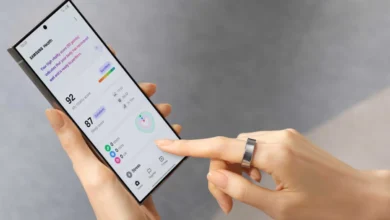
The Samsung Galaxy Ring does not replace a clinical diagnosis; rather, it acts as an early-warning system. To utilize the feature, the user must wear the ring for at least two nights within a ten-day period. The device monitors blood oxygen saturation (SpO2) levels and heart rate variability while the user is asleep. The system then analyzes these vitals to detect patterns consistent with the respiratory interruptions typical of moderate to severe OSA.

Unlike the initial version of the software, which provided a binary "at risk" or "not at risk" notification, the upgraded iteration provides a more nuanced analysis. It now offers data on the frequency and severity of breathing interruptions. This longitudinal data can be exported through the Samsung Health Monitor app and shared with healthcare professionals, providing physicians with a concrete foundation for further clinical evaluation.
The Strategic Shift Toward Wearable Health
Samsung’s decision to prioritize sleep health is part of a broader industry trend. As global healthcare systems face increasing pressure from aging populations and chronic illness, tech companies are positioning their hardware as "preventative gateways."
"We are giving people the tools to help spot possible early signs of sleep apnea and take charge of their wellbeing," noted Jongmin Choi, Head of the Health R&D Group at Samsung’s Mobile eXperience Business. This statement reflects the company’s long-term strategy: to move beyond basic step counting and calorie tracking toward actionable, medically relevant insights.

The Galaxy Ring’s contribution to this strategy is significant due to its user experience (UX) design. While smartwatches are highly capable, many users report discomfort due to the bulk of the watch case during sleep. By offering the same analytical capabilities in a lightweight, ring-based form factor, Samsung is effectively removing the friction that often causes users to abandon long-term sleep tracking.
Implications for the Healthcare Ecosystem
The entry of a major consumer electronics firm into the diagnostic screening space carries profound implications. First, it democratizes access to health data. By providing users with a summary of their sleep health, Samsung empowers individuals to seek medical advice earlier than they might have otherwise. However, this also introduces potential challenges, such as "white coat anxiety" or false positives leading to unnecessary healthcare utilization.
To mitigate these risks, Samsung has emphasized that the tool is intended for users aged 22 and older and is explicitly not a diagnostic tool for children or individuals already diagnosed with sleep disorders. The accuracy of the device relies on the consistent application of the wearable; as such, the integration with the Galaxy Ring is expected to produce more consistent data sets than the watch, given the higher likelihood of consistent nightly usage.

Industry analysts observe that this move puts pressure on competitors like Oura and Apple. While the Oura Ring has long focused on sleep stages and recovery metrics, it has historically avoided the "medical device" classification in the U.S. for specific condition screening. Samsung’s proactive pursuit of FDA clearance creates a competitive differentiator that positions it as a leader in "med-tech-adjacent" wearables.
Future Developments and Market Expansion
While the current update is rolling out in South Korea and the United States, Samsung has indicated that it intends to expand the feature to additional regions in the coming quarters. This expansion is contingent upon navigating the specific regulatory frameworks of each country, which vary significantly regarding how wearable software is classified.
Beyond sleep apnea, there is internal industry speculation regarding what other respiratory or cardiovascular conditions could be screened via these devices. With the combination of PPG sensors, temperature sensors, and accelerometers, the current hardware is theoretically capable of tracking a wider array of biomarkers. Samsung’s recent R&D focus on AI-driven health insights—such as the "Live Rewind" and "Siri Recap" style features seen in their broader ecosystem—suggests that future updates may focus on synthesizing this data into even more personalized health reports.

Conclusion
The integration of sleep apnea screening into the Galaxy Ring is a pivotal moment for the wearable technology sector. It validates the transition of the smart ring from a niche wellness tracker to a legitimate, regulated health monitoring device. For the end user, it provides a seamless, non-intrusive method to gain deeper insights into their nightly respiratory health.
As the technology matures, the success of this feature will likely be measured not just by the number of units sold, but by the number of users who, prompted by their device, seek professional medical guidance and successfully manage their sleep health. In the broader landscape of digital health, Samsung has set a high bar for accountability and clinical integration, signaling that the future of the bedroom is increasingly connected, monitored, and data-driven. Whether this leads to a reduction in the clinical burden of sleep disorders remains to be seen, but the infrastructure for a more informed, proactive approach to sleep health is now firmly in place.
Related posts: