ENVO Drive Systems Unveils Modular Utility Personal Transporter Redefining the Light Electric Vehicle Market

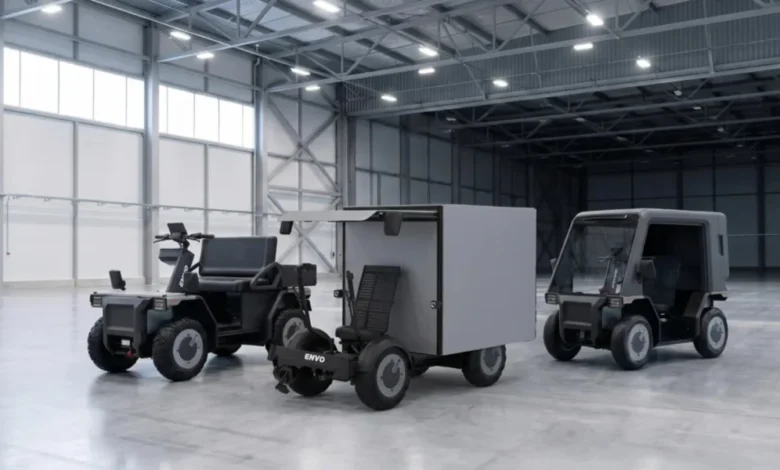
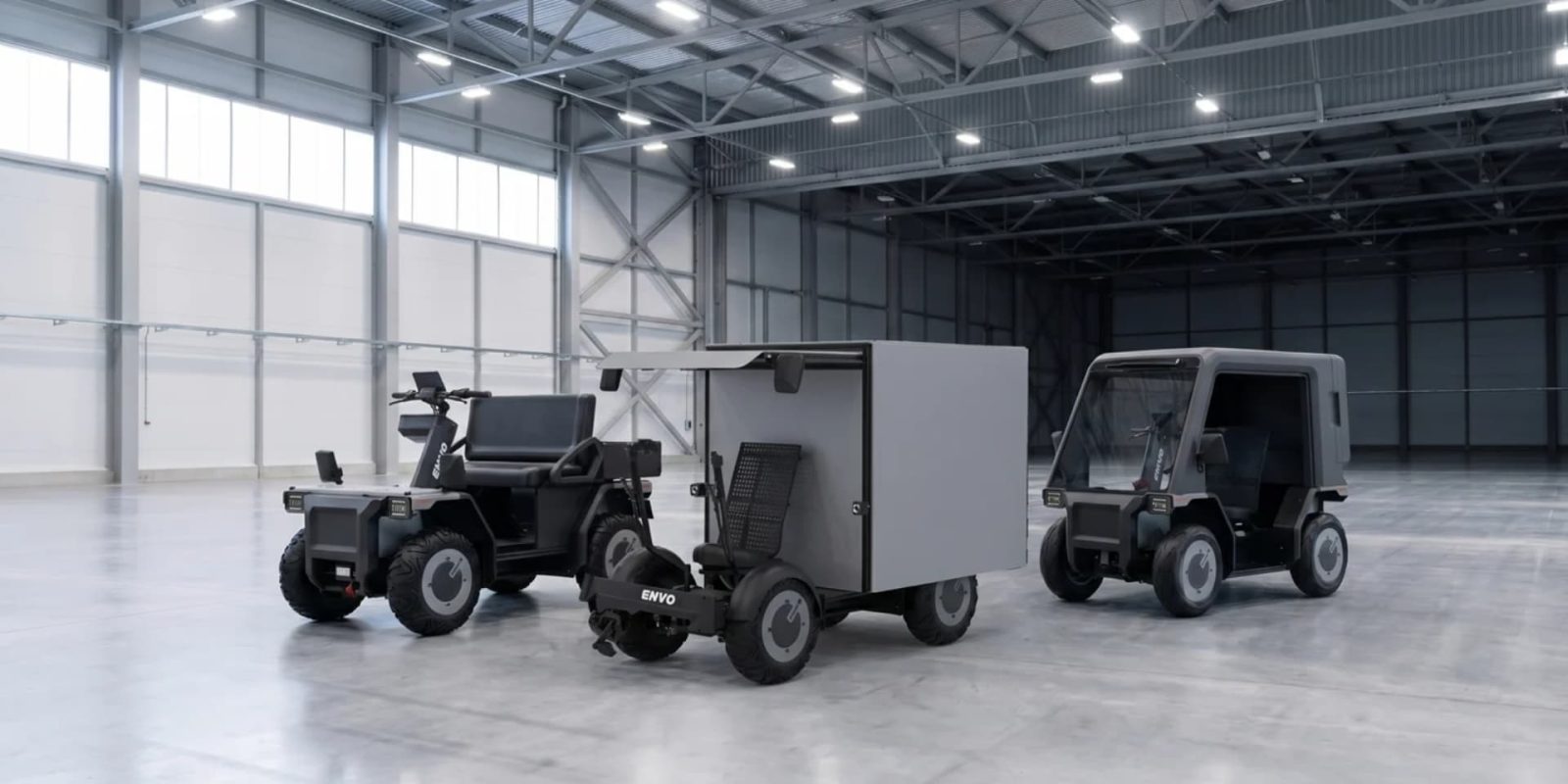
Burnaby-based ENVO Drive Systems has officially introduced its Utility Personal Transporter (UPT), a modular electric vehicle platform designed to disrupt the traditional manufacturing model of light electric vehicles (LEVs). This new platform represents a significant departure from the standard industry practice of developing specialized vehicles for singular tasks. Instead, ENVO has engineered a singular, highly adaptable chassis that can be reconfigured into at least 18 distinct vehicle types, ranging from industrial cargo haulers and agricultural ATVs to golf carts and urban low-speed vehicles (LSVs). By utilizing a "skateboard" chassis architecture—a design principle commonly seen in full-sized electric cars but rarely applied with such granularity in the micro-mobility sector—ENVO aims to provide a sustainable, long-term transportation solution that evolves alongside the user’s changing requirements.
The Engineering Philosophy: A Skateboard for the Micro-Mobility Sector
The core of the UPT is a versatile base frame that houses the essential powertrain components. This architecture allows the vehicle to serve as a blank canvas for a wide array of superstructures. ENVO Drive Systems likens the assembly process to building with LEGO bricks or assembling IKEA furniture, emphasizing a user-centric approach to mechanical design. This modularity is not merely aesthetic; it extends to the mechanical and electronic heart of the vehicle. Customers can select from various drivetrains, battery capacities, and suspension setups to meet specific performance benchmarks.

The development of the UPT took four years of research and development, during which ENVO focused on solving the "low-volume" production hurdle. In the current EV market, specialized vehicles—such as those used in airports or on large-scale farms—often carry high price tags because they are manufactured in small batches with high overhead costs. By mass-producing a standardized modular platform, ENVO intends to achieve economies of scale that were previously inaccessible to niche vehicle manufacturers. This strategy allows the company to offer a specialized experience at a price point ranging between US$8,000 and US$12,000, significantly lower than many bespoke industrial electric transporters currently on the market.
Technical Specifications and Configuration Options
The UPT platform is designed to be as robust as it is flexible. According to technical documentation provided by the company, the vehicle can be equipped with a variety of high-performance features depending on the chosen configuration. One of the most notable options is the inclusion of a four-wheel-drive (4WD) system featuring individual wheel traction control. This allows the vehicle to navigate challenging terrain, making it suitable for agricultural and construction environments.
Additional technical features include:
- Modular Battery Packs: Users can scale energy storage based on their range requirements, allowing for lightweight configurations for short trips or high-capacity setups for full-day industrial shifts.
- Environmental Protection: The platform is engineered with an IP67 rating, ensuring that the electronic components are protected against dust ingress and can withstand temporary immersion in water.
- Software Integration: The UPT supports over-the-air (OTA) software updates, enabling ENVO to improve vehicle performance, efficiency, and safety features remotely.
- Specialized Modes: The system includes a "crawl mode" for precision maneuvering in tight spaces and is designed to be compatible with future remote-controlled or autonomous robotic operations.
- Sustainability Features: The platform is "solar charging ready," allowing users to integrate photovoltaic panels into the vehicle’s canopy or cargo beds for off-grid operation.
The customization process is facilitated through an online 3D configurator. This digital tool allows prospective buyers to visualize their vehicle in real-time, selecting everything from steering systems and tire types to seating arrangements and specialized cargo attachments.
Chronology of Development and Market Entry
The path to the UPT’s unveiling has been a multi-year journey involving extensive prototyping and market analysis.
- 2020–2022: Initial conceptualization and engineering of the modular chassis. ENVO focused on creating a frame that could handle the stresses of multiple different weight distributions and center-of-gravity shifts.
- 2023: Prototype testing in various environments, including industrial warehouses and outdoor recreational settings.
- July 2024: Official unveiling of the UPT and the launch of the 3D configurator.
- Late 2024: Production is scheduled to begin at the company’s manufacturing facilities.
- Early 2027: The first wave of customer deliveries is expected to commence.
This timeline reflects a cautious and methodical approach to manufacturing, ensuring that the modular components maintain structural integrity over years of use and reconfiguration.

Statements from Leadership and Industry Perspectives
Ali Kazemkhani, the founder of ENVO Drive Systems, has positioned the UPT as a solution to the wastefulness of modern vehicle ownership. "Most manufacturers sell one vehicle for one job," Kazemkhani stated during the product launch. "With UPT, we build one platform that users can tailor into the perfect vehicle for what they need today and adapt for what they may need tomorrow."
Industry analysts suggest that ENVO’s approach aligns with the growing "circular economy" trend in the transportation sector. By allowing a vehicle to be upgraded or repurposed rather than replaced, the UPT could significantly reduce the carbon footprint associated with vehicle manufacturing and disposal. Furthermore, the ability to swap out components such as batteries or motors ensures that the vehicle does not become obsolete as technology advances.
Target Markets and Economic Implications
The versatility of the UPT makes it a viable candidate for a staggering range of industries. ENVO has identified several key sectors where the platform is expected to see high adoption:
- Agriculture and Forestry: As a utility ATV or small tractor alternative for hauling tools and navigating uneven terrain.
- Hospitality and Tourism: Configured as golf carts or multi-passenger shuttles for resorts and large campuses.
- Logistics and Warehousing: Serving as compact cargo haulers or automated guided vehicles (AGVs) for indoor transport.
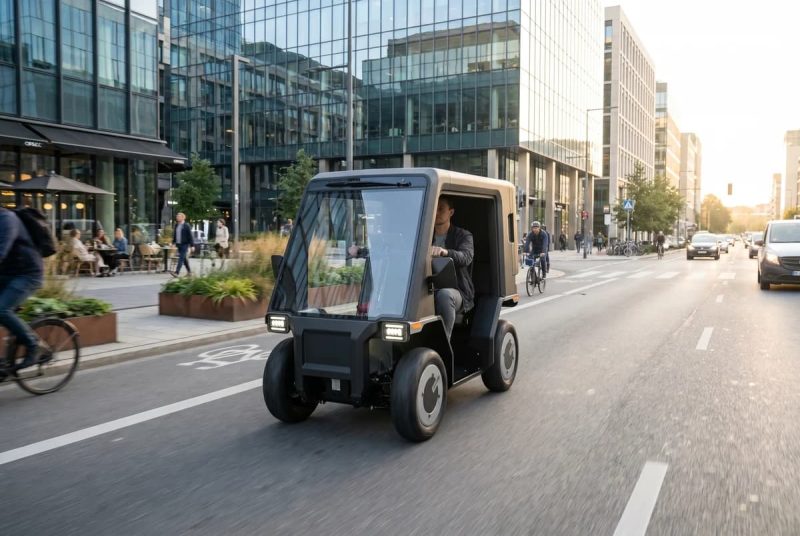
- Municipal and Security Services: For patrolling parks, pedestrian zones, and public facilities where full-sized trucks are impractical.
- Micro-Entrepreneurship: Serving as the foundation for mobile businesses, such as coffee carts, mobile repair shops, or delivery kiosks.
From an economic standpoint, the UPT addresses the "Total Cost of Ownership" (TCO) for fleet managers. Instead of maintaining a diverse fleet of specialized vehicles—each requiring different spare parts and maintenance protocols—a fleet manager could maintain a uniform fleet of UPT platforms. This standardization simplifies maintenance, reduces the need for extensive parts inventories, and allows for the rapid reassignment of vehicles to different tasks based on seasonal demand.
Broader Impact on the Electric Vehicle Landscape
The introduction of the UPT comes at a time when the global LEV market is experiencing rapid growth. According to market research data, the global light electric vehicle market is projected to reach a multi-billion dollar valuation by the end of the decade, driven by urban congestion, environmental regulations, and the rising cost of fossil fuels.
However, the market remains fragmented. Most LEVs are either high-end consumer products or low-cost, disposable imports. ENVO’s UPT occupies a middle ground, offering industrial-grade durability and high levels of customization at a mid-range price point. By focusing on modularity, ENVO is not just selling a vehicle; they are selling a flexible infrastructure.

The implications for sustainability are also noteworthy. The modular design encourages repairability. If a motor fails or a cargo bed is damaged, the specific module can be replaced without necessitating the decommissioning of the entire vehicle. This "repair-over-replace" philosophy is increasingly being mandated by "Right to Repair" legislation in various jurisdictions, positioning ENVO as a forward-thinking player in the regulatory landscape.
Future Outlook and Remote Operation
Looking toward the future, ENVO has built the UPT with an eye on the burgeoning robotics and autonomous systems market. The platform’s digital architecture is designed to integrate with remote operation systems. This means that in industrial or hazardous environments, the UPT could be operated by a technician from a safe distance or programmed to follow a set path autonomously.
As production ramps up toward the 2027 delivery date, the industry will be watching closely to see if the UPT can deliver on its promise of seamless reconfiguration. While modularity offers immense benefits, it also presents engineering challenges regarding joint durability and electronic handshake protocols between different modules. If ENVO successfully navigates these hurdles, the UPT could set a new standard for how light utility vehicles are designed, purchased, and utilized across the globe.

The pre-order phase currently serves as a litmus test for market demand. Early interest from municipal fleets and industrial operators suggests that the appetite for a "Swiss Army knife" of electric vehicles is substantial. As urban centers continue to move toward "car-free" or "low-emission" zones, the UPT provides a scalable solution for the essential services and logistics that keep modern cities functioning.