Tesla Cybertruck All-Wheel-Drive Review: Evaluating Value and Performance Amidst Recent Pricing Adjustments

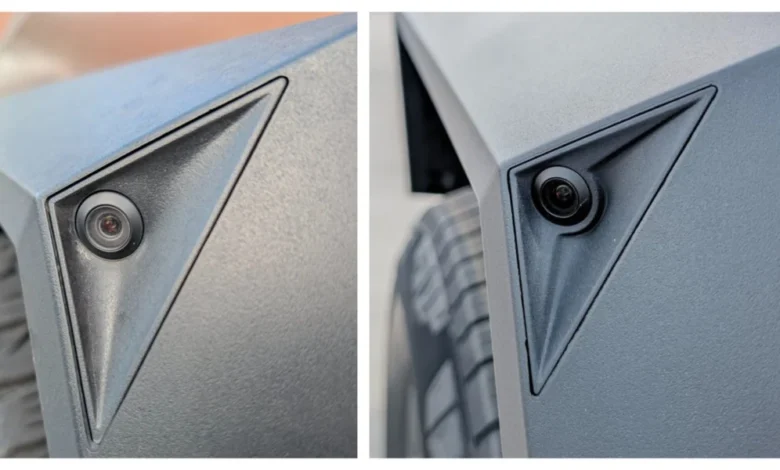
The automotive landscape has undergone a significant transformation with the widespread adoption of electric vehicles, yet few models have generated as much discourse as the Tesla Cybertruck. Recently, Tesla implemented a notable pricing adjustment for its mid-tier offering, the All-Wheel-Drive (AWD) Cybertruck, which is now positioned at $74,990. This adjustment marks a substantial departure from the initial entry-level pricing seen during the vehicle’s rollout several months ago, sparking a broader conversation regarding the truck’s value proposition, its standing against traditional internal combustion engine (ICE) competitors, and its role within the evolving Tesla ecosystem.
The Evolution of Cybertruck Pricing and Market Positioning
When Tesla first unveiled its pricing strategy for the Cybertruck, the entry-level All-Wheel-Drive variant was marketed at a base price of $59,990. The subsequent upward shift to $74,990 represents a $15,000 increase, a move that has necessitated a re-evaluation of the truck’s market segment.
Historically, Tesla’s pricing strategy has been dynamic, often influenced by supply chain constraints, production scale, and the integration of new manufacturing techniques. The Cybertruck’s production trajectory has not been without its hurdles. Following a series of supplier challenges that briefly slowed output earlier in the year, Tesla has worked to stabilize its assembly line operations. The current price point reflects not only the cost of production but also the high-end technology integrated into the chassis, including the industry-first steer-by-wire system and the proprietary 48-volt electrical architecture.
Technical Specifications and Performance Metrics
The Cybertruck AWD distinguishes itself through a suite of technological advancements that differentiate it from both legacy pickup trucks and contemporary electric competitors. Central to its driving experience is the steer-by-wire system, which eliminates the mechanical link between the steering wheel and the front wheels. This technology allows for variable steering ratios, improving maneuverability at low speeds and stability at highway speeds.
In terms of performance, the AWD configuration remains one of the most capable in the current lineup. While the manufacturer has not released exhaustive towing and payload stress-test data for every environmental condition, the vehicle’s dual-motor setup provides significant torque, allowing it to compete with heavy-duty trucks in terms of acceleration and raw power delivery.
The vehicle’s structural integrity has also been a focal point of recent testing. The Insurance Institute for Highway Safety (IIHS) and other safety organizations have noted the unique design considerations of the stainless-steel exoskeleton. As the industry moves toward mass adoption, the Cybertruck serves as a case study in how rigid materials and advanced safety software—such as Tesla’s Full Self-Driving (FSD) capabilities—can redefine occupant protection in the pickup truck segment.
Interior Ergonomics and User Experience
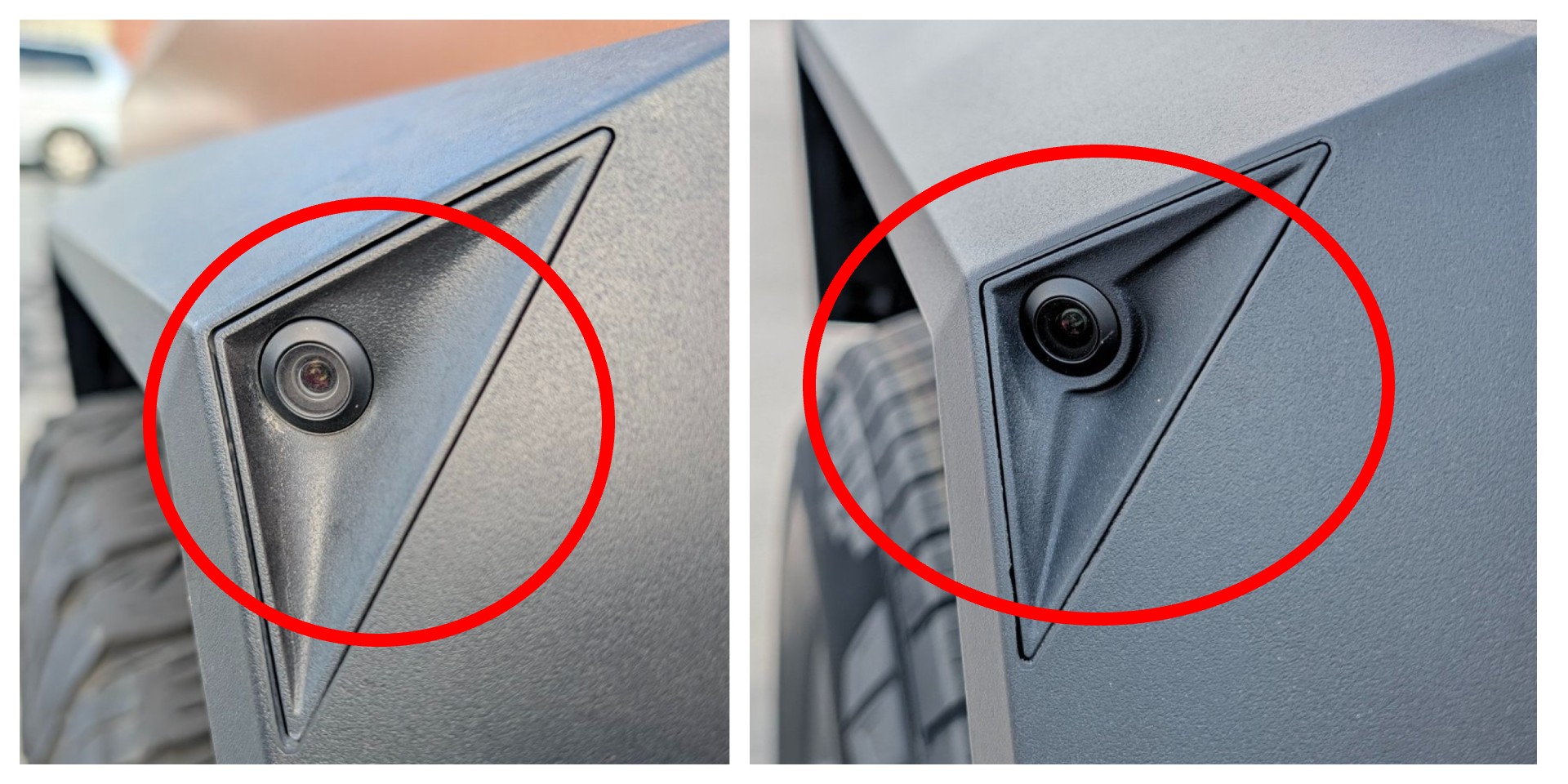
A notable departure from traditional luxury trucks is the Cybertruck’s interior, which utilizes high-durability textile materials in place of conventional vegan leather. This design choice appears to prioritize long-term wear resistance over the traditional tactile experience of premium upholstery. During extended road tests, covering distances exceeding 600 miles in a single cycle, the seating ergonomics were noted for their ability to mitigate driver fatigue. The absence of traditional engine vibration and the effective sound insulation create an environment that diverges significantly from the noise levels associated with diesel or gasoline-powered trucks.
However, the vehicle is not without design critiques. User feedback has highlighted a lack of front-row USB-C connectivity, with the current configuration providing only a single port concealed within the center console. Furthermore, the expansive, raked windshield, while aerodynamically efficient, presents maintenance challenges, requiring specialized tools for effective cleaning. These small-scale interior limitations suggest that while the vehicle excels in performance and comfort, the user-facing hardware is still undergoing a refinement process.
Comparative Analysis: Is the $75,000 Price Point Justified?
The $15,000 price increase raises the critical question of whether the Cybertruck remains a competitive option for the average consumer. To determine this, one must look at the total cost of ownership (TCO) and the utility provided by the vehicle’s software suite.
For many, the appeal of the Cybertruck lies in the integration of Tesla’s FSD software, which is currently available via subscription. When considering the capabilities of the vehicle as a mobile workstation—equipped with high-voltage power outlets capable of running construction tools or camp equipment—the value proposition shifts from that of a standard consumer vehicle to a multi-purpose utility tool.
When measured against the broader truck market, the Cybertruck occupies a unique niche. Traditional competitors like the Ford F-150 Lightning or the Chevrolet Silverado EV offer different strengths, particularly in terms of conventional towing and payload capacity. However, the Cybertruck’s software-defined nature, coupled with its distinct exterior design, appeals to a demographic that prioritizes innovation and technological integration over traditional towing performance.
Manufacturing and Quality Control
Quality assurance remains a critical metric for Tesla as it ramps up production. Observations from recent builds have indicated variance in panel alignment, specifically regarding the hood and front quarter panels. While these discrepancies are often attributed to the challenges of stamping and welding stainless steel, they represent a hurdle that Tesla must overcome to compete with the build-quality standards set by legacy manufacturers who have refined their assembly processes over decades.
Internal company communications and production reports suggest that Tesla is actively iterating on these processes. As the company transitions from the initial ramp-up phase to a more mature production cycle, it is expected that these manufacturing tolerances will tighten, aligning the Cybertruck more closely with the fit-and-finish levels seen in the Model S and Model X.
Broader Implications for the Automotive Industry
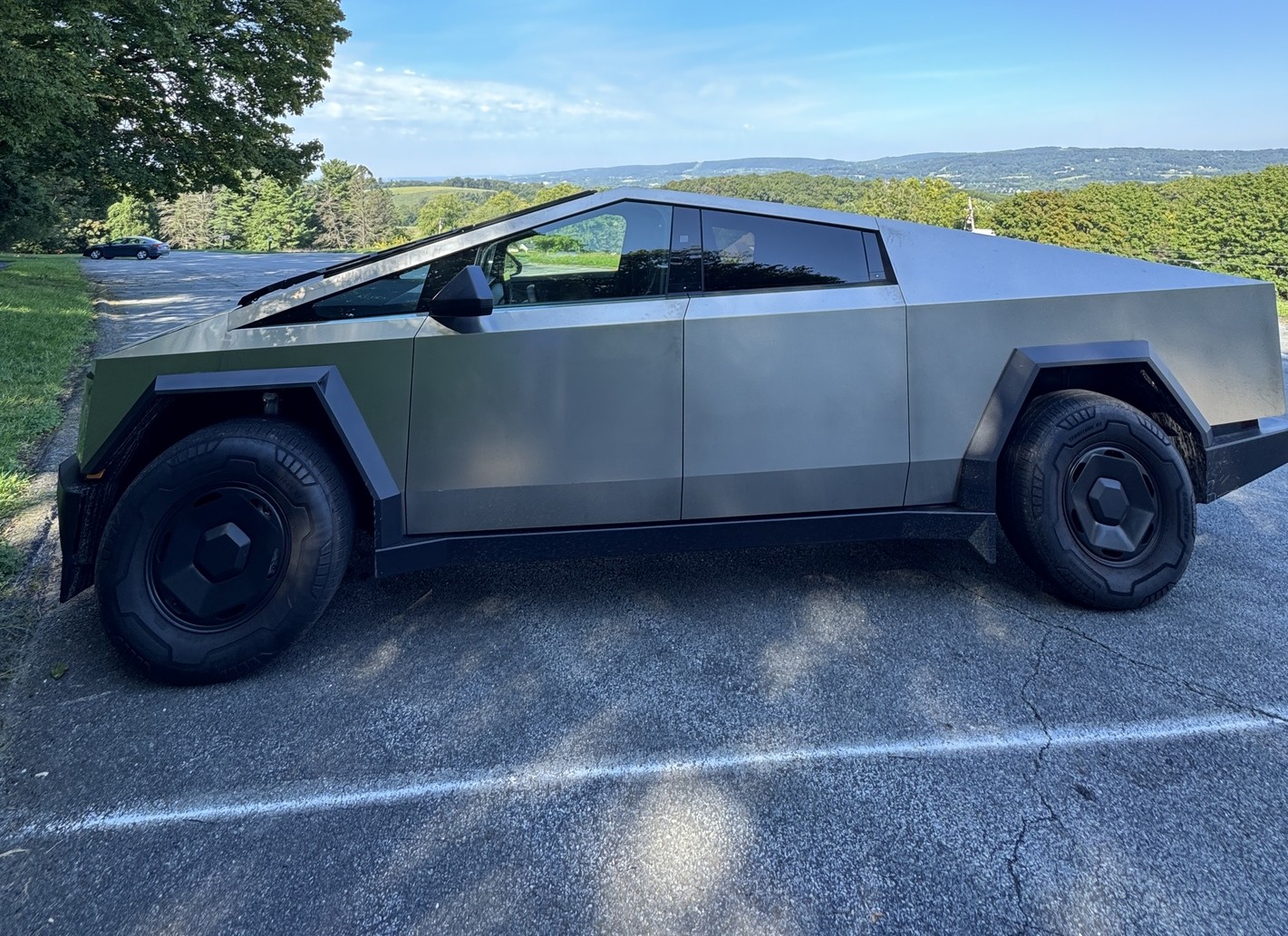
The release of the Cybertruck has forced other manufacturers to rethink the design of electric pickups. By opting for a bold, unconventional aesthetic, Tesla has effectively disrupted the design language of the utility vehicle sector. The shift toward a stainless-steel exoskeleton and steer-by-wire technology signals a potential industry-wide move toward more radical engineering solutions.
Furthermore, the Cybertruck’s role as a "halo" product for the Tesla brand cannot be understated. While it may not command the same volume as the Model Y or Model 3, its influence on brand perception is significant. It demonstrates the feasibility of high-performance electric utility vehicles and continues to push the boundaries of what is possible in mass-produced automotive manufacturing.
Future Outlook
Looking ahead, the market will likely see continued adjustments to the Cybertruck’s feature set and pricing structure as the company gathers more data from real-world usage. Future iterations may focus on optimizing the charging curve, improving energy density in the battery packs, and refining the interior layout to address the feedback regarding connectivity and maintenance.
As it stands, the AWD Cybertruck remains a polarizing yet highly capable vehicle. For the consumer who values performance, cutting-edge software integration, and a distinct aesthetic, it presents a compelling case. For those who prioritize traditional towing and payload metrics, the current market offers a variety of alternatives. Ultimately, the success of the Cybertruck will be measured not just by its sales figures, but by its ability to maintain its position as a technological trendsetter in an increasingly crowded and competitive electric vehicle marketplace.
The ongoing evolution of the Cybertruck program serves as a testament to the speed of modern automotive development. From the initial concept to the current production reality, the vehicle has remained a focal point of industry analysis, reflecting the broader transition toward a software-centric automotive future. As Tesla continues to navigate the complexities of scaling production and refining its design, the Cybertruck will likely remain a fixture of the automotive conversation for years to come.