The expansion of Tesla’s proprietary ridesharing platform into San Francisco International Airport (SFO) marks a pivotal moment in the company’s transition from a pure-play automotive manufacturer to a diversified mobility and software services provider. On July 21, 2026, Tesla officially announced that its Bay Area ride-hailing service now includes pickups and drop-offs at SFO, one of the primary transit hubs in the United States. This move significantly broadens the utility of the Tesla Network for residents and travelers in Northern California, connecting the dense urban corridor of San Francisco to the technological heart of Silicon Valley in San Jose.
The integration into SFO is not merely a software update but the result of a coordinated regulatory and logistical effort. Public records reveal that Tesla secured a specific limousine permit for SFO operations, which became effective on March 20, 2026. This permit, valid through January 31, 2027, allows Tesla vehicles to operate within the airport’s commercial transport zones. To comply with local ordinances, Tesla vehicles utilized for this service now display authorized limousine permits issued by the City and County of San Francisco, ensuring that the fleet operates within the same legal framework as traditional high-end chauffeured services.
The Evolution of the Tesla Rideshare Network
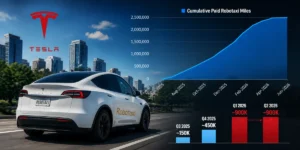
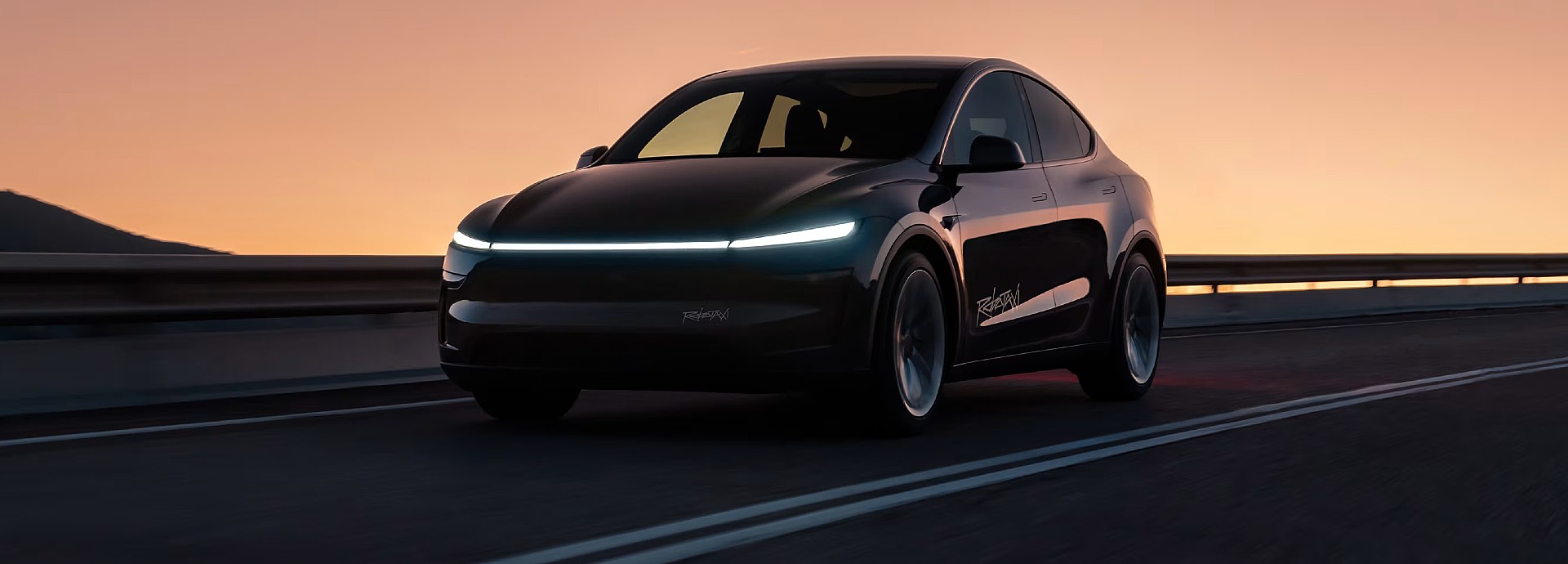
The launch at SFO is the latest step in a multi-state rollout that began in mid-2025. Tesla’s ride-hailing journey officially commenced in July 2025 with an invite-only pilot program in Austin, Texas. Shortly thereafter, the company expanded its footprint to the California Bay Area, focusing on the high-demand regions between San Francisco and San Jose.
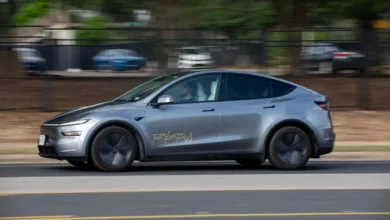
While the service in Texas has moved toward more autonomous configurations, the California operation remains strictly "supervised." Under current California Department of Motor Vehicles (DMV) and California Public Utilities Commission (CPUC) regulations, Tesla utilizes Model Y vehicles equipped with Full Self-Driving (FSD) Supervised technology, but a human safety driver remains behind the wheel at all times. This hybrid approach allows Tesla to gather massive amounts of real-world data on complex airport terminal navigation while remaining compliant with the state’s rigorous safety standards for passenger transport.
The timeline of Tesla’s airport integration highlights a strategic, phased approach:

- September 2025: Tesla begins formal negotiations with officials at SFO, San Jose Mineta International Airport (SJC), and Oakland International Airport (OAK) to secure transport permits.
- Late 2025: Service officially launches at SJC, providing a testing ground for airport-specific geofencing and passenger staging.
- March 2026: Tesla secures the necessary limousine operating permits for SFO.
- July 2026: Full integration of SFO into the Tesla App, allowing all eligible users in the Bay Area to book airport transfers.
Technological Infrastructure and the 2026 Summer Update
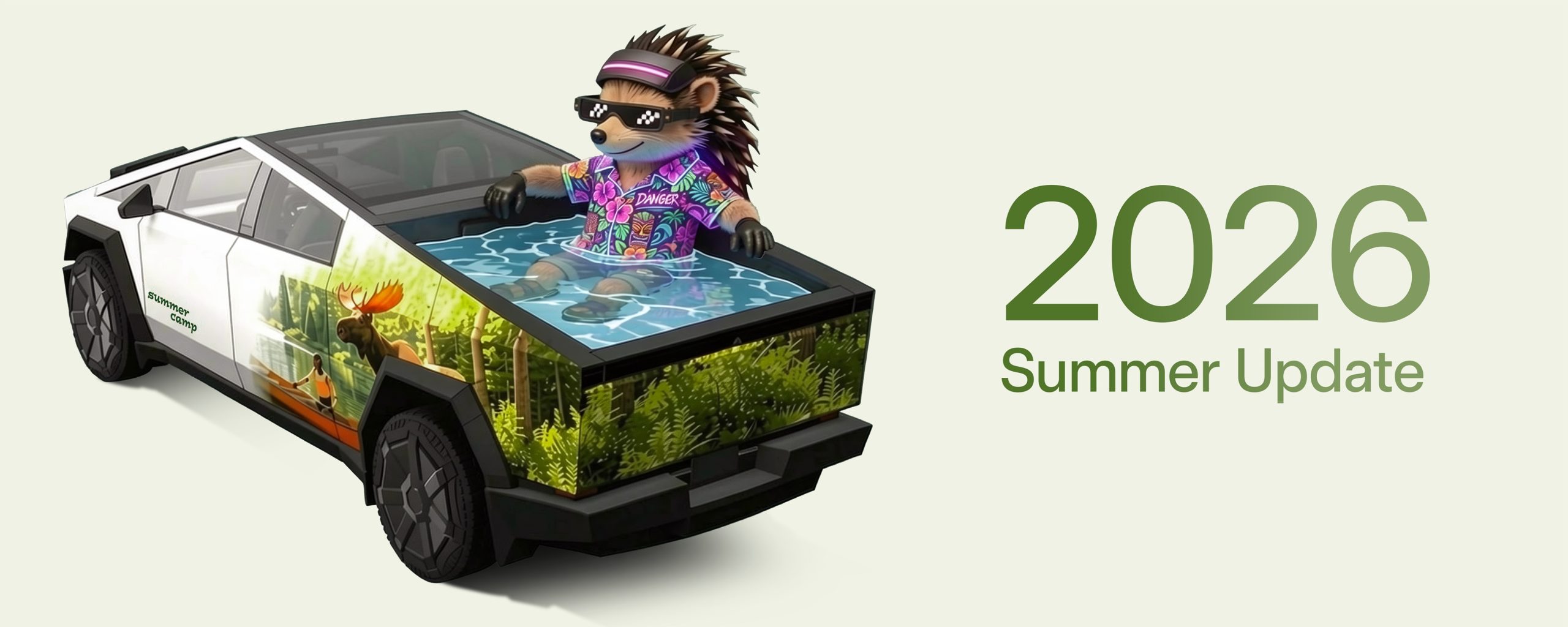
The expansion to SFO coincides with the release of Tesla’s 2026 Summer Update, a comprehensive software suite designed to enhance the "Robotaxi" experience for both passengers and the fleet. Central to this update is the integration of "Grok," an advanced AI voice assistant. In the context of a rideshare, Grok acts as a virtual concierge, allowing passengers to adjust climate controls, search for music, or inquire about their estimated time of arrival using natural language commands.
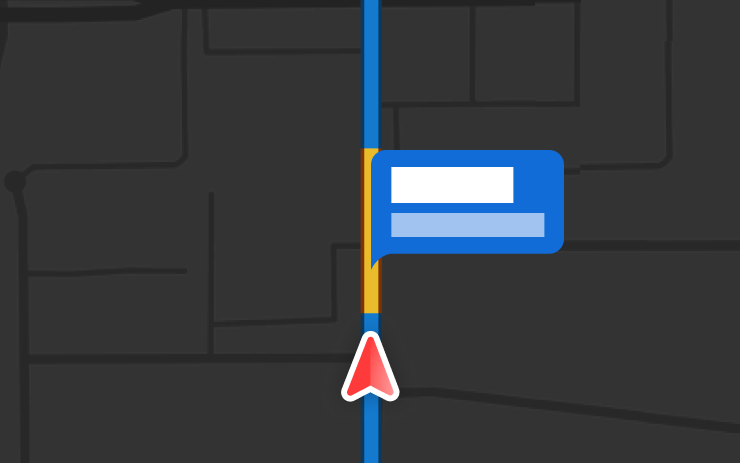
Furthermore, the Summer Update introduced "Automatic Navigation" and "Preferred Routes." These features allow the Tesla fleet to learn and adapt to routine traffic patterns and passenger preferences. For airport transfers, this means the system can prioritize routes that avoid known congestion points during peak flight times, improving the reliability of the service. Another critical feature for the rideshare ecosystem is the "Set Arrival Energy" function, which ensures that vehicles maintain a sufficient state of charge to complete their next trip without needing an immediate detour to a Supercharger station.
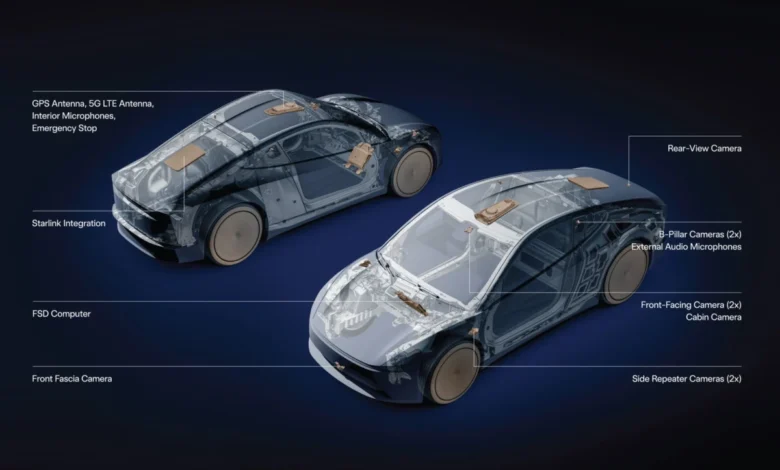
For the vehicles themselves, Tesla has also begun integrating Starlink V5 terminals, particularly in the newer Cybercab models being tested alongside the Model Y. Ashok Elluswamy, Tesla’s Head of AI, recently clarified that while Starlink is not required for the safe mechanical operation of the vehicle, it is essential for fleet management. The satellite connection ensures that even in areas with poor cellular coverage—such as certain airport parking structures or rural Bay Area roads—the vehicle remains connected to Tesla’s central command for troubleshooting, navigation updates, and customer service communication.

Comparative Analysis: California vs. Florida Operations
The California expansion offers a stark contrast to Tesla’s operations in Florida. While the Bay Area service utilizes safety drivers, Tesla has simultaneously expanded its "unsupervised" Robotaxi program in the Sunshine State. On the same day as the SFO announcement, Tesla confirmed that the cities of Tampa and Orlando have joined Miami as active hubs for fully autonomous rides.
In Florida, the regulatory environment has allowed Tesla to deploy its Robotaxi suite without human safety drivers. The geofences in Orlando and Tampa cover significant metropolitan areas—roughly 25 to 45 square miles each—encompassing major tourism districts, commercial centers, and residential neighborhoods. This dual-track strategy allows Tesla to test two different business models:
- The Supervised Model (California): Focuses on high-value, high-regulation markets where human oversight builds public trust and meets legal requirements while refining the FSD software.
- The Unsupervised Model (Florida/Texas): Focuses on achieving the "Master Plan" goal of a fully autonomous transport network where the cost per mile can be reduced below that of traditional bus or rail travel.
Industry analysts suggest that the SFO launch is a precursor to a future request for unsupervised testing in California. By demonstrating a clean safety record with supervised rides at one of the world’s busiest airports, Tesla builds a data-driven case for the eventual removal of the safety driver.
Operational Logistics and User Experience
Booking a Tesla ride to SFO is handled entirely through the Tesla mobile application. The app integrates matching, routing, and payments into a single interface, similar to competitors like Uber and Lyft, but with a focus on the Tesla ecosystem. One unique advantage for Tesla owners who use the service is the "Tesla Profile" integration. When a user enters a Tesla rideshare vehicle, the car can automatically sync their preferred seating position (if in a supervised Model Y), climate settings, and media preferences.
Pricing for the SFO service follows a dynamic model based on distance, time, and current demand. However, Tesla has indicated that its vertical integration—owning the vehicles, the charging infrastructure, and the software—allows it to offer competitive rates while maintaining higher margins than traditional TNCs (Transportation Network Companies) that rely on independent contractors and third-party vehicles.
The geofence for the Bay Area service is notably expansive, stretching from the northern tips of San Francisco down to the southern reaches of San Jose. This ensures that the SFO service isn’t just for city dwellers but serves the entire Silicon Valley workforce.
Broader Implications for the Mobility Industry
Tesla’s entry into the airport transport market at SFO is a direct challenge to established ride-hailing giants and traditional airport shuttle services. By securing a limousine permit, Tesla is positioning itself as a premium yet tech-forward alternative. The move also has significant implications for airport infrastructure. As more travelers opt for electric, autonomous, or semi-autonomous transfers, airports may need to re-evaluate their curb-side management and charging availability.
Furthermore, the focus on airport hubs is a savvy business move. Airport trips are typically longer, higher-fare journeys with predictable demand patterns. For Tesla, these trips provide a steady stream of revenue to offset the high R&D costs associated with the development of the FSD platform.
Safety remains the primary narrative for Tesla as it scales these operations. The company has emphasized that the transition to unsupervised rides will only occur when the software demonstrates a safety profile significantly better than that of a human driver. In the interim, the supervised SFO service serves as a high-visibility "showroom" for Tesla’s technology, allowing thousands of travelers to experience FSD firsthand.
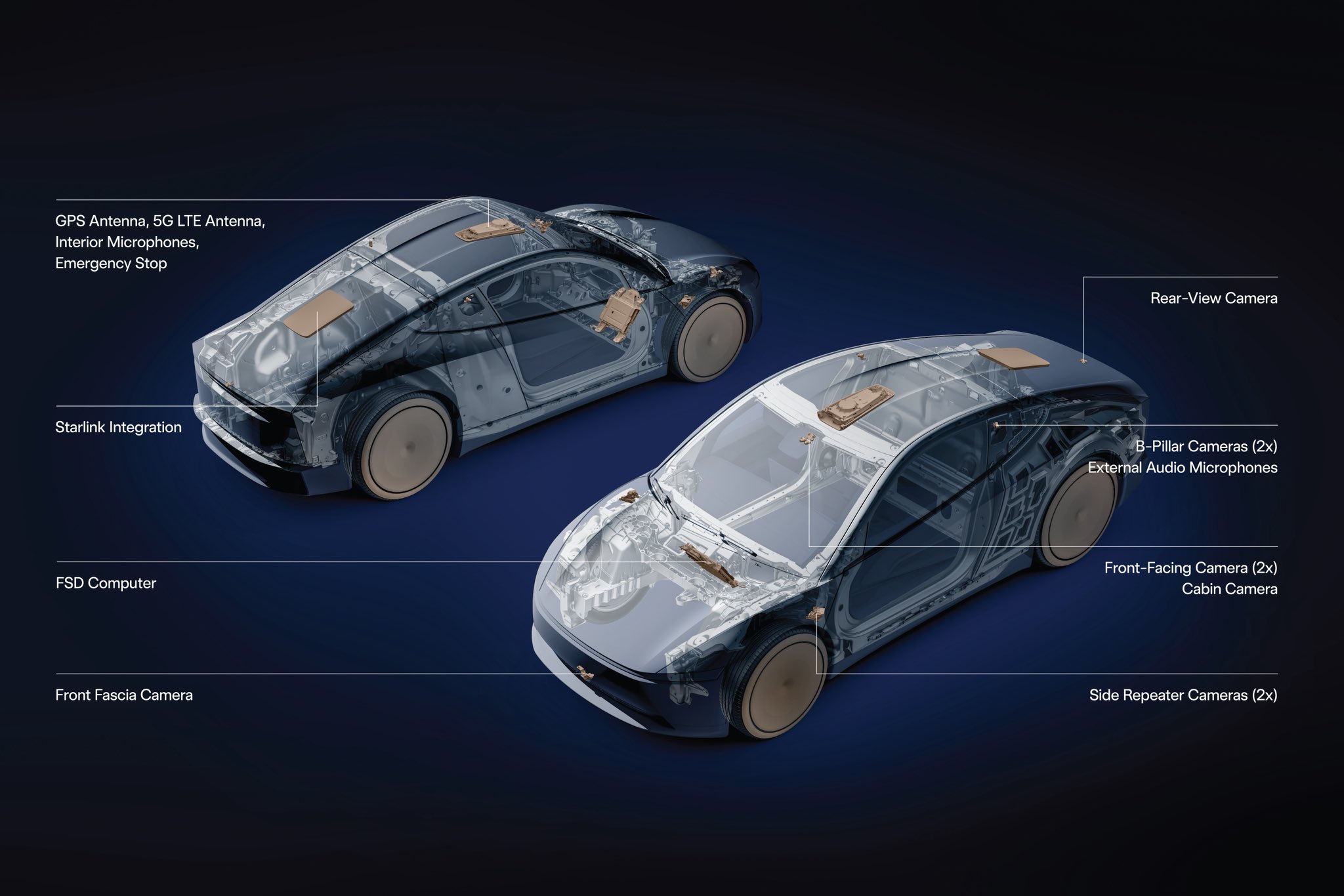
As Tesla continues to add more Robotaxi-enabled vehicles to its fleet—including the purpose-built Cybercab produced at Gigafactory Texas—the density of the network is expected to increase. The ultimate goal, as outlined by CEO Elon Musk, is a global fleet of millions of Teslas that can act as a distributed transit power, moving people and goods with unprecedented efficiency. The SFO expansion, while localized to Northern California, is a fundamental building block in that global vision, proving that the Tesla Network can handle the complexities of one of the world’s most demanding transit environments.