The Evolving Landscape of Filmmaker Mode and the Future of Home Cinema Picture Standards

For many consumers, the prospect of navigating a modern television’s picture settings menu is an intimidating experience. Faced with a labyrinthine array of acronyms, jargon-heavy labels, and technical sliders, the average user is often left to choose between garish, over-saturated presets or overly dim eco-modes. This technological friction has long been the primary barrier to achieving a high-fidelity viewing experience at home. However, the rise of standardized picture presets, most notably Filmmaker Mode, has attempted to bridge the gap between complex engineering and the creator’s original intent. As the industry faces a shift in how manufacturers prioritize their own proprietary processing, the future of these universal standards is currently under significant scrutiny.
The Origins and Purpose of Filmmaker Mode
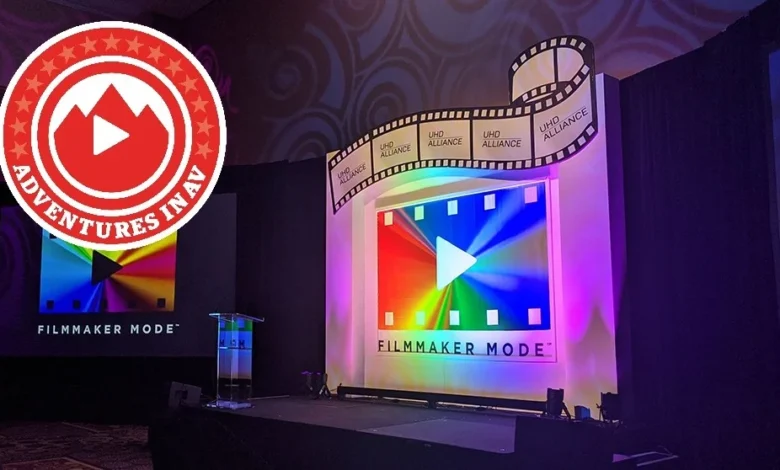
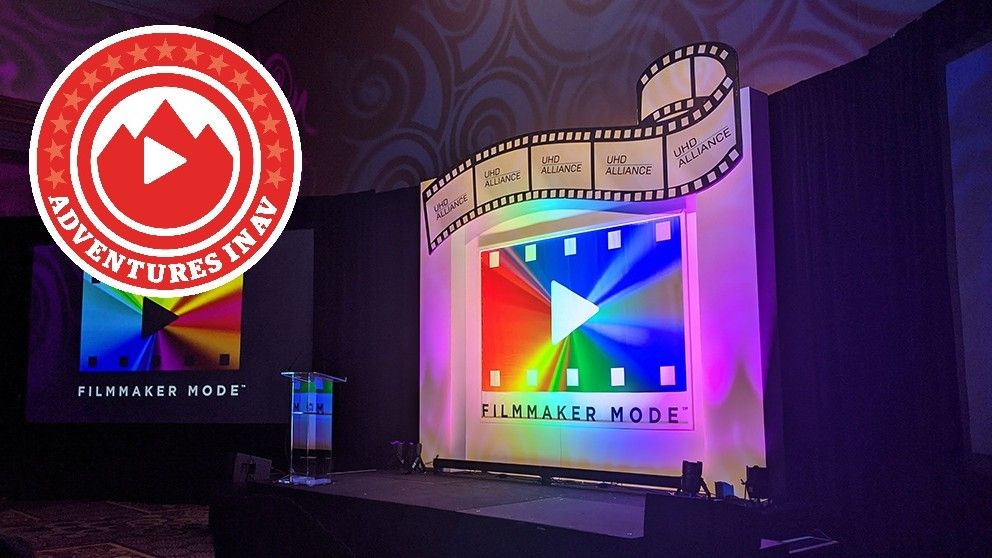
The introduction of Filmmaker Mode in 2019 was a milestone for the home entertainment industry. Spearheaded by the UHD Alliance—a consortium of content creators, consumer electronics manufacturers, and studios—the initiative was designed to address a growing disconnect between how films are mastered in professional suites and how they appear on consumer displays.
The primary mission of Filmmaker Mode is to disable the heavy-duty digital signal processing (DSP) that modern televisions apply by default. Features such as motion smoothing (often referred to as the "soap opera effect"), artificial edge enhancement, and aggressive noise reduction are typically intended to make television broadcasts look "crisper." However, when applied to feature films shot at 24 frames per second, these processes often introduce visual artifacts that strip away the cinematic aesthetic directors intended.
Endorsed by industry titans including Martin Scorsese, Denis Villeneuve, and Christopher Nolan, the mode mandates that the display adhere to strict specifications regarding aspect ratio, color profile, and frame rate. The goal is to provide a "reference" image that serves as a neutral baseline, ensuring the viewer sees the film as closely as possible to the version approved in the studio’s color grading room.
A Shifting Industry Paradigm
While Filmmaker Mode has been a staple of the home theater enthusiast’s toolkit for years, recent developments suggest a potential divergence in industry philosophy. Historically, the adoption of this mode was seen as a way to create a level playing field across different hardware brands. Yet, some manufacturers are now re-evaluating the necessity of this third-party certification.
Sony, a long-standing titan in the display market, has historically bypassed the official Filmmaker Mode certification in favor of its own "Professional Mode" and "Cinema" presets. Sony’s internal argument is that its proprietary image processing engines, such as the XR Processor, are capable of delivering superior results by intelligently analyzing the content at the scene level.
More recently, Philips has moved to exclude the official Filmmaker Mode from its 2026 television lineup, replacing it with a proprietary "Reference" preset. The manufacturer cited consumer confusion as a primary driver for this shift, noting that some users mistakenly perceived "Filmmaker Mode" as a professional tool for video editing rather than a playback setting. This pivot reflects a broader tension: the desire for standardized, objective benchmarks versus the manufacturer’s desire to showcase their unique, brand-specific processing capabilities.
Technical Implications and the Role of Modern Processing
The argument for proprietary processing has gained weight as hardware has advanced. Modern televisions are not merely passive monitors; they are sophisticated computing devices that perform billions of operations per second to reconstruct and upscale images.
Even when "Filmmaker Mode" is engaged, some level of internal processing remains active to manage panel-specific characteristics like OLED pixel refreshing or backlight local dimming. Critics of a strict "pure" mode argue that because modern panels operate so differently from the professional mastering monitors of a decade ago, some degree of intelligent processing is actually required to maintain color accuracy and brightness levels across different HDR formats.
Furthermore, the integration of ambient light sensors has added a new layer of complexity. Filmmaker Mode, in its latest iterations, has evolved to account for the lighting conditions of a user’s living room, adjusting white balance and gamma to ensure that the image doesn’t look washed out in a bright environment. This demonstrates that the standard is not static; it is adapting to the realities of modern domestic viewing.
Market Impact and Consumer Navigation
For the average consumer, the shift toward proprietary "Reference" or "Cinema" modes creates a fragmented user experience. When a display relies on a manufacturer’s internal standard rather than a cross-industry certificate, the viewer loses the ability to easily compare performance consistency across different brands.
Data from consumer research firms indicates that while the majority of TV buyers never move beyond the "Standard" or "Vivid" out-of-the-box settings, the subset of consumers who do explore menu options are increasingly looking for a "plug-and-play" solution that offers high quality without the need for professional calibration.
The move by companies like Philips to create their own reference modes places the burden of proof on the manufacturer. They must demonstrate that their "Reference" mode truly aligns with the intent of content creators. If these modes become too aggressive in their upscaling—such as applying HDR enhancements to standard dynamic range (SDR) content—the authenticity of the image is compromised, potentially alienating the very audience the mode was designed to serve.
Future Outlook: Standardization vs. Innovation
As we look toward the next generation of display technology, the debate over picture presets remains a critical aspect of the home cinema ecosystem. The persistence of Filmmaker Mode is essential for those who prioritize the director’s vision, yet the innovation driven by companies like Sony and LG suggests that software-driven, brand-specific enhancements will continue to play a massive role in how we perceive image quality.
The ideal future for the industry may lie in a hybrid approach: a baseline "Filmmaker" standard that ensures consistency for purists, combined with advanced, transparent processing modes that allow consumers to experience the full potential of their specific hardware.
Transparency will be the key factor in the years ahead. As manufacturers continue to refine their internal processing, they must be clearer about what these "Reference" modes are actually doing to the signal. Whether the industry maintains the Filmmaker Mode certification or pivots toward a new, more inclusive set of standards, the ultimate goal remains unchanged: ensuring that the technology on our walls does not interfere with the art being projected upon it.
As television technology continues to advance, the challenge for the UHD Alliance and its partners will be to ensure that the "creator’s intent" is not lost in the background of sophisticated AI-driven algorithms. By maintaining a balance between technological innovation and established standards, the industry can ensure that the home cinema experience remains as accurate as it is immersive.