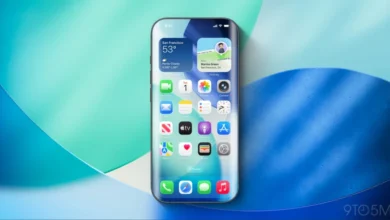
The highly anticipated public beta for iOS 27 has officially been released, marking a pivotal moment for iPhone users worldwide as Apple signals a profound commitment to optimizing device speed and reliability. Initial reports and official statements from Apple indicate that this update brings forth a substantial performance uplift, detailing more than 30 distinct improvements designed to make the iPhone experience noticeably faster and smoother. This release comes after weeks of developer testing and sets the stage for the operating system’s general availability later this fall, promising a transformative update for millions.
A Renewed Focus on Core Performance
Apple’s emphasis on performance with iOS 27 is a strategic move, addressing a critical aspect of user satisfaction and device longevity. When the company first unveiled iOS 27 at its annual Worldwide Developers Conference (WWDC) last month, a core tenet of the presentation was the rigorous software refinement undertaken by its engineering teams. "Improvements across platforms push key system capabilities forward so everyday tasks feel faster, smoother, and more enjoyable," Apple articulated, underscoring a holistic approach to system optimization rather than isolated feature additions. This philosophy suggests a deep dive into the operating system’s architecture, targeting inefficiencies that accumulate over successive software iterations.
The commitment to speed manifests in various facets of the user experience. While a comprehensive list of all 30+ specific optimizations has not been publicly detailed beyond Apple’s internal documentation, the categories of improvement typically span across several critical areas:

- App Launch Speeds: Perhaps the most immediately noticeable enhancement, Apple claims that applications will launch up to 30% faster with iOS 27. This metric, derived from specific testing on devices like the iPhone 11 Pro Max, indicates a significant reduction in the time it takes for an app to become fully interactive from a cold start or when switching between applications.
- System Animations and Transitions: The fluidity of the user interface is paramount to the perception of speed. Optimizations in iOS 27 are expected to refine animations when opening and closing apps, navigating home screens, and switching between tasks, making these visual transitions appear more seamless and less prone to stuttering.
- Touch Responsiveness: Reducing input lag between a user’s touch and the device’s reaction is crucial for a responsive experience. Enhancements in this area aim to make scrolling, tapping, and gesturing feel more immediate and precise.
- Background Process Management: The efficiency with which iOS handles background tasks, memory allocation, and CPU cycles directly impacts overall system performance. Improvements here ensure that foreground applications receive adequate resources, preventing slowdowns even when multiple apps are running concurrently.
- Optimized Power Consumption: While not directly a "speed" improvement, better power efficiency can lead to sustained performance by reducing the likelihood of thermal throttling, where the device slows down to prevent overheating. A more efficient OS can also contribute to better battery life, enhancing the overall user experience.
- Framework and API Enhancements: Under the hood, developers benefit from optimized frameworks and APIs, allowing their applications to run more efficiently and leverage hardware capabilities more effectively, further contributing to the system-wide speed increase.
These improvements are not merely incremental; they represent a concerted effort to restore and elevate the snappiness that users expect from an Apple device, particularly for those using hardware that is a few generations old.
The Context of Apple’s Performance Journey
Apple’s trajectory with iOS performance has seen its share of ups and downs, providing crucial context for the significance of iOS 27’s focus on speed. In the mid-2010s, the company faced considerable criticism, notably around the "batterygate" controversy where it was revealed that iOS versions were intentionally throttling CPU performance on older iPhones with degraded batteries to prevent unexpected shutdowns. This event led to a significant backlash, class-action lawsuits, and a subsequent public apology from Apple, alongside a commitment to greater transparency and user control over battery health and performance management.
Following "batterygate," Apple made a conscious effort to prioritize performance, especially for older devices. iOS 12, released in 2018, was a landmark update in this regard, bringing substantial speed improvements to devices as old as the iPhone 5s. That update notably improved app launch times, keyboard appearance, and camera launch speeds, demonstrating Apple’s capability to breathe new life into aging hardware through software optimization. This historical precedent sets a high expectation for iOS 27, suggesting that the current emphasis on speed is not a mere marketing ploy but a response to user feedback and a reflection of lessons learned.
The consistent annual release cycle of iOS also means that each iteration builds upon the last, adding new features and functionalities. Over time, this can sometimes lead to a perceived slowdown, especially on older hardware. Therefore, dedicating an entire update cycle to aggressive optimization, as appears to be the case with iOS 27, is a strategic decision that acknowledges and counters this natural progression, aiming to ensure a consistent, high-quality experience across the supported device spectrum.

The iOS 27 Release Timeline
The journey of iOS 27 from concept to public availability follows a well-established pattern for Apple’s major software releases:
- June (WWDC): iOS 27 was officially announced at Apple’s Worldwide Developers Conference. This initial reveal provided a high-level overview of new features, design changes, and, crucially, the performance enhancements. Alongside the announcement, the first developer beta was released, allowing registered developers to begin testing the new operating system on their devices.
- July (Public Beta): Approximately a month after the developer beta, the public beta program commences. This phase allows a broader segment of enthusiastic users to install and test the pre-release software, providing valuable feedback to Apple. The current release of the iOS 27 public beta falls within this typical timeframe.
- Late Summer/Early Fall (Gold Master/Release Candidate): As the general release approaches, Apple typically releases a "Gold Master" or "Release Candidate" version to developers and public beta testers. This version is functionally identical to the final public release, giving developers a chance to finalize their app compatibility and make any last-minute adjustments.
- Fall (General Release): The final version of iOS 27 is expected to be released to all compatible iPhone users, typically coinciding with the launch of new iPhone models. Based on historical patterns, this usually occurs in September or October.
This structured release process allows Apple to gather extensive feedback, identify and rectify bugs, and fine-tune performance before the software reaches its vast global user base.
Official Statements and Rigorous Testing
Apple’s assertions regarding iOS 27’s performance gains are not merely anecdotal. The company explicitly states that some of its performance metrics are based on stringent internal testing. A notable example cited is the "up to 30% faster app launch" statistic, which was derived from comparisons between an iPhone 11 Pro Max running iOS 26.4.2 and an identical model running the iOS 27 beta. This detail is particularly significant as it demonstrates Apple’s commitment to improving the experience even on devices that are several years old.
The iPhone 11 lineup, first released in 2019, represents a substantial segment of the active iPhone user base. By ensuring that these devices, and those newer, receive a noticeable performance boost, Apple reinforces its reputation for supporting older hardware for an extended period. This approach is beneficial not only for consumer satisfaction but also for environmental sustainability by extending the useful life of electronic devices. The fact that Apple chose an iPhone 11 model as a baseline for some of its performance testing speaks volumes about its intent to deliver tangible improvements across a broad spectrum of its device ecosystem, not just the latest flagship models.

Furthermore, Apple’s general statement about "improvements across platforms" suggests that the underlying optimizations in iOS 27 are likely to benefit other Apple operating systems, such as iPadOS, macOS, and potentially watchOS and tvOS, due to shared foundational code and development practices. This cross-platform optimization strategy maximizes the impact of engineering efforts.
Broader Implications and Industry Analysis
The performance-centric update of iOS 27 carries several significant implications for Apple, its users, and the broader technology landscape:
- Enhanced User Satisfaction and Retention: A faster, more responsive iPhone directly translates to a better user experience. This can lead to higher user satisfaction, increased engagement with the device and its services, and stronger brand loyalty, potentially reducing churn to competing platforms.
- Extended Device Lifespan: By making older iPhones feel new again, Apple effectively extends the viable lifespan of these devices. This has economic benefits for consumers, who might delay upgrades, and aligns with growing environmental concerns about electronic waste. It also ensures that a larger proportion of Apple’s user base can access the latest software features, fostering a more uniform ecosystem.
- Competitive Advantage: In a highly competitive smartphone market, software performance is a key differentiator. By delivering a significantly faster operating system, Apple strengthens its position against Android manufacturers, many of whom struggle to provide consistent, long-term software support and optimization across their diverse hardware portfolios. The seamless integration of hardware and software remains a core Apple advantage, and iOS 27 capitalizes on this.
- Developer Ecosystem Benefits: A faster underlying operating system provides a more robust and responsive platform for third-party applications. This means apps can potentially launch quicker, run smoother, and offer more complex functionalities without bogging down the system, benefiting developers and enriching the App Store ecosystem.
- Siri’s Evolution Amidst Optimization: The original article highlights that Apple managed to achieve these extensive performance improvements while simultaneously undertaking a "ground-up revamp of Siri." This dual achievement underscores the significant engineering resources and expertise Apple possesses. Rebuilding a complex AI assistant like Siri from its foundations is a monumental task that typically demands considerable processing overhead and system resources. To accomplish this concurrently with a system-wide performance optimization is a testament to Apple’s ability to innovate on multiple fronts without sacrificing core user experience elements. A faster, more intelligent Siri, integrated into a more responsive OS, could significantly enhance daily interactions for users.
- Market Perception and Brand Value: Updates like iOS 27 reinforce Apple’s brand image as a provider of premium, high-quality, and reliable technology. When older devices receive such substantial performance boosts, it signals a commitment to excellence that resonates with consumers and strengthens the brand’s perceived value. This can be particularly impactful in emerging markets where users often hold onto their devices for longer periods.
In conclusion, iOS 27 is shaping up to be more than just another annual software update; it represents a significant re-prioritization of fundamental user experience elements. By dedicating substantial engineering effort to system-wide performance enhancements, Apple is not only making current iPhones faster but also extending the relevance and usability of older models. This strategic move, coupled with ambitious projects like the Siri revamp, underscores Apple’s commitment to delivering a consistently fluid, reliable, and enjoyable experience across its vast ecosystem, solidifying its position in the competitive technology landscape. As the public beta progresses and the full release approaches, millions of iPhone users can anticipate a noticeably snappier and more satisfying interaction with their devices.