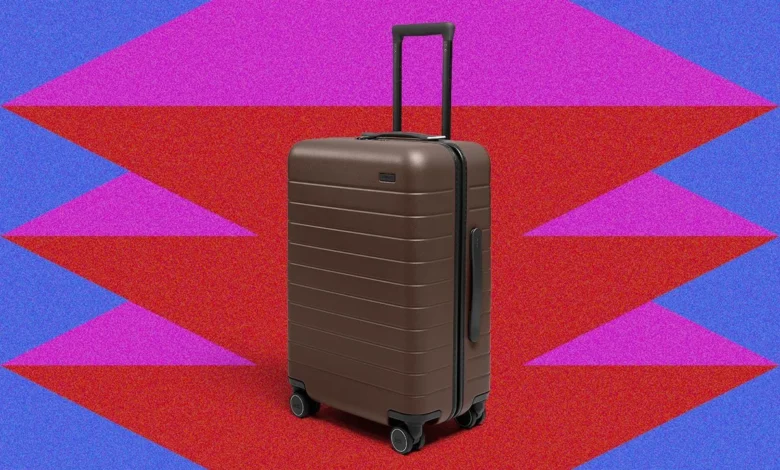
When the startup Away first disrupted the travel industry in 2016 with its debut Carry-On suitcase, it did more than just sell luggage; it transformed a commodity into a cultural phenomenon. The original design, characterized by a minimalist polycarbonate shell and a pioneering removable lithium-ion battery, turned the brand into a household name. A decade later, the company is recalibrating its strategy with the launch of the Series 3, a collection that signals a shift away from "smart" gadgetry toward refined, incremental engineering. By abandoning integrated power banks in favor of enhanced mechanical performance, Away is betting that the modern traveler values durability and seamless user experience over the novelty of built-in electronics.
The Evolution of the Smart Suitcase
The story of Away’s rise is inextricably linked to the early evolution of "smart" travel gear. In 2016, the ubiquity of smartphones and the relative scarcity of accessible power outlets in aging airport infrastructure created a distinct friction point for passengers. The original Away suitcase addressed this by integrating an ejectable battery pack, which allowed travelers to charge their devices on the go. This feature was so popular that it prompted a wave of competitors to integrate similar tech.

However, the regulatory landscape shifted rapidly. Following concerns from the International Air Transport Association (IATA) and major airlines regarding the fire risks associated with lithium-ion batteries in cargo holds, many carriers implemented strict rules requiring batteries to be removable. While Away’s original design anticipated these regulations, the industry-wide push toward battery-free cabin environments eventually led the brand to phase out the technology entirely by 2023. This transition was not merely a reaction to policy but a strategic pivot. According to Sarah Amidi, the company’s senior vice president of brand, the initial inclusion of a battery was a solution to a specific era’s problem. Today, with charging ports integrated into airport seats and the widespread adoption of portable power banks, the necessity of a heavy, integrated battery has diminished.
Chronology of a Redesign
The development of the Series 3 was marked by a rigorous, if somewhat protracted, testing phase. Unlike the rapid iteration seen in many tech-forward startups, the Series 3 development cycle prioritized long-term structural integrity. The project faced internal delays as the engineering team pushed to ensure that the new components—specifically the wheel assemblies and the handle mechanisms—met the company’s heightened standards for "ten-year durability."
The timeline of the brand’s progression is telling:

- 2016: Launch of the original Carry-On with integrated power bank, establishing the brand’s "direct-to-consumer" aesthetic.
- 2017-2019: Expansion of product lines and colors; the brand becomes a status symbol in travel circles.
- 2020-2022: The pandemic forces a global decline in air travel, leading the company to diversify into everyday bags and accessories.
- 2023: Official cessation of battery-integrated luggage models.
- 2024-2025: Research and development focused on mechanical refinement, leading to the Series 3 launch.
Engineering for Frictionless Travel
The Series 3 does not reinvent the polycarbonate shell, which remains a proven standard in the industry for its balance of weight and impact resistance. Instead, the focus has shifted to the "hidden" elements of travel that frequently cause frustration. The company has introduced its "WhisperGlide 360" wheel system, which incorporates additional ball bearings and refined thread patterns. These changes aim to reduce noise—a minor but persistent annoyance for travelers navigating cobblestone streets or quiet hotel corridors—and improve the maneuverability of the bag.
Perhaps the most significant functional addition is the integration of the "StopLock" brake system. Originally debuted in the brand’s niche TopSide collection, the mechanism allows a user to lock the wheels via a discreet switch located in the trolley handle cavity. This prevents the bag from rolling away on inclines, such as on trains or buses, addressing a common pain point that most hard-shell luggage manufacturers have largely ignored.
The trolley handle itself, dubbed the "Infinite Height Trolley," features five times the number of locking points compared to previous generations. This granular adjustment capability is designed to cater to a broader range of user heights, allowing for a more ergonomic pulling experience. Furthermore, the inclusion of integrated hooks—stress-tested for up to 40 pounds—allows for the attachment of secondary items like tote bags or jackets, effectively turning the carry-on into a mobile personal cart.

Interior Optimization and Aesthetic Customization
The interior of the Series 3 retains the brand’s signature compression system but introduces redesigned covers that open outward. This shift is designed to make packing and accessing belongings easier, particularly in the constrained spaces of hotel rooms or airport lounges. The company has also added a dedicated pouch for Bluetooth tracking devices, acknowledging the growing popularity of tools like AirTags among modern travelers.
Personalization remains a core component of the brand’s value proposition. The Series 3 is available in an expanded color palette, including "Electric Iris" (a vibrant purple), chocolate, and chartreuse. By making components like wheels and handles removable and replaceable, the company is also addressing a secondary market need: repairability. The ability to swap out a damaged wheel or customize the aesthetic of the bag without replacing the entire unit is a notable nod toward sustainability and extended product life cycles.
The Signature Bags Collection
Alongside the hard-shell luggage, the brand has introduced the "Signature Bags" collection, an evolution of its previous "Everywhere" line. This range—comprising totes, weekender bags, commuter backpacks, and duffels—has been re-engineered with lighter, more durable nylon fabrics. The hardware has been upgraded, specifically with reverse-coil zippers on laptop compartments to enhance weather resistance and security. The movement of the laptop compartment to the exterior of the bag is a functional design choice aimed at simplifying the security screening process, reflecting the company’s intent to solve "micro-frictions" in the travel experience.

Broader Implications and Market Positioning
The launch of the Series 3 and the accompanying bag collection suggests that the luggage industry is entering a phase of maturity. The era of "disruptor" brands adding software-like features to physical objects is giving way to a focus on premium materials, mechanical reliability, and user-centric design. While critics might argue that the new features are evolutionary rather than revolutionary, this represents a stabilization of the market. Consumers are increasingly wary of "smart" luggage that may become obsolete or prohibited by airlines; consequently, a focus on high-quality hardware is a safer, more sustainable long-term strategy.
Away’s pivot also highlights a broader trend in travel retail: the integration of accessories and luggage into a holistic travel ecosystem. By focusing on bags that serve specific purposes—like the quick-access laptop sleeve or the increased load capacity of the handle hooks—the brand is positioning itself as a solution for the professional traveler who values efficiency above all else.
The economic reality for the company remains challenging as it competes with both legacy luggage manufacturers that have modernized their offerings and a slew of newer, lower-cost competitors. By moving away from the "tech" label, Away is effectively shedding the baggage of being a "gadget company" and embracing its role as a premium travel lifestyle brand. This transition is essential for maintaining brand loyalty among its original customer base while attracting a more pragmatic, travel-weary demographic.

Ultimately, the success of the Series 3 will be measured not by viral marketing or technical specs, but by the performance of its mechanical components under the stresses of frequent travel. If the new wheel system and handle mechanisms prove to be as durable as the company claims, the Series 3 could solidify the brand’s position as a permanent fixture in the premium travel market. The move is a calculated one, suggesting that in the world of luggage, the most impressive technology is often the kind that works so well you never have to think about it.
Related posts: