The modern professional landscape has undergone a permanent shift toward hybrid and remote collaboration, rendering the quality of one’s digital presence more critical than ever. While laptop manufacturers continue to integrate internal webcams into their hardware, the vast majority of these embedded solutions remain hampered by physical space constraints, resulting in sensors that struggle with dynamic range, low-light performance, and color accuracy. As virtual meetings, webinars, and high-stakes video presentations become the primary mode of professional communication, the transition to high-fidelity external peripherals has evolved from a niche preference for streamers into a standard home office requirement.
The Technological Disparity in Video Capture
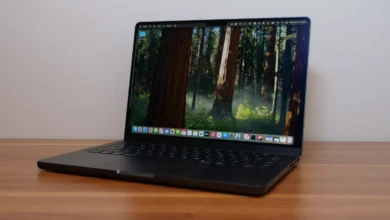
The disparity between built-in laptop cameras and dedicated external webcams is rooted in optical physics. Laptop lids are typically less than a centimeter thick, forcing manufacturers to use tiny image sensors and plastic lenses that cannot capture sufficient light. In contrast, external webcams leverage larger CMOS sensors and sophisticated glass optics.
Recent market data indicates that while PC shipments have seen fluctuations, the demand for high-end video conferencing peripherals has maintained a steady growth trajectory. Industry analysts note that users are increasingly prioritizing "production value" to signal professionalism. This trend has pushed manufacturers to adopt technologies previously reserved for dedicated mirrorless cameras, such as autofocus systems with eye-tracking, high-dynamic-range (HDR) processing, and AI-driven frame framing.
A Chronology of the Webcam Evolution
The history of the webcam dates back to 1991 at the University of Cambridge, where a simple camera was aimed at a coffee pot to save researchers a trip to the breakroom. However, the technology remained stagnant for decades, relegated to low-resolution video chatting. It was not until the global health events of 2020 that the industry faced an existential push for innovation. The sudden necessity for professional-grade video quality in home environments spurred a rapid development cycle, moving from the standard 720p resolution to 1080p, and subsequently, to the 4K standards that dominate the premium market today.
Evaluating the Current Market Leaders
When assessing the current landscape, four distinct categories emerge: the reliable all-rounder, the professional-grade 4K unit, the specialized travel companion, and the high-value midrange option.
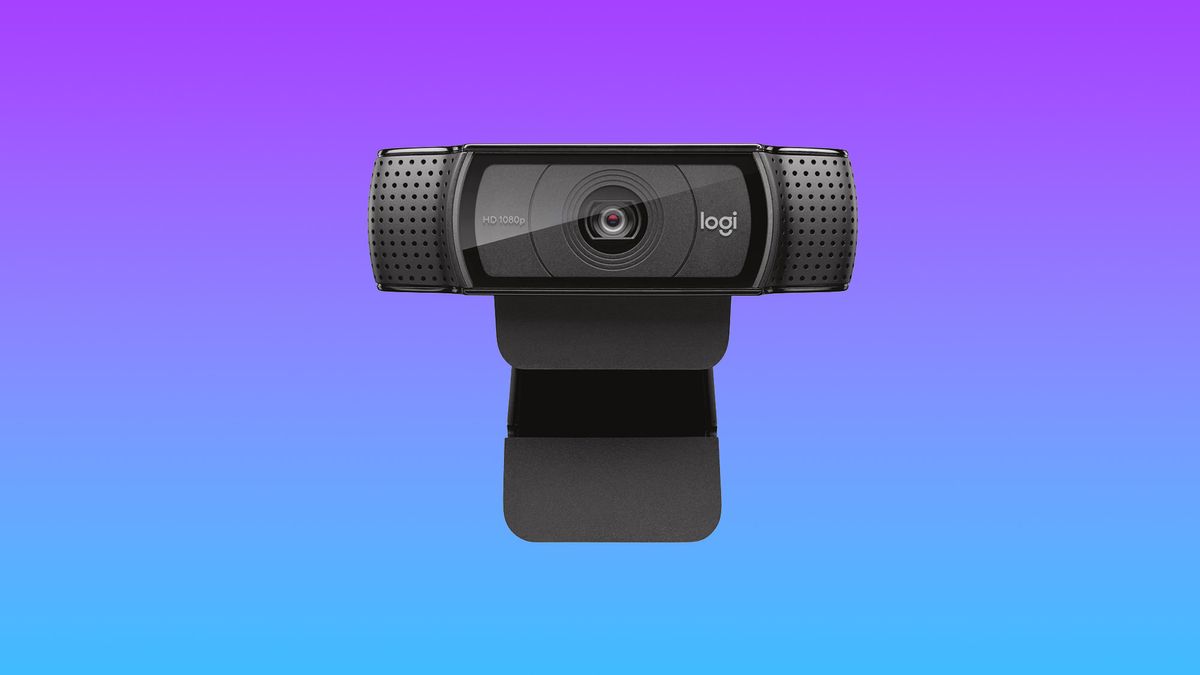
The Standard-Bearer: Logitech HD Webcam C920
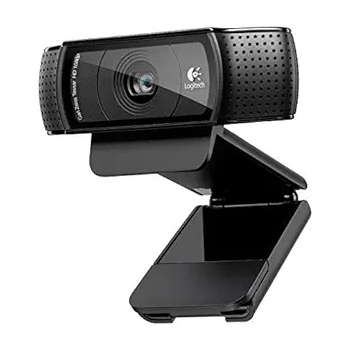
For many years, the Logitech C920 has served as the baseline for high-quality video communication. Despite being an older design, its success lies in its consistency. Operating at 1080p at 30 frames per second, it provides a stable, color-accurate image that satisfies the requirements of most corporate video conferencing platforms like Microsoft Teams, Zoom, and Google Meet. Its wide 78-degree field of view is optimized for single-person setups, and its mature driver support ensures compatibility across both Windows and macOS ecosystems without the need for intensive system resources.
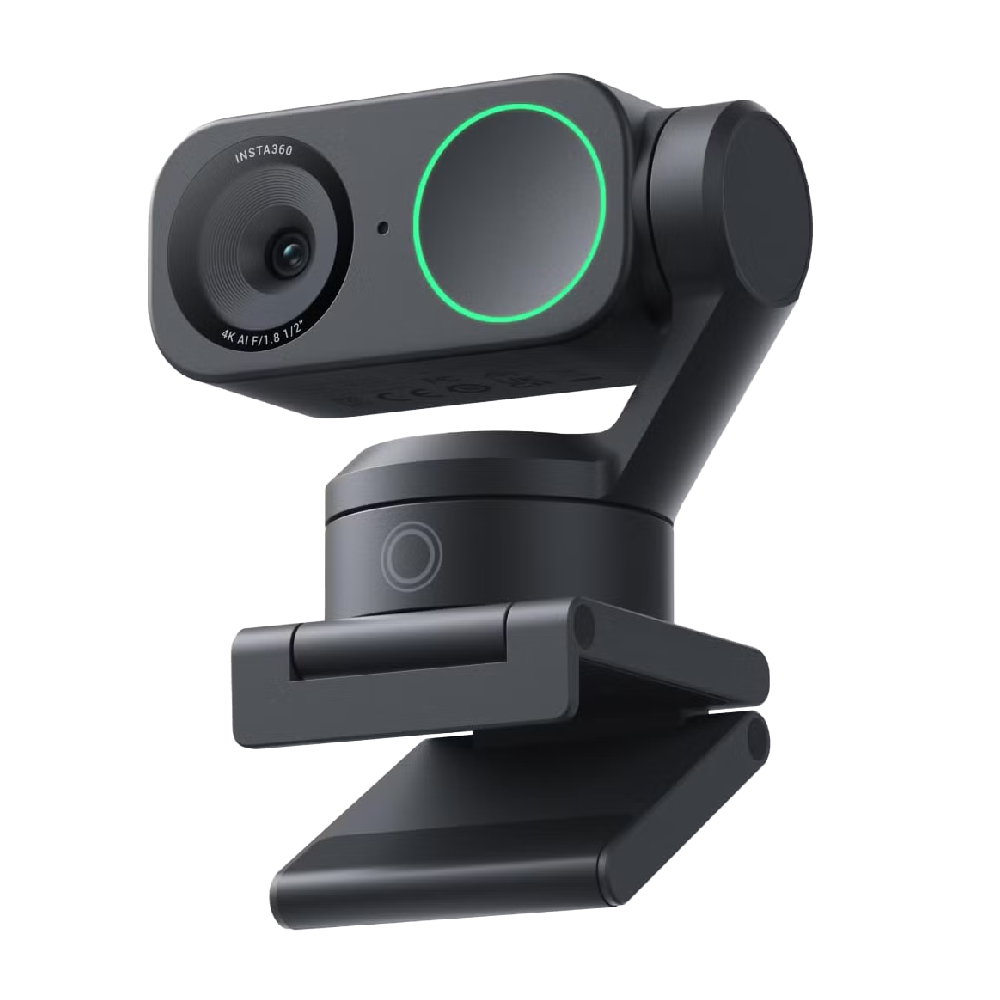
The Professional Standard: Insta360 Link 2
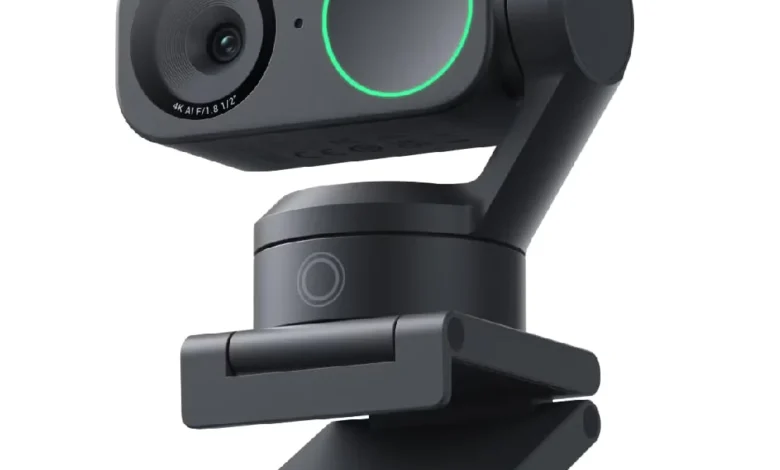
The Insta360 Link 2 represents the current frontier of AI-integrated hardware. Unlike static webcams, it utilizes a dual-axis mechanical gimbal. This allows the camera to physically track the user as they move across a room—a feature that has revolutionized presentations for educators and creative professionals. By incorporating a 1/2-inch sensor, it offers superior performance in low-light environments, effectively reducing the "grain" or digital noise that typically plagues home office setups during evening hours or in dimly lit rooms.
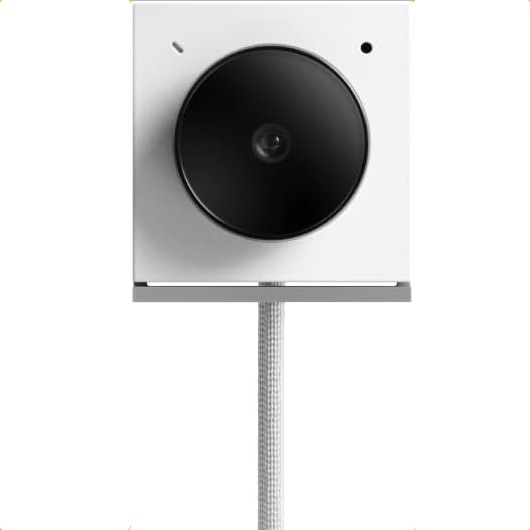
The Portable Professional: The Opal Tadpole
The rise of "digital nomads" and hybrid workers who transition between offices has necessitated a new class of travel-friendly hardware. The Opal Tadpole addresses the primary friction point of external webcams: bulk. Designed with a clip-on form factor similar to a mobile accessory, it provides 4K resolution in a package that fits comfortably in a laptop sleeve. It represents a significant shift in design philosophy, where the focus is placed on the ease of deployment without compromising the requirement for high-definition output.
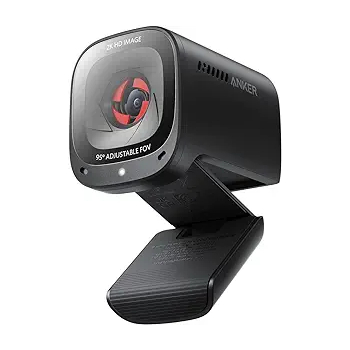
The Midrange Bargain: Anker PowerConf C200
Anker has successfully disrupted the market by offering 2K resolution (1440p) at a price point typically reserved for entry-level 1080p cameras. The PowerConf C200 is characterized by its focus on practical utility, featuring an integrated physical privacy shutter—a feature that security-conscious users have increasingly demanded. Its 60fps frame rate at lower resolutions provides a fluid experience that is particularly noticeable during rapid movement or high-motion presentations.
Comparative Technical Analysis
| Feature | C920 | Insta360 Link 2 | Opal Tadpole | Anker C200 | MX Brio 4K |
|---|---|---|---|---|---|
| Max Res | 1080p | 4K | 4K | 2K | 4K |
| Gimbal | No | Yes | No | No | No |
| HDR | No | Yes | Yes | No | No |
| Mic Type | Stereo | Noise-Cancel | MEMS | Dual-Stereo | Beamforming |
Strategic Implications for Businesses and Professionals
The adoption of high-quality video hardware is no longer merely an aesthetic choice; it is a business communication strategy. Research into "Zoom fatigue" suggests that high-quality, clear video signals reduce cognitive load on meeting participants, allowing for better engagement and faster information processing. Furthermore, for companies that operate globally, the use of professional lighting and high-resolution video is a way of establishing brand equity and trust.
From a technical standpoint, the integration of AI in cameras like the Insta360 Link 2 means that the camera now performs tasks that previously required a dedicated camera operator. Auto-framing, whiteboard correction, and background noise suppression are now handled at the hardware level, freeing the user to focus entirely on their content.
Future Outlook and Industry Trajectory
As we look toward the remainder of the decade, the integration of specialized neural processing units (NPUs) into laptops will likely begin to handle many of the tasks that external webcams currently manage. However, the physical limitation of the lens size remains an insurmountable barrier for internal cameras. Consequently, the external webcam market is expected to shift further toward modularity and specialized use cases. We anticipate seeing more cameras that interface directly with professional lighting ecosystems and offer deeper integration with real-time generative AI for background replacement and image enhancement.
For the average user, the advice remains consistent: if your role involves high-stakes communication, the internal camera is a temporary solution. Investing in a dedicated 1080p or 4K sensor is the most cost-effective way to improve your professional presence. Whether choosing the rugged, time-tested reliability of a Logitech C920 or the cutting-edge, motion-tracking capabilities of an Insta360 device, the goal remains the same: ensuring that the digital medium does not obscure the message.
Expert Conclusion
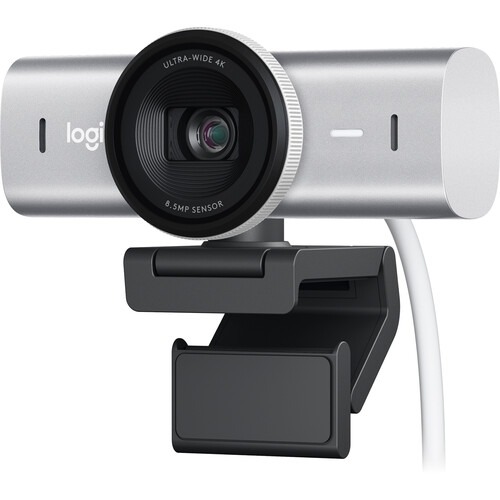
Selecting the right webcam requires an honest assessment of one’s environment and technical requirements. If the priority is a "set it and forget it" experience for daily meetings, the Logitech C920 or Anker C200 provide the best value-to-performance ratio. If the objective is to elevate the quality of content creation, webinars, or high-end presentations, the investment in a 4K, AI-driven device such as the Insta360 Link 2 or the Logitech MX Brio is justified by the immediate jump in visual fidelity. As technology continues to bridge the gap between in-person and remote interaction, the importance of these optical tools will only continue to grow.