Apple significantly expands global accessibility and localization in iOS and iPadOS 27 with over 30 new language additions

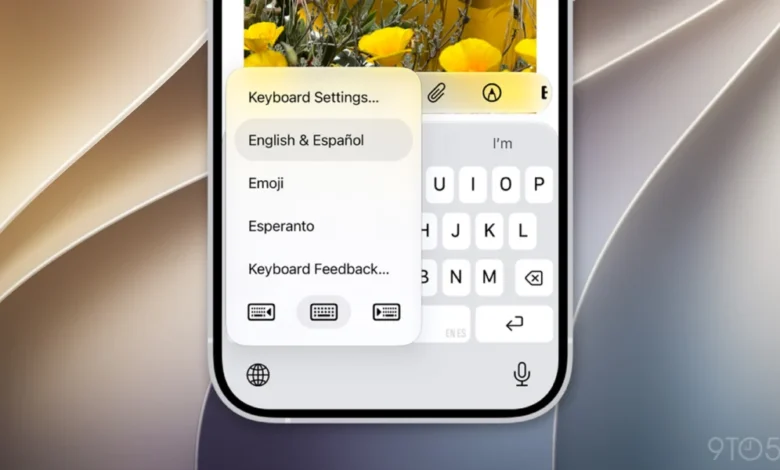
Apple has officially updated its iOS and iPadOS 27 Feature Availability documentation, marking a substantial expansion in the global reach of its mobile ecosystem. By integrating support for more than 30 new languages and regional linguistic variants, the company has reinforced its commitment to localized user experiences, spanning critical interface elements such as Dictionary definitions, thesaurus entries, predictive text, and Siri interaction capabilities. This move represents one of the most comprehensive language-rollout updates in recent iterations of the Apple mobile operating system, aiming to bridge the digital divide for users in emerging markets and diverse linguistic regions.
The Scope of the Update
The updated feature availability page serves as a comprehensive ledger for nearly 200 distinct iOS and iPadOS features. These range from fundamental accessibility tools and Apple Pencil utility to advanced system-level integrations like Spotlight Suggestions and Calendar automation. The latest update specifically targets the foundational building blocks of the user interface: the QuickType keyboard engine and the intelligent language-processing capabilities of Siri.
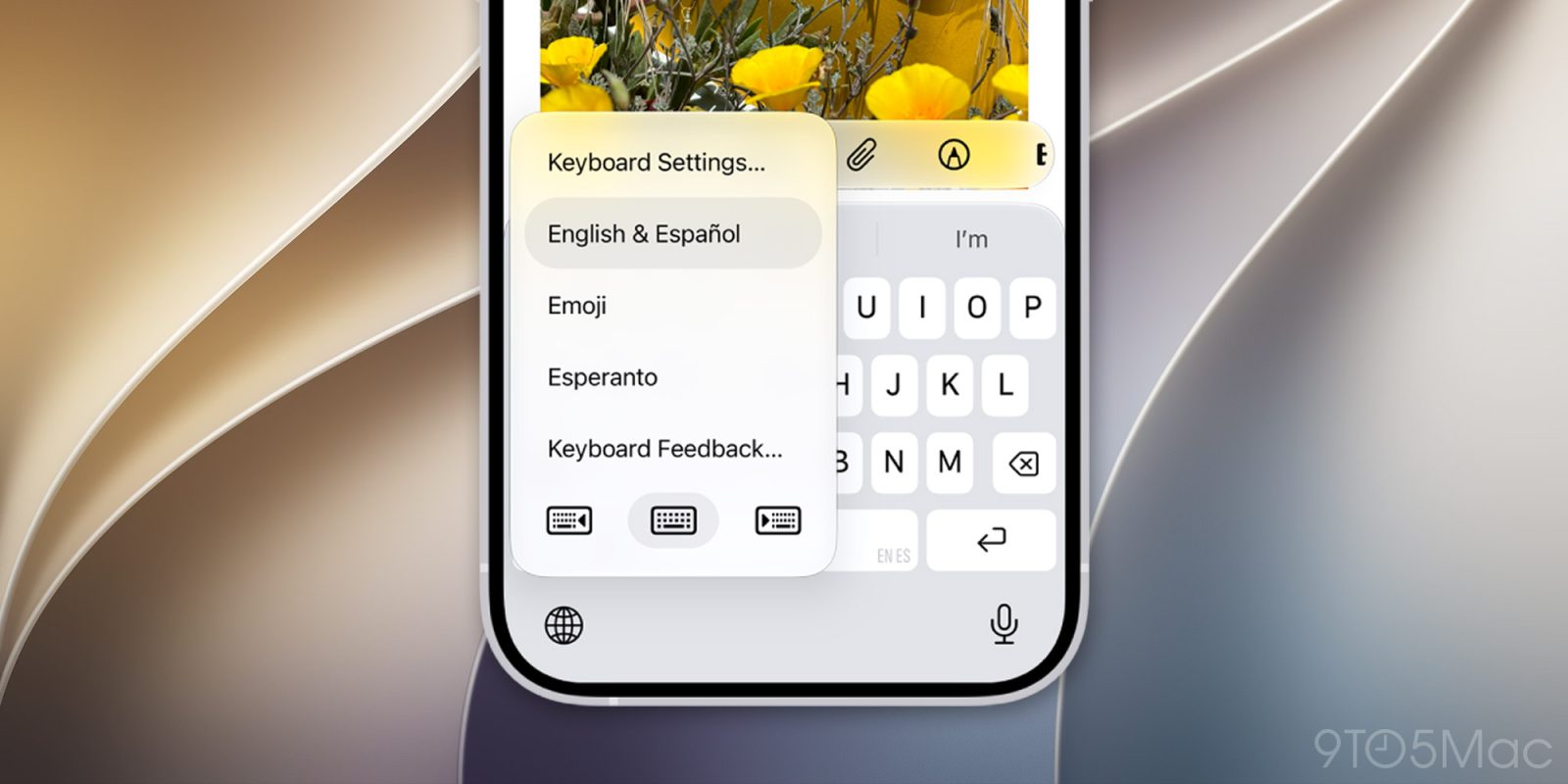
For millions of users, this update means that advanced features—such as inline predictive typing, autocorrection, and multilingual input—will now function with greater accuracy and cultural relevance. By including both major international languages and specific regional variants, Apple is essentially calibrating its machine learning models to better recognize idiomatic expressions, regional spelling conventions, and grammatical structures that were previously unsupported or required third-party keyboard solutions.
Chronology and Evolution of Apple’s Localization Strategy
To understand the magnitude of this update, one must view it within the broader chronology of Apple’s localization roadmap. Since the inception of the App Store and the subsequent evolution of iOS, Apple has pursued a dual-track strategy: maintaining a highly polished, unified global interface while simultaneously tailoring deep-system features to regional requirements.
Historically, Apple’s localization efforts have evolved through three distinct phases:
- The Foundation Phase (2007–2012): During the early years of the iPhone, localization was focused on primary global languages—English, French, German, Spanish, and Japanese. The goal was basic utility and global compatibility.
- The Contextual Phase (2013–2020): With the introduction of features like Siri and advanced QuickType, Apple shifted toward contextual understanding. This era saw the introduction of complex script support and the beginning of regional dialect integration, acknowledging that a language like "Spanish" is not monolithic when spoken in Mexico versus Spain.
- The AI and Intelligent Integration Phase (2021–Present): With the integration of advanced Neural Engine processing in iOS 16 through iOS 27, the focus has shifted to deep linguistic intelligence. This includes Visual Look Up, which uses computer vision to identify objects, and highly nuanced predictive text that leverages on-device machine learning to learn from user habits across multiple languages simultaneously.
Analyzing the Impact of New Language Integration
The addition of over 30 languages is not merely a cosmetic change; it has profound implications for user productivity and device accessibility. When a language is officially supported for "Autocorrection" and "Predictive Typing," the device’s efficiency increases exponentially. Users no longer need to rely on "auto-correct" systems that default to English or another primary language, which often leads to constant manual corrections and a frustrating user experience.
Furthermore, the expansion of "Activate with Siri" support is a critical milestone for voice-command accessibility. For users with motor impairments or those who rely on hands-free interaction, the ability to trigger a voice assistant in their native language—or a specific regional dialect—is a necessity rather than a luxury. This update ensures that the Apple ecosystem remains inclusive, effectively lowering the barrier to entry for users in under-served geographical regions.
Technical Infrastructure and Machine Learning
Behind these updates lies a massive investment in natural language processing (NLP). Apple’s shift toward on-device processing for these features—specifically the dictionary and predictive text components—ensures that user data remains private while maintaining the low-latency performance required for fluid typing.
The engineering challenge of adding 30+ languages involves training language-specific transformer models that can operate within the constrained power and memory envelopes of mobile devices. Each language requires a unique dataset to handle morphological variations, syntactical rules, and the "Long Tail" of vocabulary that is often missed by generic translation software. By updating the Feature Availability page, Apple is confirming that these models have passed rigorous quality assurance testing and are now stable for deployment in the public release of iOS 27.

Official Stance and User Expectations
While Apple rarely comments on the specific roadmap of linguistic development, the update reflects the company’s broader strategy of "global-local" growth. In recent earnings calls, Apple executives have consistently highlighted the importance of emerging markets, such as India, Southeast Asia, and parts of Latin America. Providing robust, native-language support is a prerequisite for capturing market share in these regions, where mobile-first users prioritize devices that "speak their language" fluently.
Industry analysts suggest that this update is a strategic response to the increasing demand for high-end smartphones in non-Western markets. As global competitors also ramp up their localization efforts, Apple’s focus on the "system-level" integration of these languages provides a distinct competitive advantage. Unlike third-party keyboard apps that may have privacy concerns, Apple’s integrated solutions are baked into the kernel of the operating system, ensuring better security and battery optimization.
Broader Implications for the Digital Ecosystem
The ripple effects of this update extend beyond the individual user. Developers of third-party applications will now be able to leverage these new system-level language capabilities. For instance, an app utilizing the standard iOS text-input field will automatically inherit the new autocorrection and predictive capabilities for the newly added languages, saving developers the effort of building their own linguistic engines.
This standardisation creates a more cohesive experience across the App Store. When the underlying OS supports a language, it elevates the quality of every app running on that platform. This is a critical factor for international app developers who previously had to choose between limited language support or high development costs to support regional nuances.
Looking Ahead: The Future of Multilingual Computing
As iOS and iPadOS continue to integrate generative AI and more complex machine learning models, the role of language support will become even more pivotal. Future updates are expected to move beyond simple dictionary and predictive text support, likely venturing into real-time, on-device translation for Siri and more sophisticated visual interpretation in Visual Look Up.

The current update, however, is a vital step in the maturation of the platform. By systematically checking off the requirements for major and minor languages, Apple is ensuring that its devices remain the most versatile tools for a global audience. For users, the wait for native-level integration for their specific regional tongue is a testament to the complexity of global software deployment—a process that requires balancing massive engineering resources with a deep respect for cultural and linguistic diversity.
The full list of supported languages and their specific feature availability—whether for Dictionary definitions, QuickPath typing, or Siri activation—can be cross-referenced on the official Apple Feature Availability portal. As the rollout of iOS 27 continues, users are encouraged to ensure their devices are updated to the latest software build to take full advantage of these linguistic enhancements, which are enabled automatically upon the installation of the appropriate language packs in the system settings. This update stands as a clear indicator of Apple’s ongoing commitment to building a platform that is truly, and functionally, global in its scope.