High-Speed Power on the Highway: The Evolution of Multi-Port Car Chargers and the Best 100W+ Models for Long-Haul Travel

The modern automobile has evolved far beyond a simple mode of transportation; for millions of commuters, professionals, and families, the vehicle functions as a mobile office and an extension of the living room. With this shift, the demand for robust in-car power solutions has surged dramatically. While standard wireless mounts and low-wattage adapters suffice for quick daily commutes or streaming music via Bluetooth, long-distance travel and multi-device workflows demand a different class of hardware. High-output wired car chargers capable of delivering 100 watts or more have transformed from niche accessories into essential tools for road warriors, digital nomads, and families juggling smartphones, tablets, and even power-hungry laptops.
The necessity for high-capacity vehicular charging stems directly from the shifting hardware landscape. Modern laptops, MacBooks, and Chromebooks often require a baseline of 60W to 65W just to maintain a stable charge under standard operational loads. When multiple passengers plug in simultaneously, traditional chargers frequently buckle under the strain, resulting in sluggish power delivery or overheating. To combat this, industry-leading accessory manufacturers such as Anker, Baseus, and UGREEN have engineered heavy-duty multi-port adapters that leverage advanced semiconductor technologies to safely distribute high wattage across several connections without sacrificing passenger safety or device integrity.
The Technological Leap in In-Car Power Distribution
The transition from standard 12-volt cigarette lighter adapters to sophisticated multi-port power hubs highlights rapid advancements in charging architecture. Early automotive chargers typically maxed out at 10W or 12W, delivering agonizingly slow speeds that could barely offset the battery drain of a GPS navigation app running continuously on a smartphone.
The introduction of USB Power Delivery (USB-PD) standards fundamentally altered this landscape. By allowing dynamic negotiation of voltage and current between the charger and the connected device, manufacturers could safely scale power outputs upward. Today’s premier high-wattage car chargers utilize advanced materials, such as Gallium Nitride (GaN) components where applicable, alongside intelligent microcontrollers. These smart chips actively monitor temperature, input voltage, and current output in real-time, throttling power dynamically to prevent thermal runaway and protect sensitive device batteries from degradation.
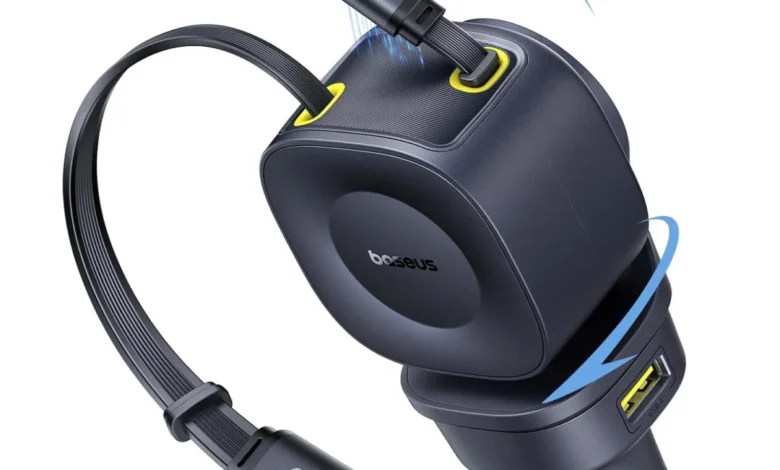
Furthermore, mechanical innovations have addressed one of the most persistent gripes of vehicle interiors: cable clutter. Modern high-capacity chargers frequently integrate retractable cables and multi-directional pivoting heads, maximizing cabin ergonomics and ensuring that drivers and passengers can plug in easily from any angle without tangling cords around gear shifters or dashboard controls.
Anker Nano Car Charger (167.5W, 3 Ports): Power and Versatility Combined
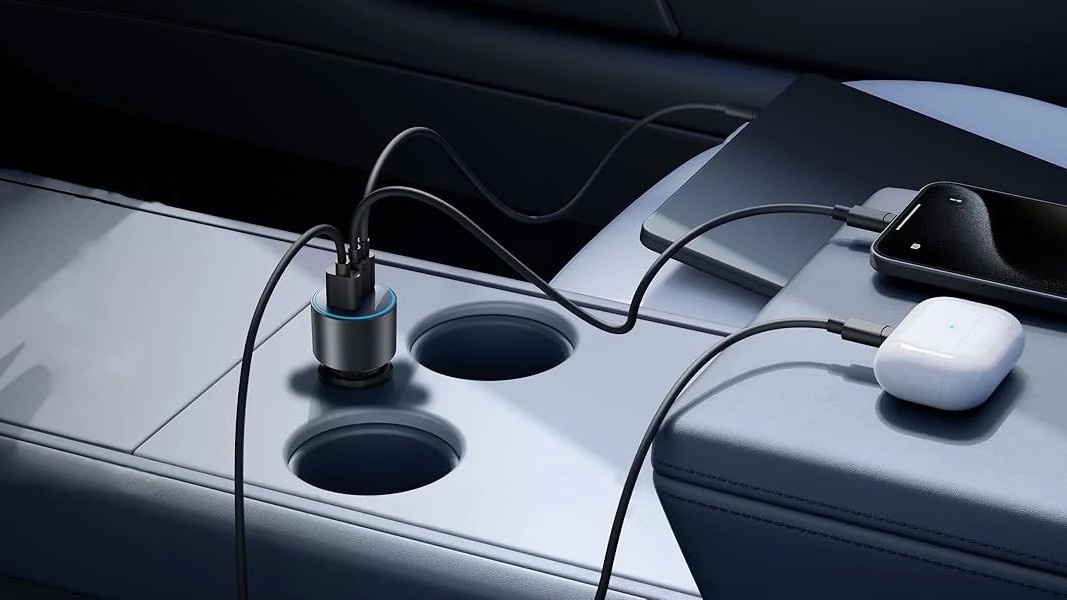
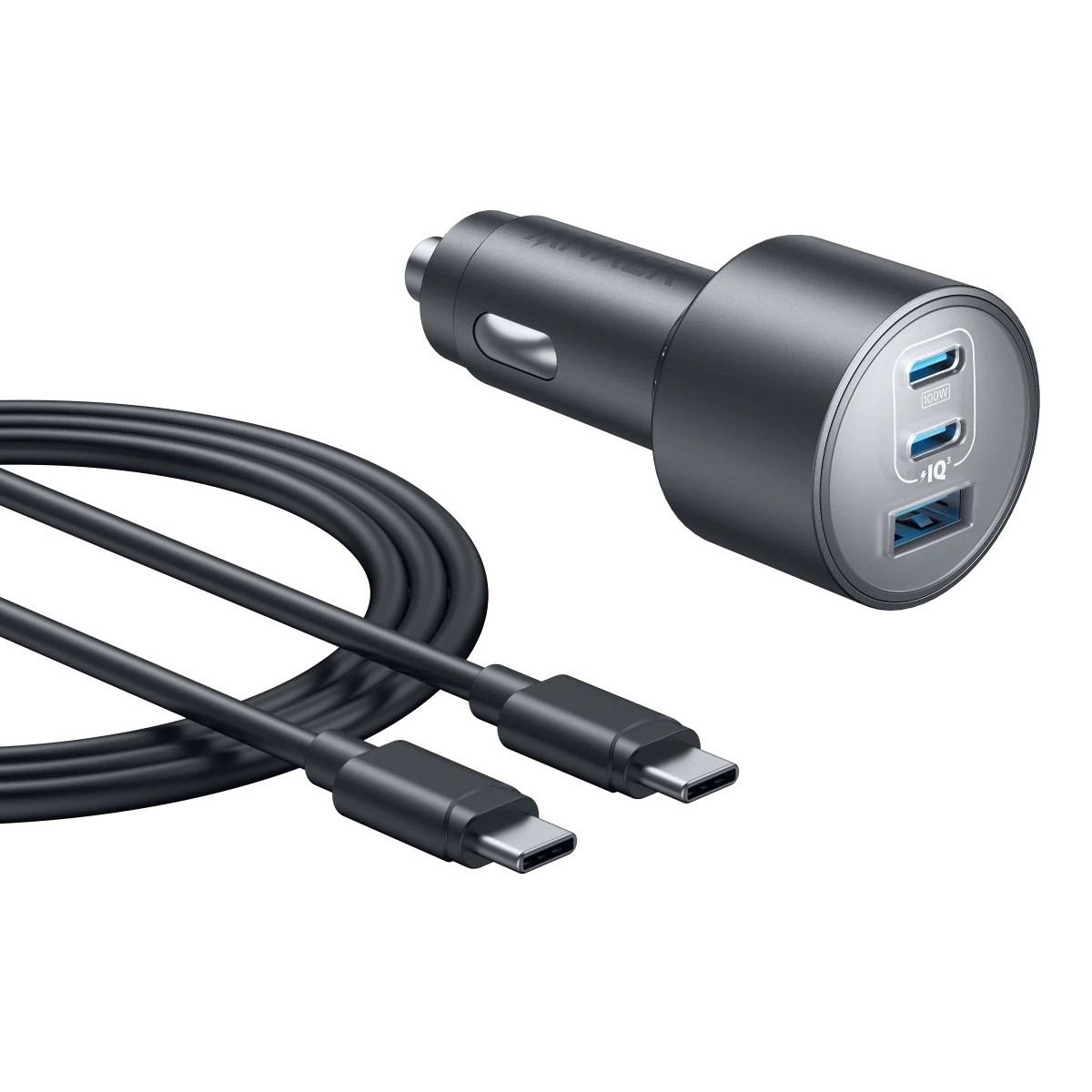
Among the top-tier offerings currently available on the market, the Anker Nano Car Charger (167.5W, 3 Ports) stands out as a benchmark for raw power efficiency and compact engineering. Designed to cater to users carrying multiple high-demand electronics, this tri-ported unit packs a formidable combined power rating of 167.5W into a surprisingly diminutive chassis.
The hardware layout features a single USB-A port and two USB-C ports, offering broad compatibility across both Apple ecosystems and Samsung’s fast-charging profiles. Port distribution is heavily weighted toward high-draw equipment: the primary USB-C port delivers a robust 100W, making it fully capable of charging demanding laptops like a 16-inch MacBook Pro at near-maximum speed. The secondary USB-C port outputs a respectable 45W, ideal for fast-charging tablets or secondary smartphones, while the legacy USB-A port provides up to 22.5W for accessories.
Anker’s proprietary internal safety protocols play a critical role in managing this massive output. The integrated smart chip continuously regulates thermal dissipation and voltage fluctuations, ensuring the hardware remains cool to the touch even during prolonged journeys under heavy load. Typically retailing around $53.99 and frequently discounted during major promotional events, the Anker Nano represents a cost-effective, high-performance investment for frequent travelers.
Baseus PrimeTrip VR2 Max 240W: Solving Cable Clutter with Extreme Output
For consumers prioritizing absolute maximum wattage and streamlined cabin management, the Baseus PrimeTrip VR2 Max 240W represents the current pinnacle of vehicular charging technology. Co-developed with advanced consumer feedback in mind, this charger rethinks the physical interface between passenger and power source.
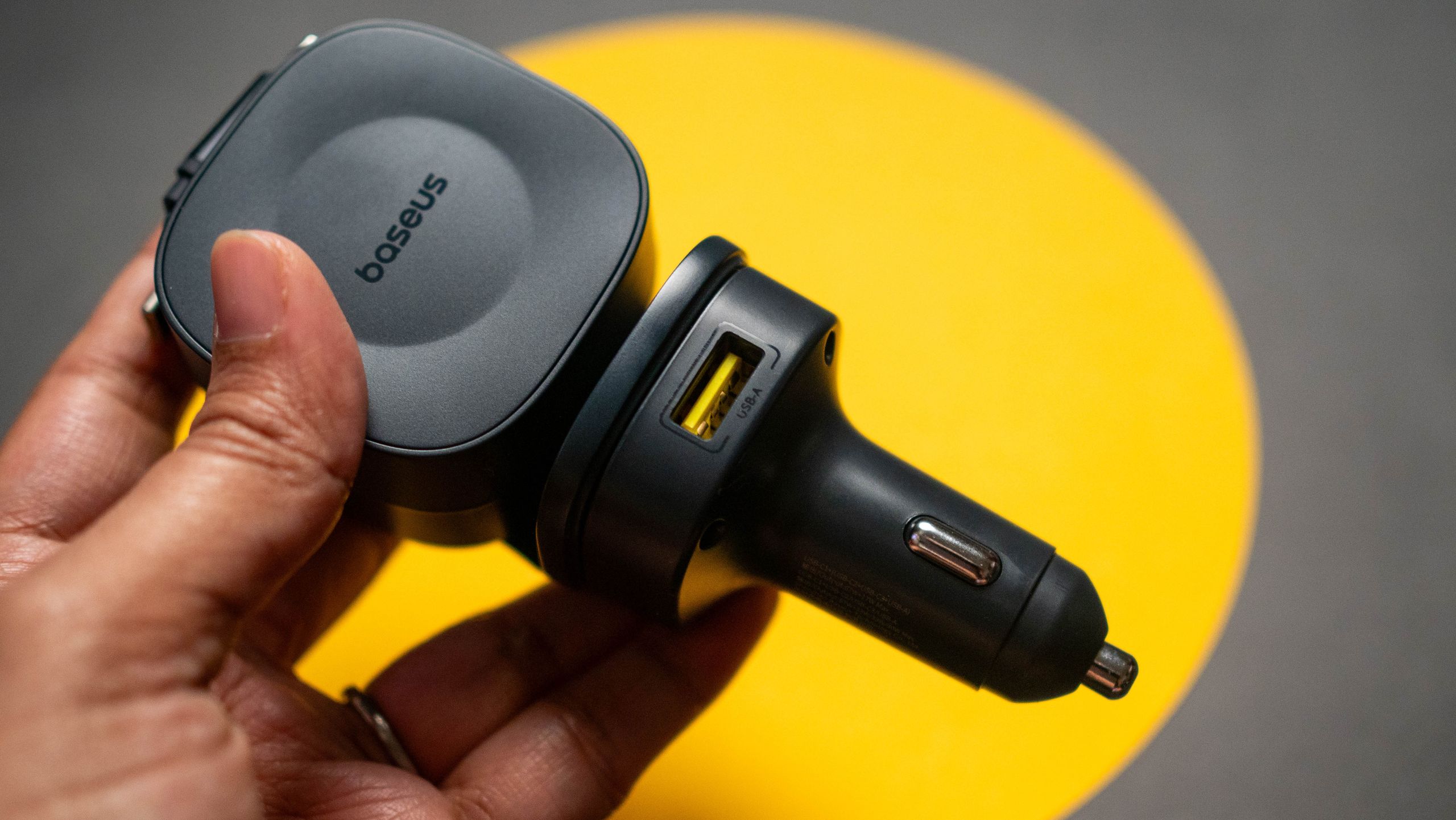
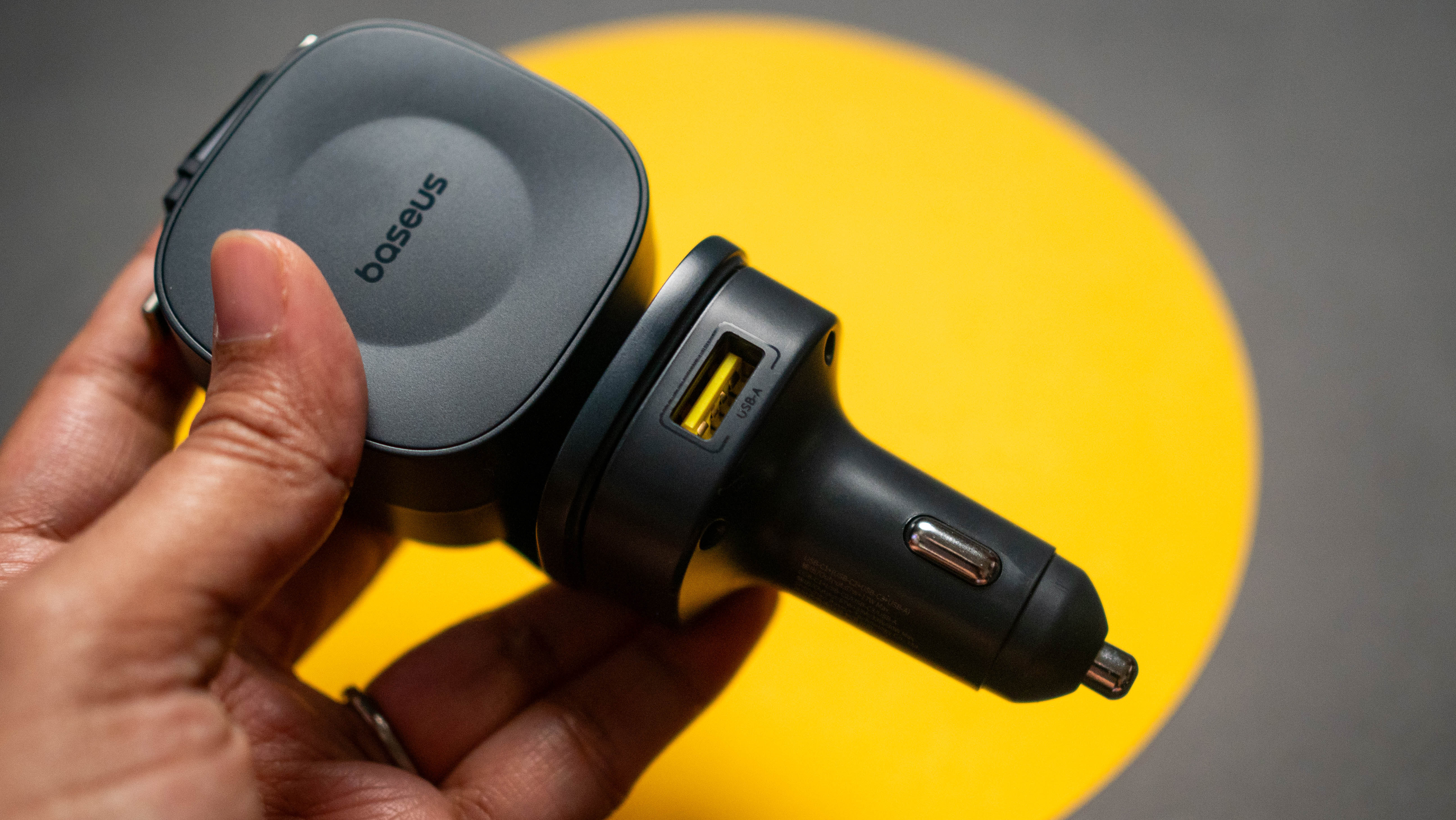
The defining feature of the PrimeTrip VR2 Max is its inclusion of two built-in, 105W retractable USB-C cables measuring approximately 31.5 inches in length. These cables pull smoothly from the housing and retract automatically when not in use, effectively eliminating loose wires inside the vehicle. Supplementing these integrated cords are an additional 33W USB-C port and a 30W USB-A port located in the device’s base, allowing up to four devices to charge simultaneously.
Engineering considerations extend beyond raw output. The upper portion of the charger features a 450-degree multi-directional rotating joint, allowing users to adjust the angle of the unit to clear nearby dashboard obstacles or cup holders. Safety is addressed via a comprehensive seven-layer protection system, which incorporates flame-retardant shell materials and intelligent temperature monitoring chips. Retailing around $59.99—though frequently subjected to steep promotional discounts—the Baseus PrimeTrip VR2 Max caters directly to power users and families who refuse to compromise on speed or tidiness.
UGREEN Nexode Car Charger 145W: Prioritizing Affordability and Safety
Rounding out the top tier of reliable charging brands, UGREEN has built a formidable reputation for delivering premium performance at competitive price points through its renowned Nexode series. The UGREEN Nexode Car Charger 145W brings this design philosophy directly to the automotive sector.
Priced competitively at around $49.99—and frequently found at lower promotional rates—this unit serves as an accessible entry point into high-wattage vehicular charging without sacrificing build quality or multi-device utility. The charger features a four-port configuration: one integrated retractable USB-C cable rated at 60W, a secondary standalone USB-C port capable of delivering a full 100W, a third USB-C port outputting 30W, and a conventional USB-A port also rated at 30W.
Like its competitors, UGREEN places heavy emphasis on structural and electrical safeguards. The device incorporates rigorous surge protection, over-current safeguards, and smart voltage regulation. Its exterior shell is constructed from specialized fireproof plastics designed to withstand high cabin temperatures during summer months or prolonged high-draw sessions. For buyers seeking a balance of rapid laptop charging capabilities, multiple connection options, and budget-friendly pricing, the UGREEN Nexode 145W offers a compelling package.

Industry Implications and Future Outlook
The rapid commercial adoption of 100W+ car chargers underscores a broader shift in consumer electronics expectations. As device manufacturers continue to phase out wall adapters from product packaging and consumers increasingly rely on a singular laptop or tablet for professional and personal use, the expectation of ubiquitous, high-speed power has extended from the desktop to the automobile.
Industry analysts note that future iterations of vehicular charging hardware will likely incorporate emerging USB-PD extensions capable of pushing even higher wattages, alongside tighter integration with vehicle infotainment systems for real-time power diagnostics. However, safety standards will remain paramount. Regulatory bodies and manufacturers alike face mounting pressure to ensure that high-output aftermarket accessories adhere to strict thermal and electrical certifications to prevent vehicle electrical system strain.
For the average motorist, investing in a certified, high-capacity charger from established brands like Anker, Baseus, or UGREEN represents a future-proof solution. Whether navigating a daily cross-town commute or embarking on a cross-country road trip, these advanced power hubs ensure that productivity never halts due to a depleted battery.