Gentle Monster confirms December 2026 launch window for its first Android XR intelligent eyewear collection

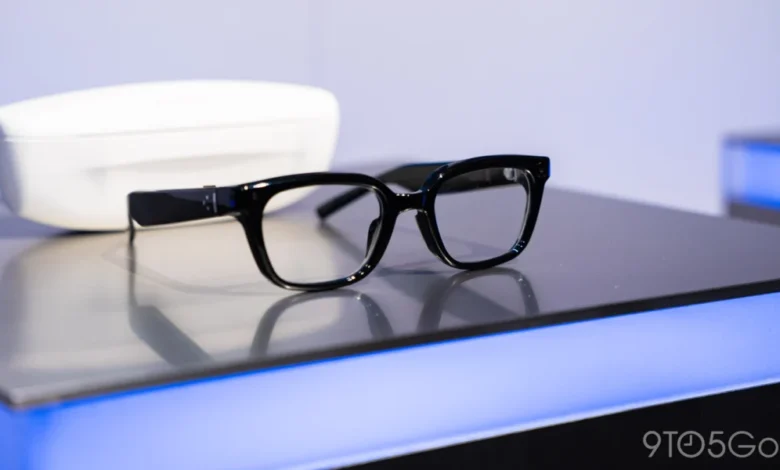
The landscape of wearable technology is poised for a significant transformation as the collaborative efforts between Google, Samsung, and their design partners reach a critical milestone. Following months of industry speculation and strategic teases, Gentle Monster, the high-fashion eyewear brand, has officially confirmed that its debut collection of Android XR "Intelligent Eyewear" is scheduled for a market release in December 2026. This announcement follows closely on the heels of Warby Parker’s recent confirmation that pre-orders for its own iteration of the hardware will commence on November 12, 2026, signaling a coordinated push into the augmented and extended reality (XR) space as the year draws to a close.
The confirmation from Gentle Monster arrived via a cryptic but high-production social media campaign. The brand released a teaser for a short film featuring Academy Award-winning actor Joaquin Phoenix. Directed by acclaimed filmmaker Jonathan Glazer, the project is described by the company as a "cinematic journey between reality and dream." While the artistic merit of the collaboration serves as a potent marketing vehicle for the brand’s aesthetic identity, the accompanying press materials provided the long-awaited clarity regarding the product’s availability. By anchoring the launch in the final month of 2026, the partners are positioning these devices as high-end consumer technology offerings for the holiday season.
The Evolution of the Android XR Ecosystem
The "Intelligent Eyewear" initiative represents a collaborative effort spearheaded by Google and Samsung, aimed at integrating Android’s robust software ecosystem with wearable form factors that prioritize style as much as utility. Unlike the bulky, specialized headsets that have historically dominated the virtual reality (VR) market, the Android XR program focuses on frames that are designed to be worn comfortably in public settings.
The project is the culmination of years of development aimed at bridging the gap between standard optical frames and high-performance computing devices. By partnering with established fashion entities like Gentle Monster and Warby Parker, the consortium is attempting to solve one of the primary hurdles in the mass adoption of smart glasses: the social stigma and aesthetic unappealing nature of earlier hardware generations.
Historically, smart glasses have struggled with the "glasshole" perception—a term coined during the early days of Google Glass—where users were viewed as intrusive or socially awkward. By leveraging the design language of fashion-forward retailers, Google and Samsung are betting that users will be more inclined to adopt XR technology if the hardware is indistinguishable from premium designer eyewear.

Chronology of the Android XR Rollout
The road to the December 2026 launch has been marked by a deliberate and cautious series of announcements:
- Mid-2024: Initial reports surface regarding a secret partnership between Google, Samsung, and Qualcomm to develop an XR platform specifically optimized for Android.
- Early 2026: Samsung formally confirms the development of an XR platform, with references to "Intelligent Eyewear" appearing in trademark filings.
- October 2026: Industry analysts begin to solidify projections that a Q4 release is imminent, driven by supply chain signals from component manufacturers.
- November 2, 2026: Media reports indicate that Samsung’s internal timeline for the XR platform is finalized for a December launch.
- November 6, 2026: Warby Parker announces that its version of the intelligent eyewear will go up for pre-order on November 12, 2026.
- November 6, 2026: Gentle Monster confirms its own December 2026 retail launch through its official communication channels.
Market Implications and Competitive Landscape
The launch of these glasses occurs at a pivotal moment for the XR industry. As major tech conglomerates look to move beyond the smartphone as the primary interface for digital interaction, the "head-worn" category is seen as the next logical frontier.
From an analytical standpoint, the decision to launch in December is a high-stakes strategy. Traditionally, late-year product launches are reserved for established product lines with proven demand. By introducing a new form factor during the peak holiday shopping season, the companies are betting that the intersection of technology and luxury fashion will generate sufficient consumer interest to drive early adoption.
However, the late-year release also poses challenges. Supply chain logistics during the holiday season are notoriously complex. If initial stock is limited, the companies risk alienating early adopters who may be unable to secure units for the holidays. Furthermore, the success of the devices will depend heavily on the software experience. While the hardware is being designed by fashion-focused brands, the core "Intelligent" functionality relies on the Android XR platform. If the user interface is not intuitive or if the "killer app" for these glasses is absent, the project risks becoming a niche novelty rather than a mainstream computing device.
Strategic Partnerships: Fashion Meets Function
The inclusion of Warby Parker and Gentle Monster as primary design partners is a clear indicator of the intended target demographic. Warby Parker, known for its direct-to-consumer model and affordability, suggests that there may be a broader, mid-market tier of Android XR glasses coming. Conversely, Gentle Monster’s involvement—often associated with avant-garde fashion and luxury positioning—suggests a premium, fashion-forward tier.
By segmenting the launch in this way, the Google-Samsung alliance is attempting to cover multiple market entry points. This strategy mirrors the smartphone industry, where hardware manufacturers partner with fashion brands (such as Samsung’s past collaborations with Thom Browne) to increase the perceived value of their electronics.

Future Outlook and Industry Reactions
Industry experts remain cautiously optimistic. The consensus among tech analysts is that while the hardware is likely to be impressive, the true test will be the integration of artificial intelligence and spatial computing. With the rise of on-device AI models, these glasses are expected to serve as a persistent, hands-free interface for users to interact with their digital lives.
"The shift from screens held in the hand to screens worn on the face is a fundamental change in the human-computer interaction paradigm," noted an industry consultant who tracks wearable trends. "The success of these specific glasses depends less on the frames themselves and more on how seamlessly they can interpret the user’s environment to provide useful, context-aware information without becoming a distraction."
As of early November 2026, the technology community is waiting for the next phase of the rollout: the release of the short film from Gentle Monster and the subsequent opening of pre-orders from Warby Parker. These events will provide the first real-world look at the retail pricing, specific feature sets, and the overall user experience of the Android XR ecosystem.
Should the December launch prove successful, it will likely trigger a wave of competitors rushing to refine their own wearable strategies. For now, the focus remains on the final weeks of 2026, a period that will ultimately define whether the "Intelligent Eyewear" project is the catalyst for the next generation of personal computing or a cautionary tale about the difficulties of blending high fashion with high technology.
With the December launch window now firmly established, the industry’s attention shifts to the retail execution. Prospective users and tech enthusiasts alike are looking for further details on technical specifications, such as battery life, weight, and the degree of optical correction available, as these will be the determining factors for daily usability. As the year draws to a close, the tech world will be watching to see if the reality of these glasses lives up to the cinematic vision presented by the developers.