TCL NXTPAPER 70 Pro Review: A Specialized Budget Smartphone Redefining the Reading Experience


The global smartphone market has long been dominated by a race for higher peak brightness, more saturated colors, and faster refresh rates, often at the expense of user eye comfort. TCL, a company traditionally known for its display prowess in the television sector, has taken a divergent path with the release of the TCL NXTPAPER 70 Pro. Positioned as a budget-friendly device with a starting price of $379.99 for the 256GB model, this handset seeks to bridge the gap between traditional smartphones and dedicated e-readers. By integrating its proprietary NXTPAPER 4.0 technology, TCL is targeting a specific niche of consumers: the voracious digital reader who requires the versatility of a mobile phone without the associated eye strain of traditional LED panels.
Market Positioning and Pricing Strategy
The TCL NXTPAPER 70 Pro enters a highly competitive mid-to-low-tier market, where it must contend with established giants like Samsung and rising value-oriented brands like Xiaomi’s Poco and Redmi lines. At $379.99 / £269, the device is strategically priced to undercut several key competitors. For instance, the Samsung Galaxy A56 typically launches at a higher price point (approximately $499 / £499), while the Poco X8 Pro Max also demands a premium over the TCL offering.
In the United States, TCL has introduced an even more accessible 128GB variant priced at $329.99. To further incentivize early adopters, the company has bundled the device with TCL CrystalClip earbuds in certain regions, a value-add worth nearly $96. This aggressive pricing strategy suggests that TCL is prioritizing market share and brand recognition for its display technology over high-margin hardware profits. While the device carries the "Pro" suffix—a term usually reserved for flagship-level specifications—the NXTPAPER 70 Pro remains firmly rooted in the budget category, making its specialized display its primary differentiator.
The Evolution of NXTPAPER 4.0 Technology
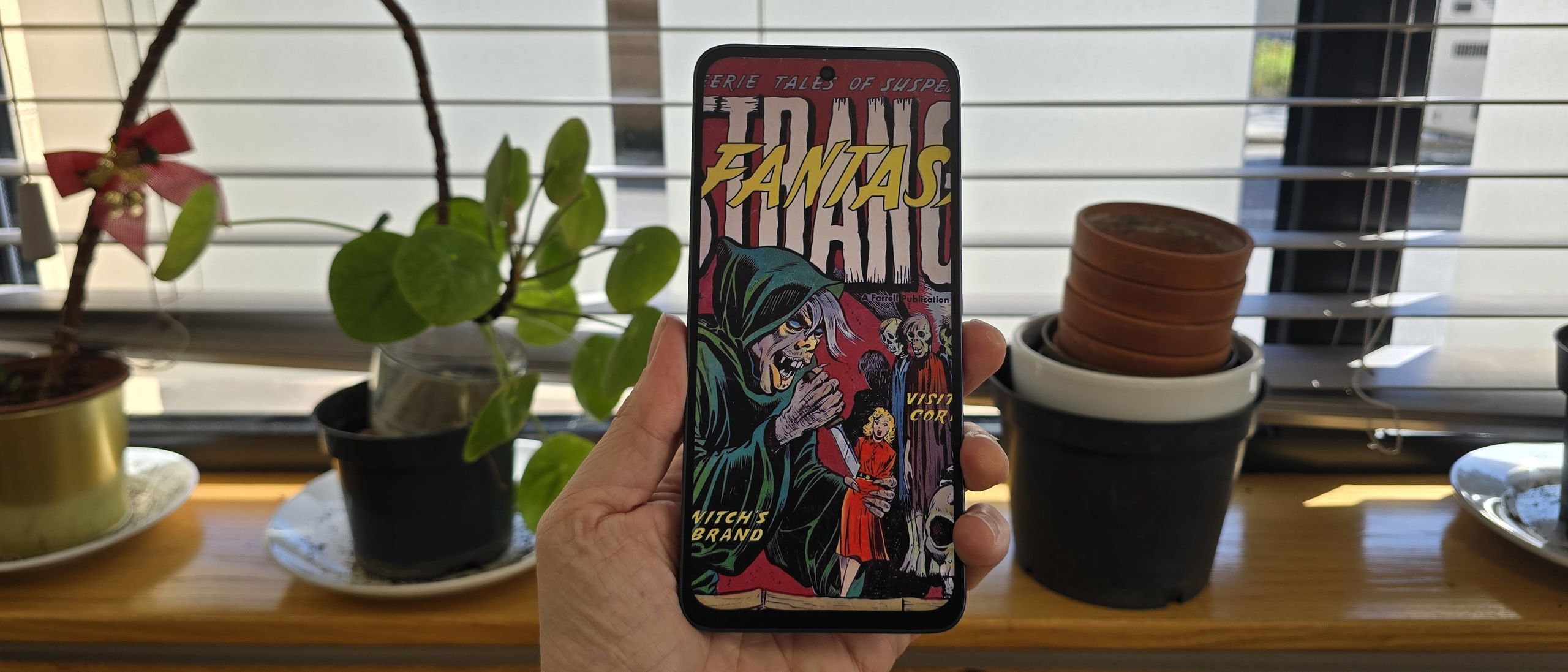
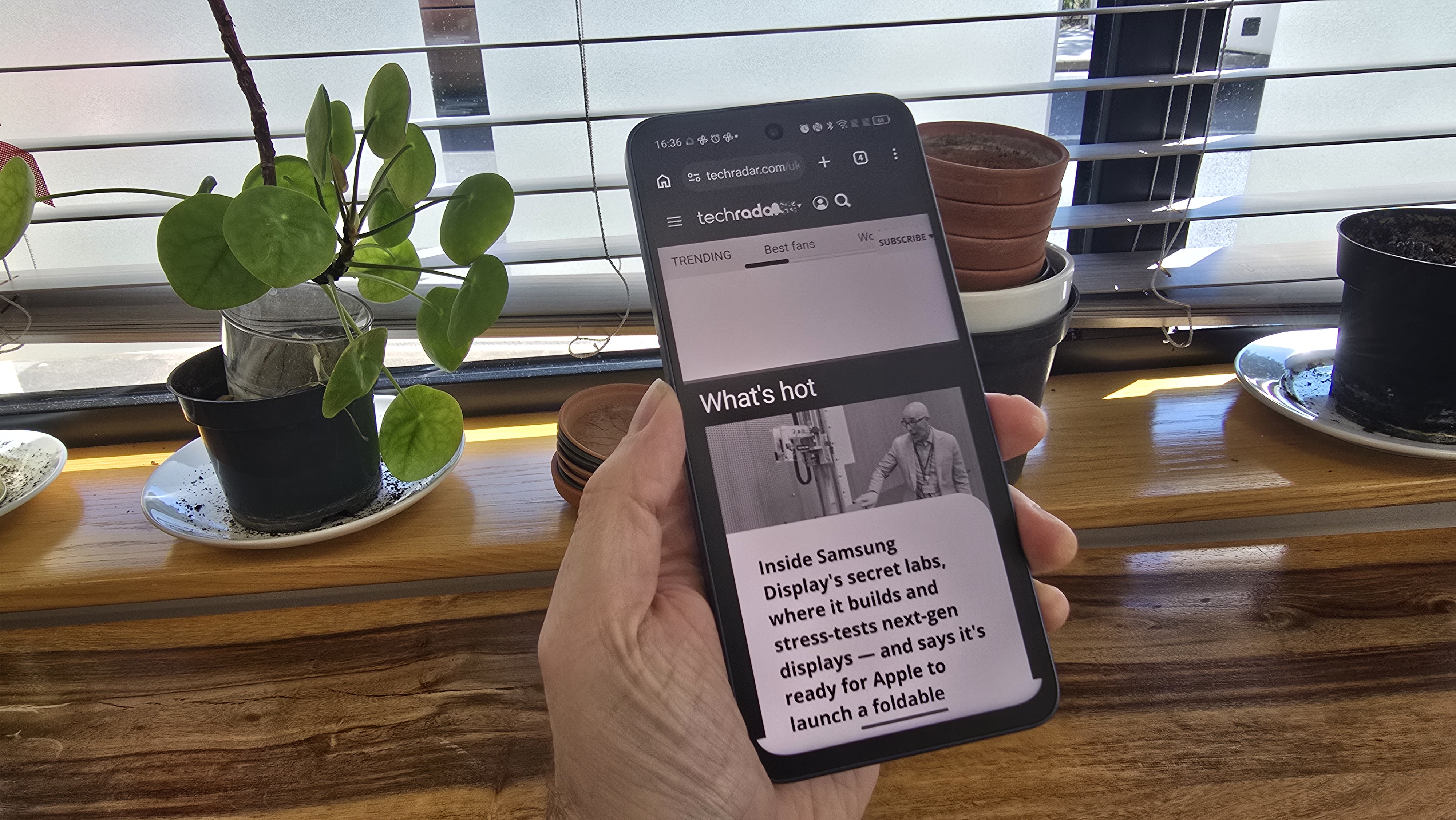
The defining characteristic of the TCL NXTPAPER 70 Pro is its 6.9-inch NXTPAPER 4.0 display. Unlike standard LCD or OLED screens that utilize a glossy finish, NXTPAPER technology employs a multi-layered system designed to mimic the appearance of real paper. This is achieved through a combination of hardware-level blue light reduction and a matte, textured surface that diffuses light rather than reflecting it.
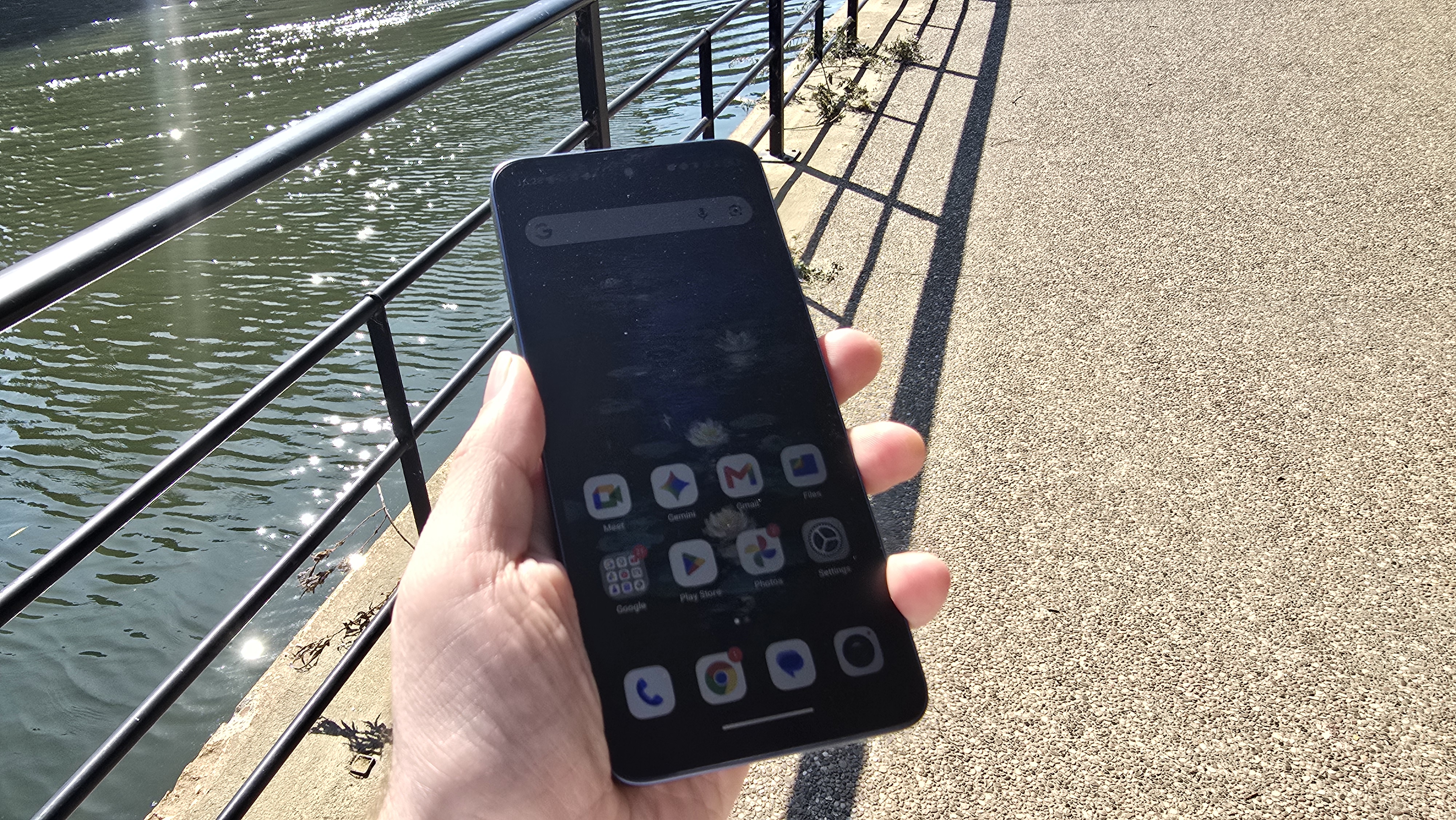
Historically, TCL’s NXTPAPER journey began with tablets and laptops, aimed at educational sectors where long-duration screen use is common. The iteration found in the 70 Pro, version 4.0, represents a significant refinement in color reproduction and responsiveness. The screen offers a resolution of 1080 x 2340 and a 120Hz refresh rate, ensuring that the paper-like experience does not come at the cost of modern fluid motion. With a peak brightness of 900 nits, the display remains legible in direct sunlight, a traditional weakness for both standard smartphones and some e-ink devices.
Design and Ergonomics: A Premium Aesthetic on a Budget
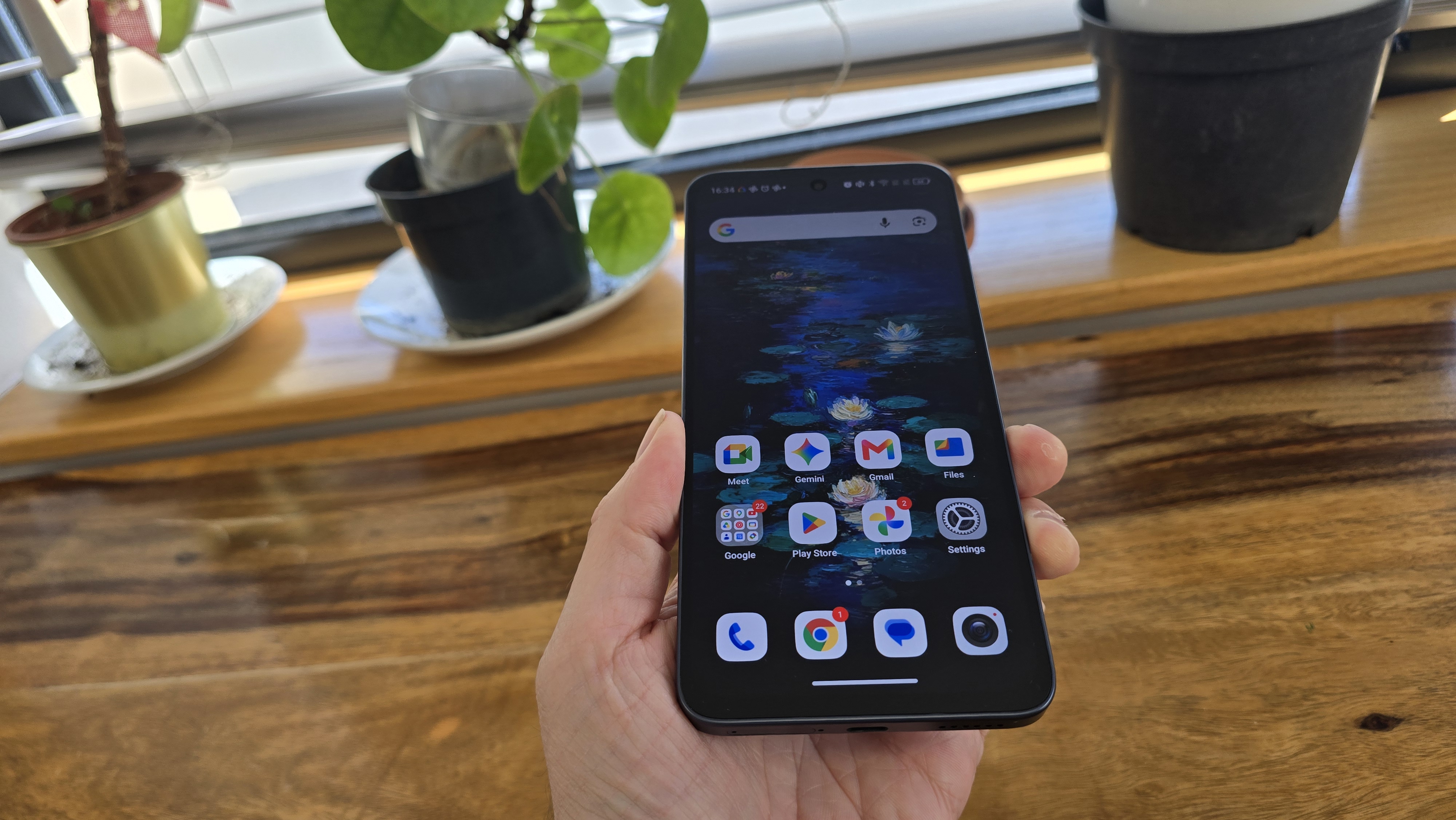
Despite its affordable price tag, the design language of the TCL NXTPAPER 70 Pro leans toward a premium aesthetic. Available in "Stellar Blue" and "Nebula Gold," the device features a minimalist chassis with remarkably thin bezels. These slim borders maximize the 6.9-inch screen real estate, though the sheer size of the device may present challenges for one-handed use or fitting into smaller pockets.
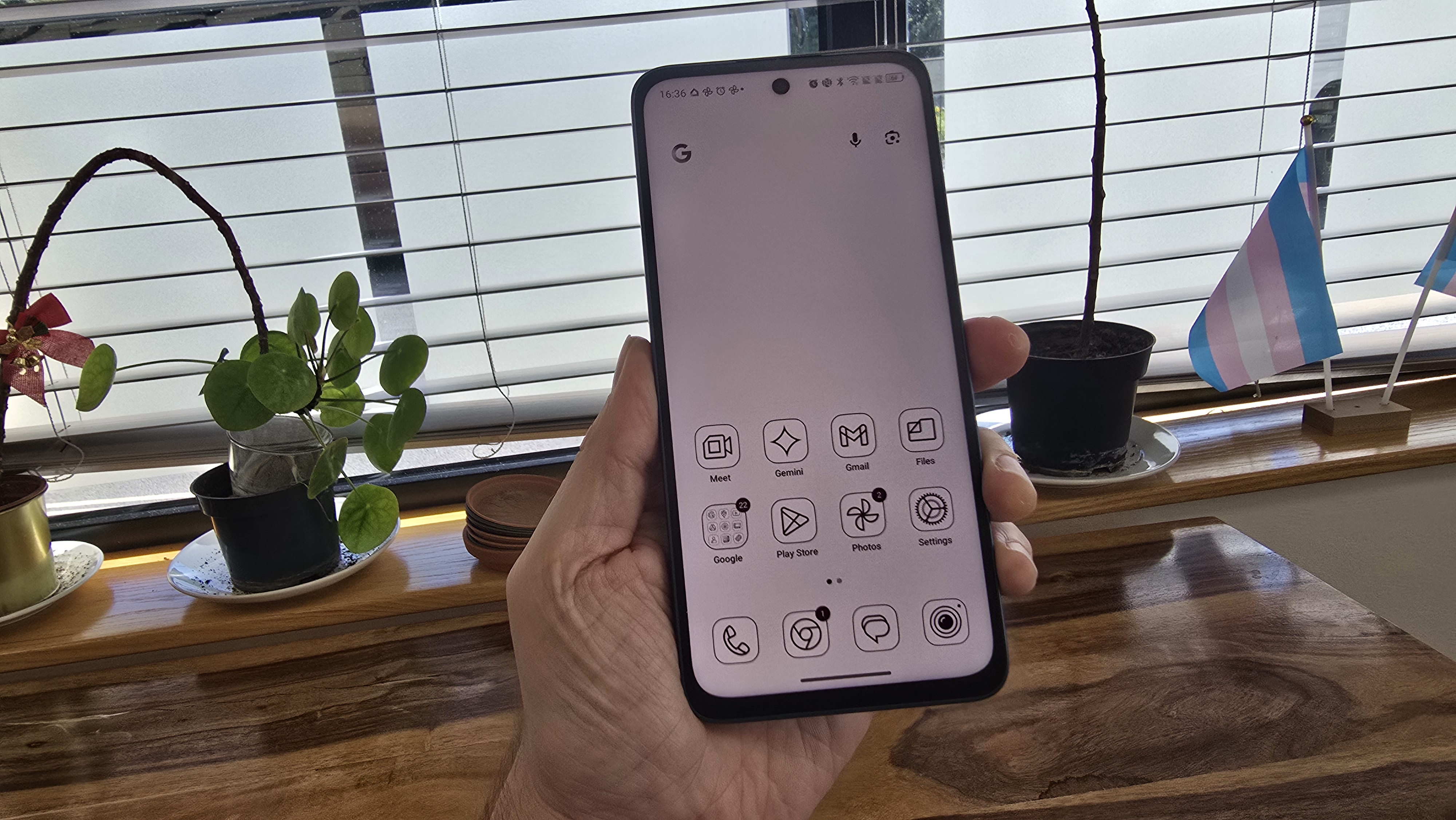
A notable hardware feature is the dedicated NXTPAPER key—a physical sliding switch located on the right side of the frame. This switch allows users to toggle instantly between three distinct display profiles:
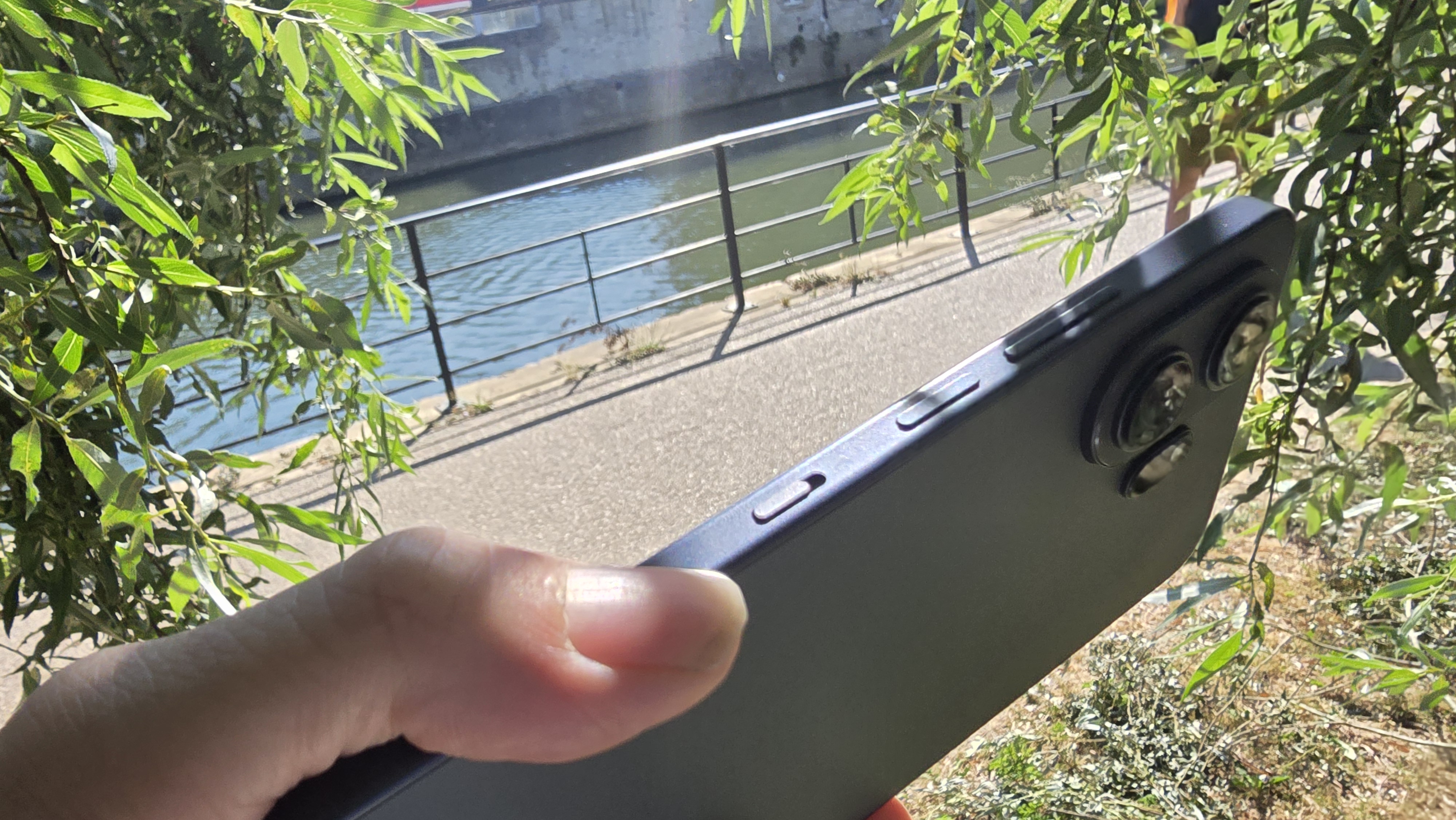
- Default Mode: A standard color mode that retains the matte finish but offers vibrant colors for general app usage.
- Color Paper Mode: A muted color profile designed specifically for digital comics and graphic novels, reducing glare while maintaining artistic intent.
- Ink Paper Mode: A monochromatic setting that simulates a traditional e-ink reader, ideal for text-heavy ebooks and long-form journalism.
This hardware-level integration highlights TCL’s commitment to the reading experience, providing a tactile transition that software-only "reading modes" on other devices fail to replicate.
Performance Specifications and Hardware Trade-offs
To maintain its competitive price point, TCL has made calculated trade-offs in the internal hardware of the NXTPAPER 70 Pro. Powering the device is the MediaTek Dimensity 7300, an octa-core chipset built on a 4nm process. While the Dimensity 7300 is a capable mid-range processor—featuring four Cortex-A78 performance cores and four Cortex-A55 efficiency cores—it lacks the raw graphical power found in Qualcomm’s Snapdragon 8-series or even high-end 7-series chips.
The device comes standard with 8GB of physical RAM. To alleviate potential bottlenecks during multitasking, TCL includes a virtual RAM expansion feature, allowing the system to allocate up to an additional 16GB from the internal storage, bringing the theoretical total to 24GB. While this helps with keeping background apps cached, it does not fully compensate for the slower read/write speeds of virtual memory compared to dedicated RAM.
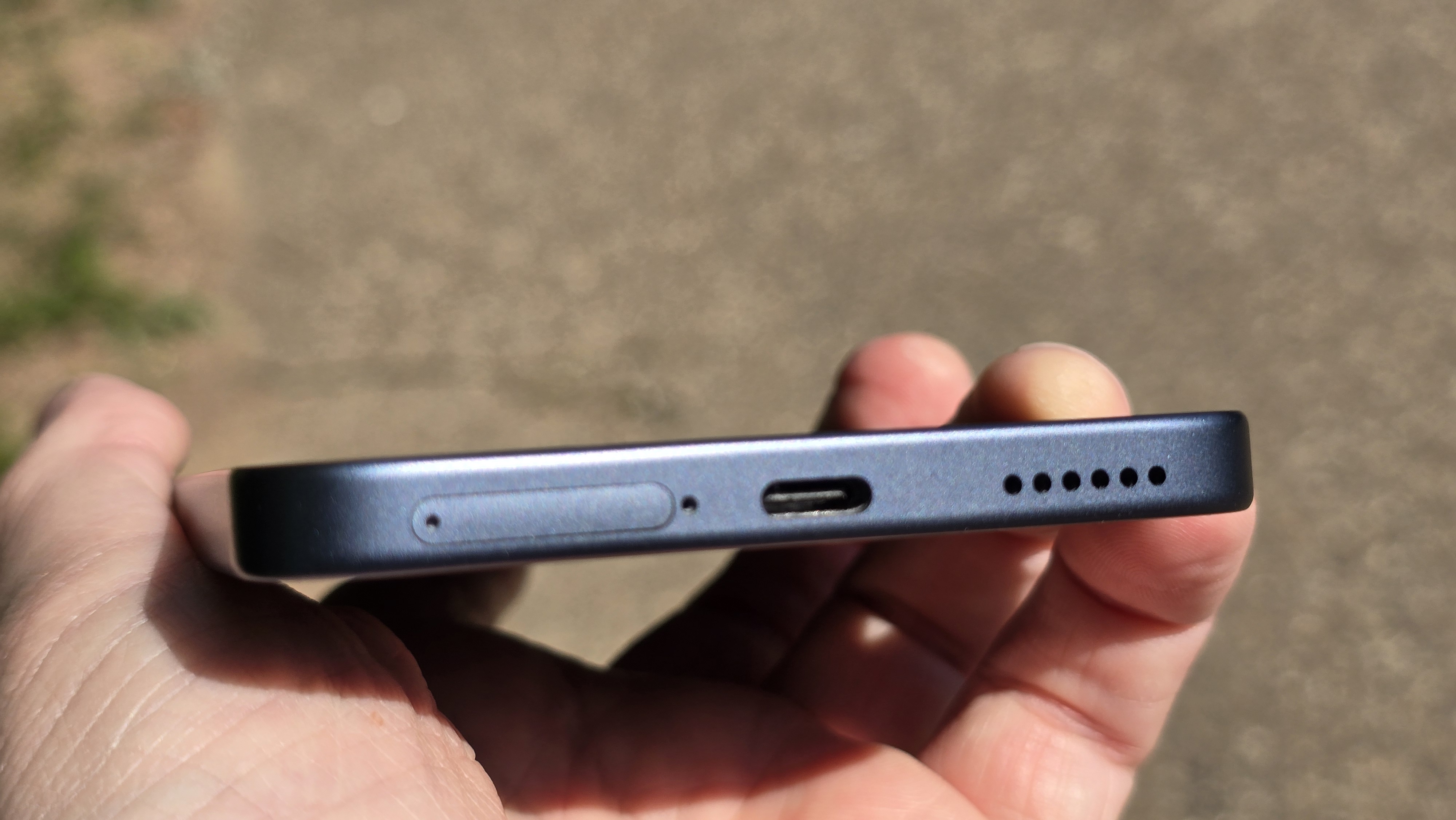
One area where the budget constraints are most apparent is connectivity. The NXTPAPER 70 Pro supports 5G networks and eSIM technology, but it is limited to Wi-Fi 5. In an era where Wi-Fi 6 and Wi-Fi 7 are becoming standard in modern homes and offices, this legacy support results in slower local data transfer speeds and higher latency during high-bandwidth tasks.
Camera Systems and MuseFilm Technology
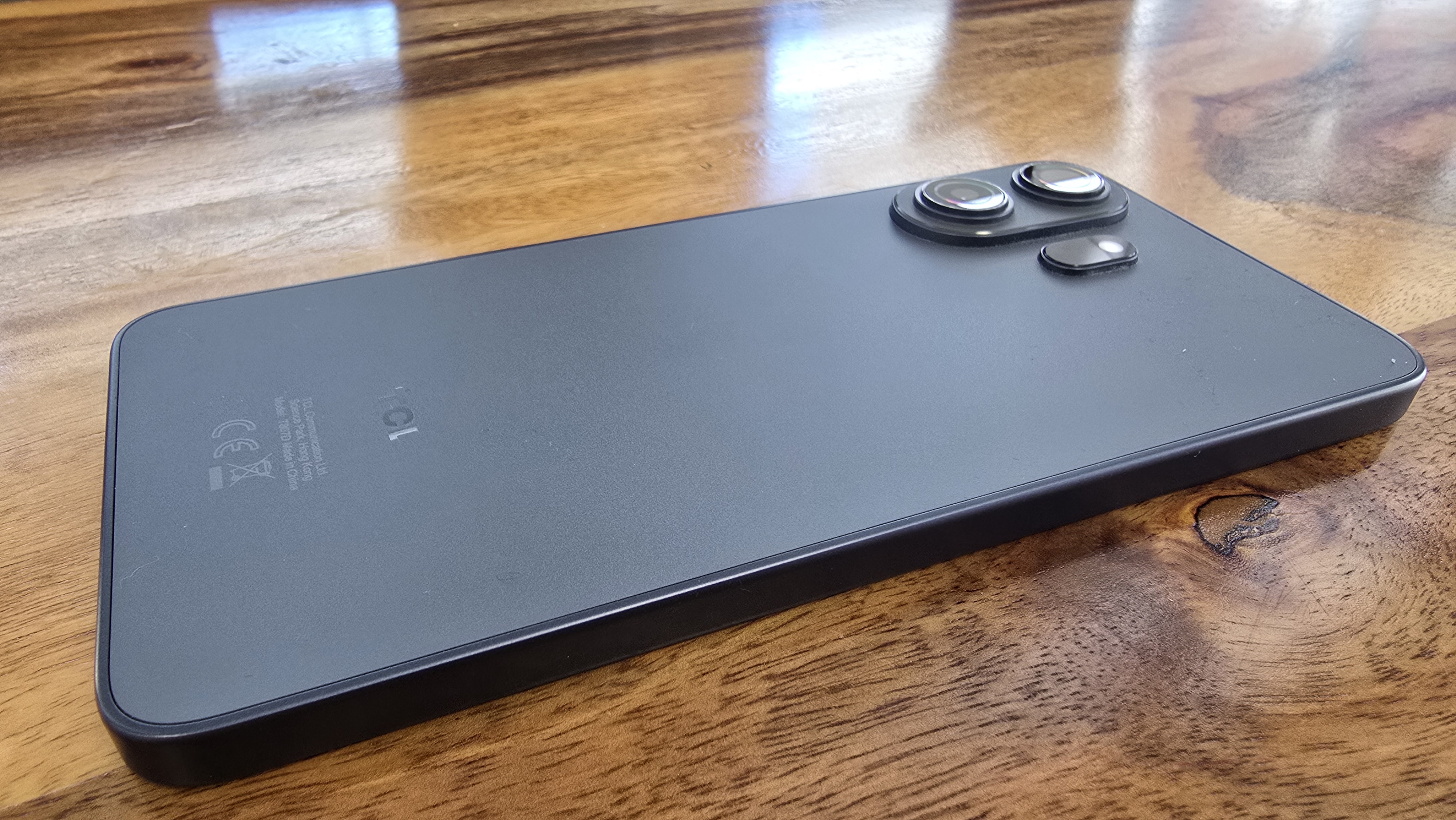
The photographic capabilities of the TCL NXTPAPER 70 Pro are anchored by a 50MP main rear sensor equipped with Optical Image Stabilization (OIS). This is supplemented by an 8MP secondary lens and a 32MP front-facing selfie camera. TCL has introduced "MuseFilm" imaging technology, a suite of software enhancements designed to improve the aesthetic quality of photos through better color grading and noise reduction.
In practical application, the 50MP sensor produces sharp, detailed images in well-lit environments. The inclusion of OIS is a significant boon for a budget device, as it helps mitigate blur caused by shaky hands. However, the hardware struggles with the processing demands of high-resolution photography. When capturing images at the full 50MP limit, there is a noticeable lag as the MediaTek processor struggles to stitch and save the data. Users are often met with a prompt to "hold the device still" while processing completes, making it less than ideal for candid or action shots.
Digital zoom also reveals the limitations of the sensor. While the device offers up to 10x digital zoom, image quality degrades rapidly beyond 2x, with artifacts and soft edges becoming prevalent. For social media and casual use, the camera is more than sufficient, but it will not satisfy photography enthusiasts.
Battery Life and Charging Efficiency
Battery longevity is a critical metric for any device intended for long-form reading. The TCL NXTPAPER 70 Pro is equipped with a 5,200mAh battery, which is slightly above the industry average for this size class. In standard testing, the device manages approximately 11 hours of continuous video playback.
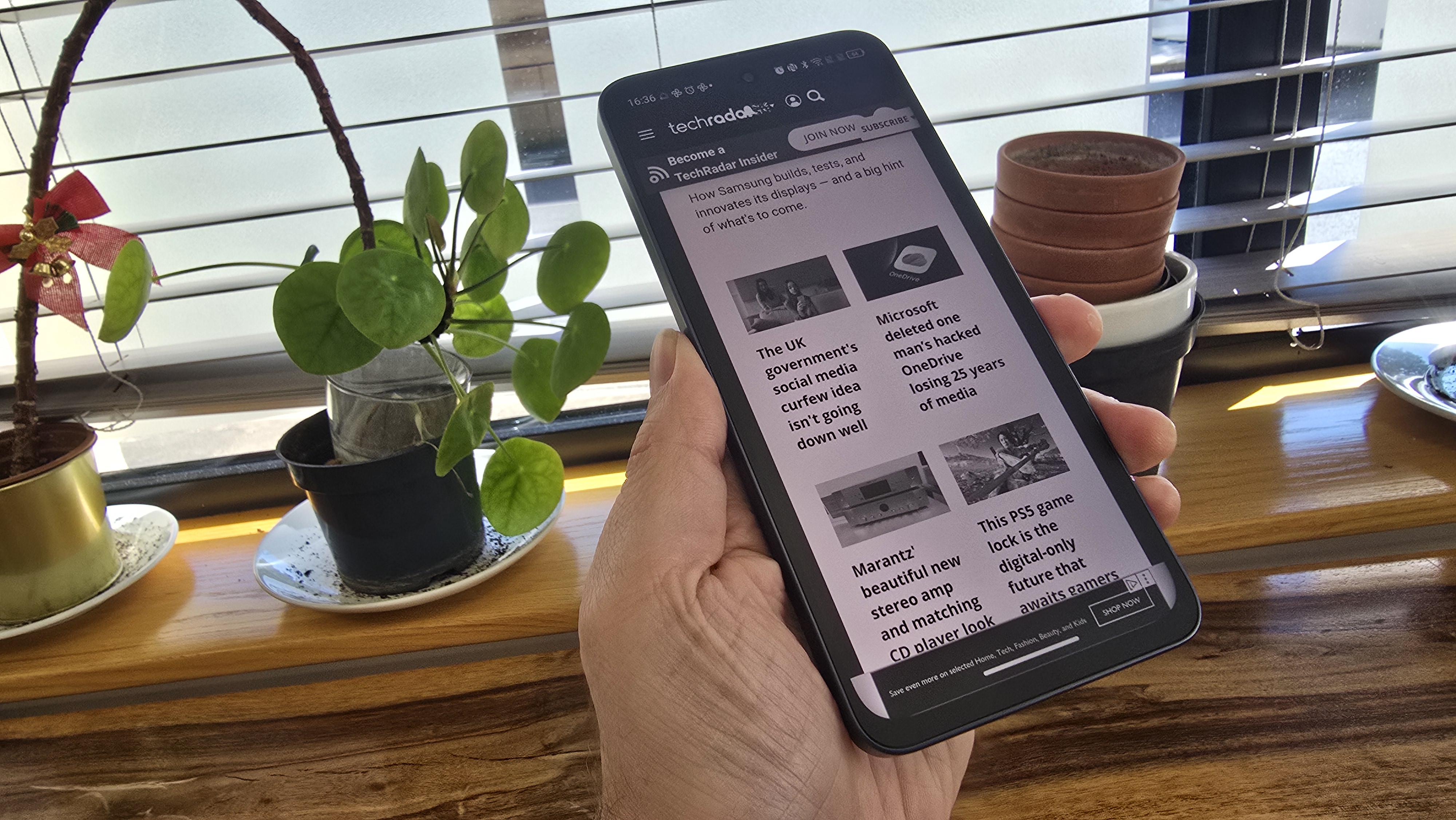
The efficiency of the NXTPAPER display plays a vital role here. When utilized in "Max Ink Mode"—a restricted setting that limits background processes and uses the monochromatic display profile—battery life can be extended by nearly an hour of active screen time. Under typical mixed usage, most users can expect the device to last through a full day and well into a second.
Charging is handled via a 33W wired connection. While TCL markets this as "fast charging," it lags behind competitors like Xiaomi, which often offers 45W or 67W charging in the same price bracket. The TCL device reaches a 56% charge in approximately 30 minutes. Notably absent is wireless charging, a feature that many users have come to expect even in the mid-range segment.
Software and Artificial Intelligence Features
The TCL NXTPAPER 70 Pro ships with a version of Android 16, providing users with the latest security features and interface refinements. TCL has also integrated several AI-driven accessibility tools, including:
- Live Transcription: Real-time speech-to-text capabilities for meetings or lectures.
- AI-Assisted Note-taking: Tools designed to summarize long passages of text or organize handwritten notes (when used with the optional stylus).
- Adaptive Eye-Care: The system monitors ambient lighting conditions and adjusts the screen’s color temperature and brightness to prevent fatigue.
Unlike many competitors who aggressively push AI features into every aspect of the user interface, TCL has opted for a more subtle implementation. These tools are available for those who need them but do not intrude on the core user experience.

Broader Industry Impact and Consumer Implications
The release of the TCL NXTPAPER 70 Pro signifies a shift in how manufacturers approach the "budget" and "mid-range" segments. Rather than attempting to create a weakened version of a flagship phone, TCL has created a highly specialized tool. This "blue ocean" strategy avoids a direct head-to-head confrontation with Samsung’s marketing might by offering a feature—the NXTPAPER display—that simply does not exist elsewhere in the phone market.
Industry analysts suggest that as digital fatigue becomes a growing concern for consumers, the demand for eye-friendly technology will increase. By positioning the NXTPAPER 70 Pro as a "reader’s phone," TCL is tapping into a demographic that values wellness and utility over raw benchmark scores.

However, the device’s success will depend on consumer education. Most buyers equate "good display" with "vibrant OLED," and the matte, paper-like finish of the TCL may initially appear "dim" or "washed out" to the uninitiated. TCL’s challenge lies in demonstrating the long-term health and comfort benefits of its technology.
Conclusion: A Purpose-Built Device for a Specific Audience
The TCL NXTPAPER 70 Pro is not a "flagship killer," nor is it the best choice for mobile gamers or cinema enthusiasts who prioritize high-contrast visuals. It is, however, perhaps the most innovative budget phone released in recent years due to its commitment to a single, well-executed idea.

For the student, the researcher, or the commuter who spends hours reading text on a small screen, the TCL NXTPAPER 70 Pro offers a level of comfort that no other smartphone can match. Its solid build, competitive pricing, and unique display technology make it a standout option in a sea of identical glossy handsets. While it suffers from minor performance niggles and lacks some modern conveniences like Wi-Fi 7 and wireless charging, these are arguably acceptable compromises for a device that so effectively solves the problem of digital eye strain.