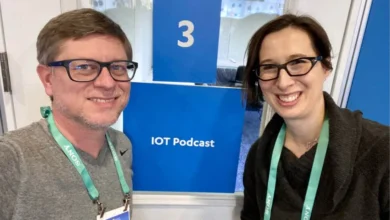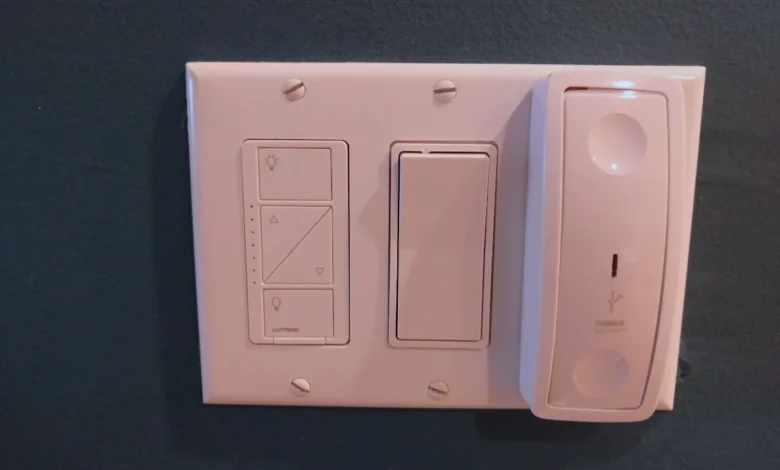
After an impactful eight-year journey chronicling the rapid evolution of connected technology, "The Internet of Things Podcast" has officially concluded its run with Episode 437, titled "Goodbye and Good Luck." Eschewing the typical format of dissecting the week’s major tech headlines, such as Arm’s anticipated Initial Public Offering, new display options from Brilliant, or the latest gear releases from Leviton, the final broadcast instead offered listeners a deeply personal reflection from its hosts. The episode delved into their motivations for stepping back from the weekly production, shared insights into their future professional directions, and provided a curated list of valuable resources for those eager to remain abreast of the dynamic Internet of Things (IoT) landscape. The farewell also featured a significant guest in Jennifer Pattison Tuohy of The Verge, whose expertise illuminated the current state of the smart home, the progress of the Matter standard, and viable business models for connected devices, providing a fitting capstone to the podcast’s legacy.
A Decade of Disruption: The Podcast’s Journey Through IoT’s Evolution
The conclusion of "The Internet of Things Podcast" marks the end of a significant chapter in independent tech journalism. For eight years, the podcast served as a consistent and authoritative voice in a sector characterized by relentless innovation, ambitious promises, and occasional pitfalls. Launched when the concept of the "Internet of Things" was still largely nascent for many consumers and businesses, the show witnessed and documented its transformation from a niche technological pursuit to a pervasive force shaping homes, industries, and urban environments.
The podcast’s tenure coincided with a period of explosive growth in IoT. In 2015, the global IoT market was valued at approximately $150 billion, with projections hinting at exponential expansion. By 2023, market analyses from various firms like Statista and Fortune Business Insights estimated the market value to be well over $1 trillion, a testament to the technology’s widespread adoption across diverse verticals. This growth was not linear; it was punctuated by cycles of hype and reality, breakthrough innovations, and significant challenges related to security, interoperability, and data privacy—all topics meticulously explored by the podcast.
The hosts, through their weekly discussions, provided critical analysis of emerging trends, interviewed industry pioneers, and demystified complex technical concepts for a broad audience. Their commitment to in-depth reporting and nuanced perspectives fostered a dedicated community of listeners, ranging from tech enthusiasts and early adopters to industry professionals seeking informed commentary. Stepping back from such a long-standing and influential platform often reflects a confluence of factors, including the demanding nature of consistent content creation, the desire for new professional challenges, or a strategic pivot in personal and career trajectories. While the specific personal reasons remain private, such transitions are common in the fast-paced media landscape, allowing creators to explore new avenues or contribute their expertise in different capacities within the evolving tech ecosystem.
A Chronology of IoT’s Maturation (2015-2023) as Documented by the Podcast
The eight-year run of "The Internet of Things Podcast" effectively mirrored key phases in the development and adoption of IoT technology.
-
Early Years (2015-2017): The Dawn of the Connected Age. When the podcast began, the IoT was largely defined by early smart home gadgets—connected light bulbs, thermostats, and rudimentary security cameras. Voice assistants like Amazon Alexa and Google Assistant were just beginning their ascent, promising a hands-free interface to a burgeoning ecosystem. Interoperability was a significant hurdle, with various manufacturers creating proprietary walled gardens. The podcast frequently addressed the fragmentation, the excitement around early-stage startups, and the initial consumer skepticism regarding utility and privacy. Discussions often centered on the "why" of connecting everyday objects and the nascent industrial IoT applications in manufacturing and logistics.
-
Mid-Period (2018-2020): Expanding Horizons and Growing Pains. This phase saw a diversification of IoT applications beyond the consumer smart home. Enterprise IoT gained significant traction, with discussions around smart cities, connected health, and agricultural technology becoming more prominent. The scale of data generated by IoT devices began to pose new challenges and opportunities for analytics and artificial intelligence. Security emerged as a paramount concern, as high-profile breaches demonstrated the vulnerabilities of interconnected systems. It was during this period that the seeds for industry-wide standardization efforts, such as Project CHIP (which later evolved into Matter), began to take root, aiming to resolve the persistent interoperability issues that plagued the smart home market. The podcast provided timely updates and analyses on these critical developments, highlighting both progress and persistent roadblocks.
-
Later Years (2021-2023): Towards Standardization and Integration. In its final years, the podcast navigated an IoT landscape increasingly focused on maturity, integration, and ethical considerations. The smart home market, though still fragmented, showed signs of consolidation and improved user experience. The Connectivity Standards Alliance (CSA) and its Matter protocol became a central topic, representing the industry’s most concerted effort yet to achieve universal interoperability across smart home devices and platforms. Discussions expanded to include the role of edge computing in processing IoT data closer to the source, the growing importance of artificial intelligence for predictive analytics and automation, and the imperative for sustainable IoT solutions. Supply chain disruptions, exacerbated by global events, also brought to light the complexities of manufacturing and deploying connected hardware on a global scale. The podcast continued to offer a critical lens on these advanced topics, helping listeners understand the implications for both innovation and everyday life.
Reflections and Future Paths: The Farewell Episode’s Core
Rather than dwelling on the week’s breaking news, the final episode served as a reflective platform for the hosts to articulate their decision to conclude the show. While specific personal motivations were alluded to, the underlying sentiment was one of natural evolution—a recognition that after eight years, it was time to explore new avenues for their expertise and passion within the broader tech landscape. The dedication required to consistently produce high-quality, in-depth content for nearly a decade is immense, particularly in a field as dynamic as IoT. Such decisions often stem from a desire to allocate time to new projects, engage in different forms of industry contribution, or simply to take a well-deserved respite from the demanding schedule of weekly podcasting.
A poignant segment of the episode involved answering a final listener question: "What makes a complete smart home, and what future innovations will drive the industry forward?" This allowed the hosts to synthesize their eight years of observation into a cohesive vision. For them, a "complete" smart home transcends mere device count; it’s defined by seamless integration, intuitive automation, robust reliability, and uncompromising security. It’s a home where devices communicate effortlessly, anticipating needs and reacting intelligently without constant user intervention. Energy efficiency, proactive maintenance, and adaptive comfort controls are also critical components, moving beyond novelty to true utility.
Regarding future innovation, the hosts envisioned a trajectory marked by deeper AI integration at the edge, enabling devices to learn and adapt with greater autonomy and privacy. They anticipated a future where ubiquitous sensing provides contextual awareness, allowing homes to truly understand and respond to their occupants’ evolving needs. Further advancements in sustainable IoT, focusing on energy harvesting, recyclable materials, and longer device lifespans, were also highlighted as crucial for the industry’s responsible growth. The continued refinement of interoperability standards like Matter, coupled with advancements in secure, local processing, was seen as fundamental to unlocking the next generation of smart home capabilities.
Jennifer Pattison Tuohy: A Valued Voice on the Smart Home’s Trajectory
The choice of Jennifer Pattison Tuohy from The Verge as the final guest underscored the podcast’s commitment to authoritative insights. Known for her extensive tenure covering the smart home—spanning almost a decade across various prominent publications—Tuohy brings a unique blend of technical understanding, hands-on experience, and a keen ability to discern broader industry trends. Her reputation for trying every device she writes about ensures her commentary is grounded in real-world use, a quality highly valued by both consumers and industry professionals.
Tuohy’s discussion with the hosts provided a comprehensive overview of the smart home’s current standing. She acknowledged the significant progress made in user experience and device reliability but also candidly addressed the persistent challenges, particularly around setup complexity and fragmented ecosystems. Her insights into the state of Matter were particularly illuminating. While Matter’s promise of universal interoperability remains a beacon of hope for a less fragmented smart home, Tuohy detailed the ongoing complexities of its rollout. She likely touched upon the initial teething problems, the slow but steady adoption by major players, and the long road ahead for it to become the truly seamless standard envisioned by the Connectivity Standards Alliance (CSA). She may have offered insights into the CSA’s future plans, emphasizing the iterative nature of such ambitious standardization efforts.
The conversation also delved into business models for connected home devices. Tuohy likely discussed the shift from purely hardware-centric models to subscription-based services, highlighting how companies are seeking recurring revenue streams through premium features, data analytics, or enhanced security offerings. The tension between open standards (like Matter) and proprietary ecosystems (which can lock users into a specific brand) was also a probable point of discussion, exploring how companies balance innovation with profitability in a competitive market.
A critical distinction Tuohy emphasized was the difference between smart home infrastructure versus individual devices. She likely argued for the paramount importance of robust, reliable infrastructure—stable networks, efficient power management, and foundational security—as the bedrock upon which all smart devices must operate. Without a solid infrastructure, even the most innovative gadgets will falter, leading to user frustration. This perspective highlights a maturation in thinking within the smart home industry, moving beyond shiny new devices to focus on the underlying systems that enable a truly smart environment. Finally, Tuohy offered a glimpse into her own current smart home setup, which likely reflects a practical, user-centric approach, prioritizing reliability and integration over novelty, drawing on her vast experience to create a functional and efficient connected living space.
Curated Resources for the Continued Journey into IoT
Recognizing that their departure would leave a void for many listeners, the hosts generously shared their preferred resources for staying informed about the ever-evolving world of IoT. This curated list serves as a testament to the diverse avenues available for engaging with the technology:
- Podcasts: "The Mr. Beacon Show" offers interviews focused on location technology and industrial IoT applications, providing a specialized perspective. "The IoT Podcast" (distinct from the concluding show, but sharing a similar name) continues to provide regular updates and analyses.
- Publications: The Verge is a staple for consumer technology news and reviews, with Jennifer Pattison Tuohy’s contributions being particularly relevant for smart home enthusiasts. TechHive provides in-depth reviews and how-to guides for connected devices. The Ambient is a dedicated resource for smart home news, reviews, and insights. For a more academic and industry-focused perspective, The Journal of Innovation published by the Industrial IoT Consortium offers deep dives into enterprise and industrial applications.
- Online Communities: Reddit subreddits like r/smarthome and r/homeautomation serve as vibrant community hubs where users share experiences, troubleshoot issues, and discuss new products and trends. These platforms offer a grassroots perspective often missing from traditional media.
- Specialized Journalists & Newsletters: James Blackman’s work at RCR Wireless is highly recommended for industrial IoT news, offering expert analysis on telecommunications and enterprise connectivity. The Axios Pro Rata newsletter from Dan Primack provides concise, impactful updates on funding rounds, mergers, and acquisitions within the tech investment landscape, offering a window into market dynamics. Iskander Smit’s Target is New newsletter provides thoughtful takes on the intersection of IoT, AI, and design, appealing to those interested in the philosophical and practical implications of emerging technologies.
These recommendations collectively underscore the multidisciplinary nature of IoT, requiring engagement with diverse sources to grasp its full scope.
Broader Impact and the Future of IoT
The conclusion of "The Internet of Things Podcast" leaves a notable gap in the independent media landscape dedicated to IoT. For eight years, it provided a consistent, knowledgeable, and independent voice—a crucial role in an industry often dominated by corporate narratives. Its legacy lies in its contribution to educating a generation of enthusiasts and professionals, fostering a community, and holding the industry accountable for its promises.
The implications for the broader IoT industry, however, are largely unaffected by this specific podcast’s conclusion. The trajectory of connected technology continues unabated, driven by relentless innovation, increasing consumer demand, and the expanding needs of industries seeking greater efficiency and data-driven insights. Key trends that will continue to shape the sector include:
- Pervasive AI and Machine Learning: Deeper integration of AI into edge devices for more intelligent automation, predictive maintenance, and personalized user experiences.
- Enhanced Security and Privacy: As more devices connect, the imperative for robust security protocols and transparent data privacy practices will only grow, driven by both consumer demand and regulatory pressure (e.g., GDPR, CCPA).
- Sustainability and Green IoT: A growing focus on energy-efficient devices, circular economy principles for electronics, and the use of IoT to monitor and manage environmental resources more effectively.
- Hyper-Personalization and Contextual Awareness: Devices and systems that understand user preferences and environmental conditions to provide tailored experiences without explicit commands.
- Continued Standardization Efforts: While Matter is a significant step, the quest for truly seamless interoperability across all IoT domains (consumer, industrial, healthcare) will continue, involving various protocols and alliances.
- The Metaverse and Digital Twins: The convergence of physical and digital worlds through digital twins and immersive experiences will increasingly rely on IoT data for real-time synchronization and interaction.
"The Internet of Things Podcast" played a vital role in demystifying this complex landscape, offering clarity and critical perspective. Its departure serves as a moment to reflect on the immense progress made in connected technology over the past decade and to acknowledge the ongoing need for informed, independent analysis as the IoT continues its transformative journey into the future. The "goodbye" marks not an end for IoT, but a transition, both for its dedicated hosts and for the broader community they so diligently served.