Dualit Classic Kettle Review: Balancing Premium Design and Performance Against a High Price Tag

Dualit Classic Kettle Review: Balancing Premium Design and Performance Against a High Price Tag. The high-end kitchen appliance market has seen a significant shift toward "premiumization," where functional tools are increasingly marketed as design statements. Standing at the forefront of this trend is the Dualit Classic Kettle, a device that commands a retail price of $249. While the appliance excels in boiling efficiency and thermal retention, its premium positioning invites intense scrutiny regarding its maintenance requirements and ergonomic design. For consumers navigating a market where basic electric kettles can be purchased for under $30, the Dualit Classic represents an investment in both aesthetic heritage and engineering specificity.
Historical Context and Brand Heritage
To understand the positioning of the Dualit Classic Kettle, one must look at the history of the manufacturer. Founded in 1945 by Max Gort-Barten, a German-born inventor living in England, Dualit originally built its reputation on commercial-grade toasters designed for the catering industry. The "Classic" line is characterized by its heavy-duty construction and the brand’s unique philosophy of repairability. Unlike many modern "throwaway" appliances, Dualit has historically emphasized that its Classic products are built to last, with replaceable parts.
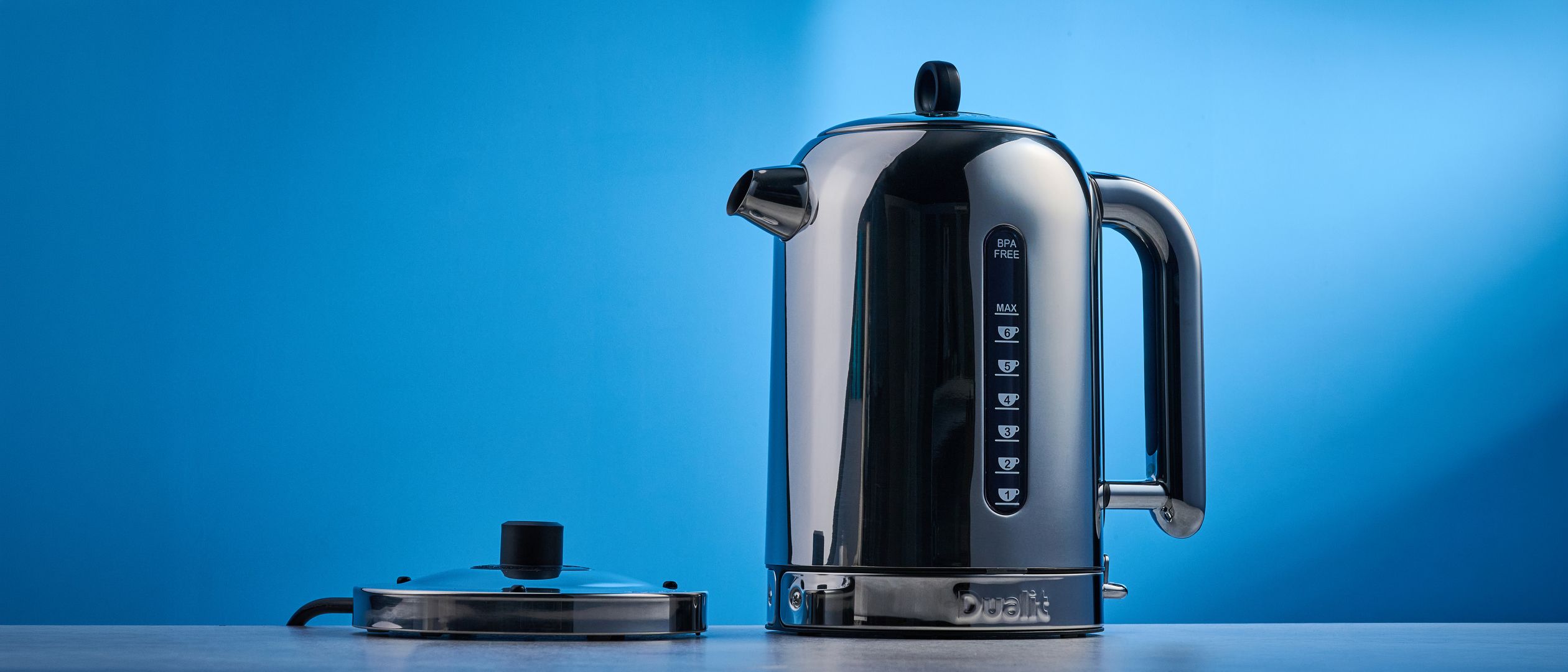
This kettle is designed to be the companion piece to the iconic Dualit Classic Toaster. The aesthetic—defined by polished stainless steel and a retro-industrial silhouette—is intended to signal durability and timeless style. However, as the kitchen appliance market has evolved, Dualit now faces competition from high-tech brands like Ninja and aesthetic rivals like Smeg and Fellow, each vying for a segment of the luxury consumer’s countertop.
Technical Specifications and Regional Variations
The Dualit Classic Kettle is a 1.7-liter (approximately 1.8-quart) appliance, placing it in the standard capacity range for family-sized kettles. However, a critical distinction exists between the versions sold in different global markets due to electrical grid variances.
In the United Kingdom, the kettle is rated at 3kW, allowing for exceptionally rapid boiling. In the United States, due to the standard 120V electrical outlets, the power is capped at 1.5kW. This discrepancy is a vital consideration for international consumers, as the "rapid boil" marketing often associated with British kettles is physically limited by North American infrastructure. Despite this, the kettle utilizes a high-quality heating element designed for longevity and consistent performance.
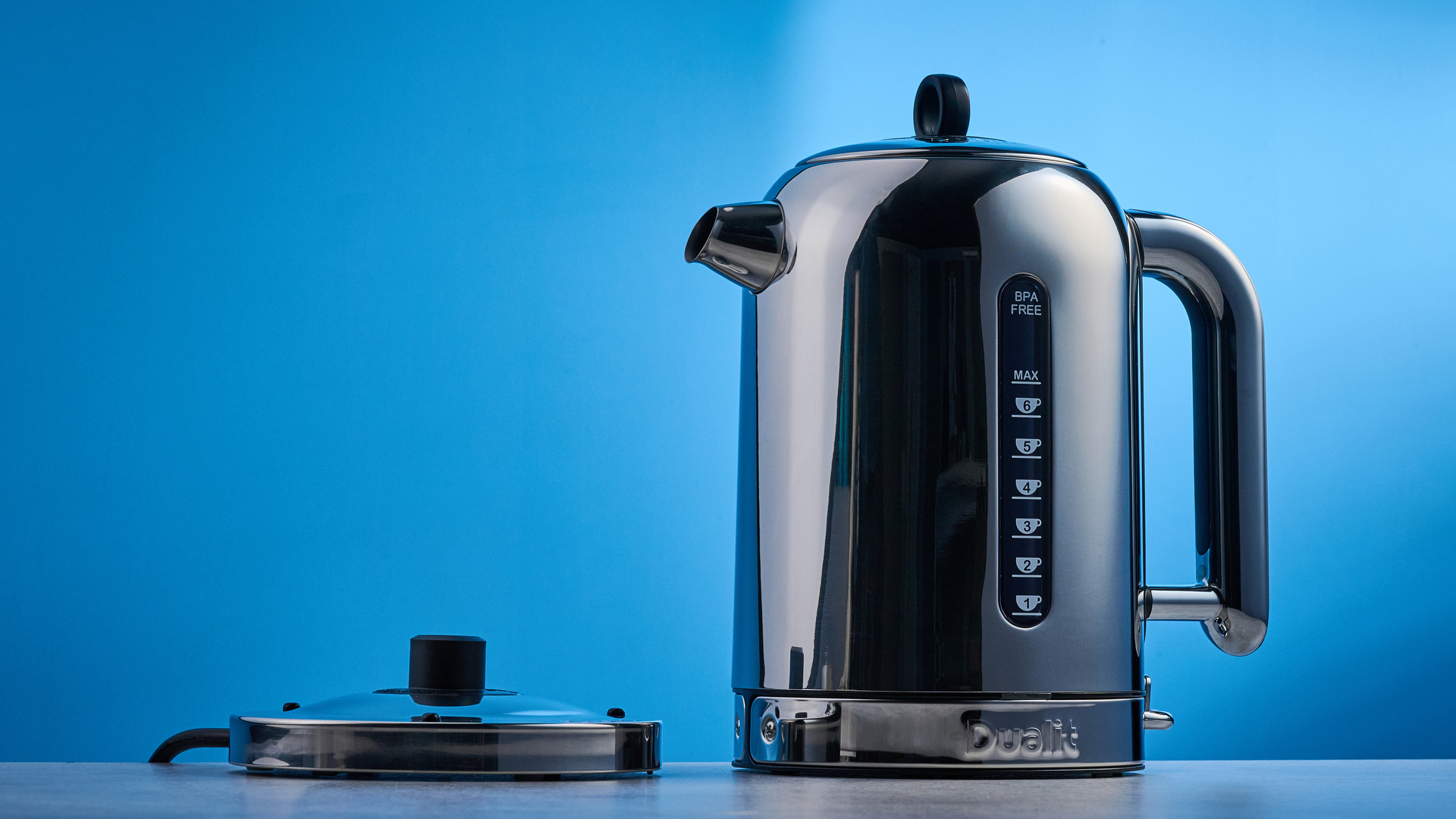
The physical dimensions of the unit are 11.1 x 9.3 x 6.1 inches, with a dry weight of 3.5 pounds. While this weight reflects the use of premium metals rather than plastic, it poses a challenge for ergonomics. When filled to its 1.7-liter capacity, the total weight exceeds 7 pounds, which can be cumbersome for users with limited wrist strength or mobility.
Performance Analysis: Boiling Speed and Heat Retention
Performance testing of the Dualit Classic Kettle reveals a highly efficient heating curve. In standardized tests of the 3kW model, the appliance demonstrated the following boiling intervals:
- 1 Cup (0.25L): 45 seconds
- 2 Cups (0.5L): 1 minute, 6 seconds
- 4 Cups (1L): 2 minutes, 13 seconds
- Max Capacity (1.7L): 3 minutes, 34 seconds
These figures place the Dualit among the top performers in its class. Furthermore, the kettle’s thermal efficiency is a standout feature. In testing, water measured 210°F (99.3°C) immediately after the boil. More impressively, after 30 minutes of standing, the water remained at 172°F (78°C). This level of heat retention is superior to many glass or thin-walled plastic kettles, potentially reducing energy consumption by minimizing the need for frequent re-boiling.
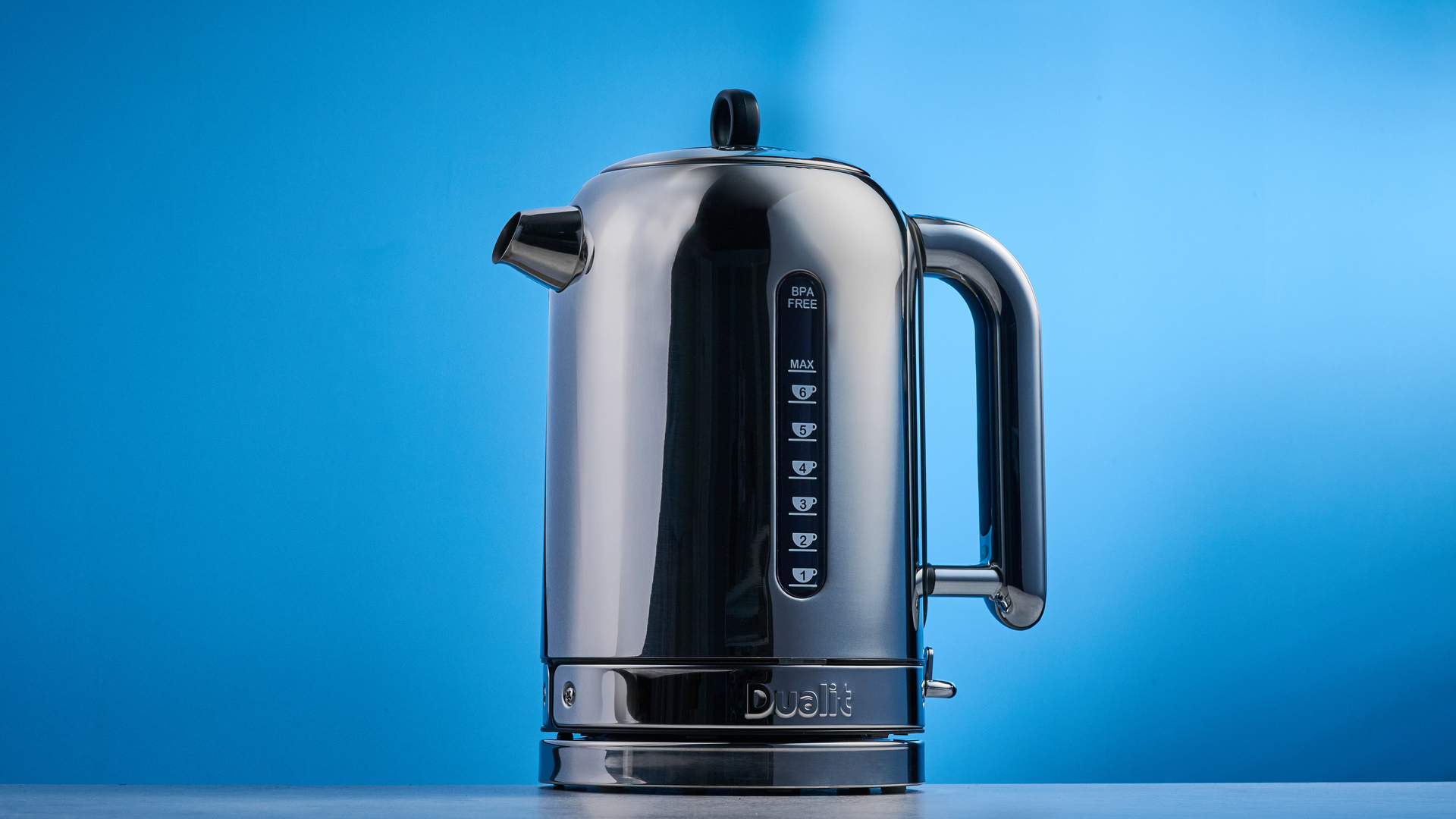
A key marketing feature of the Classic Kettle is its "Whisper Boil" technology. This is achieved through a patented base design that reduces the size of the steam bubbles as they form, which in turn lowers the acoustic output of the boiling process. Testing recorded a noise level of 63dB, which is comparable to a normal conversation. While quiet, it is not silent, performing on par with other premium models like the Fellow Stagg EKG.
Design Innovation: The "Pure Pour" Spout
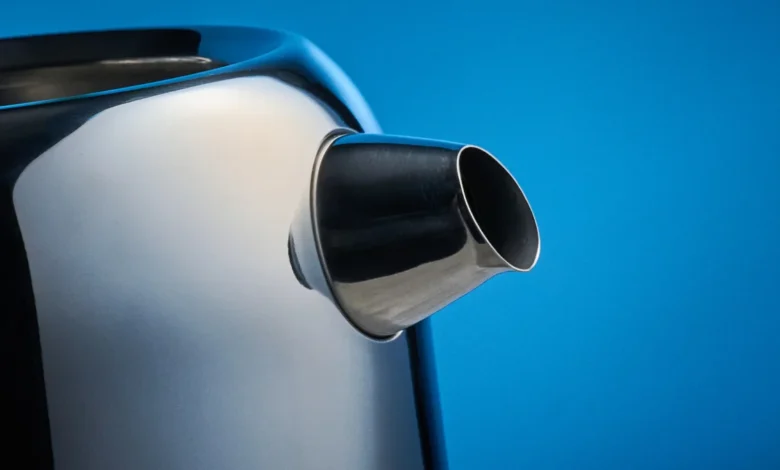
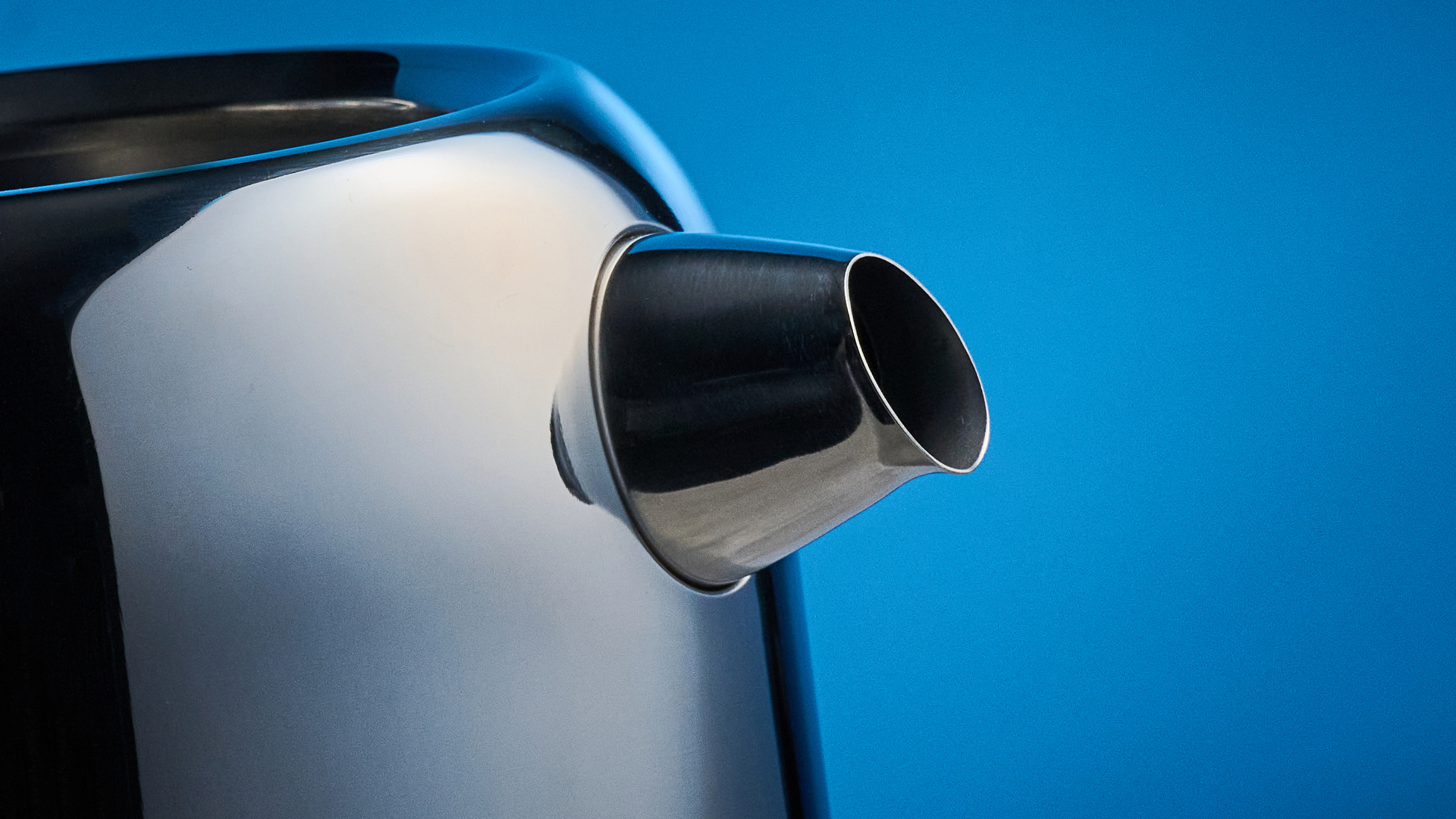
One of the most common complaints regarding electric kettles is the tendency for water to drip or "glug" during pouring, which can lead to hazardous spills of boiling water. Dualit has addressed this through its "Pure Pour" spout design. The spout features a unique downward-facing lip and a specialized geometry that ensures a consistent, laminar flow of water.
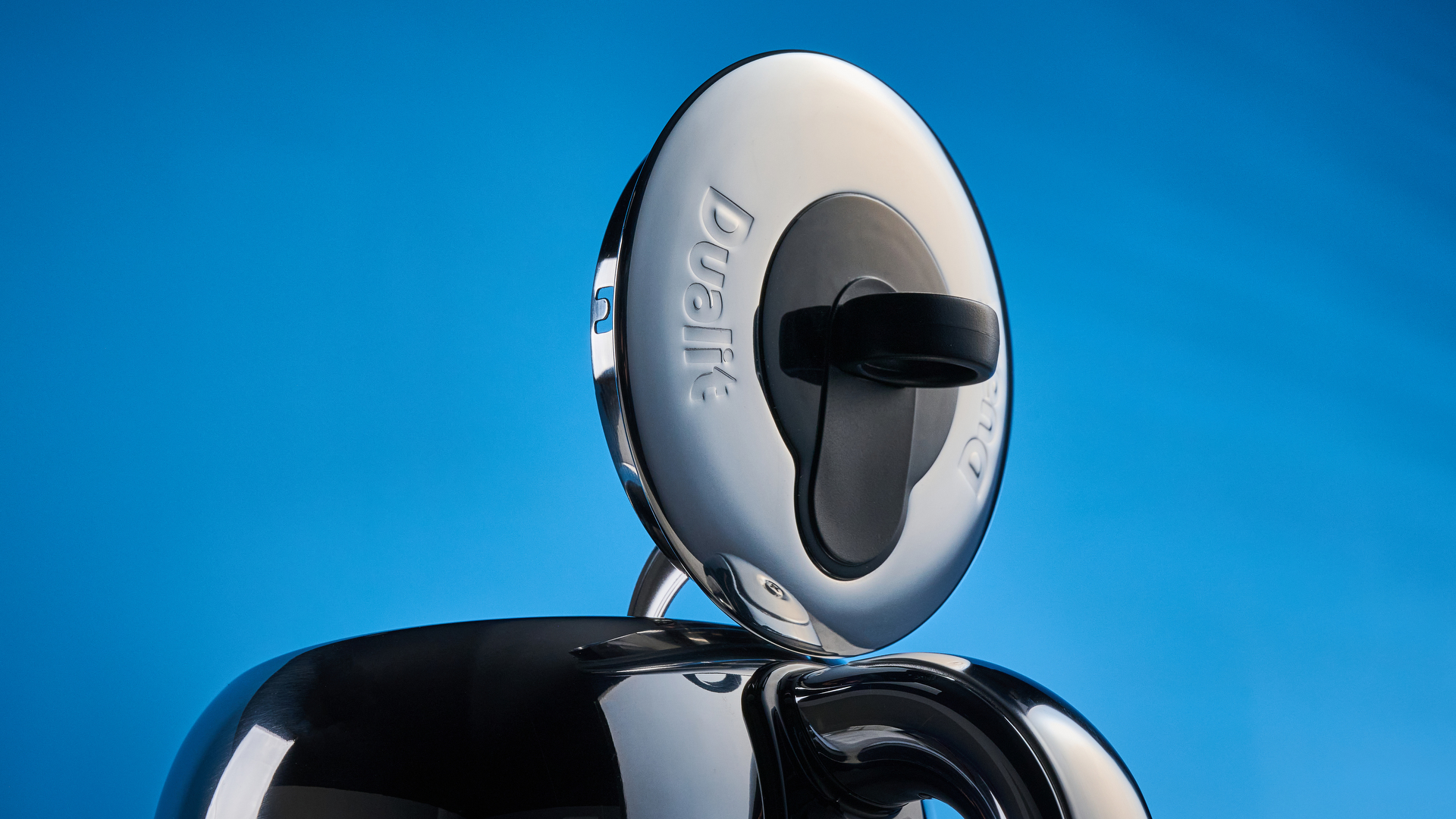
This reliability is a significant factor in the kettle’s $249 valuation. In contrast, budget models like the $27 Cosori Electric Glass Kettle have been noted for inconsistent pouring and occasional leakage around the lid. The Dualit’s lid is a heavy-duty hinged design with a high-quality seal, ensuring that steam and water are contained even when the kettle is tilted at steep angles.

Maintenance and the "Chrome Tax"
While the polished chrome finish is a primary selling point for the Dualit Classic, it introduces a significant maintenance burden. The highly reflective surface is susceptible to fingerprints, oil smudges, and watermarks. For users who prioritize a pristine kitchen aesthetic, the kettle requires frequent wiping with a microfiber cloth.
Additionally, the kettle’s longevity is tied to the user’s commitment to descaling. In regions with hard water, limescale—a buildup of calcium carbonate—can accumulate on the heating element and the interior walls. Dualit has included a removable, washable stainless steel filter behind the spout to prevent scale from entering the cup, but the interior requires regular treatment with descaling solutions or citric acid to maintain efficiency.
Market Comparison and Value Proposition
The $249 price point places the Dualit Classic Kettle in the "ultra-premium" category. To provide context, the following table compares the Dualit with its primary market competitors:
| Model | Price (Approx.) | Key Feature | Target Audience |
|---|---|---|---|
| Dualit Classic | $249 | Repairability & Pure Pour | Luxury/Heritage buyers |
| Fellow Stagg EKG | $165 | Precision Gooseneck | Pour-over coffee enthusiasts |
| Ninja Precision | $89 | Variable Temp Control | Specialty tea drinkers |
| Cosori Glass | $27 | Budget Utility | Value-conscious buyers |
The Dualit lacks the variable temperature controls found in the Ninja or Fellow models, which allow users to select specific temperatures for green tea (175°F) or coffee (200°F). The Dualit is a "boil-only" machine, which may be seen as a drawback for modern tea connoisseurs who require precision. Therefore, the value proposition of the Dualit is not based on technological features, but on build quality, brand prestige, and the reliability of the mechanical components.
Broader Impact on the Appliance Industry
The continued success of the Dualit Classic line reflects a broader consumer interest in "quiet luxury" and durable goods. As environmental concerns regarding electronic waste (e-waste) grow, there is a burgeoning market for appliances that eschew complex digital screens—which are often the first components to fail—in favor of robust mechanical switches and high-grade metals.
Industry analysts suggest that products like the Dualit Classic Kettle appeal to a demographic that views kitchen tools as furniture. This "countertop real estate" is increasingly populated by items that signal status and a preference for traditional manufacturing. However, the high entry price also highlights a growing divide in the consumer market between those who purchase appliances as long-term investments and those who view them as temporary, disposable utilities.
Conclusion and Final Analysis
The Dualit Classic Kettle is a study in the trade-offs of luxury design. It delivers exceptional performance in terms of boiling speed, safety, and pour accuracy. Its construction is undeniably superior to the vast majority of electric kettles on the market, and its aesthetic remains a benchmark for the industry.
However, the $249 investment is difficult to justify on performance alone, especially given the lack of variable temperature settings and the high-maintenance nature of its chrome finish. It is an appliance designed for a specific user: one who values British engineering heritage, prefers mechanical reliability over digital features, and is willing to perform the regular maintenance required to keep a "fashion statement" looking its best. For this consumer, the Dualit Classic is not just a kettle, but a centerpiece of the modern kitchen. For others, a more feature-rich model at half the price may offer better functional value.