Apple Watch Ultra 3 vs Samsung Galaxy Watch Ultra 2: A 4,000-Step Accuracy Showdown

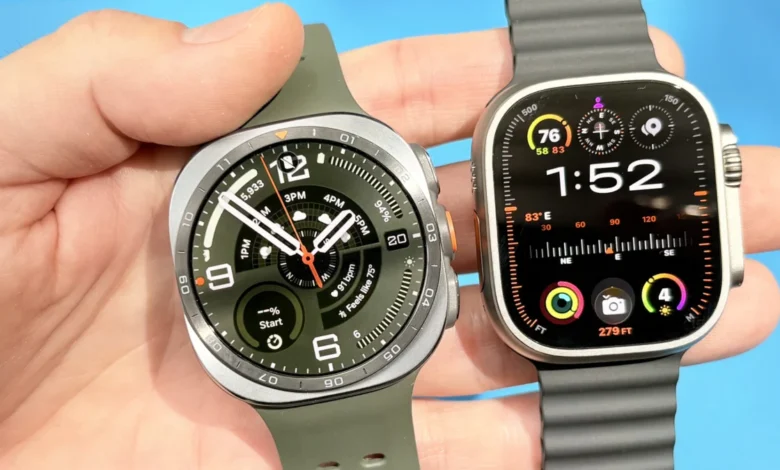
The high-stakes rivalry between the world’s two largest tech giants has moved beyond the smartphone and into the rugged wilderness of high-end, adventure-focused wearables. With the release of the Apple Watch Ultra 3 and the Samsung Galaxy Watch Ultra 2, both companies have aimed to capture the burgeoning market of outdoor enthusiasts, endurance athletes, and tech-savvy explorers who demand precision in the most challenging environments. In a comprehensive field test designed to push the tracking capabilities of these flagship devices to their limits, a head-to-head comparison was conducted involving a manual count of 4,000 steps to determine which device offers the most reliable data for fitness enthusiasts.
While the primary differentiator remains the operating system—Apple’s watchOS 12 for iOS users and Samsung’s Wear OS 6 for the Android ecosystem—the hardware specifications and internal sensor arrays have become remarkably similar. Both devices represent the pinnacle of their respective engineering departments, featuring titanium enclosures, sapphire crystal displays, and advanced dual-frequency GPS systems. However, as this 4,000-step showdown reveals, small discrepancies in software algorithms and sensor calibration can lead to varying results in real-world applications.
The Methodology: Precision Testing in the Field
To ensure the highest level of accuracy, the test was conducted using a rigorous manual control method. The tester wore the Apple Watch Ultra 3 on one wrist and the Samsung Galaxy Watch Ultra 2 on the other, manually tallying every step taken over a 35-minute walk. This manual count served as the primary control for step accuracy. To provide secondary data for distance, elevation gain (climb), and pace, the Strava mobile application was utilized as an independent digital benchmark.
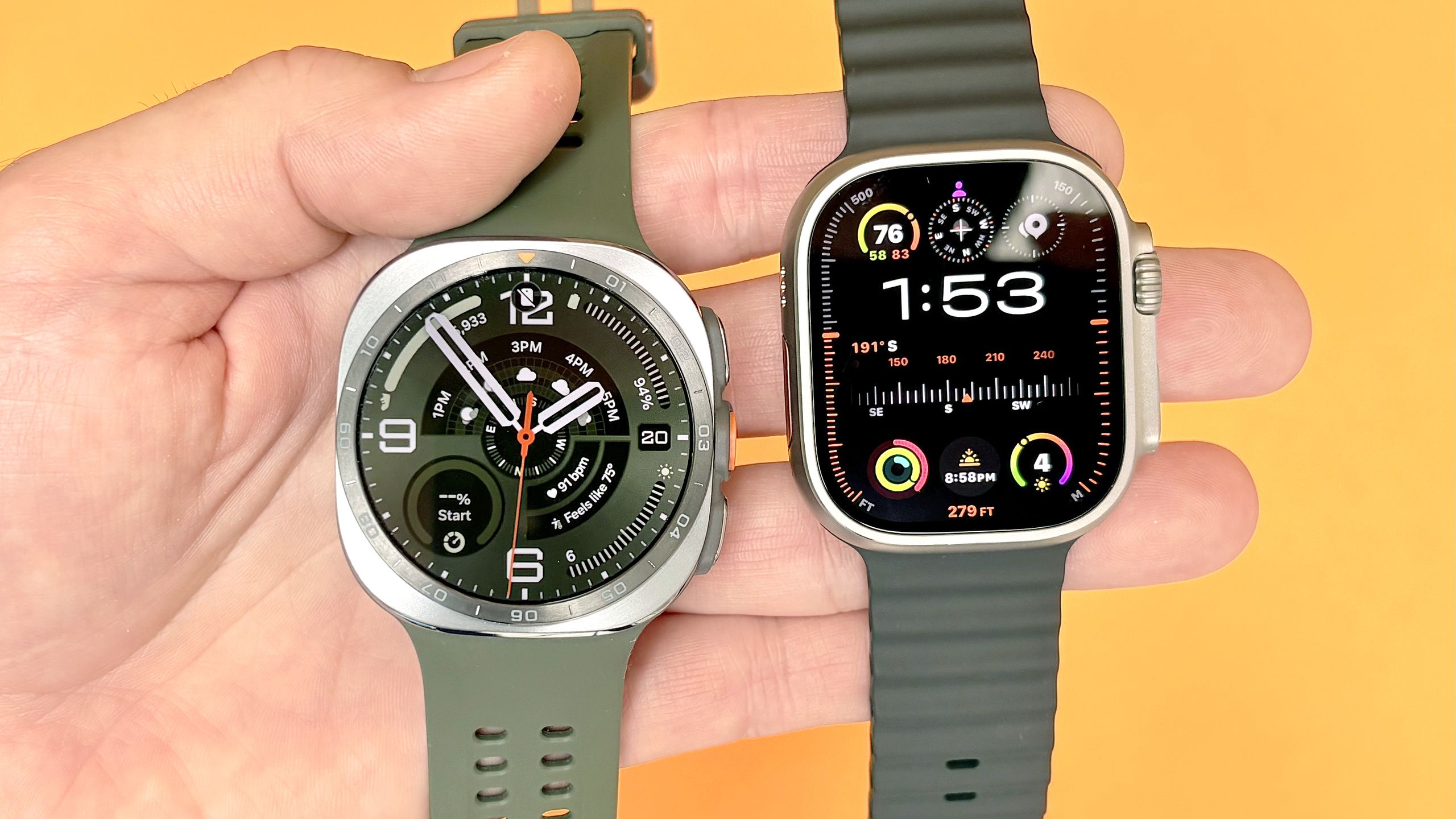
The environment for the test was a varied terrain typical of the U.S. Pacific Northwest, involving significant elevation changes and potential GPS interference from canopy cover. This setting was chosen specifically to challenge the barometric altimeters and dual-band GPS chips found in both watches. The walk covered approximately two miles, providing enough data points to observe how each device’s software interprets movement patterns, heart rate fluctuations, and atmospheric pressure changes.
Chronology of the Competitive Landscape
The development of the "Ultra" series for both brands follows a clear trajectory of increasing durability and sensor sophistication. Apple first introduced the Ultra line in 2022, targeting a demographic that previously relied on specialized brands like Garmin or Suunto. By the third iteration, the Apple Watch Ultra 3 has focused on refining battery efficiency and enhancing the accuracy of its S-series chipsets.
Samsung responded to Apple’s market entry with the original Galaxy Watch Ultra, and the second generation—the Galaxy Watch Ultra 2—represents a significant leap forward. Samsung’s strategy has centered on aggressive pricing, undercutting Apple by $100, and integrating advanced Artificial Intelligence via Google’s Gemini. The chronology of these releases suggests a "specs war" that has reached a plateau, where the focus has shifted from adding new sensors to perfecting the data processing of existing ones.
Detailed Data Analysis: Step Count and Movement Tracking
In the primary metric of the test—the 4,000-step manual count—the Samsung Galaxy Watch Ultra 2 emerged as the more precise pedometer. Samsung’s device recorded a total of 4,023 steps, representing a variance of only 0.57%. In contrast, the Apple Watch Ultra 3 recorded 3,924 steps, a variance of 1.9%. While both results fall well within the industry-standard "excellent" range (typically defined as any count within 100 steps of the actual total), Samsung’s algorithm proved slightly more sensitive to the tester’s specific gait.
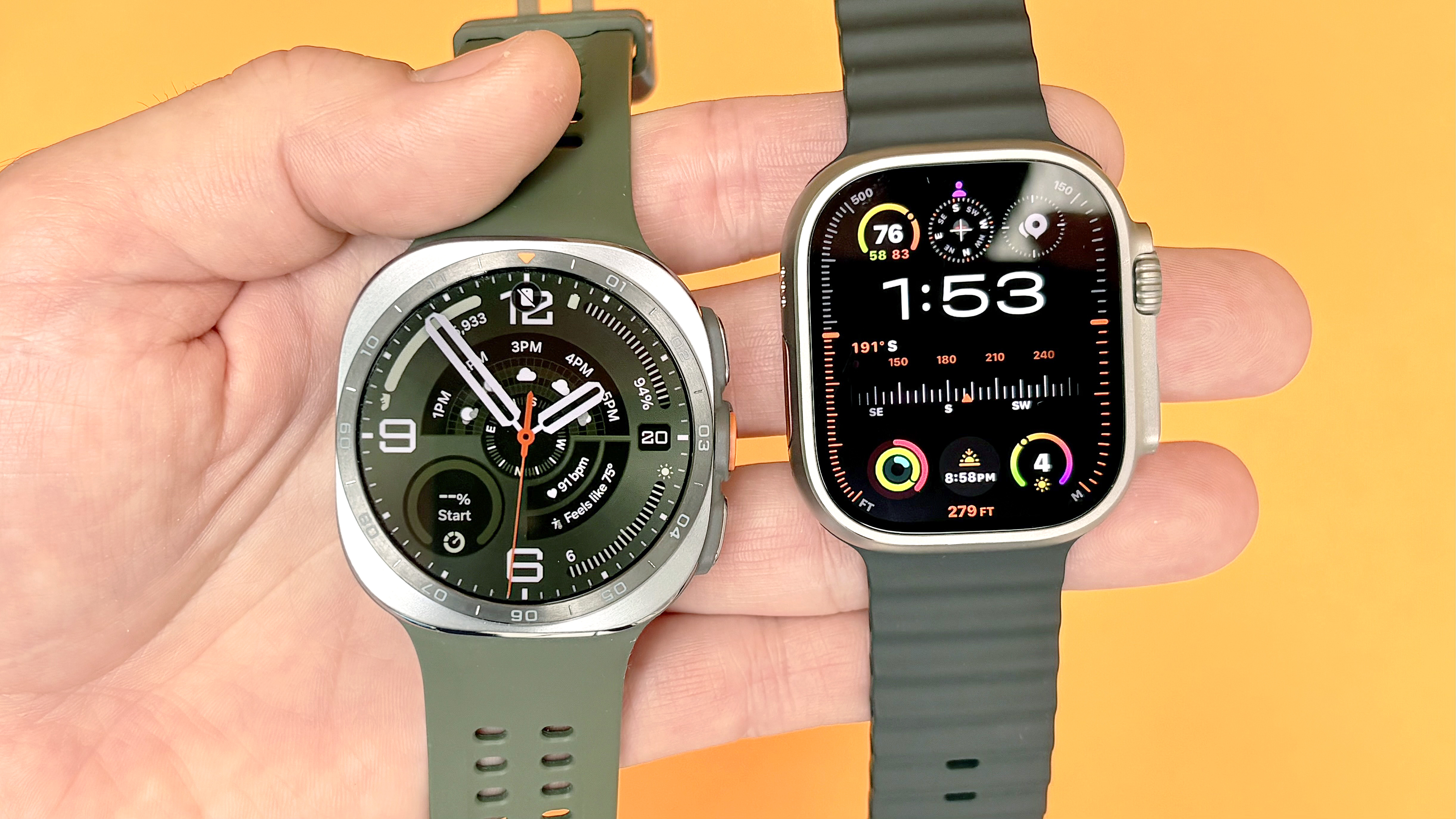
When analyzing distance and pace, the results were more nuanced. The control data from Strava indicated a total distance of 2.17 miles. The Apple Watch Ultra 3 was the closer of the two, logging 2.11 miles, while the Samsung Galaxy Watch Ultra 2 recorded 2.09 miles. This suggests that while Samsung is better at counting individual steps, Apple’s integration of dual-band GPS (L1 + L5 frequencies) and its stride-length estimation software may be slightly more refined for spatial tracking.
The climb data, which relies on the internal barometric altimeter to measure changes in air pressure, showed a high degree of correlation with the control. Strava recorded an elevation gain of 362 feet. The Samsung Galaxy Watch Ultra 2 was nearly identical to the control at 358 feet, while the Apple Watch Ultra 3 over-estimated slightly at 372 feet.
Biometric Performance and Power Efficiency
Beyond movement tracking, heart rate monitoring is a critical component for athletes using these devices for Zone-based training. During the 35-minute excursion, both watches demonstrated near-perfect synchronization. The Samsung Galaxy Watch Ultra 2 recorded an average heart rate of 128 beats per minute (bpm) with a maximum of 160 bpm. The Apple Watch Ultra 3 recorded an average of 130 bpm and a maximum of 158 bpm. These negligible differences indicate that both the BioActive sensor in the Samsung and the heart rate sensor in the Apple Watch are performing at medical-grade levels for wrist-based optical technology.
A surprising point of divergence occurred in battery consumption. Despite Samsung’s claims of superior battery life and a larger physical battery capacity, the Galaxy Watch Ultra 2 consumed 3% of its power during the test. The Apple Watch Ultra 3, meanwhile, only dropped by 1%. This suggests that Apple’s latest chipset and watchOS optimizations are highly efficient at managing high-intensity tasks like simultaneous dual-band GPS and continuous heart rate monitoring.
The calorie burn calculation also showed a significant gap. Samsung estimated 237 calories burned, while Apple estimated 299. Because there was no laboratory-grade metabolic cart (CPET) used as a control for calories, it is difficult to say which is "correct," but the 26% difference highlights how differently each company’s proprietary algorithms interpret heart rate and movement data to estimate energy expenditure.
Hardware Design and User Interface
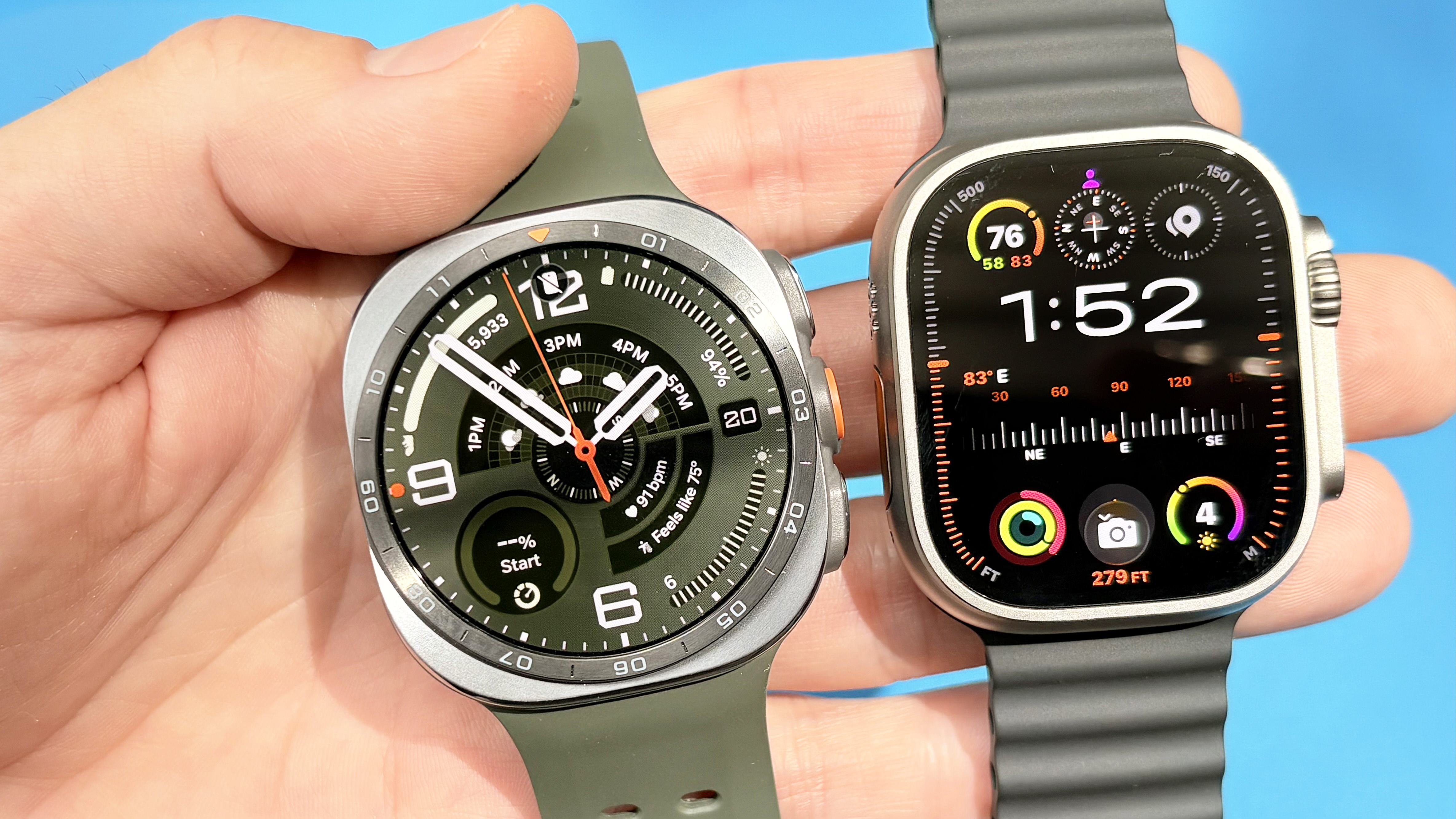
While the internal data is the focus of the test, the physical experience of wearing the devices remains a factor for consumers. The Apple Watch Ultra 3 maintains its iconic rectangular design, which the tester found more ergonomic due to its narrower profile and thinner chassis. The Samsung Galaxy Watch Ultra 2 utilizes a "squircle" design—a circular screen within a square body—which offers a larger, brighter display but adds bulk to the wrist.
Samsung’s inclusion of an onboard AI assistant, powered by Gemini, offers a unique value proposition. Users can access AI-driven insights and voice commands with a simple wrist raise, a feature that Apple has yet to match with the same level of generative capability in Siri. However, for many users, the $100 price difference—$699 for Samsung versus $799 for Apple—remains the most compelling hardware "spec."
Official Positions and Market Context
While neither Apple nor Samsung has commented directly on this specific head-to-head test, both companies have recently emphasized the "professionalization" of their wearable lines. Samsung’s marketing for the Galaxy Watch Ultra 2 has focused heavily on its utility as a dive computer and its durability in extreme temperatures, attempting to peel away users who traditionally favor brands like Suunto.
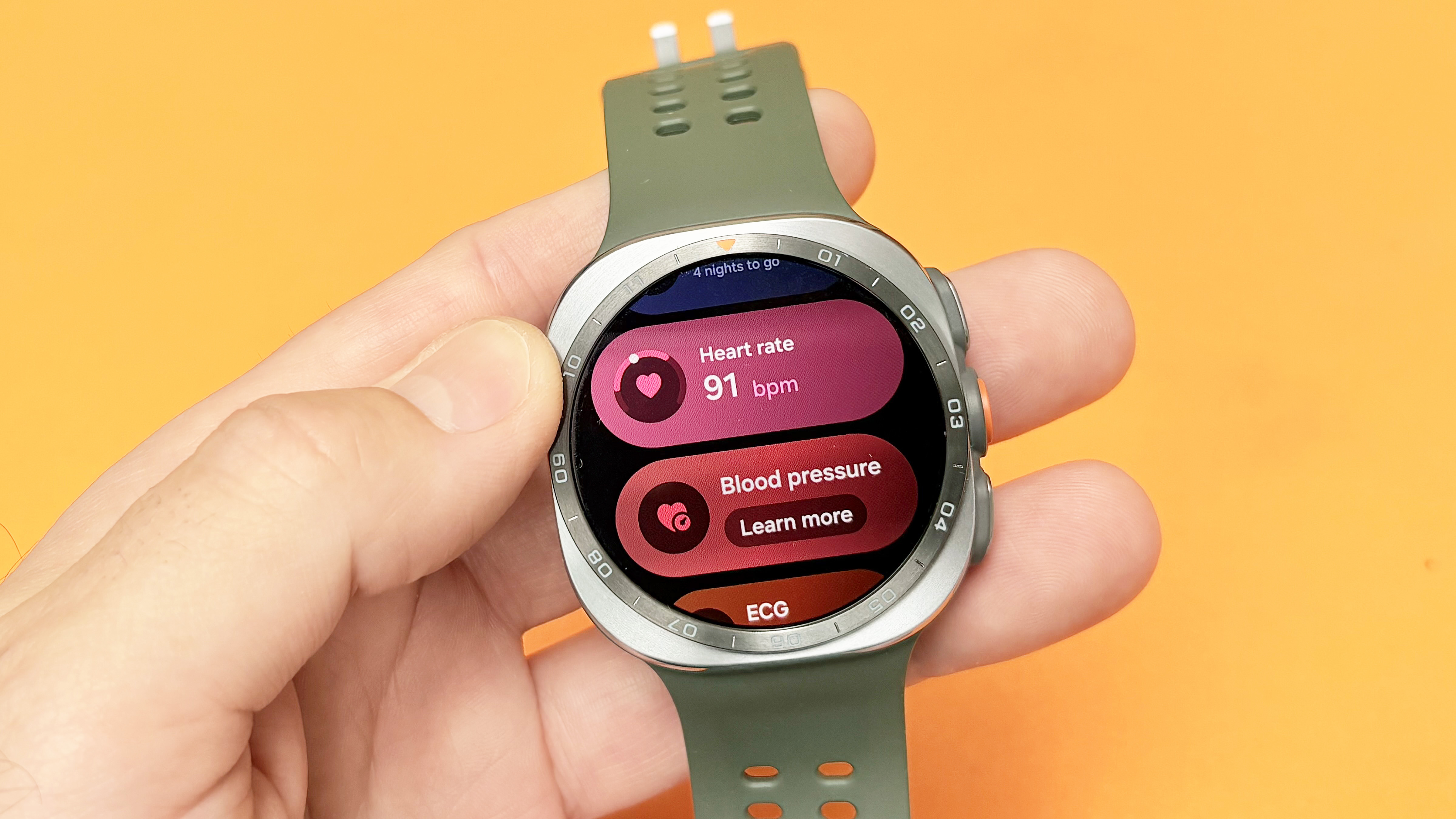
Apple, conversely, has leaned into the "Apple Health" ecosystem, positioning the Ultra 3 as a holistic health tool that tracks everything from sleep apnea to atrial fibrillation, alongside its rugged outdoor features. Industry analysts suggest that as the hardware becomes commoditized, the real battle will be fought in the software—specifically how AI can provide "actionable insights" rather than just raw data.
Broader Implications for the Wearable Industry
The results of this 4,000-step test indicate that the gap between Apple and Samsung in the premium wearable space has effectively closed. For the average consumer, the decision between the two will likely not be based on tracking accuracy—since both are exceptional—but on existing ecosystem loyalty and price sensitivity.
The high level of accuracy found in both devices also signals a challenge to traditional fitness watch manufacturers. When "lifestyle" smartwatches can match the GPS and altimeter precision of dedicated sport watches, companies like Garmin must rely even more heavily on niche features like solar charging, mapping depth, and multi-week battery life to maintain their market share.
In conclusion, the Samsung Galaxy Watch Ultra 2 takes a narrow victory in this specific step-count challenge, proving that its sensors are finely tuned for pedestrian activities. However, the Apple Watch Ultra 3’s superior battery efficiency and distance tracking make it an equally formidable companion for the trail. As these devices continue to evolve, the integration of AI and more sophisticated biometric sensors will likely further blur the line between consumer electronics and professional athletic equipment.