Dell’s Evolving Legacy: Navigating the 2025 Laptop Landscape and Strategic Rebranding

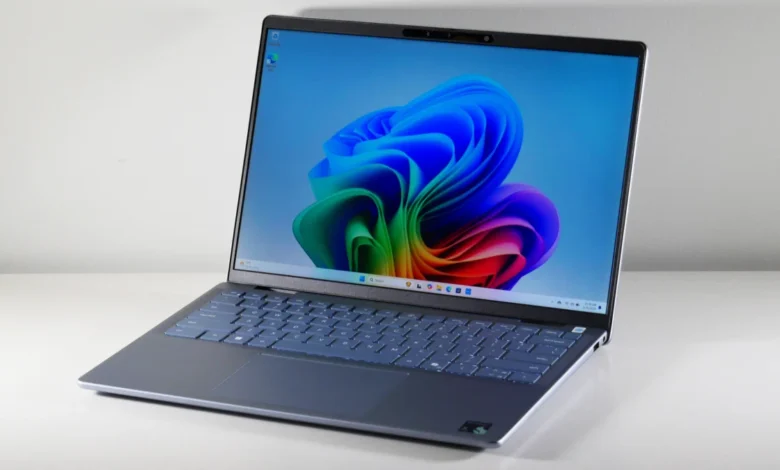
Dell, a name synonymous with personal computing for decades, continues to hold a prominent position in the dynamic laptop market, a reputation solidified by its early 2000s "Dude, you’re getting a Dell" commercials and its iconic XPS series. Since the release of its first laptop in 1989, Dell has consistently earned accolades from technology reviewers, frequently appearing on lists of best laptops across various categories, including top overall performers, budget-friendly options, powerful gaming machines, and models boasting exceptional battery life. As 2025 progresses, the company is not only pushing technological boundaries with new releases but also implementing a significant strategic overhaul of its product naming conventions, aiming for a more streamlined, Apple-esque tiering system to clarify its diverse offerings. This comprehensive overview delves into Dell’s current leading models, analyzes its strategic rebranding, and provides crucial insights for consumers navigating the evolving landscape of Dell laptops.
Dell’s Enduring Legacy and Market Position
From its inception, Dell built its brand on innovation and accessibility. The company pioneered the direct-to-consumer sales model, allowing customers to customize their PCs, a revolutionary concept at the time. This approach fostered a strong connection with its user base, leading to a loyal following. The iconic XPS series, known for its premium design and performance, has long been a benchmark in the Windows laptop space, consistently challenging top-tier competitors. Dell’s broader portfolio, encompassing the consumer-focused Inspiron, business-oriented Latitude, and high-performance Precision workstations, demonstrates its commitment to serving a wide array of user needs. This extensive reach and consistent quality have ensured Dell’s sustained relevance, with its products regularly featured in expert recommendations, including those by Laptop Mag, which continuously evaluates Dell’s newest releases.
The 2025 Rebranding: A Strategic Shift Towards Simplicity
In a move announced in January 2025, Dell initiated a significant rebranding of its entire laptop lineup, transitioning from familiar names like XPS, Inspiron, Latitude, and Precision to a simplified, tiered system: Dell, Dell Plus, Dell Premium, Dell Pro, and Dell Pro Max. This strategic decision signals Dell’s intent to streamline its product nomenclature, making it easier for consumers to understand the hierarchy and target audience of each line, a strategy often compared to Apple’s clear MacBook tiers (Air, Pro). While the names are changing, the fundamental product lines and, in many cases, the designs for 2025 models remain consistent with their predecessors.

This rebranding is a calculated effort to enhance brand clarity and user experience in an increasingly complex market. The former Inspiron and Inspiron Plus lines, known for their affordability and general consumer appeal, are now simply "Dell" and "Dell Plus," respectively. The premium consumer XPS series has been re-designated "Dell Premium," directly pitting it against other high-end devices and implicitly acknowledging its top-tier status. For business users, the Latitude series transforms into "Dell Pro," with further subdivisions into "Dell Pro," "Dell Pro Plus," and "Dell Pro Premium," catering to varying professional needs and budgets. Finally, the workstation-class Precision series now falls under the "Dell Pro Max" umbrella, also offering "Dell Pro Max," "Dell Pro Max Plus," and "Dell Pro Max Premium" tiers for intensive computing tasks like 3D rendering and 4K/8K video editing. This shift, while potentially confusing initially for long-time Dell users, aims to provide a more intuitive purchasing journey, guiding customers based on their performance requirements and budget rather than a proliferation of distinct brand names.
Key Dell Laptop Recommendations for 2025
Amidst this rebranding, Dell continues to deliver a robust selection of laptops that cater to diverse user profiles. Here are Laptop Mag‘s top picks, reflecting the latest reviews and performance benchmarks, using their current (pre-rebrand) names for clarity, though their rebranded equivalents are noted.
The All-Rounder: Dell Inspiron 14 Plus (Qualcomm Snapdragon X Plus) – (Rebranded as Dell Plus)
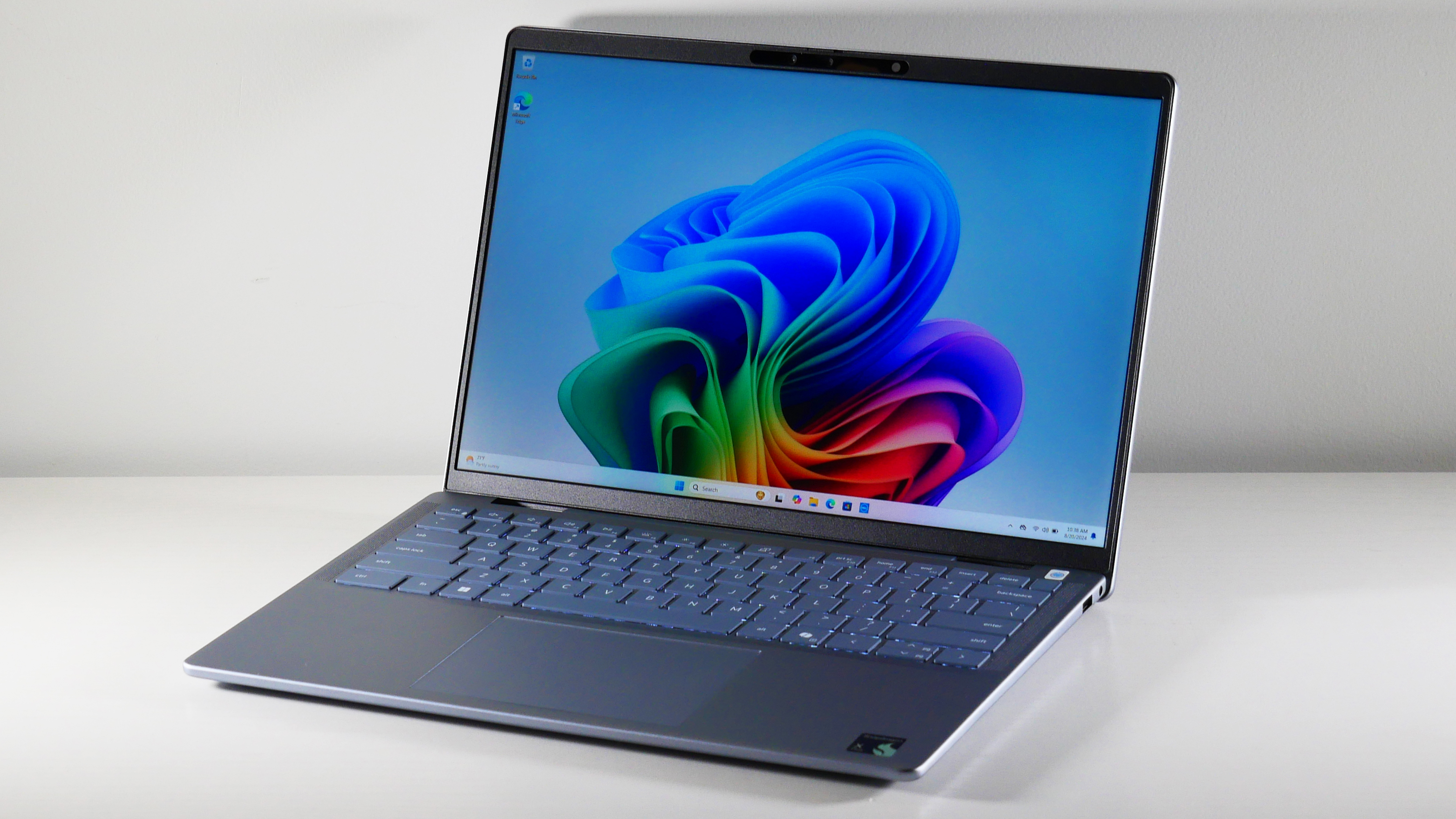
For the majority of users seeking a balanced blend of performance, portability, and endurance, the Dell Inspiron 14 Plus (7441) powered by the Qualcomm Snapdragon X Plus X1P-64-100 processor stands out. This model excels in critical areas: strong multitasking capabilities, exceptional battery life, a vibrant display, and a lightweight, slim chassis that maintains cool thermals even under load.
Its Snapdragon X Plus processor demonstrates remarkable prowess, achieving a Geekbench 6 multicore score of 13,281. This places it approximately 22% faster than the average premium laptop score of 10,435, and notably, it outperforms the MacBook Air M3 (12,087) by 9% and the Intel Core Ultra 7 155H found in its Intel-based Inspiron counterpart (12,729) by 5%. This robust performance allows it to effortlessly manage numerous Google Chrome tabs, multiple YouTube videos, and demanding productivity applications, making it an ideal choice for remote workers.
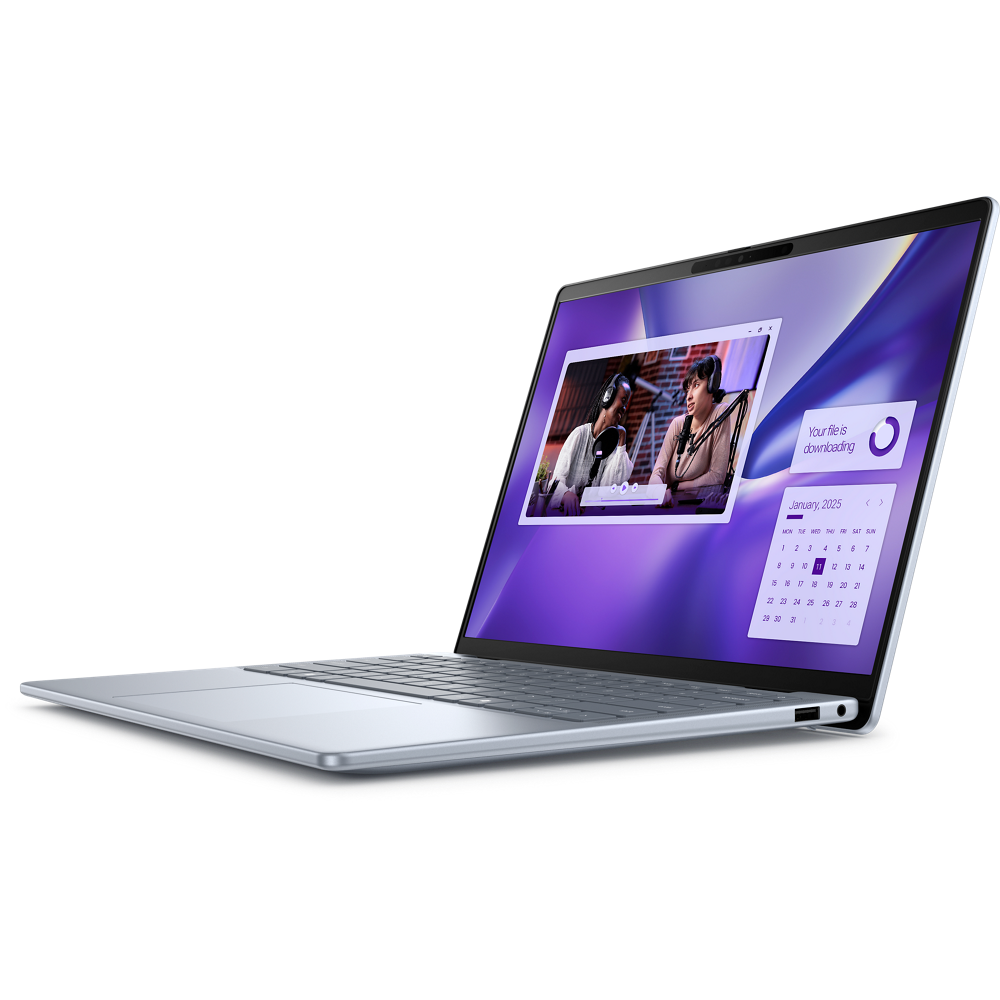
Storage performance is equally impressive, with its SSD capable of transferring a 25GB multimedia file at a swift 1,510 megabytes per second (MBps). This is about 14% faster than the average laptop in its class (1,311 MBps), surpassing the Asus Zenbook S14 (1,236 MBps) by 11% and the Lenovo Yoga Slim 7x (1,416 MBps) by 7%.
Battery life is a significant highlight, with the Inspiron 14 Plus lasting an astounding 18 hours and 20 minutes in Laptop Mag‘s battery rundown test, far exceeding the premium laptop average of 13 hours and 23 minutes. Coupled with excellent thermal management, keeping the underside below a comfortable 88 degrees Fahrenheit, this laptop is perfect for extended use without needing a charger or worrying about discomfort.
However, the display, while bright at up to 470 nits, shows limitations in color reproduction, covering only 69.1% of the DCI-P3 color gamut. This results in colors appearing somewhat muted compared to rivals like the Zenbook 14 (79.8%) and MacBook Air M3 (77.8%), both of which still fall below the 84.7% premium laptop average. Potential buyers should also be aware that, as a Windows on ARM device, it relies on emulation for many applications, and while greatly improved, some niche software might not run optimally or at all.
Value Champion: Dell Inspiron 14 Plus (Intel Meteor Lake) – (Rebranded as Dell Plus)
For those seeking robust performance and excellent battery life without breaking the bank, the Dell Inspiron 14 Plus (7440) with an Intel Core Ultra 7 155H processor offers exceptional value. This last-generation Intel chip remains highly competitive, providing strong multitasking capabilities and superior integrated graphics compared to its Snapdragon sibling, all at a more accessible price point.
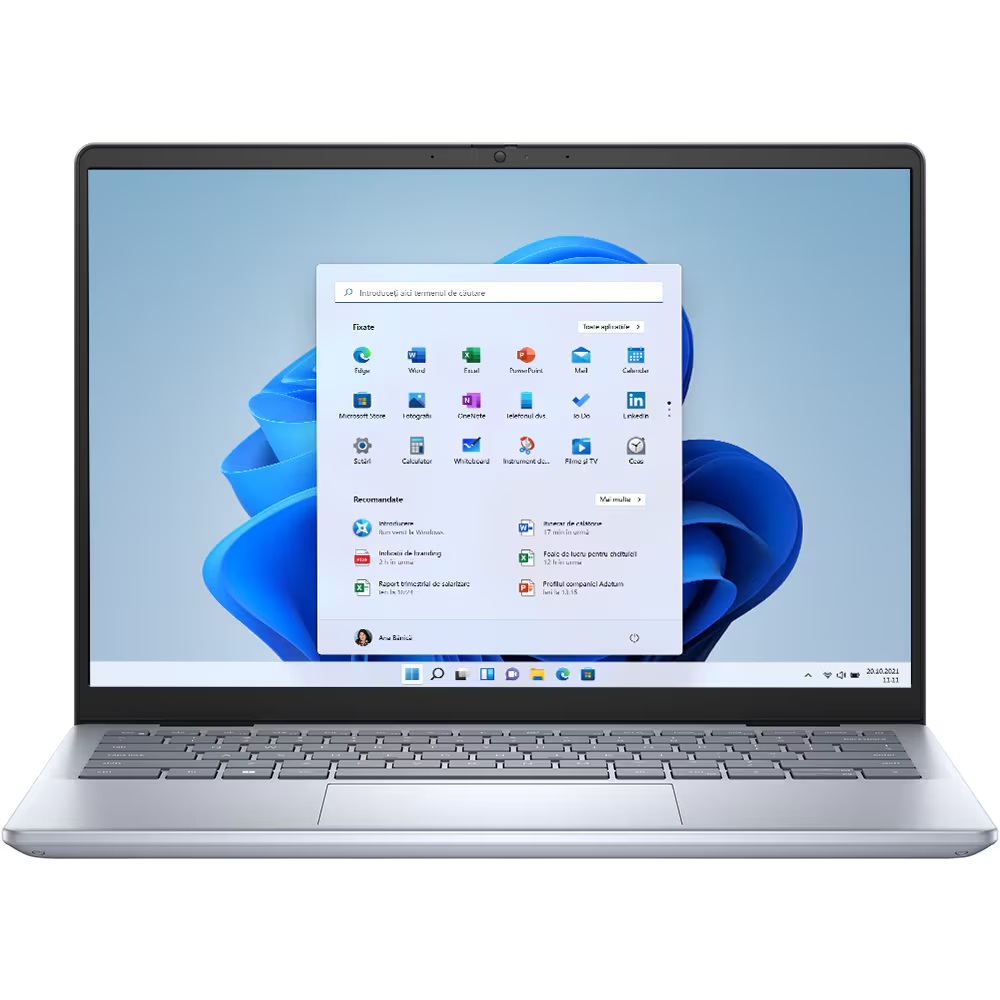
The Intel Inspiron 14 Plus scored 12,729 in the Geekbench 6 multicore benchmark, a solid 9% increase over the premium laptop average. This performance comfortably handles daily workloads involving email, text editing, and image manipulation software like Photoshop. It also surpasses the MacBook Pro M3 (11,968) by 6% and HP Spectre x360 14 (12,358) by 3%, both featuring similar chips.
A key differentiator is its graphical prowess. The integrated Intel Arc graphics significantly outperform the Snapdragon’s Qualcomm Adreno iGPU. In the Sid Meier’s Civilization VI: Gathering Storm benchmark at 1080p on Medium settings, the Intel Inspiron achieved an average of 34 frames per second (fps), comfortably above the 30 fps playability threshold, while the Snapdragon version managed only 21 fps. The 3DMark Fire Strike synthetic graphics benchmark further illustrates this gap, with the Intel Inspiron scoring 8082 compared to the Snapdragon’s 5965, a 27% difference.
Battery life, while not matching the Snapdragon model, is still impressive at 15 hours and 6 minutes, several hours beyond the premium laptop average and slightly outlasting the 15-inch MacBook Air M3. However, this model does run warmer than its Snapdragon counterpart, reaching up to 108 degrees Fahrenheit on its surface, exceeding the 95-degree comfort threshold. Its display, like the Snapdragon model, also exhibits duller colors (68.4% DCI-P3 gamut coverage) and a lower peak brightness of 367 nits. Connectivity is also limited to a single USB-C port, which might necessitate a USB-C hub for users with multiple modern peripherals.
Gaming on a Budget: Dell G16 (7630) – (No direct rebrand, Dell’s budget gaming line)
The Dell G16 (7630) stands as a remarkable entry in the increasingly sparse budget gaming laptop market, delivering impressive performance and features for under $1,000. It combines a powerful Intel Core i7-1365HX CPU with an Nvidia GeForce RTX 4060 GPU, making it an "absolute stunner" for its price, according to Laptop Mag‘s editor.
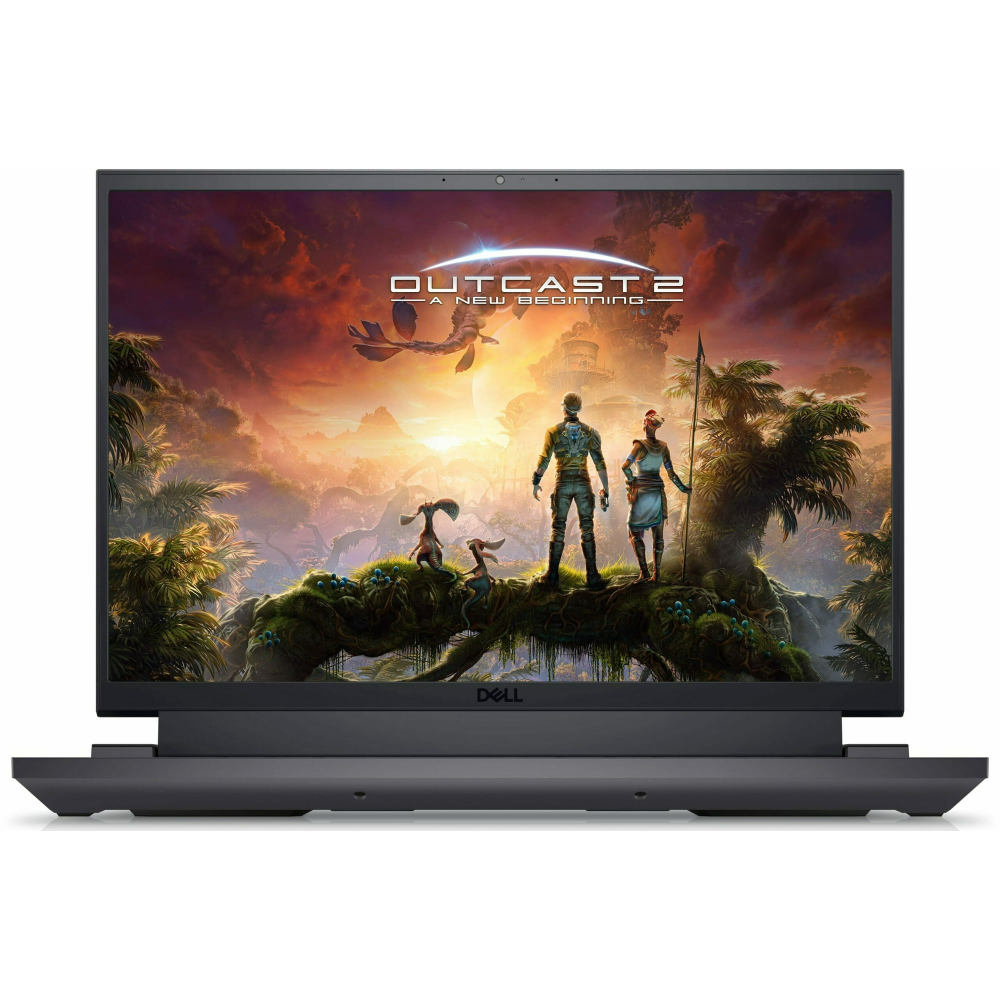
In graphically demanding titles, the G16 holds its own. Cyberpunk 2077 ran at 33 fps on Ultra settings at 1080p, slightly besting competitors like the Asus TUF Gaming A14 (30 fps) and Acer Predator Helios Neo 16 (32 fps) with the same RTX 4060. In Assassin’s Creed Mirage (Ultra, 1080p), it achieved an excellent 88 fps, on par with its rivals.
A standout feature is its 16-inch, 2560 x 1600, 240Hz IPS display, which boasts an exceptional 114% DCI-P3 color gamut coverage, far surpassing the average budget gaming laptop (79.1%), the TUF Gaming A14 (81%), and the Predator Helios Neo 16 (92%). While its peak brightness of 310 nits is close to the average (317 nits), it lags behind brighter competitors.
Another unexpected premium feature for a budget gaming laptop is its Cherry MX tactile mechanical keyboard. These switches, celebrated for their longevity, precise actuation, and satisfying feel, are typically found in high-end desktop keyboards or significantly more expensive gaming laptops.
Battery life, at 5 hours and 4 minutes, is decent for a gaming laptop, outperforming the average budget gaming laptop and the Predator Helios Neo 16 by an hour, though it can’t match the exceptional endurance of the TUF Gaming A14 (10:04). Minor drawbacks include hollow-sounding speakers, easily mitigated by a gaming headset, and a small, less-than-ideal trackpad, which is less of a concern for users who prefer a dedicated gaming mouse.
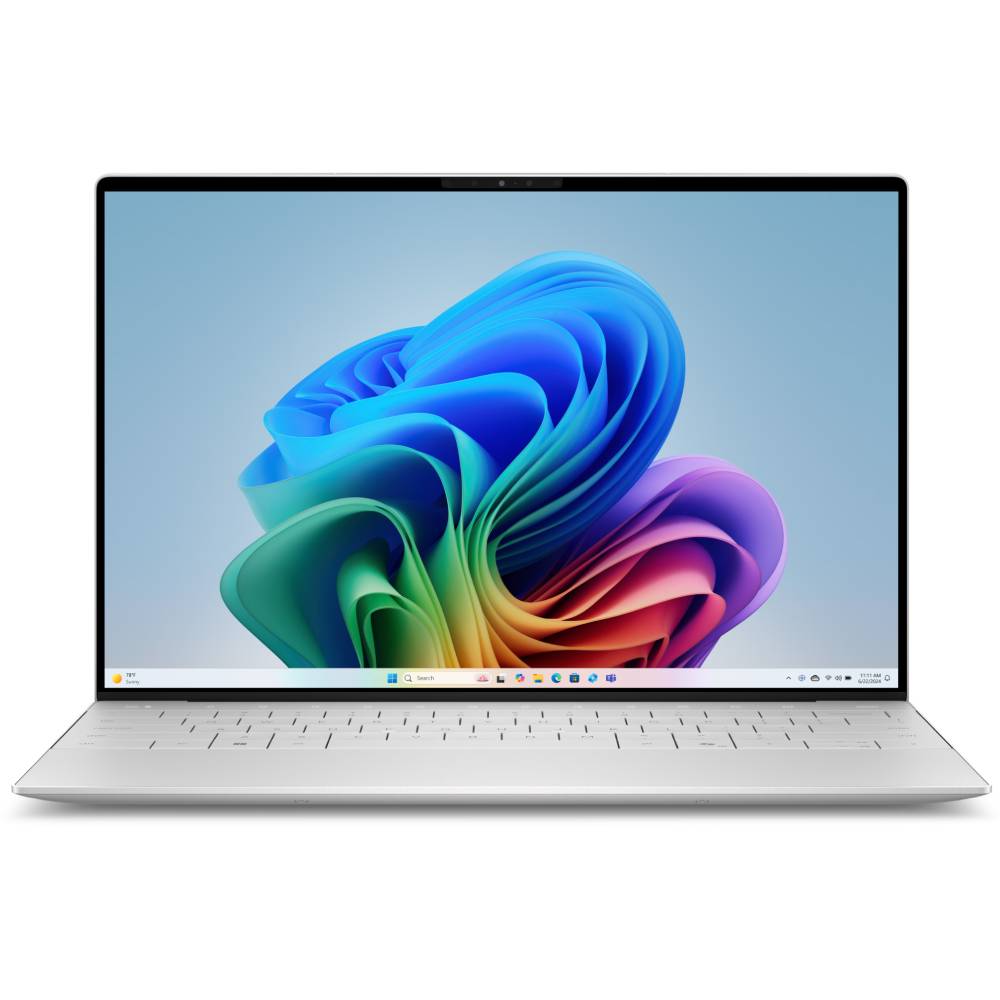
Visual Excellence: Dell XPS 13 OLED (Intel Lunar Lake) – (Rebranded as Dell Premium)
The Dell XPS 13, a perennial Laptop Mag favorite, continues to impress, particularly its 2024 OLED configuration. While its minimalist design with a "touch bar" and "invisible" trackpad has divided opinion, the OLED display is universally lauded for its stunning visual fidelity. This model, powered by an Intel Core Ultra 7 258V processor (Intel Lunar Lake), offers solid performance, respectable integrated graphics, impressive battery life (for an OLED), and impactful speakers.
The optional 3K (2880 x 1800) Tandem OLED panel is the star, covering an expansive 144.60% of the DCI-P3 color gamut. This is a dramatic improvement over the base IPS panel (69.9%) and significantly wider than competitors like the 13-inch MacBook Air M3 (77.8%) and Asus Zenbook S 14 (82.0%). While its average peak brightness of 377 nits is sufficient for most lighting conditions, it could be brighter and falls short of the MacBook Air M3’s 476 nits.
Despite its compact 13.4-inch form factor, the XPS 13 OLED maintains Dell’s reputation for sleek design, measuring 0.6 inches thick and weighing a mere 2.6 pounds. Its Intel Core Ultra 7 258V processor delivers solid performance, achieving a Geekbench 6 single-core score of 2,772, comparable to the Snapdragon Dell XPS 13 (2,797) and Asus Zenbook S 14 (2,751). The integrated Intel Arc graphics are also capable, allowing for casual gaming with lighter titles, averaging 53 fps in Sid Meier’s Civilization VI: Gathering Storm (1080p, Medium), far surpassing the Snapdragon XPS 13 (22 fps).
The primary trade-off for this visual brilliance is battery life. The power-hungry OLED panel reduces endurance to 8 hours and 40 minutes, a significant drop from the average premium laptop (13:23) and the non-OLED XPS 13’s 18 hours and 43 minutes. Other considerations include a cramped keyboard and a limited two Thunderbolt 4 USB-C ports, necessitating external adapters for broader connectivity.
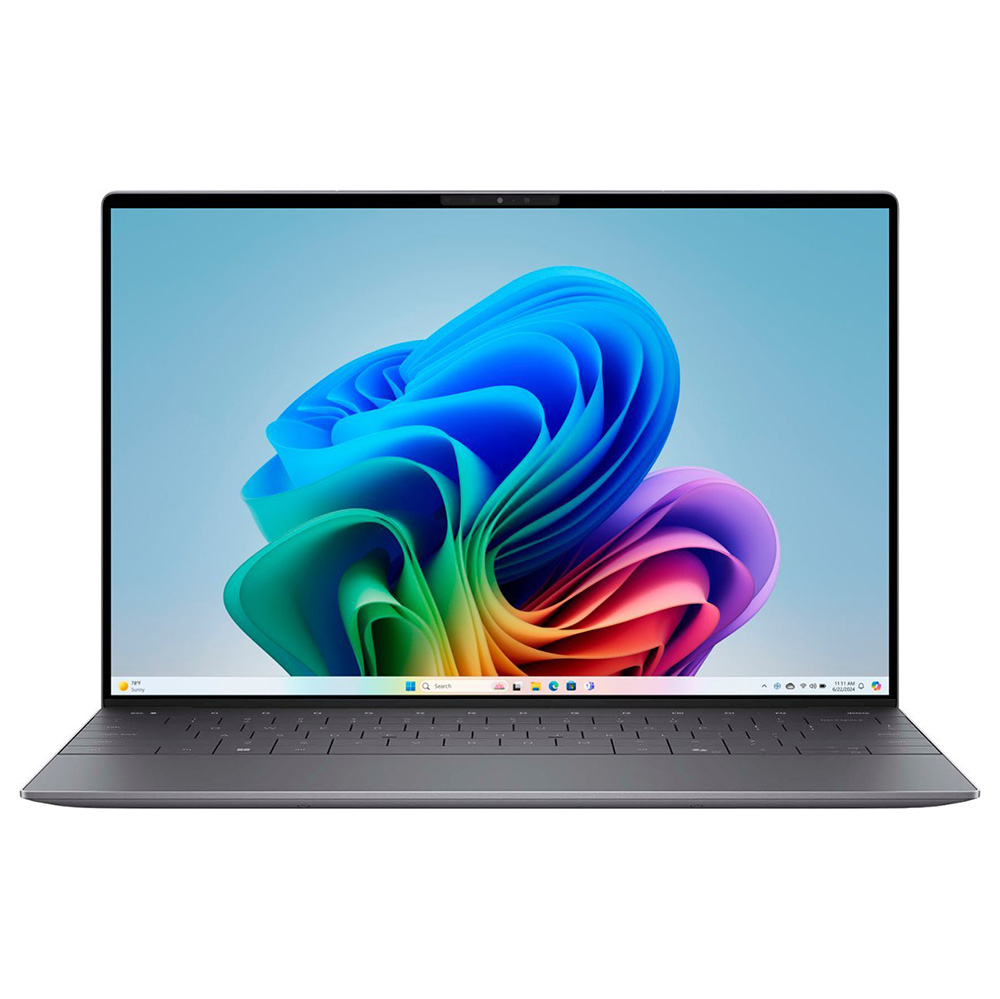
Unrivaled Endurance: Dell XPS 13 (Qualcomm Snapdragon X Elite) – (Rebranded as Dell Premium)
For users whose top priority is battery life, the Dell XPS 13 (9345) with the Qualcomm Snapdragon X Elite X1E-80-100 processor is an unparalleled choice. It sets a new standard for longevity, making it one of the longest-lasting laptops ever tested by Laptop Mag.
Following a BIOS update during testing, this laptop’s battery life soared from an already impressive 19 hours and 1 minute to an astounding 20 hours and 51 minutes in Laptop Mag‘s web surfing test. This far exceeds the average premium laptop (13:23), the MacBook Air M3 (15:13), Asus Zenbook S14 (13:51), and HP Spectre x360 14 (11:01). This places it in an elite category, comparable to the MacBook Pro 16 M4 Pro (20:46) and Lenovo ThinkBook 16 Gen 7 (21:02), despite not being a direct competitor to these larger, more powerful machines.
Beyond its incredible endurance, the Snapdragon X Elite processor delivers robust multitasking performance. In the Geekbench 6 overall performance benchmark, it achieved a score of 14,635, making it 29% faster than the average premium laptop (10,492). It also outperforms the MacBook Air M3 (12,087) by 8%, the Zenbook S14 (11,157) by 14%, and the Spectre x360 14 (12,358) by 6%, ensuring smooth operation even with dozens of browser tabs, communication apps, and streaming services running concurrently.
Similar to its OLED counterpart, this XPS 13 model features a sleek, lightweight design (0.6 inches thick, 2.6 pounds). The display, however, is a notable weakness in terms of color reproduction, covering only 66.9% of the DCI-P3 color gamut. This is 20% lower than the average premium laptop (86.8%) and results in noticeably washed-out visuals, as observed during media playback. Despite the poor color accuracy, the display is quite bright, reaching a maximum of 456 nits, almost matching the premium laptop average (467 nits) and slightly trailing the MacBook Air M3 (476 nits). Like other compact XPS models, it is limited to two USB-C ports and features a cramped keyboard.

Understanding Dell’s New Lineup: A Detailed Guide
Dell’s 2025 product lineup redefines its laptop categories, aiming for greater clarity. The table below outlines the transition from old names to new and their respective tiers:
| Old name | New name | Tiers |
|---|---|---|
| Inspiron | Dell | Dell |
| Inspiron Plus | Dell | Dell Plus |
| XPS | Dell | Dell Premium |
| Latitude | Dell Pro | Dell Pro, Dell Pro Plus, Dell Pro Premium |
| Precision | Dell Pro Max | Dell Pro Max, Dell Pro Max Plus, Dell Pro Max Premium |
The "Dell" and "Dell Plus" lines (formerly Inspiron and Inspiron Plus) represent the most affordable entry points, ideal for basic web browsing, productivity, and casual entertainment, typically starting well under $1,000.
The "Dell Premium" series (formerly XPS) targets consumers seeking a more refined, high-performance experience. These laptops compete directly with premium devices like Apple’s MacBooks, with prices ranging from just under $1,000 to over $3,000 for top-tier configurations, designed for demanding tasks like photo and video editing.
For business users, the "Dell Pro" line (formerly Latitude) offers a scalable solution. Ranging from just over $500 to around $2,500, these laptops are segmented into "Dell Pro," "Dell Pro Plus," and "Dell Pro Premium" to match varying corporate needs and budgets, providing increasing levels of performance and build quality.
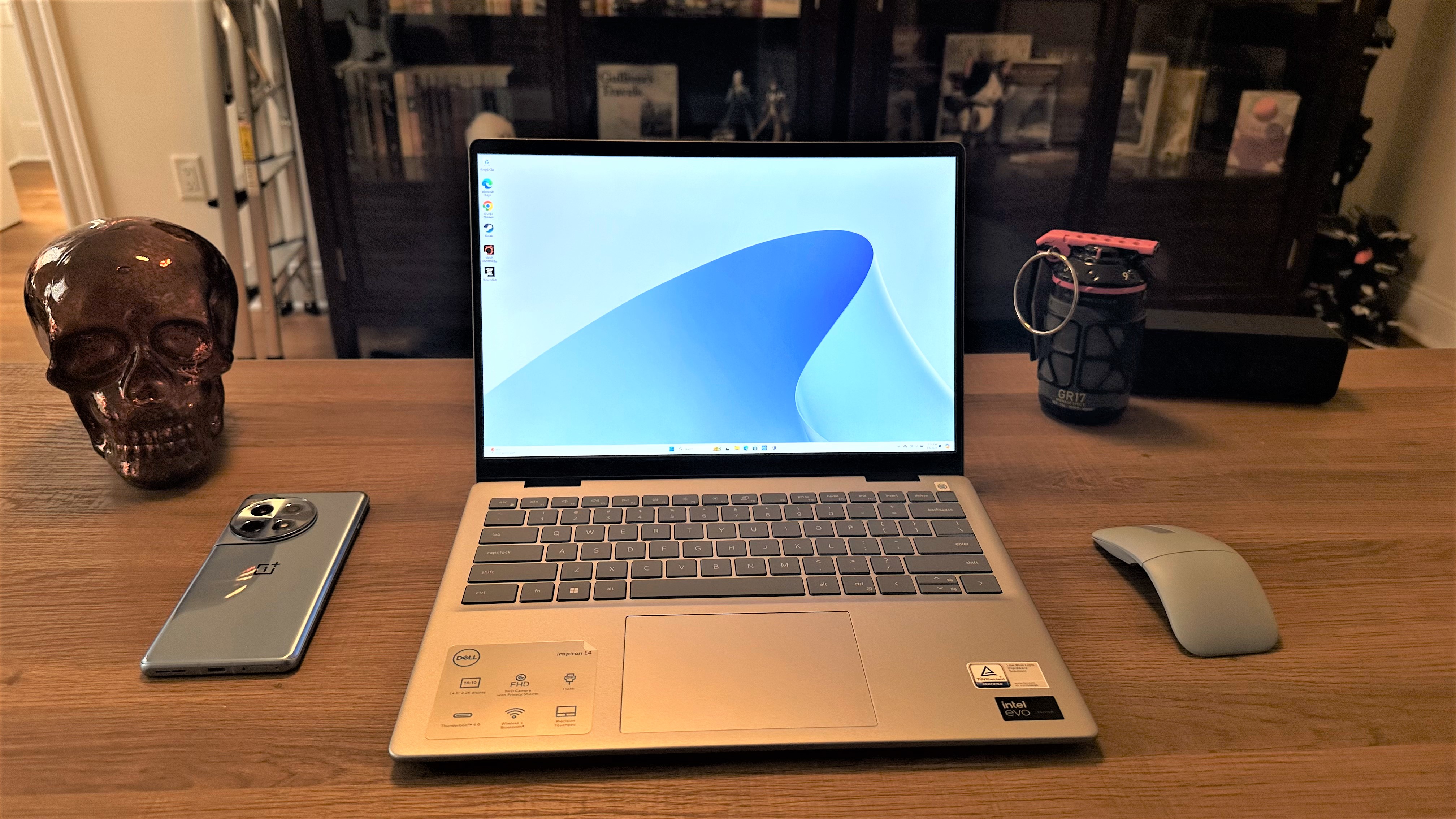
Finally, the "Dell Pro Max" series (formerly Precision) represents Dell’s workstation-class laptops, built for intensive professional applications. These machines, tiered as "Dell Pro Max," "Dell Pro Max Plus," and "Dell Pro Max Premium," start around $1,300 and can exceed $4,000 for high-end configurations. They are engineered for professionals requiring extreme processing power for tasks such as 3D graphics rendering, scientific simulations, and advanced video production.
Frequently Asked Questions
Q: Are Dell laptops suitable for gaming?
A: While Dell’s Alienware brand is specifically dedicated to high-performance gaming, several Dell-branded laptops also cater to gamers. The Dell G16 (7630), for instance, is a highly recommended budget gaming laptop. For specific models, it is advisable to consult detailed reviews, as Laptop Mag includes a dedicated gaming section in all its laptop evaluations to assess performance with various titles.
Q: Do Dell laptops come pre-installed with Microsoft Office?
A: Dell laptops typically do not include a full, perpetual license for Microsoft Office software. While a trial version, often part of Microsoft 365, may be pre-loaded, users will need to purchase a subscription or license for continued use of the software suite.
Q: Are Dell laptops a good choice for students?
A: Dell offers a wide range of laptops suitable for students, depending on their academic discipline and budget. For general studies, the "Dell" or "Dell Plus" lines (formerly Inspiron) are often excellent, affordable choices for everyday tasks like research, writing, and online learning. Students in fields requiring more intensive computing, such as engineering, programming, or film production, should consider the "Dell Premium" (formerly XPS) or "Dell Pro Max" (formerly Precision) series for their enhanced performance and capabilities.
Q: Where are Dell laptops manufactured?
A: Dell operates manufacturing facilities in various global locations across Europe, the Americas, and the Asia-Pacific region. Its primary U.S. facility is located in Austin, Texas, where the company was founded in 1984. Key international manufacturing and distribution hubs include facilities in Shanghai, Shenzhen, and Chengdu, China, as well as Limerick, Ireland, which are crucial for serving global markets outside the United States.
Rigorous Testing Standards: How Laptop Mag Evaluates Laptops
To provide reliable and comprehensive recommendations, Laptop Mag subjects each laptop to an extensive regimen of benchmark testing, combining both synthetic assessments and real-world usage scenarios. This rigorous process evaluates every critical aspect, including overall performance, battery life, display quality, audio output, and thermal management.
For display analysis, a Klein K10 colorimeter is used to precisely measure screen brightness (in nits) and DCI-P3 color gamut coverage, providing objective data on visual fidelity. Performance testing involves a suite of industry-standard benchmarks, such as Geekbench 6 for CPU performance and 3DMark for professional graphics capabilities. To gauge real-world performance, laptops undergo tests like converting a 4K video to 1080p resolution using Handbrake and duplicating a 25GB file to assess SSD transfer speeds. Gaming performance is evaluated using popular titles such as Sid Meier’s Civilization VI: Gathering Storm at 1080p (Medium settings) and, for dedicated gaming laptops, more demanding titles like Red Dead Redemption 2, Assassin’s Creed Mirage, Shadow of the Tomb Raider, Borderlands 3, and Far Cry 6. Thermal performance is monitored by running a 15-minute full-screen video and measuring surface temperatures to ensure comfortable operation.
Battery life is determined by continuously web surfing over Wi-Fi at 150 nits of brightness. For Windows 11 laptops, a runtime exceeding 10 hours is considered commendable, while gaming laptops and workstations that can maintain power for more than 5 hours receive particular praise given their higher power demands.
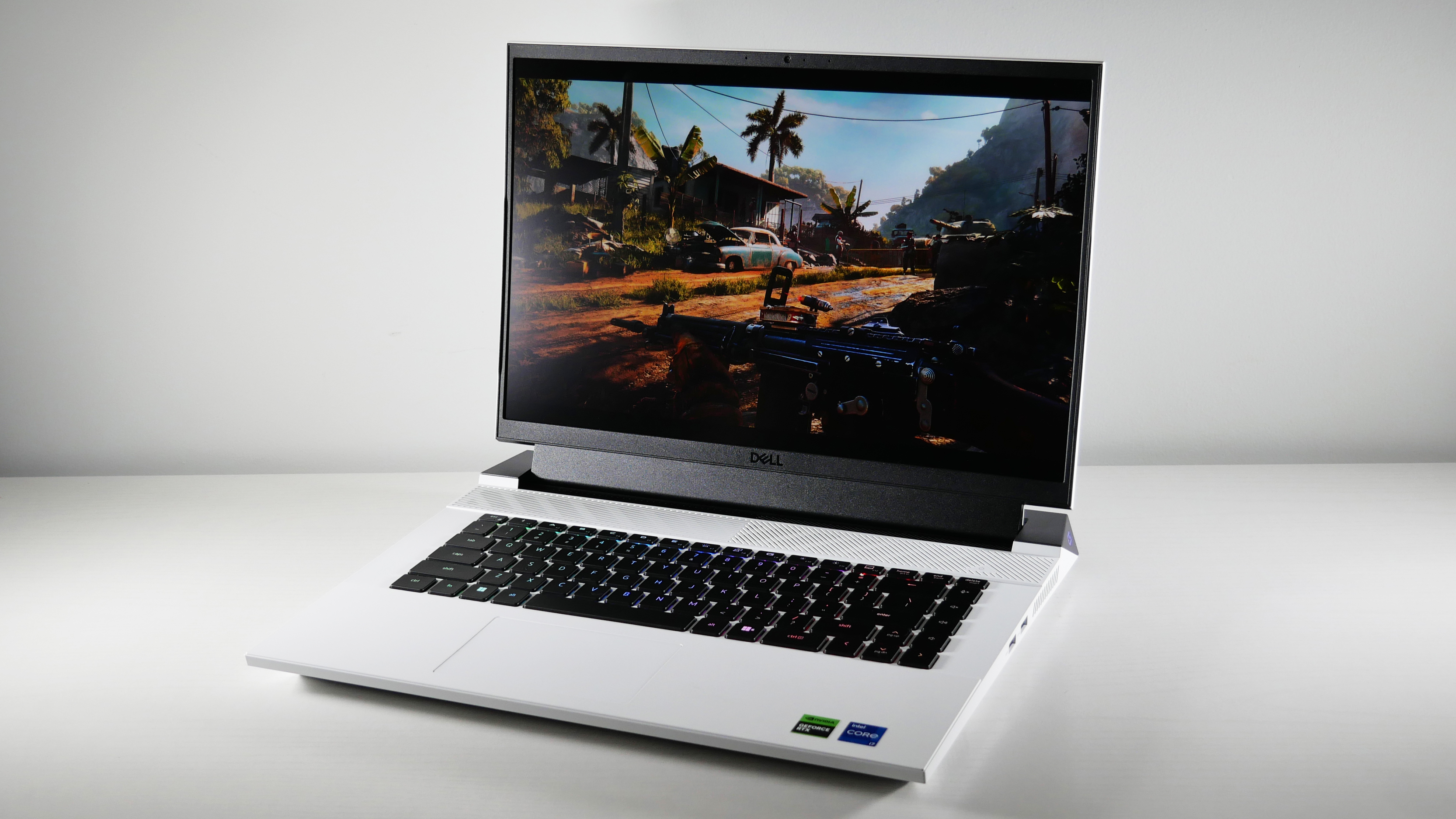
Following these detailed lab tests, each laptop is then entrusted to Laptop Mag‘s team of expert reviewers for extensive hands-on evaluation. Reviewers integrate the laptop into their daily workflow for several days, gaining a deep understanding of its real-world performance, usability, and overall hardware and software experience. This integrated approach, combining objective lab data with subjective real-world insights, enables Laptop Mag to deliver clear, comprehensive, and trustworthy reviews to its readership.
Why Trust Laptop Mag
With three decades of experience, Laptop Mag has established itself as a leading authority in technology product reviews. The publication reviews over a hundred laptops annually, spanning everything from ultra-portable devices to powerful workstations and high-performance gaming notebooks. Beyond laptops, its expertise extends to smartphones, tablets, headphones, PC accessories, and software, ensuring a holistic understanding of the tech ecosystem. As a wholly independent publication and a specialist within Future Publishing, one of the world’s largest technology publishers, Laptop Mag operates with unrivaled experience and editorial integrity. Its commitment to meticulous testing and expert hands-on evaluation ensures that consumers can make informed purchasing decisions with confidence.
In conclusion, Dell remains a formidable force in the laptop market, consistently delivering a diverse range of products that meet various consumer and professional demands. The company’s strategic rebranding for 2025, while a significant shift, aims to simplify its offerings and enhance user clarity. With a strong lineup of current models excelling in areas like performance, battery life, and display quality, coupled with a clear vision for its future product hierarchy, Dell is well-positioned to continue its legacy as a leading innovator in personal computing.