World of Warcraft Forever Introduces a $30 Playable Race, Sparking Industry-Wide Debate Over Modern MMO Monetization

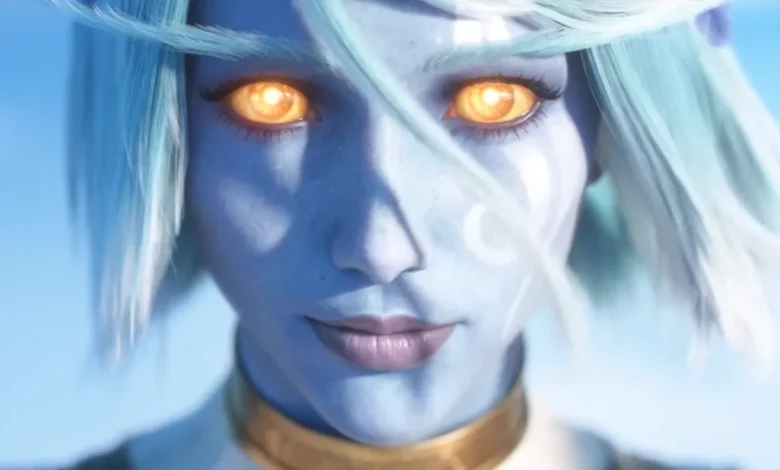
The announcement of World of Warcraft: Forever has introduced a complex economic model to Blizzard Entertainment’s storied massively multiplayer online role-playing game (MMORPG) ecosystem. While the core experience of the new game version is included within the standard monthly subscription fee, specific high-value additions—most notably the new Skyborne Elf playable race and its dedicated starter zone—are locked behind a standalone $29.99 purchase known as the "Skyborne Hero Pack." This pricing strategy has triggered widespread discussion across the gaming community regarding the evolving cost of digital content, live-service monetization structures, and the boundaries of subscription-based gaming models.
Background Context of World of Warcraft: Forever
World of Warcraft: Forever represents Blizzard Entertainment’s latest initiative to engage its massive player base by offering a distinct, curated progression or alternative ruleset experience. Over the years, World of Warcraft has expanded beyond its original retail framework through successful iterations such as World of Warcraft Classic, Hardcore realms, and seasonal iterations like Season of Discovery.
These projects are generally designed to recapture specific eras of gameplay or offer novel ways to experience Azeroth while remaining tethered to the overarching subscription model. Typically, subscribers gain access to these alternate modes simply by maintaining their recurring monthly fee. However, the introduction of Forever departs slightly from this tradition by segmenting specific character customization options and narrative entry points into a premium tier, signaling a potential shift in how Blizzard intends to monetize content updates that fall outside major, traditional expansion cycles.
Chronology of the Controversy and Pricing Reveal
The monetization structure came to public light following investigative reports by industry outlets such as MMORPG.com, which detailed the contents of the official Battle.net store page for World of Warcraft: Forever.
- Initial Discovery: Data miners and industry reporters identified discrepancies between subscription-included content and the promotional material for the Skyborne race.
- Store Listing Confirmation: Blizzard Entertainment officially listed the "Skyborne Hero Pack" at $29.99, outlining its contents ahead of the official launch rollout.
- Community Reaction: Within hours of the listing, threads on Reddit, official forums, and community Discord servers began dissecting the value proposition of the bundle.
- Industry Analysis: Gaming journalists and commentators began comparing the pricing model against recent industry trends in live-service games, downloadable content (DLC), and historical expansion pricing.
Breakdown of the $29.99 Skyborne Hero Pack
While consumer discourse has heavily focused on the inclusion of the Skyborne Elf race, the bundle itself comprises several digital items intended to justify the $29.99 price point. According to official Blizzard product descriptions, the Skyborne Hero Pack includes:
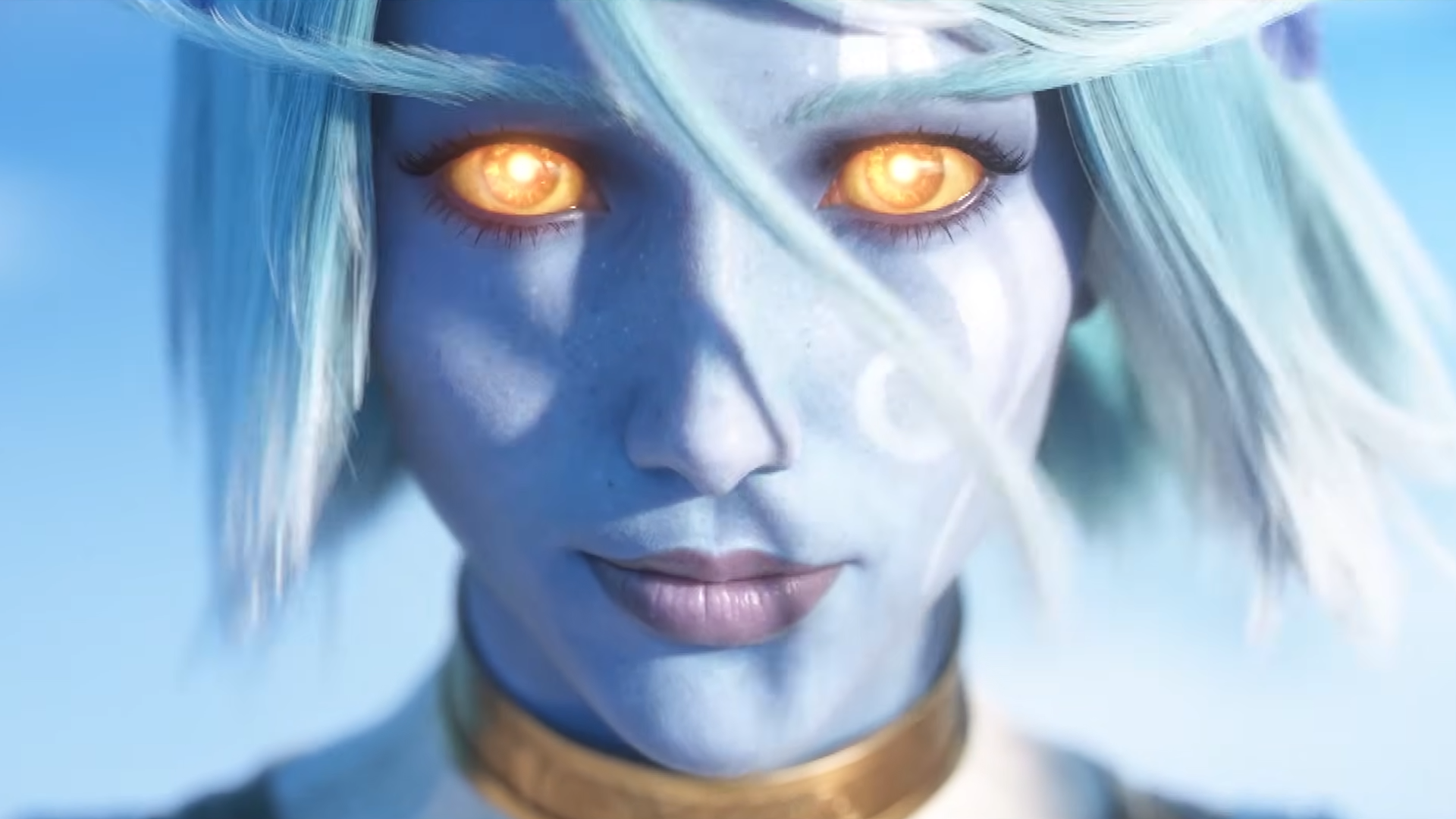
- Playable Race Access: Permanent account access to create characters of the new Skyborne Elf race, complete with their unique racial traits and introductory leveling zone.
- Exclusive Mount: A specialized flying mount tailored to the aesthetic theme of the Skyborne faction.
- Cosmetic Transmogrification Gear: Character armor skins designed to match the visual motifs of the new race.
- Player Housing Decorations: Digital assets and furnishings for the game’s housing system themed around Skyborne culture.
- Early Name Reservation: The ability to secure character names for the new race prior to the official public launch.
Comparative Market Analysis and Industry Standards
The decision to price a single playable race at $30 has prompted economic comparisons across the broader video game industry. In the context of modern live-service titles—such as tactical shooters, battle royales, and character-driven multiplayer games—spending $20 to $40 for cosmetic bundles, battle passes, or individual hero unlocks has become a standard industry practice. For instance, games like Overwatch, League of Legends, and Diablo routinely price high-tier cosmetic packages and early access incentives within a similar financial bracket.
Conversely, when evaluated against traditional single-player titles or indie releases on digital storefronts like Steam, a $30 price tag can purchase complete games with dozens of hours of standalone content. Historically, within the MMORPG genre, a $30 investment has often historically represented the cost of major, full-scale content patches or fractional contributions toward a full expansion pack. Blizzard’s most recent major retail expansions, by comparison, have retailed at a Manufacturer’s Suggested Retail Price (MSRP) of $50 or higher for standard editions, scaling up significantly for collector’s bundles.
Expert Perspectives and Developer Implications
Industry insiders and long-standing community analysts have raised questions about the precedent this pricing sets for future World of Warcraft content. Observers note that if separate monetization for character races and classes proves financially successful within the Forever framework, similar pricing models could potentially migrate to other iterations of the franchise.
Critics argue that charging extra for fundamental gameplay features—such as character races and starting zones—strains the traditional value proposition of a monthly subscription model, which historically entitled players to all playable character options introduced during that service period. Proponents of the model, however, suggest that optional cosmetic and convenience bundles help fund ongoing development and server infrastructure for niche game modes without raising the baseline subscription fee that players have paid for two decades.
Broader Impact on the Live-Service Ecosystem
The reception of the Skyborne Hero Pack highlights a central tension in contemporary game design: the balance between rising development costs and consumer resistance to microtransactions. As development studios face escalating expenses to produce high-fidelity art assets, voice acting, and complex engine updates, traditional revenue streams like monthly subscriptions are frequently supplemented by targeted, premium add-ons.
Whether the $30 Skyborne Elf will serve as a commercial success or a cautionary tale for Blizzard will ultimately be determined by adoption rates among the player base. As live-service economies continue to evolve, the gaming public remains deeply engaged in negotiating the fair market value of digital goods, ensuring that pricing strategies for expansions, races, and cosmetics will remain a focal point of industry analysis for the foreseeable future.
Related posts: