Boulies Master Rex (2026) Review: An Understated Ergonomic Contender for the Modern Workspace

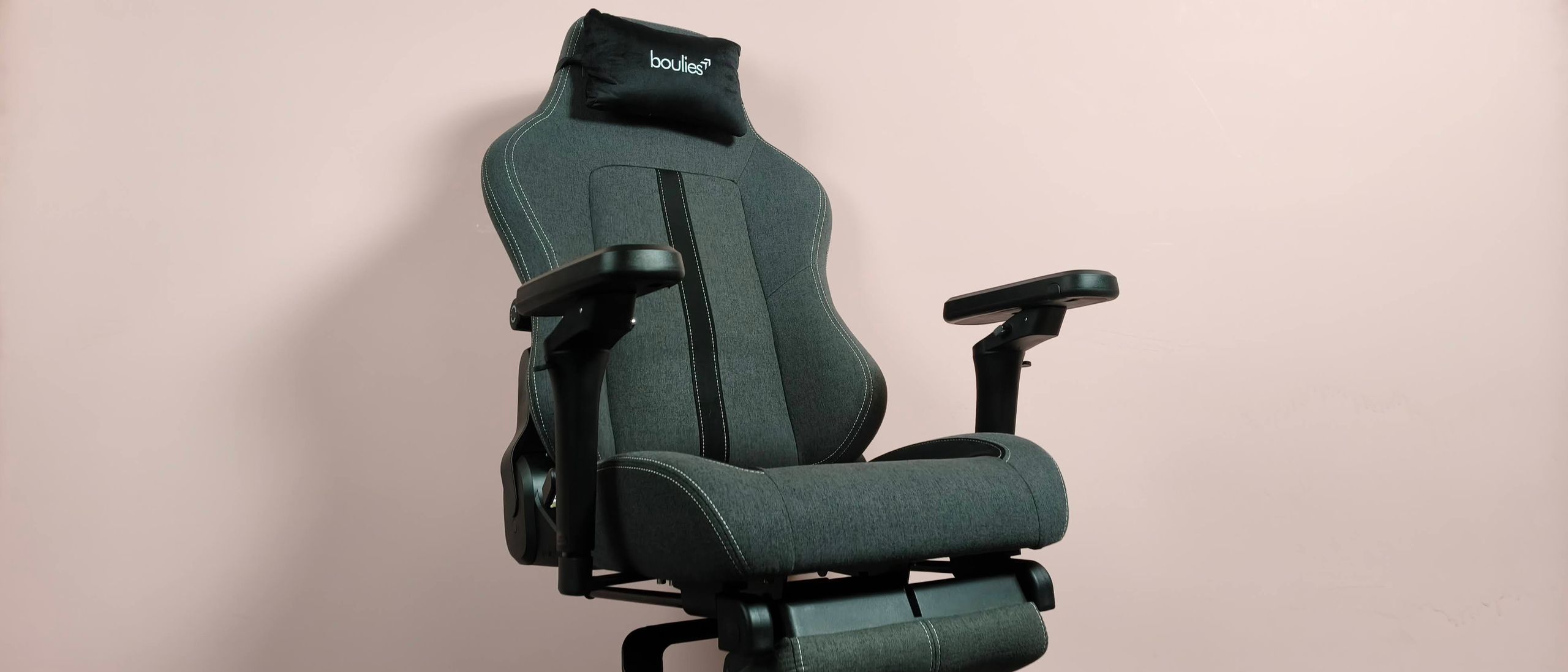
The global market for ergonomic seating has experienced a significant shift over the past half-decade, driven largely by the remote work revolution and the continued mainstreaming of competitive and casual PC gaming. Consumers are increasingly demanding multi-purpose furniture that bridges the aesthetic gap between corporate professionalism and long-term ergonomic health. Entering this competitive landscape is the Boulies Master Rex (2026), the latest iteration of the manufacturer’s flagship seating line. Priced at $479.99 / £409.99 (approximately AU$670), the chair aims to capture budget-conscious consumers who refuse to compromise on advanced adjustability features typically found in premium, higher-priced alternatives.
Design Evolution and Material Quality
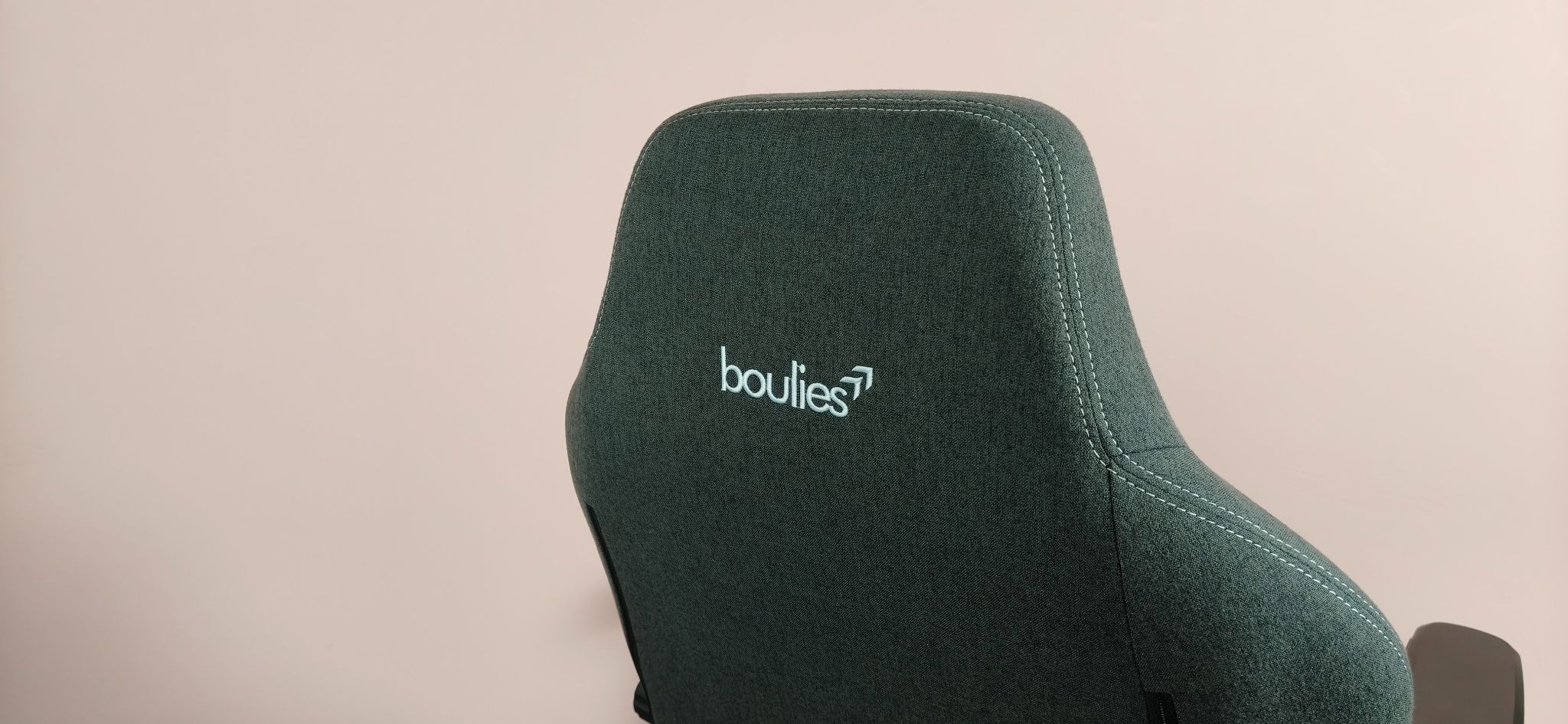
Unlike the loud, neon-accented aesthetics that dominated the gaming chair market during the late 2010s, the Boulies Master Rex (2026) opts for a much more subdued, utilitarian presentation. Available in fabric and polyurethane (PU) leather variants, with muted color options including dark gray, black, and green, the chair is consciously designed to blend seamlessly into traditional home offices or corporate environments. The review unit’s dark gray fabric finish demonstrates a high standard of textile manufacturing, offering a soft-to-the-touch experience completely devoid of the abrasive scratchiness common in lower-tier budget offerings. Precision stitching reinforces the seams, while subtle suede patches add minor textural contrast without detracting from the professional veneer.
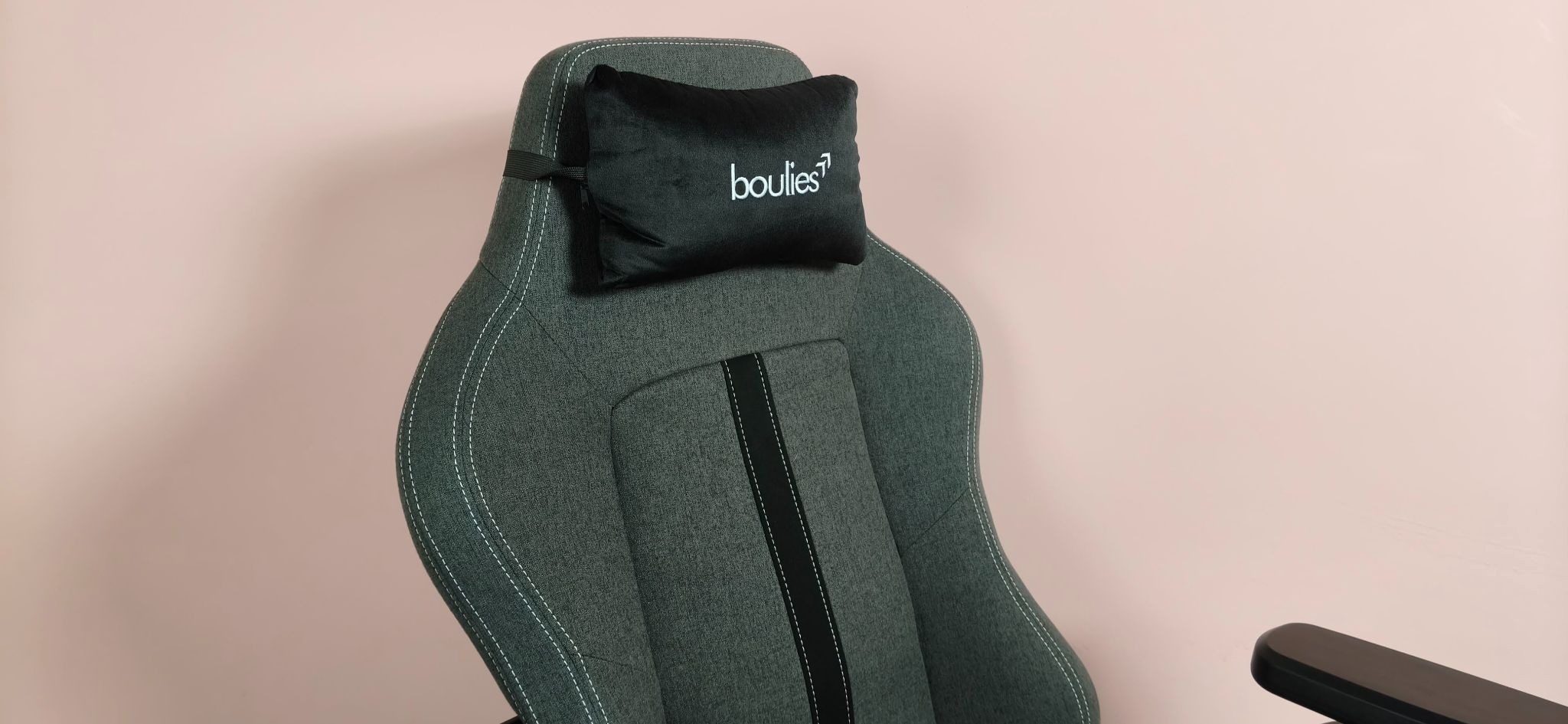
Beneath the upholstery, the foundational architecture relies on a sturdy metal wheelbase featuring curved spoke edges designed to mitigate accidental impact injuries to the user’s heels—an incremental safety and comfort upgrade over the plastic bases frequently supplied by competitors in this price bracket. However, the construction choices are not universally praised. The newly introduced 6D armrests feature components constructed from a lower-grade plastic, exhibiting noticeable mechanical play and lateral wobble when manipulated, though they fortunately remain stable under standard, weighted use. Furthermore, the included head pillow eschews modern magnetic attachment mechanisms in favor of a traditional elastic strap, featuring a relatively sparse internal foam fill that feels slightly dated compared to innovations from rival brands.
Ergonomics, Adjustability, and the 6D Armrest System
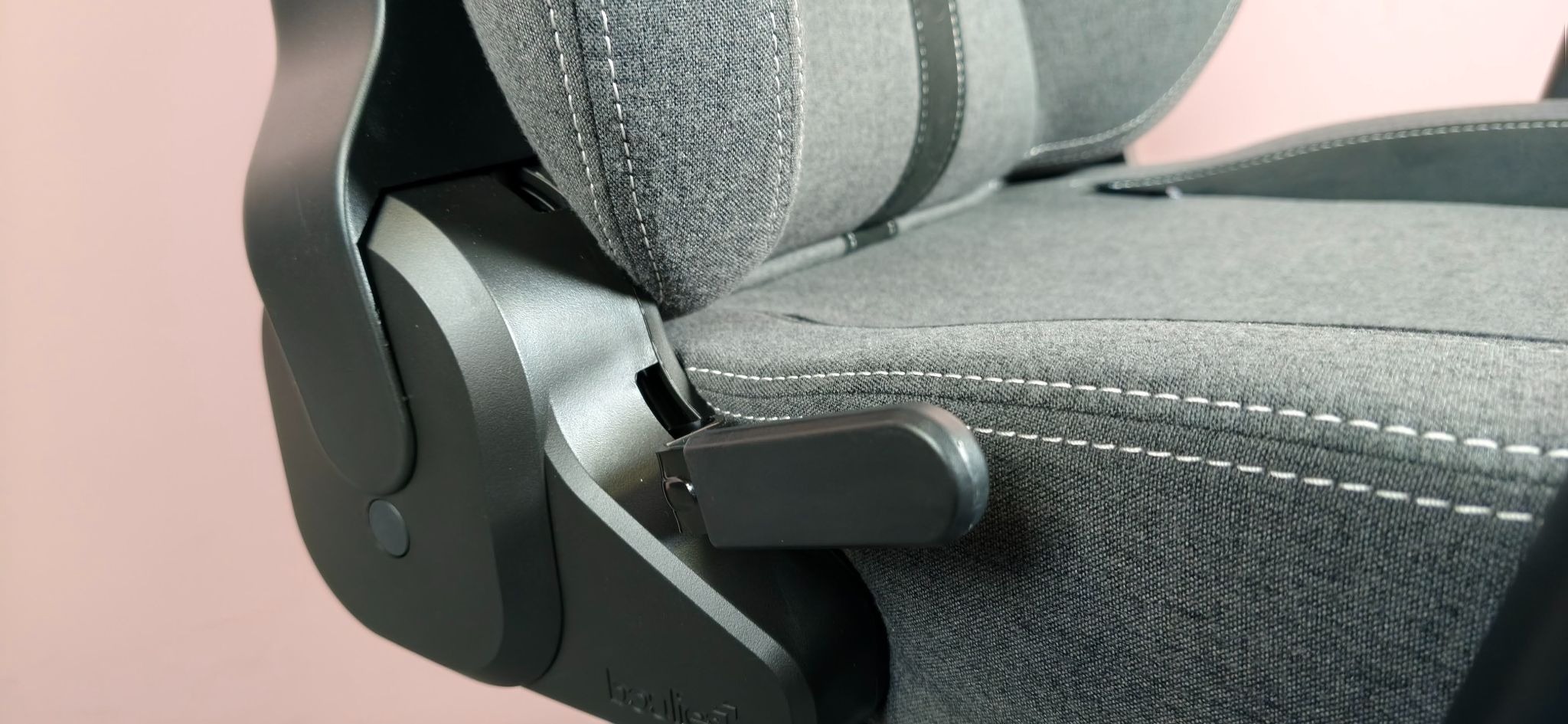
Ergonomic performance remains the primary metric by which high-end office and gaming chairs are judged, and the Master Rex presents a mixed array of functional successes and design oversights. The seating surface itself utilizes high-density cold-cured foam, though it is noticeably firmer than its predecessor. The front edge features a prominent, upward-curving lip designed to keep posture locked, but this structural contour can dig uncomfortably into the underside of the thighs for certain body types during extended sessions.
Dimensionally, the chair caters primarily to users of average stature. Boulies officially recommends the Master Rex for individuals up to 5 feet 11 inches in height and supporting a maximum weight capacity of 243 lbs (110 kg). Taller users may find both the maximum height adjustment and the relatively short 29.9-inch backrest restrictive.
The standout engineering feature of the 2026 model is its proprietary 6D armrest system. Utilizing a dual-pivot mechanism, these armrests allow for 360-degree rotation across two independent axes. This offset configuration enables users to fine-tune not only the height and lateral distance of the armrests, but also their forward extension relative to the desk. Despite this extensive versatility, the implementation has limitations. The tilt function operates on a binary toggle rather than smooth increments, forcing a choice between flat and a steep upward angle that limits its practical utility.
Integrated Features and Assembly Challenges
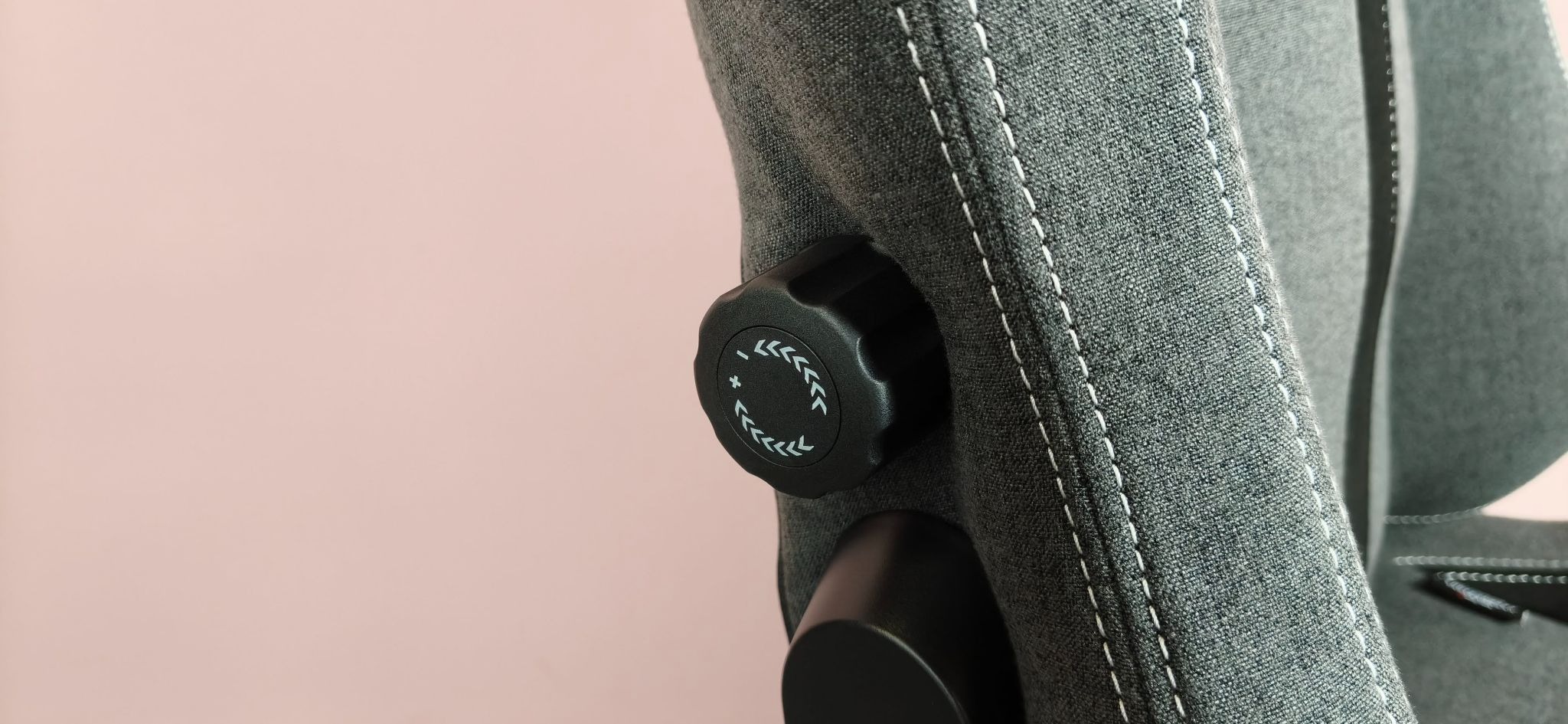
Reflecting modern industry trends, the Master Rex integrates an internal lumbar support system adjustable via dual dials located on either side of the backrest. While this eliminates the need for a separate, easily misplaced lumbar cushion, the mechanical execution leaves room for improvement. Both the height and prominence adjustments require an excessive number of full rotations to achieve a noticeable shift, testing user patience during initial setup. The height range of the lumbar bar is also restricted, failing to drop low enough to properly support lower-back curves for shorter users.
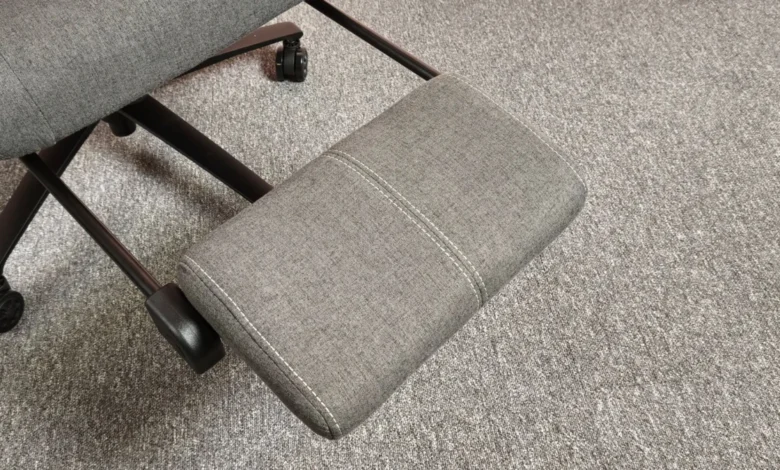
For moments of relaxation, the chair incorporates a reclining backrest capable of moving back to 165 degrees, matching the maximum angles of more expensive market benchmarks like the Secretlab Titan Evo. A built-in rocking mechanism is also included, though resistance is notably stiff even when loosened to its maximum threshold, requiring deliberate physical effort to rock backward from a neutral upright position. Additionally, a pull-out, flip-style retractable footrest is housed beneath the seat base. While adequately cushioned, its limited extension means it typically supports the user’s calves rather than providing full foot support.
Assembling the Boulies Master Rex (2026) is largely straightforward, aided by clear instructions and well-labeled components. However, the process hits a significant ergonomic snag during the installation of the heavy tilt mechanism block onto the seat base frame. The assembly requires four loose plastic gaskets to sit precisely between the block and the frame. These spacers are exceptionally prone to displacement at the slightest touch, frequently sliding out of alignment and falling into the chair’s internal webbing during overhead alignment. This overly fiddly design choice contrasts sharply with the tool-free or simplified bracket systems pioneered by competing manufacturers.
Market Positioning and Competitive Landscape
Priced at $479.99 / £409.99, the Boulies Master Rex (2026) occupies a fiercely contested middle tier in the global ergonomic furniture market. It undercuts heavyweights such as the Razer Iskur V2 NewGen, which retails significantly higher while omitting features like an integrated footrest and advanced multi-directional armrests. At the same time, it competes directly with foundational industry standards like the Secretlab Titan Evo. While Secretlab offers superior build quality, a five-year warranty compared to Boulies’ two-year coverage, and premium magnetic accessories, it commands a higher base price and similarly lacks a built-in footrest.
For consumers seeking extensive adjustability, professional aesthetics, and built-in leg support without breaching the $500 threshold, the Boulies Master Rex (2026) presents a compelling value proposition. However, potential buyers—particularly those at the taller end of the recommended height limit or those sensitive to firm seating surfaces—should weigh its minor mechanical quirks and assembly frustrations against its extensive feature set before making an investment.