Motorola Signature 27 officially confirmed for North American launch as flagship revival takes shape

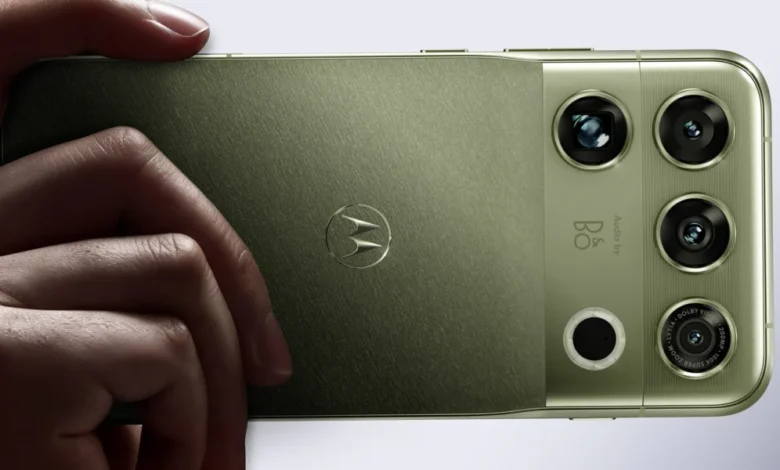
The Motorola Signature 27, a device that has been the subject of intense industry speculation following its preliminary reveal at the annual Snapdragon Summit, is officially slated for a North American release. After years of focusing primarily on the mid-range and foldable segments within the United States market, Motorola has confirmed that the Signature 27 will serve as its re-entry into the premium flagship space. The company issued a formal statement to media outlets confirming that the device will join its North American smartphone portfolio in the coming months, signaling a strategic shift in the manufacturer’s competitive positioning.
The Technical Foundation of the Signature 27
At the core of the Motorola Signature 27’s value proposition is its utilization of the Snapdragon 8 Elite Extreme Gen 6 processor. This chipset represents the latest iteration of Qualcomm’s mobile architecture, designed to handle high-demand tasks ranging from generative artificial intelligence processing to sustained gaming performance. By selecting this silicon, Motorola is aiming to challenge established flagships from Samsung and Google, which currently dominate the high-end Android market.
Beyond raw processing power, the device promises a commitment to long-term software viability. Motorola has pledged seven years of software updates for the Signature 27. This shift in policy mirrors industry trends established by Google’s Pixel 8 and 9 series and Samsung’s Galaxy S24 lineup, which have moved to extend the functional lifespan of devices to maintain security and feature parity for the better part of a decade. For the consumer, this indicates that the Signature 27 is intended to be a long-term investment rather than a disposable biannual upgrade.
A Chronology of the Flagship Return
The path to the Signature 27 has been marked by a noticeable absence of true "tier-one" flagship hardware from Motorola in the US market. Historically, the brand’s US presence was defined by the Moto G series and, more recently, the Razr foldable line. While the Razr occupies a premium price bracket, it serves a specific niche, leaving a gap for a conventional "slab" smartphone that competes with the top-tier hardware found in the Galaxy S or Pixel Pro series.
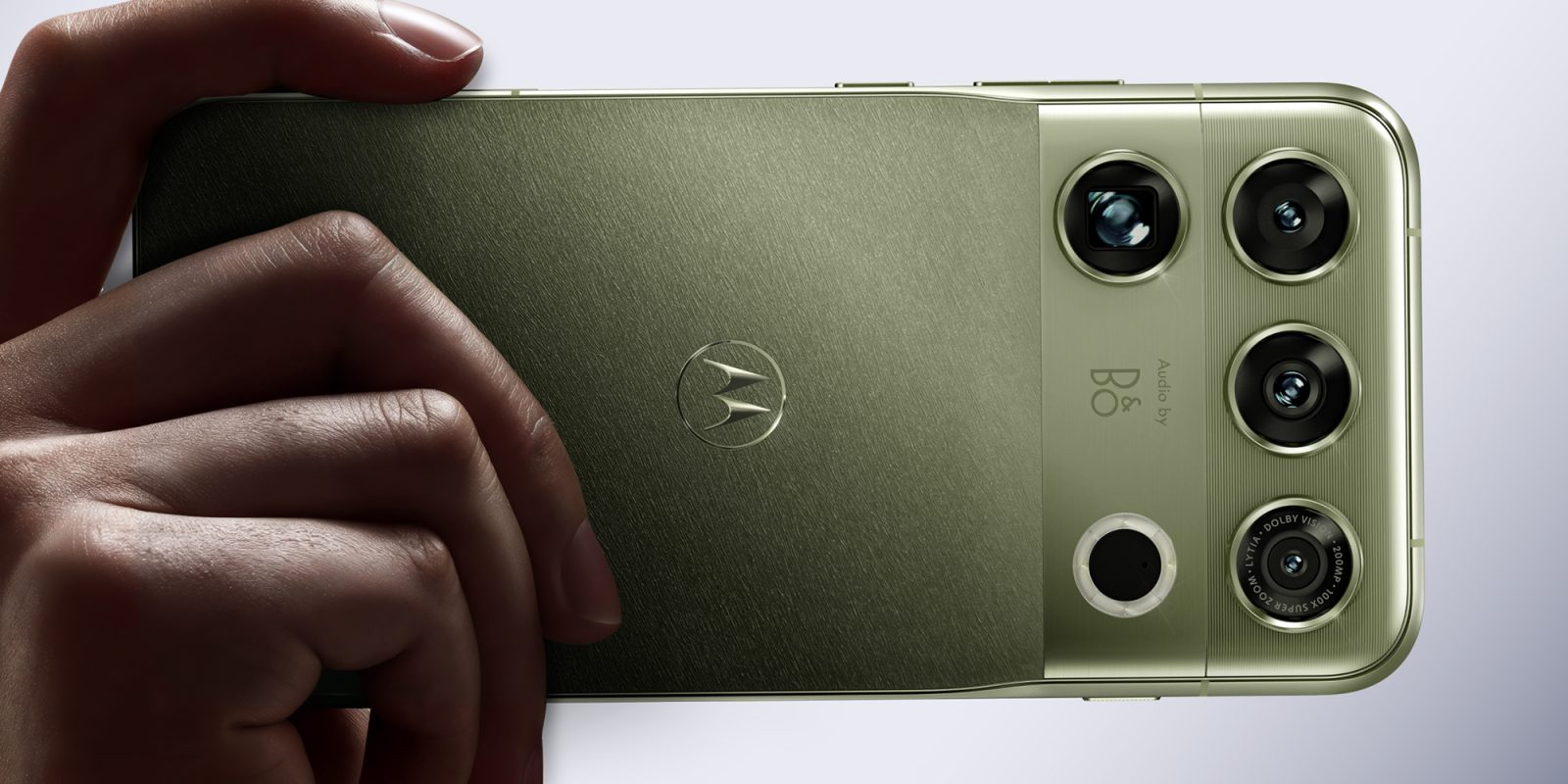
The sequence of events leading to this announcement began at the Snapdragon Summit, where Qualcomm unveiled the hardware that would power the next generation of mobile devices. Motorola’s tease at the event acted as a precursor to the formal confirmation provided this week. By tying its product roadmap to the release cycle of the Snapdragon 8 Elite, Motorola is aligning itself with the industry standard for high-performance mobile devices, ensuring that when the Signature 27 hits shelves, it will be competing with the most current technological benchmarks available.
Strategic Partnership: Bang & Olufsen Integration
A significant component of the Motorola Signature 27’s market differentiation is a newly announced, multi-year partnership with the Danish audio electronics manufacturer Bang & Olufsen. This collaboration is framed by both companies as an attempt to elevate the auditory experience of mobile devices beyond the standard hardware optimizations typically seen in the smartphone industry.
According to the official joint statement, the partnership is not merely a branding exercise or a simple audio tuning agreement. Instead, it is described as an integration of Bang & Olufsen’s acoustic engineering expertise directly into the product development cycle. The companies have committed to embedding "Audio by Bang & Olufsen" across various software layers, including specialized sound modes, refined user experiences, and a broader ecosystem of interconnected devices.
For Bang & Olufsen, this represents a continued foray into mobile integration, following previous partnerships in the automotive and home audio sectors. For Motorola, the partnership serves as a crucial marketing differentiator, positioning the Signature 27 as a luxury-adjacent device that prioritizes sensory quality as much as raw computational power.
Market Implications and Competitive Analysis
The decision to re-enter the US flagship market is a calculated risk for Motorola, a brand currently owned by Lenovo. While Motorola has seen consistent success in the mid-range segment, the US flagship market is notoriously difficult to penetrate due to carrier exclusivity requirements and the entrenched loyalty of consumers toward Samsung and Apple.

Market analysts suggest that the "Signature" branding implies a desire to move upmarket, shedding the perception of being exclusively a budget or value-oriented provider. The success of this move will likely hinge on three key factors: pricing strategy, carrier distribution, and marketing execution.
- Pricing Strategy: If Motorola positions the Signature 27 at or near the $1,000 price point, it will go head-to-head with the iPhone 16 Pro and the Galaxy S25 (expected). It must offer a unique selling proposition—such as superior battery life, software stability, or the aforementioned audio integration—to justify the cost.
- Carrier Distribution: In the United States, the vast majority of flagship smartphones are sold through carrier contracts (Verizon, AT&T, T-Mobile). Motorola’s ability to secure prominent shelf space and promotional support from these carriers will be the primary determinant of the device’s sales volume.
- Software Experience: While the promise of seven years of updates is a necessary starting point, the quality of the software—specifically, the lack of bloatware and the speed of update deployment—will be scrutinized by the tech enthusiast demographic that Motorola is courting with this device.
The Shift Toward Longevity
The inclusion of seven years of support is indicative of a broader industry shift toward "sustainable hardware." Consumers are holding onto their devices for longer periods, with the average upgrade cycle in North America now extending past the 30-month mark. By providing long-term support, Motorola is acknowledging that the Signature 27 must remain relevant in 2030 or beyond. This move is also an environmental consideration, as longer support cycles help reduce the frequency of device turnover, aligning with corporate sustainability goals set by parent company Lenovo.
Looking Ahead
As Motorola prepares for the full debut of the Signature 27 in the coming months, the industry will be watching to see how the company balances its legacy brand identity with its new premium aspirations. The device represents a critical test case: can a brand that has spent years focusing on the mass market successfully pivot back to the ultra-competitive high-end space?
The inclusion of Bang & Olufsen tuning and the top-tier Snapdragon processor suggests a device that is being built with high-end consumers in mind. However, the final test will occur in the hands of the consumer. If the Signature 27 can deliver on its promise of performance, audio excellence, and long-term reliability, it may signal the start of a more competitive era in the US smartphone landscape, offering consumers a viable alternative to the current market duopoly.
The official launch date remains forthcoming, but the confirmation that the device is headed to North America is the most concrete evidence to date that Motorola is serious about reclaiming its position among the elite tier of mobile manufacturers. As the release window approaches, consumers and industry observers alike can expect further details regarding specific regional pricing, carrier availability, and the full feature set of the Signature 27.