WatchOS 27.3 Brings Major AI Upgrades, Live Rewind, and Siri Recap to Compatible Apple Watches

Apple Inc. is scheduled to release watchOS 27.3 to the general public next month, introducing a robust suite of artificial intelligence upgrades and audio intelligence features designed for modern wrist-worn computing. Following a comprehensive beta testing phase that began earlier this autumn, the forthcoming software update enhances the capabilities of the Apple Watch ecosystem through expanded language support, deeper integration with native applications, and novel contextual tools tailored specifically for recent hardware iterations. As wearable technology continues to transition from a health and fitness tracker into a sophisticated ambient computing assistant, watchOS 27.3 represents a critical milestone in Apple’s broader artificial intelligence strategy.
Main Facts and Core Feature Additions
The upcoming watchOS 27.3 update focuses heavily on refining the user experience through contextual intelligence and voice-driven automation. Among the most notable additions are profound upgrades to Siri AI, the introduction of an audio feature known as Live Rewind, and the debut of a local context-logging tool called Siri Recap.

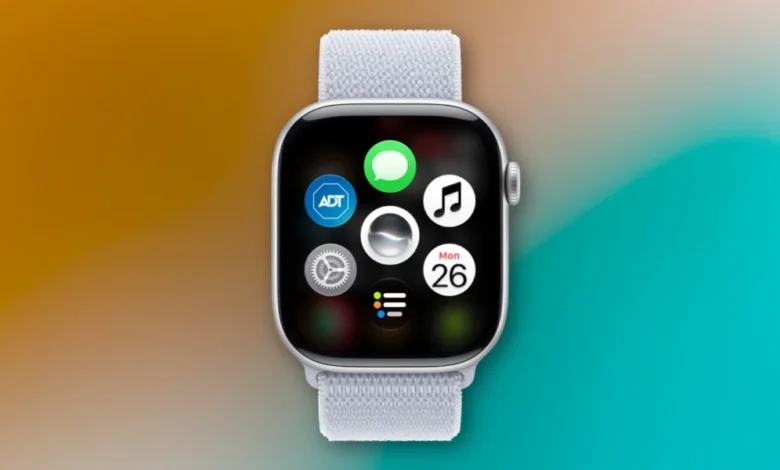
First, the core Siri AI architecture is expanding its utility across foundational watchOS applications. Users will notice deeper app actions within built-in programs such as Calendar, Mail, Maps, Messages, Music, Notes, Photos, and Weather. These enhancements allow the digital assistant to execute complex, multi-step queries and commands directly from the wrist without requiring the user to reach for an iPhone. Furthermore, Siri AI is extending its global reach by adding official language support for Traditional Chinese, Norwegian, Turkish, and Vietnamese, broadening the accessibility of natural language processing for millions of international users.
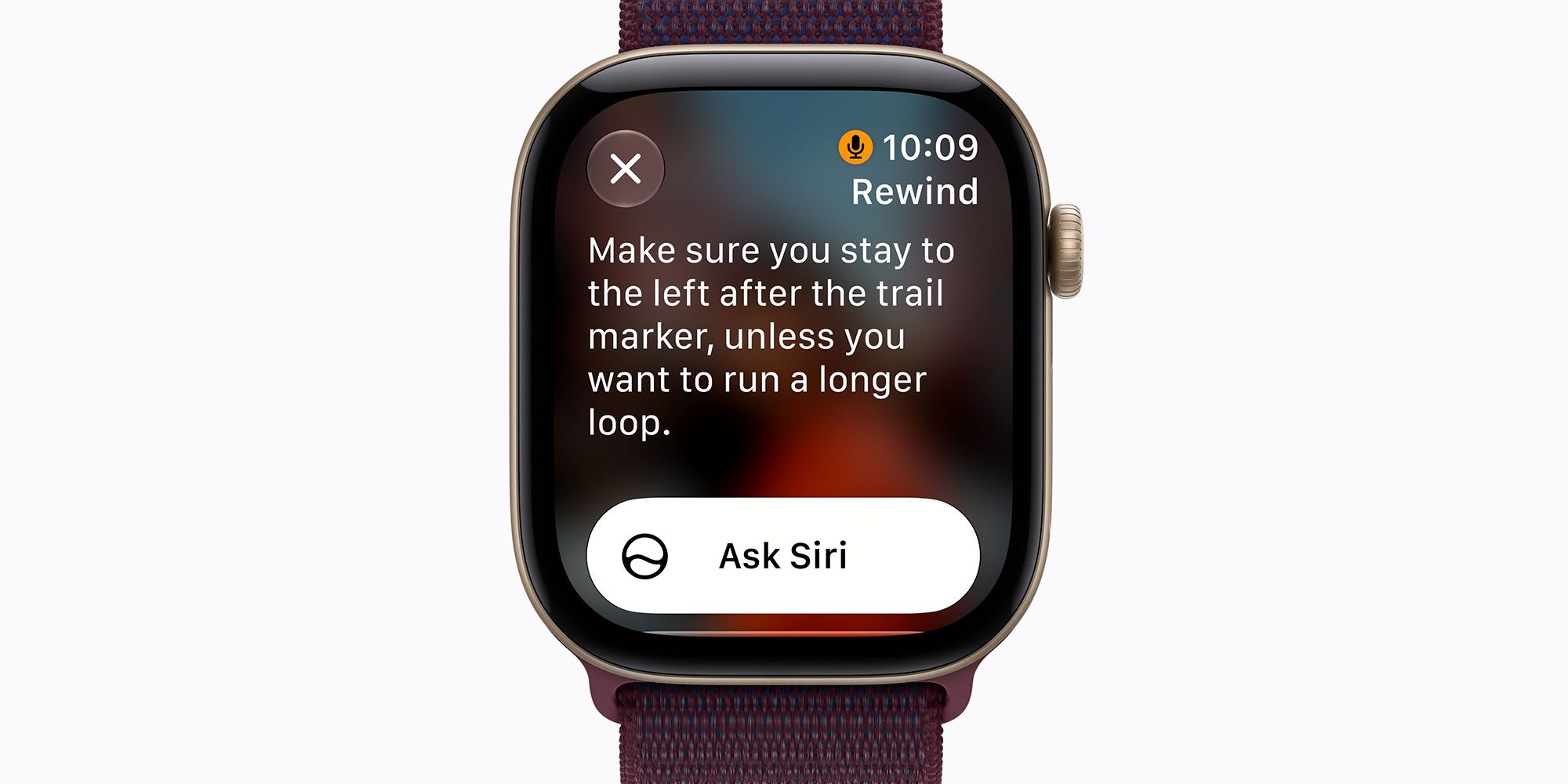
Second, the update introduces Live Rewind, an innovative Audio Intelligence feature exclusive to the newest Apple Watch models. According to official system documentation, Live Rewind allows the device to recall spoken audio from the preceding 15 seconds. By executing a double-press of the Digital Crown, the user is presented with a text snippet on their watch display, capturing dialogue that may have been missed or difficult to comprehend in noisy environments. Users can subsequently query Siri regarding the contents of the snippet or archive the text directly into the native Siri application for future reference.
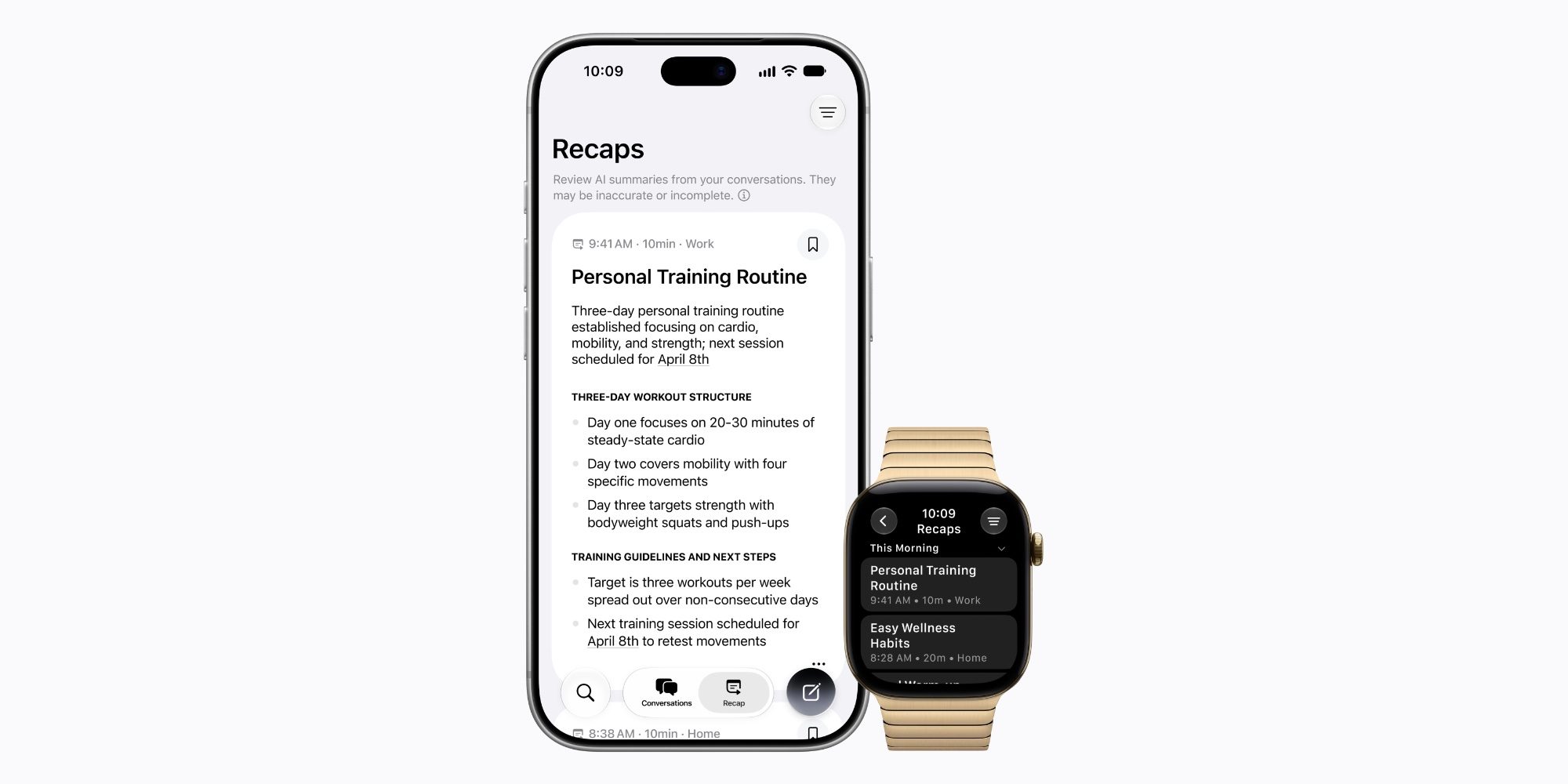
Third, watchOS 27.3 rolls out Siri Recap, a powerful yet privacy-focused journaling tool that operates exclusively on high-end hardware, namely the Apple Watch Series 12 and the Apple Watch Ultra 4. Disabled by default out of privacy considerations, Siri Recap generates automated chronological logs of daily interactions and contextual events. While designed to be ephemeral—automatically deleting data after a seven-day retention period unless explicitly saved—the feature provides a reliable fallback for recalling specific details from everyday conversations and engagements.

Chronology and Development Timeline
The path to watchOS 27.3 reflects Apple’s structured and iterative software deployment methodology. The foundational operating system, watchOS 27, was officially unveiled to the public in September alongside the launch of the Apple Watch Series 12 and Apple Watch Ultra 4 hardware lineups. During the initial hardware demonstrations, Apple previewed several advanced machine learning capabilities, though certain sophisticated audio and context-retrieval features were held back for subsequent point releases to ensure system stability and battery optimization.
Throughout October, developer and public beta testing channels received early builds of watchOS 27.3. These preview versions allowed engineers to stress-test the expanded Siri app actions and evaluate the processing overhead of resource-intensive tools like Live Rewind and Siri Recap. Feedback gathered from the developer community during this beta cycle proved vital in refining the power-management profiles of these on-device machine learning models, ensuring that the heavy computational load of speech-to-text processing and contextual synthesis did not compromise daily battery life.
The final rollout is scheduled for next month, aligning with Apple’s traditional cadence for minor-point software updates that deliver mid-cycle feature injections. Devices compatible with the update will receive notifications via the Watch app on paired iPhones, assuming automatic updates are enabled.
Hardware Segmentation and Technical Requirements
A critical dimension of the watchOS 27.3 release is hardware segmentation. While general software optimizations and the expanded Siri language models will roll out across a wide array of previously supported Apple Watch models, advanced machine learning features are strictly partitioned.
Features such as Live Rewind and Siri Recap demand significant on-device processing capabilities, necessitating the advanced neural engines found exclusively within the Apple Watch Series 12 and the Apple Watch Ultra 4. This technical divide underscores a growing trend in consumer technology, where software longevity is increasingly dictated by specialized silicon capable of running localized large language models and real-time audio transcription algorithms. Older hardware tiers will continue to receive security patches and general system updates, but advanced generative and conversational AI features will remain exclusive to the latest generation of devices.
Official Responses and Privacy Considerations
The introduction of audio-recollection features such as Live Rewind and Siri Recap has naturally sparked discussions surrounding privacy, consent, and surveillance in public spaces. Tech industry analysts and legal experts have noted that continuous background audio buffering—even if ephemeral and processed locally on the device—creates new precedents regarding data collection on wearable devices.
In response to potential consumer apprehension, Apple has maintained its strict stance on device-level data processing. The company emphasizes that features like Siri Recap and Live Rewind rely on on-device machine learning architectures rather than cloud-based server farms. By processing audio snippets and context logs locally, Apple ensures that sensitive conversations are neither uploaded to external servers nor used for advertising profiling. Furthermore, the mandatory opt-in requirement for Siri Recap and the automatic seven-day deletion protocol serve as structural safeguards designed to mitigate user privacy concerns.
Broader Impact and Industry Implications
The deployment of watchOS 27.3 signals a broader transformation in the smartwatch market. For years, the evolution of the Apple Watch was measured primarily by physical design changes, fitness tracking metrics, and biometric sensors such as electrocardiogram (ECG) and blood oxygen monitors. However, with hardware sensor suites reaching a high degree of maturity, manufacturers are increasingly turning to software intelligence as the primary differentiator.
By integrating contextual awareness, real-time transcription, and conversational automation into a device worn directly on the body, Apple is laying the groundwork for ambient computing. The ability to passively capture, summarize, and recall spoken interactions bridges the gap between digital memory and physical reality.

As competitors in the wearable technology space observe these developments, the industry is expected to accelerate its own investments in localized audio intelligence and generative AI assistants. For consumers, watchOS 27.3 offers a glimpse into the future of personal technology—one where the boundary between communication, memory, and computation continues to blur on the wrist.