The Evolution of the Internet of Things: Stacey Higginbotham Steps Down and Reflects on a Decade of Connected Technology

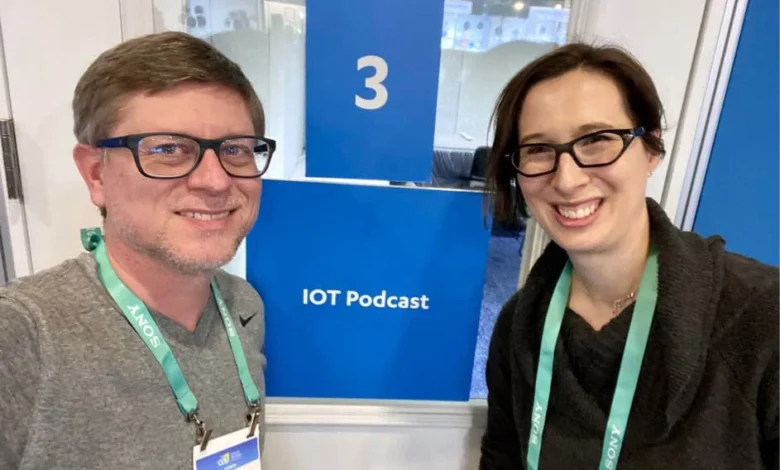
After more than two decades immersed in the relentless cycle of daily journalism, prominent technology analyst and journalist Stacey Higginbotham has officially ended her weekly Internet of Things (IoT) newsletter and podcast. Publishing her final installment on August 18, 2023, Higginbotham marked the conclusion of a significant chapter in tech media. Her departure closes a dedicated platform that tracked the rapid, often tumultuous expansion of connected devices, smart homes, and industrial automation. While the weekly broadcasts and newsletters have ceased, Higginbotham’s exit is not a total retreat from the tech ecosystem. Instead, it signals a strategic pivot toward consumer advocacy, cybersecurity consulting, and a much-needed respite from the burnout increasingly prevalent among chroniclers of the digital age.
The Chronology of an Independent Tech Voice
Higginbotham’s journey as an independent media publisher began in 2016. At the time, her decision to leave a prestigious, established post as a senior editor at Fortune magazine raised eyebrows across the media landscape. Traditional publishing offered institutional stability, a built-in audience, and substantial resources. However, Higginbotham envisioned a different path, driven by a burgeoning curiosity about the societal and technical shifts occurring as computing capabilities were embedded into everyday objects.
Launching her independent enterprise, she quickly built a loyal community of readers, listeners, and industry sponsors. Over the subsequent seven years, her weekly newsletter and podcast became essential listening for engineers, entrepreneurs, policy-makers, and consumers trying to make sense of the smart revolution. Her coverage spanned the initial hype of the Internet of Things—where everything from refrigerators to lightbulbs gained IP addresses—to the sobering realization of the security, privacy, and economic challenges those devices introduced.
Data and Market Realities of the IoT Landscape
To understand the weight of Higginbotham’s departure, one must examine the staggering growth and persistent vulnerabilities of the IoT market she covered for over a decade. When she began her independent venture in 2016, the global installed base of IoT devices stood at approximately 6.4 billion units. By 2023, that number had skyrocketed to an estimated 15.1 billion active connections worldwide, with projections anticipating more than 29 billion devices by 2030.
This exponential expansion, however, brought systemic challenges. Market researchers and cybersecurity firms have consistently flagged IoT devices as primary vectors for cyberattacks. According to various threat intelligence reports, connected devices often suffer from hardcoded passwords, infrequent firmware updates, and inadequate data encryption. Throughout her tenure, Higginbotham repeatedly turned her microphone and digital pen toward these systemic flaws, challenging manufacturers to prioritize consumer safety over rapid market penetration.
The Dark Side of Hyper-Connectivity: Surveillance, Subscriptions, and Burnout
Higginbotham’s farewell reflection did not shy away from the darker implications of the technology she spent years championing. From the earliest days of smart home coverage around 2012, she recognized a fundamental tension: while connected devices offered convenience, they simultaneously introduced layers of complexity and heightened risks of corporate and government surveillance.
As the market matured, the underlying business models underpinning connected hardware shifted dramatically. Companies moved away from one-time hardware purchases toward continuous monetization schemes, relying on pricey recurring subscription models and aggressive data harvesting practices. Consumers found themselves paying monthly fees to access basic features of devices they already owned, while their personal behavioral data was harvested and monetized.
Beyond the domestic sphere, Higginbotham documented how enterprise IoT and algorithmic management tools were deployed in workplaces to monitor employees, optimizing productivity metrics while pushing human labor to physical and psychological limits. Furthermore, while corporate environmental, social, and governance (ESG) initiatives increasingly funded smart infrastructure for carbon reduction and energy efficiency, Higginbotham frequently critiqued these efforts as surface-level "greenwashing" that failed to address foundational ecological challenges.
This accumulation of complex structural issues, coupled with the relentless pace of a 24/7 news cycle, eventually took a toll. Higginbotham candidly cited professional burnout and a growing cynicism toward the endless influx of early-stage startups and unviable research as primary drivers for her departure. This fatigue ultimately dulled her enthusiasm for genuine innovation, prompting her to step back to preserve her objectivity and passion for human ingenuity.
Industry Reactions and Transition to Consumer Advocacy
The announcement of Higginbotham’s departure elicited widespread response from across the technology sector, with engineers, fellow journalists, and industry veterans expressing gratitude for her rigorous, independent analysis. In an era dominated by superficial tech PR and uncritical gadget reviews, Higginbotham’s work stood out for its rigorous interrogation of privacy policies, interoperability standards, and corporate accountability.
Rather than exiting the technology sector entirely, Higginbotham is channeling her expertise into high-impact advocacy and research. She has taken on a specialized consulting role with the Consumer Reports Innovation Lab. In this capacity, she will focus directly on cybersecurity and consumer privacy issues inherent in connected devices—translating her years of investigative observation into actionable protections for everyday users. Additionally, she plans to contribute occasional essays to the Consumer Reports platform and maintain an active digital presence via Bluesky, while occasionally publishing independent newsletters when significant industry developments demand her unique perspective.
Broader Implications for Tech Journalism and the Future of IoT
Higginbotham’s exit highlights a broader structural crisis within independent tech journalism and specialized commentary. As the technology beat expands to encompass complex disciplines like artificial intelligence, biotechnology, cyberwarfare, and ubiquitous IoT, the cognitive load on individual journalists has grown exponentially. The economic models supporting deep, investigative trade journalism remain fragile, often forcing independent creators to choose between financial sustainability and exhaustive, high-integrity reporting.
Furthermore, her departure serves as a critical mirror for the IoT industry at large. The smart device market stands at a crossroads. As consumers grow increasingly fatigued by subscription fatigue, privacy violations, and security breaches, the industry must transition from a growth-at-all-costs mentality to a framework rooted in trust, longevity, and security by design.
By pivoting to Consumer Reports, Higginbotham is not abandoning the fight for a better digital future; rather, she is moving from the press box to the front lines of consumer protection. Her legacy remains a vital benchmark for how technology journalism should operate: rigorous, skeptical, deeply informed, and fundamentally centered on the well-being of everyday people navigating an increasingly connected world.