The Expanse: Osiris Reborn Enlists Dragon Age Architect David Gaider to Bolster Narrative Ambitions

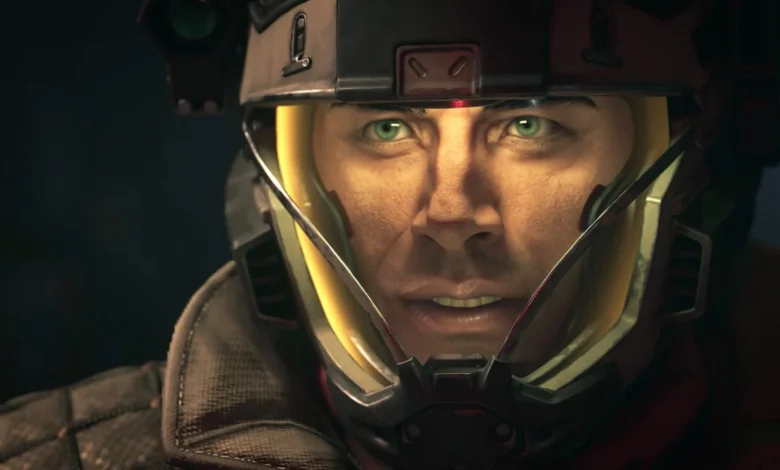
The development of The Expanse: Osiris Reborn, the latest interactive venture from Owlcat Games, has taken a significant creative turn with the announcement that David Gaider, the acclaimed former lead writer of the Dragon Age franchise, has joined the project. As the studio continues to refine the narrative framework of this ambitious sci-fi role-playing game, the integration of a veteran writer known for deep, character-driven storytelling signals a strategic effort to elevate the game’s dramatic stakes. This collaboration, while balancing Gaider’s ongoing commitments to his own studio, Summerfall Studios, represents a notable crossover of talent within the modern RPG landscape.
A Proven Narrative Architect Joins the Crew
David Gaider is widely recognized for his foundational role in shaping the identity of BioWare’s fantasy epics. During his lengthy tenure at the studio, he served as the lead writer for Dragon Age: Origins, Dragon Age 2, and Dragon Age: Inquisition. His work was instrumental in building the lore, culture, and political tensions of Thedas, establishing a standard for companion-driven narratives and complex world-building that remains a benchmark in the industry.
Following his departure from BioWare, Gaider founded Summerfall Studios, where he recently oversaw the development of Stray Gods: A Roleplaying Musical. His involvement in The Expanse: Osiris Reborn—a project centered on the gritty, high-stakes political environment of James S.A. Corey’s The Expanse universe—brings a high level of narrative pedigree to Owlcat Games. In a statement released via the social platform BlueSky, Gaider confirmed his participation, noting that his affinity for The Expanse series made the opportunity to contribute to its digital expansion an easy decision.
"Alongside my work at Summerfall, I’ve also been collaborating with the Owlcat Games team on The Expanse: Osiris Reborn, focusing on certain aspects of the game’s narrative," Gaider stated. He emphasized that the collaboration has been a positive experience, specifically highlighting the development team’s responsiveness to community feedback, which he views as a critical component of modern game development.
Responsiveness and the Evolution of the Protagonist
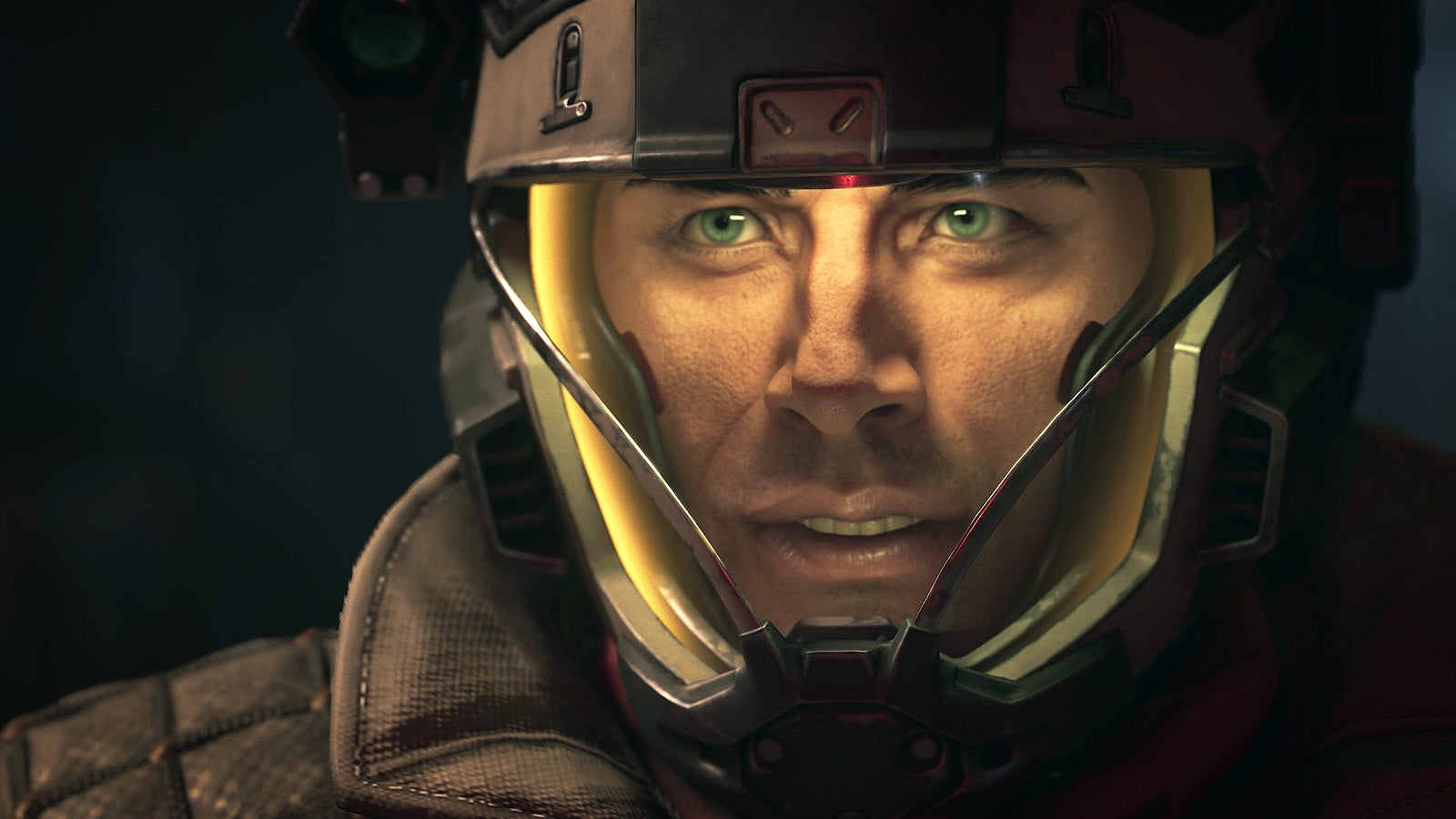
The collaborative nature of the project has been underscored by recent adjustments to the game’s core character design. Owlcat Games has demonstrated a commitment to community-led development by recasting the male version of the protagonist. This decision, intended to better align the character’s performance with the tone of the series, resulted in the casting of voice actor Blythe Melin to portray the Martian Captain.
This level of transparency and agility is rare in large-scale game development. By integrating expert narrative oversight from someone of Gaider’s caliber alongside a willingness to pivot based on player sentiment, Owlcat is attempting to mitigate the risks often associated with adapting established sci-fi intellectual properties. For the fans of the original novels and television series, the inclusion of an industry veteran like Gaider serves as an assurance that the game’s narrative will prioritize character depth and emotional weight, rather than relying solely on the established aesthetic of the source material.
The Landscape of Modern Sci-Fi RPGs
The Expanse: Osiris Reborn enters a crowded market of space-faring role-playing games. The project is frequently compared to other high-profile titles currently in development, most notably Exodus, a title that also touts a connection to BioWare’s legacy. These comparisons are inevitable given the current state of the industry, where players are actively seeking the kind of narrative density and choice-based gameplay that defined the "Golden Age" of BioWare RPGs.
The industry context is particularly poignant. With the restructuring and consolidation of major studios—including the shuttering of historical pillars of the RPG genre—the "spiritual successor" movement has gained significant momentum. Owlcat Games, known previously for their work on Pathfinder: Kingmaker and Warhammer 40,000: Rogue Trader, is transitioning into a new phase of their development history with Osiris Reborn. By leveraging external talent like Gaider, they are signaling a move toward more mainstream, narrative-heavy experiences that prioritize the "BioWare-style" adventure.
Technical Hurdles and Ethical Considerations
While the narrative side of the project is bolstered by veteran talent, the technical and ethical dimensions of The Expanse: Osiris Reborn have not been without scrutiny. The developer’s reliance on generative artificial intelligence in the production process has been a focal point of debate. Critics and industry observers have raised questions regarding the ethical implications of using AI to assist in asset creation and dialogue generation.
The tension between the human-centric narrative expertise provided by consultants like Gaider and the automated processes utilized by the development team creates a complex dichotomy. The success of the game will likely hinge on how effectively these two approaches are reconciled. If the human-led narrative is strong enough to overshadow the mechanical elements of the development process, the project may succeed in winning over the skeptical segments of the gaming community. However, the use of AI remains a point of contention that will likely continue to follow the game through its release cycle.
Chronology and Future Outlook
The development timeline for The Expanse: Osiris Reborn is reflective of a studio attempting to balance iterative design with community engagement:

- Early Development Phase: Owlcat Games announces their adaptation of the science fiction property, positioning it as a deep, choice-driven RPG.
- Public Reveal: Initial previews, such as those provided by industry outlets like Eurogamer, offer a positive reception regarding the game’s "Mass Effect-like" mechanics, while simultaneously raising red flags regarding the implementation of AI tools.
- Refinement Phase: The studio initiates a series of community-focused updates, including the recasting of the male protagonist to improve immersion.
- Narrative Expansion: David Gaider joins the team, marking a pivot toward enhancing the quality of the game’s scripts and character arcs.
- Upcoming Milestones: The industry is currently awaiting further details on release windows and more extensive gameplay demonstrations that showcase the integration of Gaider’s narrative contributions.
Broader Implications for the Industry
The hiring of David Gaider serves as a case study in how studios are attempting to "de-risk" their projects. By bringing in a recognized name, Owlcat Games is not only acquiring high-level talent but also leveraging the authority and trust that Gaider commands within the gaming community.
Furthermore, the emphasis on narrative, in an era where many studios are pivoting toward "live service" models and endless content loops, suggests a potential resurgence in the demand for authored, finite experiences. The success of games like Baldur’s Gate 3 has proven that there is a massive, underserved market for high-quality, choice-heavy, character-driven narratives. If The Expanse: Osiris Reborn can deliver on this front, it could solidify Owlcat’s position as a premier developer in the genre.
However, the road ahead is challenging. The studio must maintain a balance between the high-tech, efficiency-driven tools they have chosen to employ and the artisanal, human-centric storytelling that players expect. The inclusion of Gaider is a major step in the right direction, but the final verdict will rest on the finished product’s ability to weave those narrative threads into a cohesive, immersive experience that respects the source material while standing on its own merits as a standalone video game.
As the industry continues to evolve, the partnership between Owlcat Games and David Gaider represents a microcosm of the current state of RPG development: a blend of high-tech production methodologies, a renewed focus on the importance of veteran writers, and an increasingly vocal player base that demands both high-quality writing and ethical transparency. Whether The Expanse: Osiris Reborn can navigate these competing interests to deliver a genre-defining experience remains to be seen, but the intent behind this recent collaboration is clear: to ensure that the human element of the story is as profound as the vast, dark vacuum of the space in which it takes place.
Related posts: