Hyundai IONIQ 5 Inventory Dries Up as High Demand and Aggressive Incentives Reshape the US EV Market

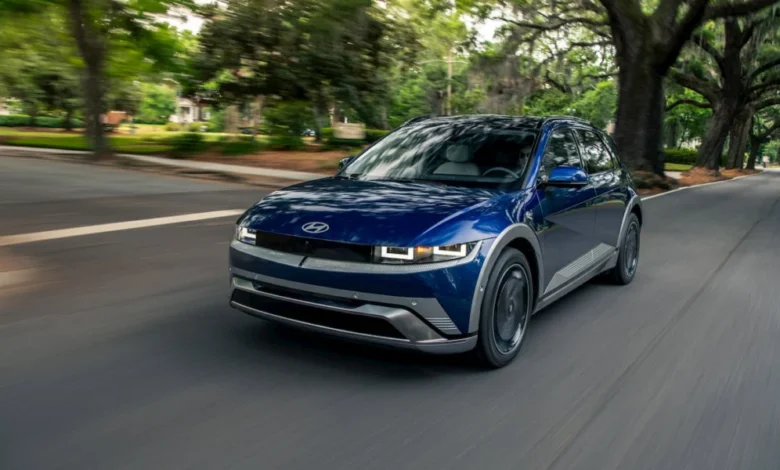
The Hyundai IONIQ 5, a vehicle that has consistently challenged the dominance of established electric vehicle (EV) players since its debut, is currently facing a significant supply-demand imbalance across the United States. Reports from various regions indicate that while digital inventories may suggest availability, physical lot stock at several key dealerships has reached critical lows. This surge in demand follows a strategic pivot by Hyundai Motor America, involving aggressive price reductions, enhanced leasing incentives, and the introduction of the first US-built models from the company’s massive new manufacturing facility in Georgia.
The Inventory Paradox: Online Availability vs. Physical Reality
A peculiar trend has emerged in the automotive retail sector regarding the IONIQ 5. Prospective buyers using tools such as Hyundai’s official website or third-party aggregators like EVfinder.com often see a robust list of available units. However, boots-on-the-ground reports suggest a different story. In many instances, these listed vehicles are "in transit" or have already been claimed by customers who placed down payments before the cars even arrived at the dealership.

This phenomenon has been particularly acute in specific markets. For example, Burlington Hyundai in Vermont recently reported that its entire IONIQ 5 inventory had been depleted, forcing the dealership to implement a waitlist for eager buyers. A similar situation has been observed at Stevinson Hyundai in Frederick, Colorado, where the demand for the updated 2025 and 2026 models has outpaced the delivery schedule. Industry observers note that the "phantom inventory" often seen online is a byproduct of the high velocity of sales; vehicles are sold so quickly that digital databases cannot update in real-time, leading to frustration for some consumers but signaling a massive success for the brand.
A Chronology of Success: From Launch to US Production
To understand the current inventory shortage, one must look at the trajectory of the IONIQ 5. Launched globally in 2021, the vehicle was built on the Electric-Global Modular Platform (E-GMP), a dedicated EV architecture that allowed for a spacious interior and ultra-fast charging capabilities. It quickly garnered international acclaim, winning the World Car of the Year, World Electric Vehicle of the Year, and World Car Design of the Year in 2022.
In late 2024 and early 2025, Hyundai reached a pivotal milestone by commencing production of the IONIQ 5 at its Metaplant America (HMGMA) in Bryan County, Georgia. This move was not merely symbolic; it was a tactical necessity driven by the Inflation Reduction Act (IRA). By shifting production to US soil, Hyundai aimed to regain eligibility for federal tax incentives and insulate itself from the logistical delays and tariffs associated with importing vehicles from South Korea.
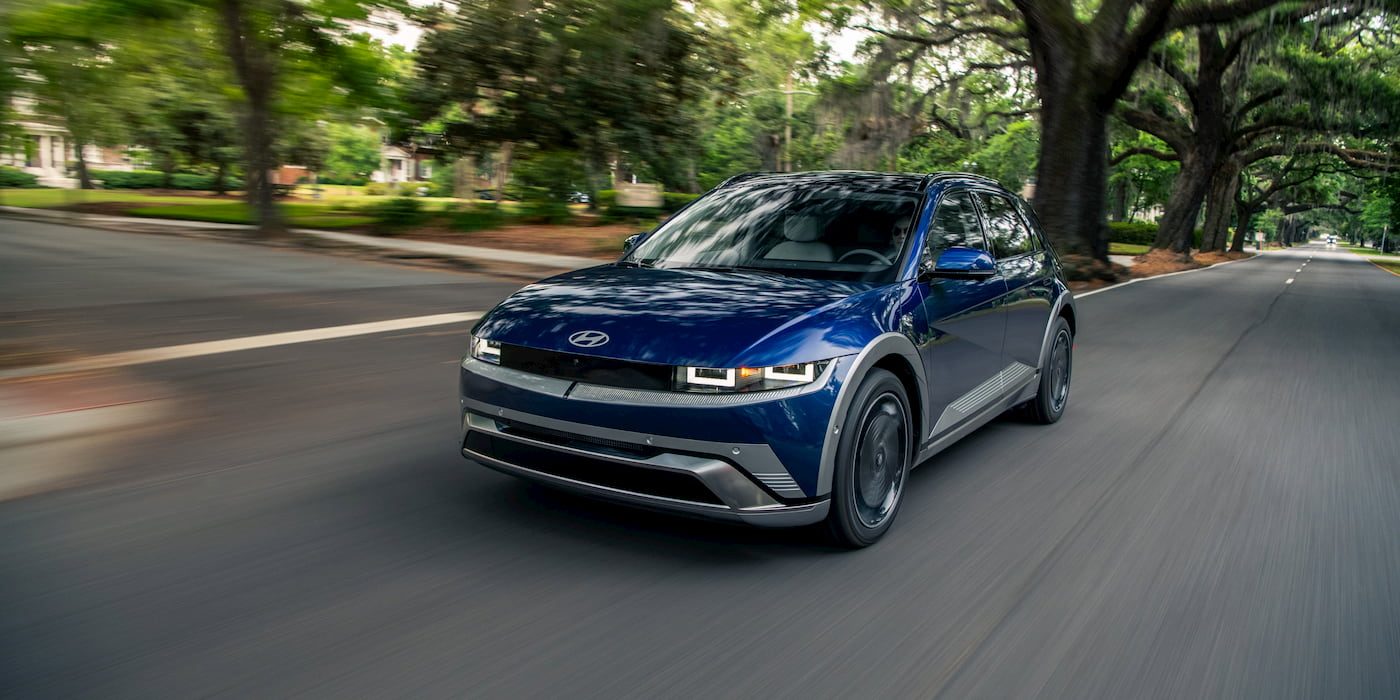
The 2026 model year represents the pinnacle of this evolution. It introduced a larger 84.0 kWh battery, replacing the previous 77.4 kWh unit, which boosted the EPA-estimated range to an impressive 318 miles for Rear-Wheel Drive (RWD) variants. Furthermore, the 2026 model became one of the first non-Tesla vehicles to integrate the North American Charging Standard (NACS) port natively, allowing owners to access the Tesla Supercharger network without the need for an adapter—a feature that has become a major selling point for range-anxious consumers.
Strategic Pricing and the "Getaway Summer" Catalyst
The current run on inventory can be directly attributed to Hyundai’s aggressive response to a cooling EV market in late 2023. After the initial expiration of federal tax credits for imported models, Hyundai did not wait for domestic production to ramp up to lower prices. Instead, they slashed MSRPs by nearly $10,000 on certain trims and introduced a series of high-value incentives.
The "Getaway Summer Sales Event," which runs through Labor Day, has been a primary driver of the recent sales spike. Hyundai’s current offerings include 0% APR financing for up to 72 months, coupled with a $1,000 discount and a 90-day payment deferral program. On the leasing front, the figures are even more disruptive. The IONIQ 5 SE Standard Range is currently available for as low as $269 per month, with the 318-mile Long Range version priced only $10 higher at $279 per month.
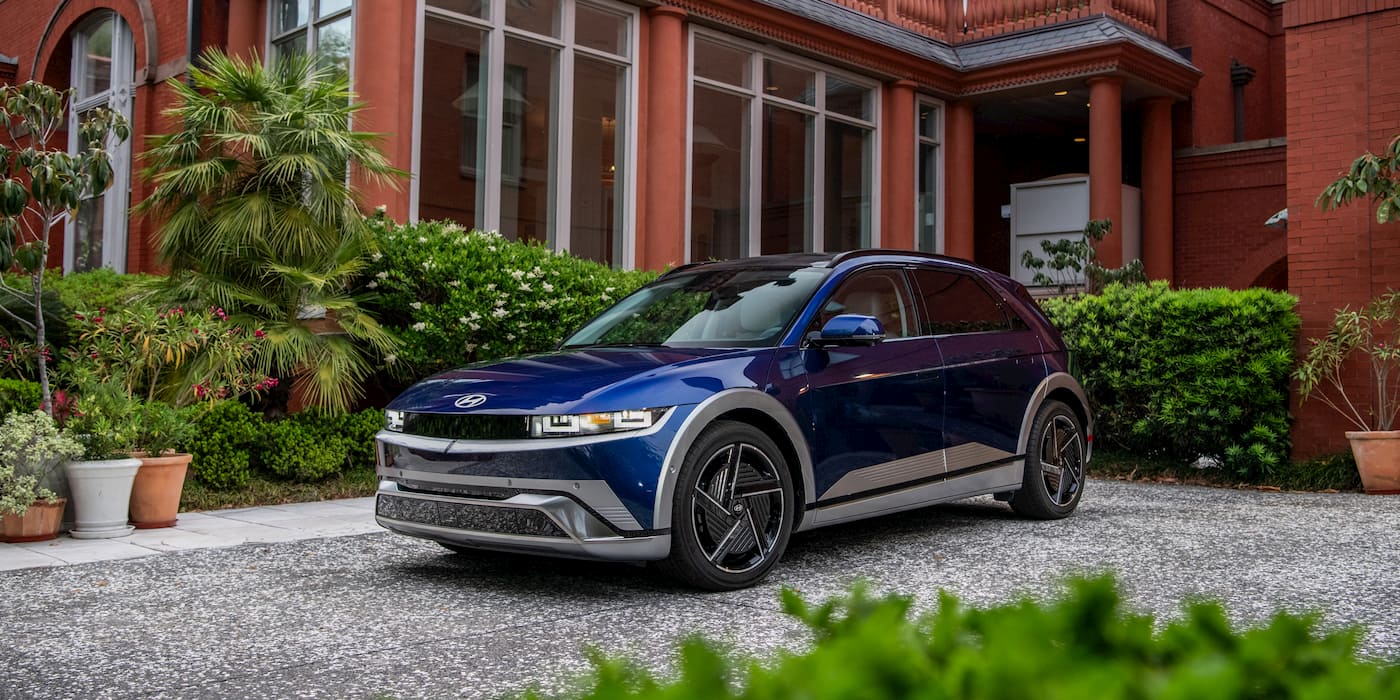
These price points place the IONIQ 5 in direct competition not just with other EVs like the Tesla Model Y or the Chevrolet Equinox EV, but also with traditional internal combustion engine (ICE) compact SUVs. When factoring in the lower cost of "fueling" via electricity and reduced maintenance requirements, the total cost of ownership for the IONIQ 5 has become undeniably attractive to the average American commuter.
Supporting Data: Market Performance and Conquest Rates
Data from the first half of 2026 confirms that the IONIQ 5 is the dominant force among non-Tesla EVs in the United States. It currently ranks third in overall EV sales, trailing only the Tesla Model Y and Model 3. According to Kelley Blue Book (KBB) estimates, more than 247,000 electric vehicles were sold in the US in the second quarter of 2026 alone, marking a 14.7% increase over the first quarter. Hyundai’s share of this growth has been substantial.
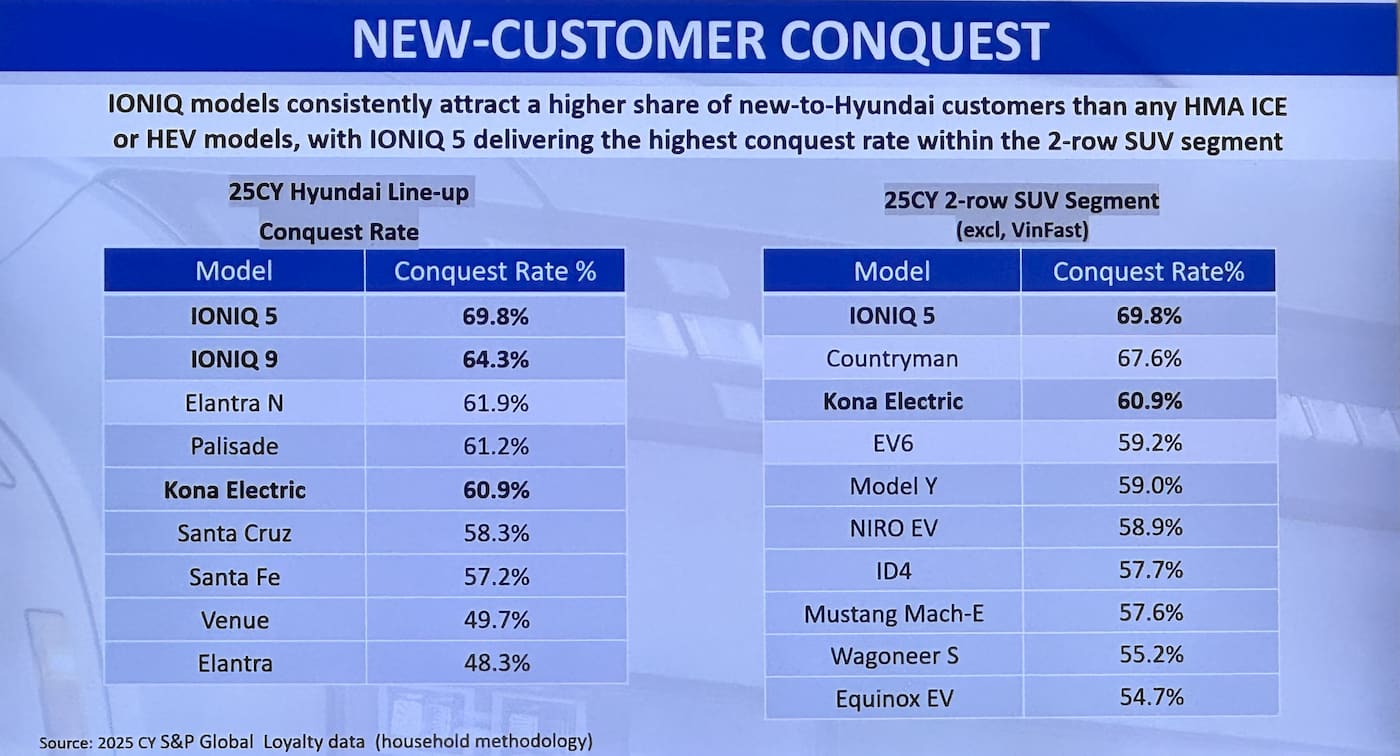
A critical metric for Hyundai’s long-term health is its "conquest rate"—the percentage of buyers who are new to the brand. During a tour of the Georgia Metaplant, Hyundai executives revealed that the IONIQ 5 boasts a conquest rate of nearly 70%. This means seven out of ten IONIQ 5 buyers are switching from other brands, including premium European marques and established Japanese competitors like Toyota and Honda.
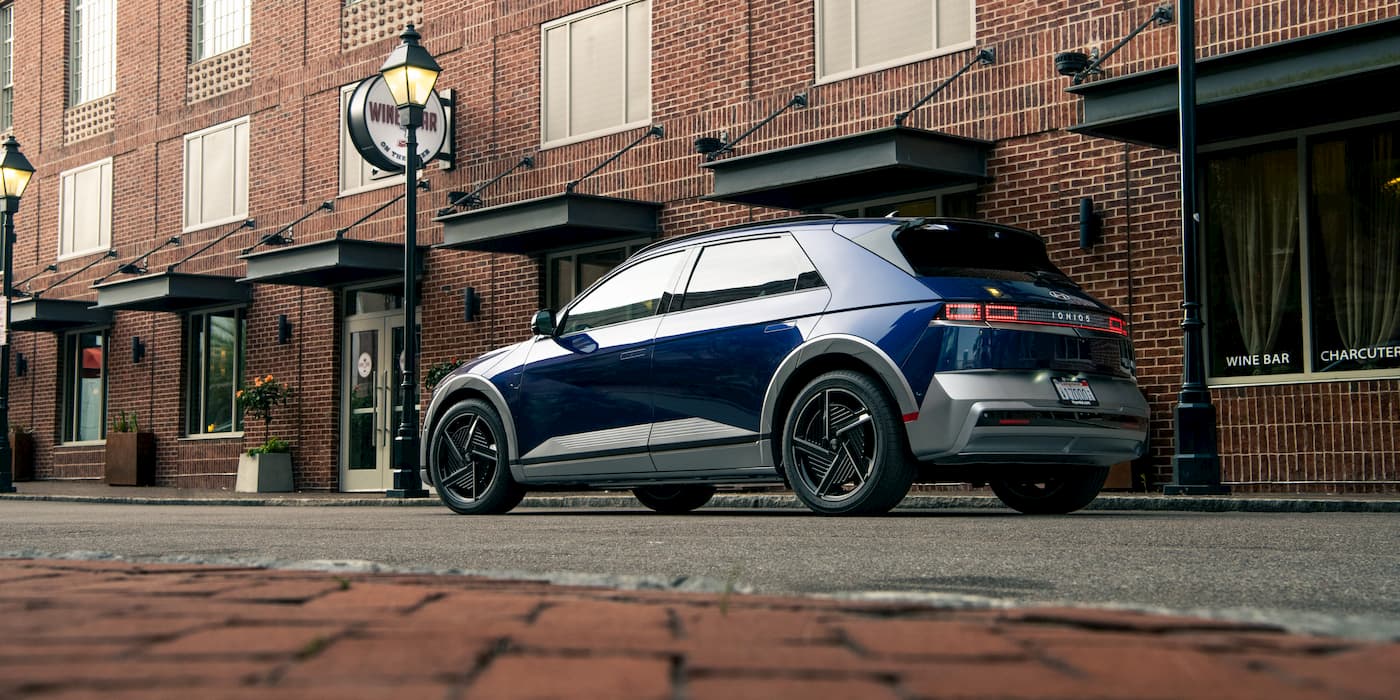
Furthermore, the IONIQ 5 is successfully transitioning buyers away from traditional gas-powered vehicles. Unlike some EVs that primarily attract "tech early adopters," the IONIQ 5 is increasingly being purchased by families looking for a practical, efficient replacement for their aging crossovers. The high conquest rate in the two-row SUV segment suggests that Hyundai’s design language—a blend of retro-futurism and modern utility—is resonating with a broad demographic.
Technical Superiority: The 800V Advantage
Beyond pricing and aesthetics, the IONIQ 5’s technical specifications provide a factual basis for its market dominance. Most mainstream EVs, including those from Tesla and Ford, operate on a 400-volt electrical architecture. The IONIQ 5 utilizes an 800-volt system, which allows for significantly higher charging speeds.
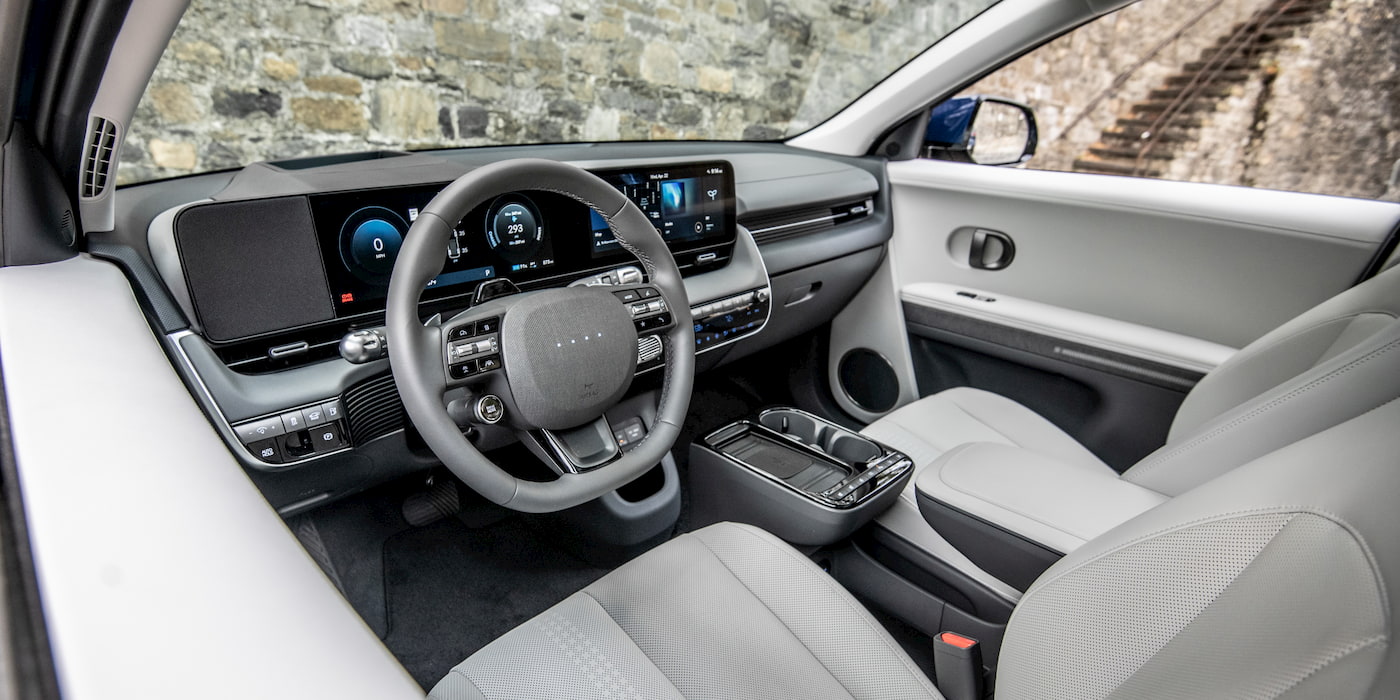
When connected to a 350 kW DC fast charger, the IONIQ 5 can charge from 10% to 80% in approximately 18 minutes. In a market where "charging anxiety" remains a primary barrier to entry, this capability offers a tangible advantage. The inclusion of Vehicle-to-Load (V2L) technology, which allows the car to power external appliances or even charge another EV, further differentiates the vehicle as a versatile tool rather than just a mode of transport.
Official Responses and Economic Implications
While dealership owners have expressed frustration over the lack of physical stock, Hyundai Motor America remains optimistic. In official statements, the company has emphasized that the inventory tightness is a "high-class problem" resulting from the successful alignment of product quality and consumer incentives. A Hyundai spokesperson noted that the company’s long-term strategy focuses on "affordability and accessibility," and the current demand validates their commitment to the US market.
Economists and automotive analysts view the IONIQ 5’s success as a bellwether for the broader industry. The shift toward domestic production in Georgia is expected to create thousands of jobs and stabilize the supply chain, eventually easing the very inventory shortages currently being reported. However, in the short term, the pressure remains on the manufacturing side to keep pace with a consumer base that is increasingly wary of high gas prices and attracted to the refined driving experience of electric propulsion.
Broader Impact on the EV Landscape
The success of the IONIQ 5 has forced competitors to recalibrate. Toyota, which had been slow to embrace fully electric platforms, has seen its bZ4X struggle to match the IONIQ 5’s range and charging speeds, despite aggressive discounting. General Motors, with its Ultium-based Chevrolet Equinox EV, is currently the most direct domestic threat, but Hyundai’s head start in design and 800-volt tech has given it a formidable moat.
The inventory shortage also highlights a shift in consumer sentiment. Despite headlines suggesting an "EV slowdown," the reality is more nuanced: there is a slowdown for uncompetitive or overpriced EVs, while vehicles that offer the right mix of range, tech, and value—like the IONIQ 5—cannot stay on the lots.
As the Georgia Metaplant reaches full capacity and more models like the three-row IONIQ 9 begin to roll off the assembly line, the "inventory dried up" headlines may eventually fade. For now, however, the IONIQ 5 stands as a testament to the fact that when an automaker "checks all the boxes," the American consumer is more than ready to make the switch to electric. For those looking to secure an IONIQ 5 during the current sales event, the advice from industry experts is clear: do not rely on online listings; call the dealership directly, and be prepared to act quickly.