Astell & Kern PD5 Review: A Masterclass in Portable High-Resolution Audio Performance

The high-end personal audio market has long occupied a unique intersection of uncompromising engineering and exorbitant pricing. For years, premium digital audio player (DAP) manufacturer Astell & Kern has pushed the boundaries of portable sound, routinely releasing flagship devices that command upwards of $3,000 to $4,000. While these statement pieces cater to an ultra-niche tier of audiophiles, the company’s broader catalog has frequently faced criticism for lacking genuinely accessible entry points. Enter the Astell & Kern PD5, a newly released digital audio player priced at £899 in the United Kingdom, $1,049 in the United States, and AU$1,349 in Australia.
Positioned by the manufacturer as an entry-level device relative to its stratospheric flagships like the A&ultima SP4000, the PD5 nevertheless represents a significant financial commitment. Yet, a comprehensive technical evaluation reveals that rather than skimping on core functionalities to achieve this price point, Astell & Kern has redirected the vast majority of its manufacturing budget away from flashy industrial design and directly into internal acoustic architecture. The result is a device that occasionally frustrates with its understated aesthetics and minor software eccentricities, but ultimately delivers astonishingly pristine sound quality capable of rivaling any portable audio player on the market.
Internal Architecture and Technical Specifications
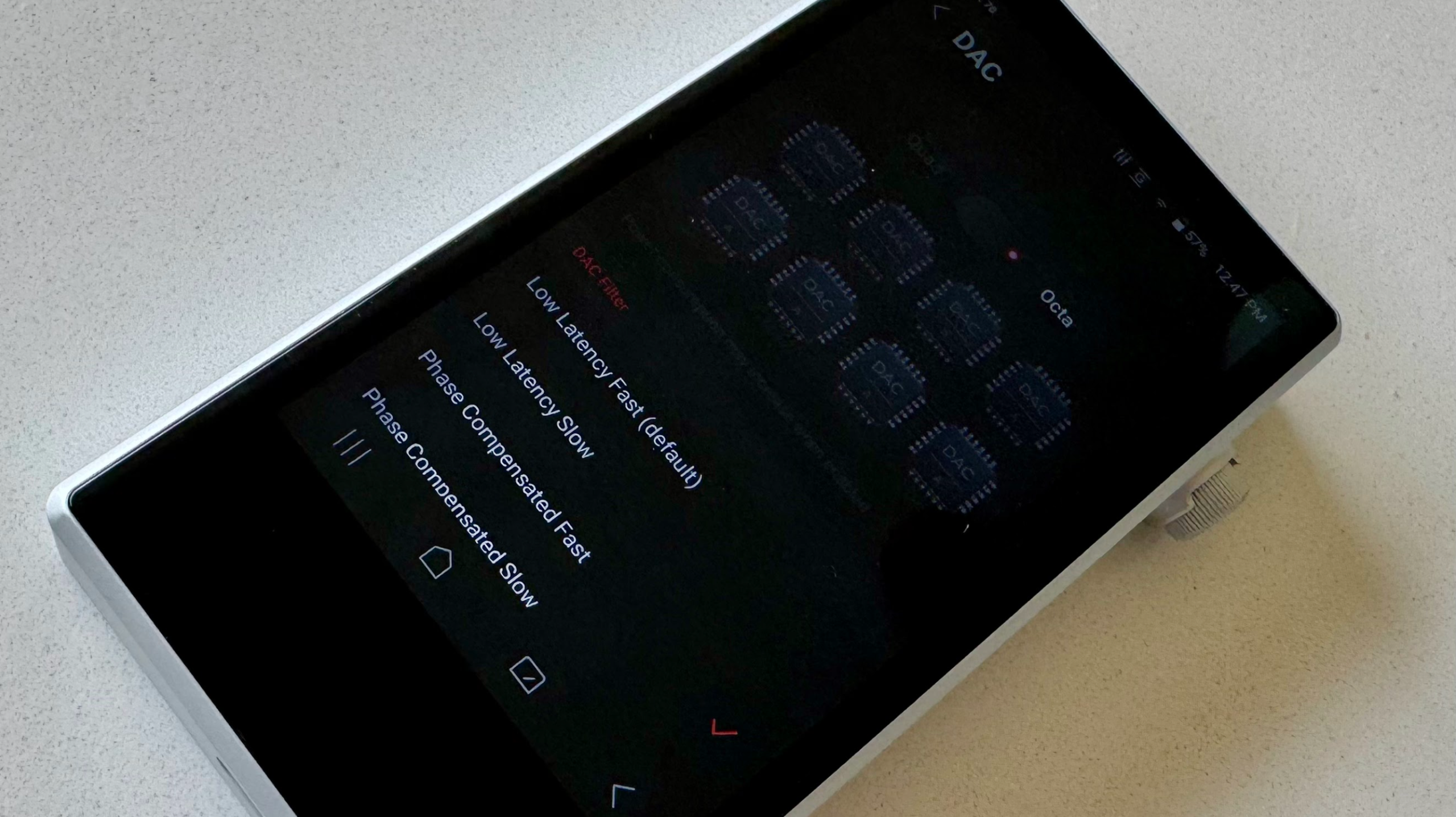
When examining where the financial investment goes with the PD5, the internal component list reads like a wishlist for audio engineers. Eschewing the minimalist single-DAC layouts found in standard consumer electronics, Astell & Kern has outfitted the PD5 with an impressive array of eight Cirrus Logic CS43198 digital-to-analog converter (DAC) chipsets. Users are given direct control over this configuration via the user interface, with the option to toggle between a standard four-DAC setup or an all-inclusive octa-mode.
Enabling octa-mode unlocks optimal sound quality and maximum hardware capability, though it extracts a heavy toll on battery performance. While running on four DACs yields a respectable 28 hours of continuous playback, engaging all eight drops battery endurance to approximately 15 hours. Recharging the unit from zero to full capacity takes roughly two and a half hours via its standard USB-C port.
Connectivity and streaming versatility are handled through a stripped-back, highly optimized version of the Android operating system, paired with dual-band Wi-Fi. This allows users to download and integrate applications from major high-resolution music streaming services natively. For local storage, the PD5 comes equipped with 64GB of internal memory, complemented by a microSD card slot located on the bottom frame. The card slot supports storage expansion cards of up to 1.5TB, ensuring ample room for massive offline libraries of lossless and uncompressed audio files.
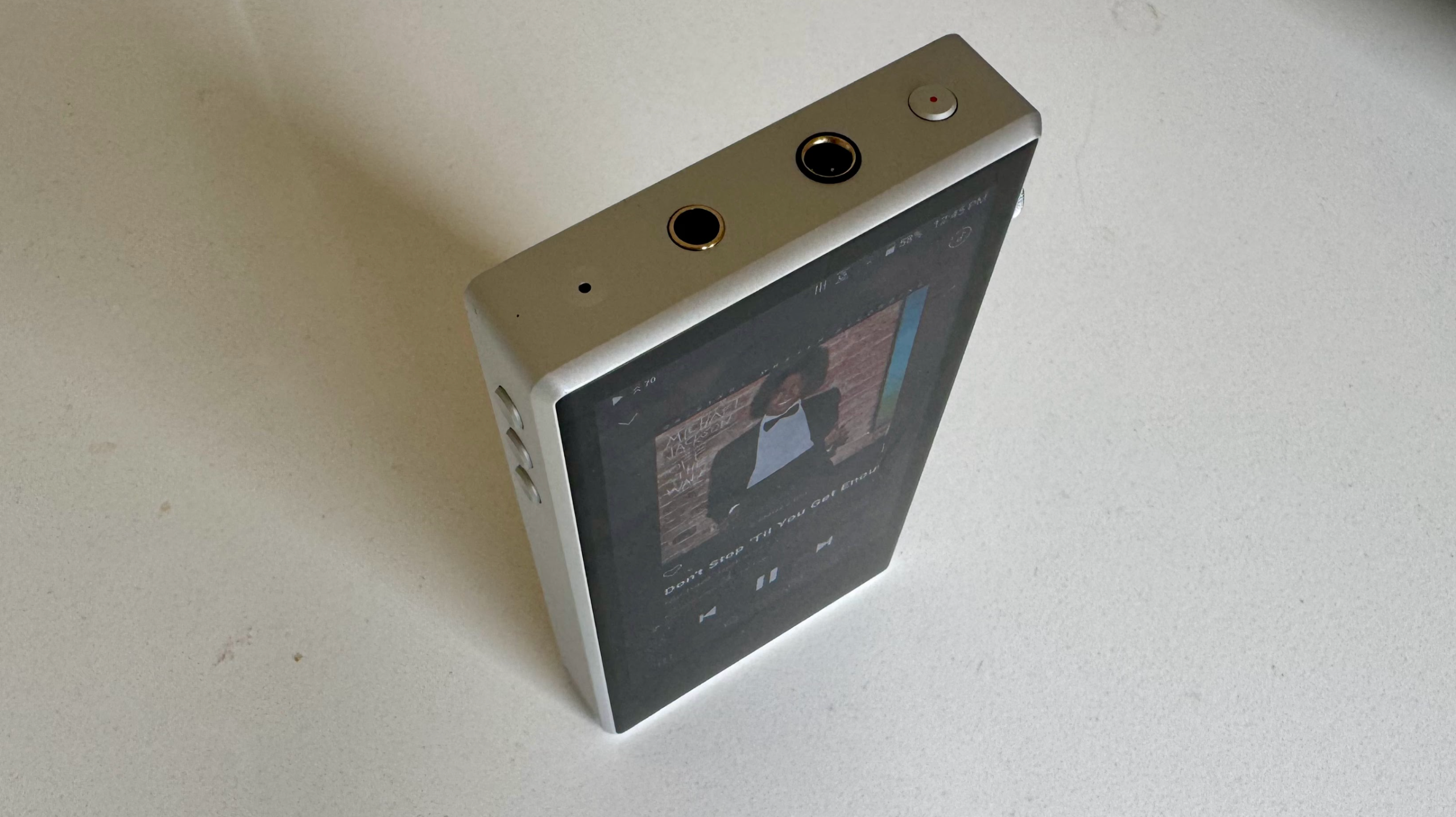
In terms of file compatibility, the PD5 handles high-resolution audio codecs up to 32-bit/384kHz PCM and DSD256 natively. Furthermore, the device is fully Roon Ready and features integrated Qobuz Connect functionality, ensuring seamless streaming integration for high-fidelity subscribers. Bluetooth 5.3 is also built-in, supporting high-definition codecs up to aptX HD for users who occasionally prefer wireless listening, alongside dual headphone outputs featuring an unbalanced 3.5mm socket and a balanced 4.4mm socket compatible with five-pole plugs.
Sound Quality and Acoustic Performance
The defining characteristic of the Astell & Kern PD5 is its uncompromising sonic delivery. When paired with high-quality master-grade files or CD-resolution streams (16-bit/44.1kHz), the player exhibits an astonishingly neutral tonality, refusing to artificially color the audio with unwarranted warmth or clinical coldness.
Testing with complex tracks demonstrates the player’s immense dynamic headroom and fanatical attention to detail. Backgrounds are remarkably dark and quiet, allowing subtle, transient details buried deep within a mix to emerge with absolute clarity. Low-frequency response is deep, textured, and tightly controlled, ensuring that bass-heavy tracks maintain absolute rhythmic precision without bleeding into the midrange. Midrange frequencies present vocals with lifelike realism, capturing minute nuances in artist delivery, microphone technique, and timbre.
When utilizing the balanced 4.4mm output in conjunction with the octa-DAC mode, the PD5 unleashes up to 8Vrms of driving power. This immense output allows the device to easily command power-hungry, high-impedance headphones that typically require dedicated desktop amplification systems to perform at their best.
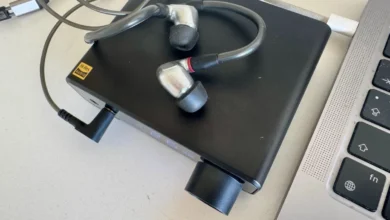
Beyond its primary function as a portable DAP, the PD5 doubles as a high-performance desktop DAC. By connecting the device to a laptop or desktop computer via USB-C and selecting the appropriate menu prompt, users can route their computer’s audio through the player’s formidable eight-DAC conversion stage, instantly upgrading the acoustic output of standard computing hardware.
Design, Usability, and Software Quirks
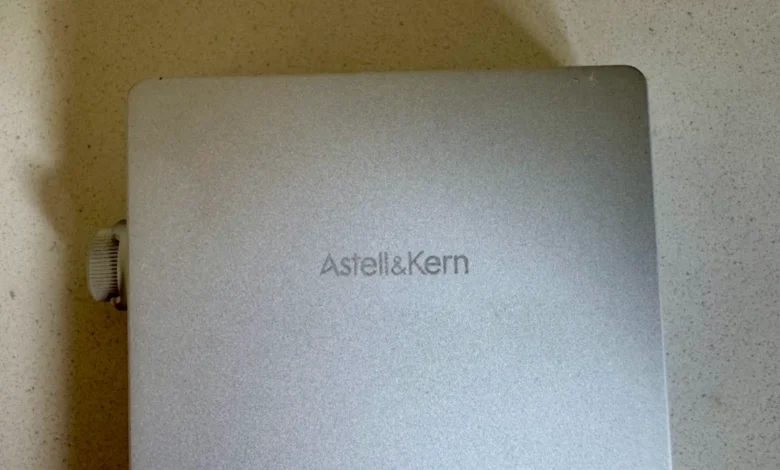
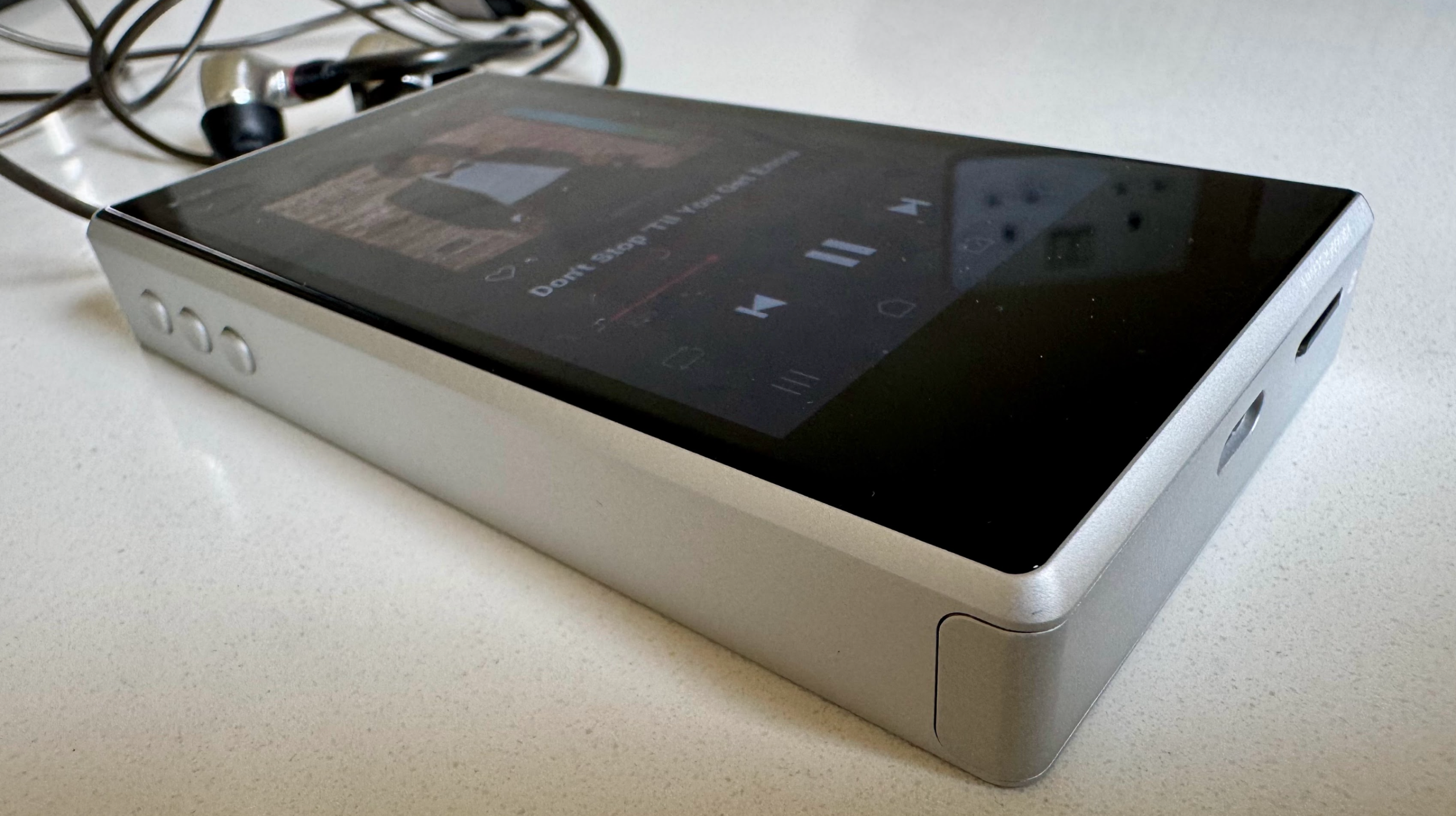
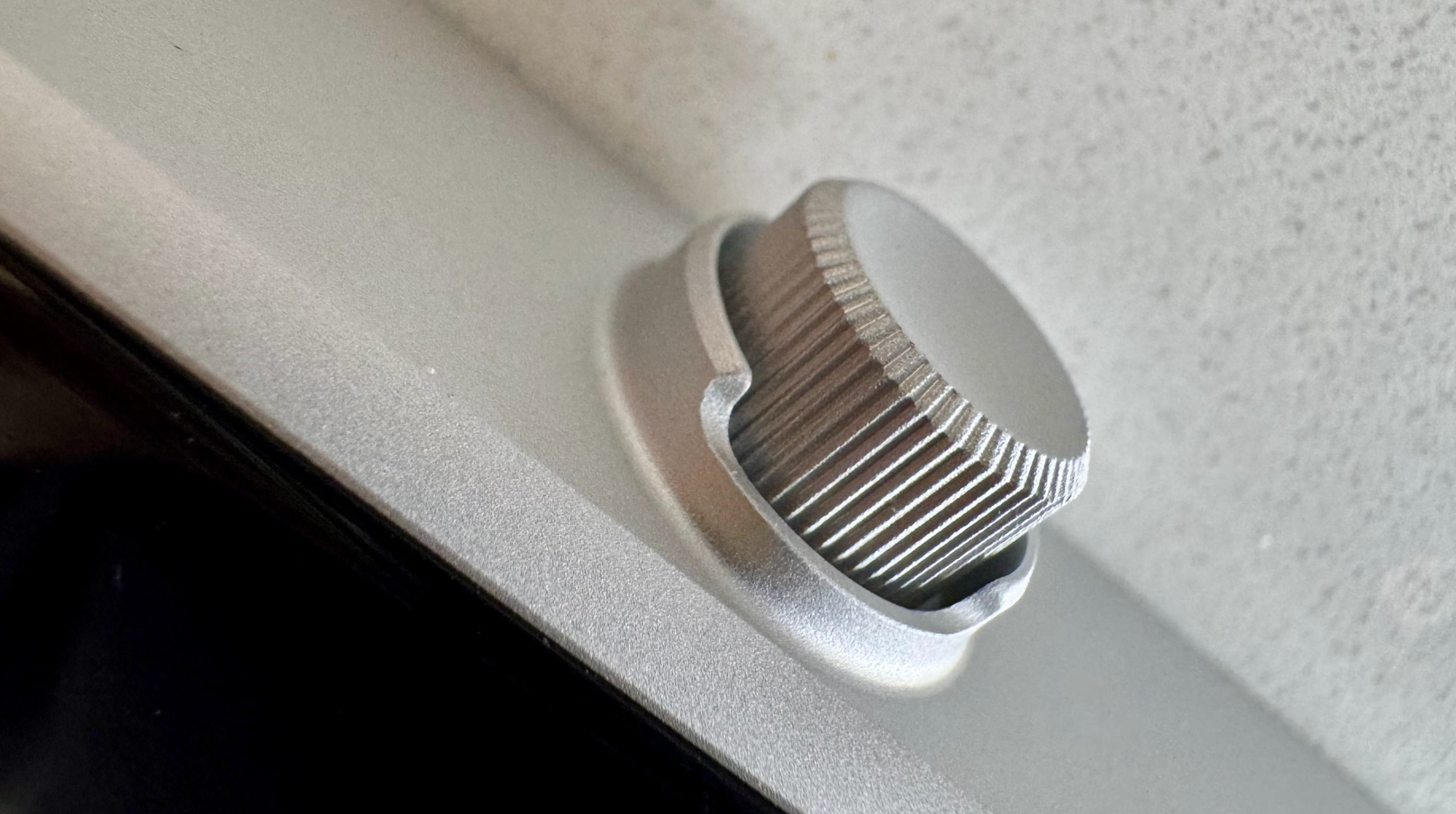
While the internal hardware of the PD5 is exceptional, its physical design and user interface present a mixed experience. Measuring in a palm-friendly form factor with a reassuring heft, the device is undeniably well-constructed from a manufacturing standpoint. However, it lacks the striking, industrial aesthetics and premium tactile flourishes that users have historically associated with Astell & Kern’s higher-end models. The chassis is relatively plain, and the signature volume dial has been muted into an ordinary component that fails to stand out against competing devices in the same price tier.
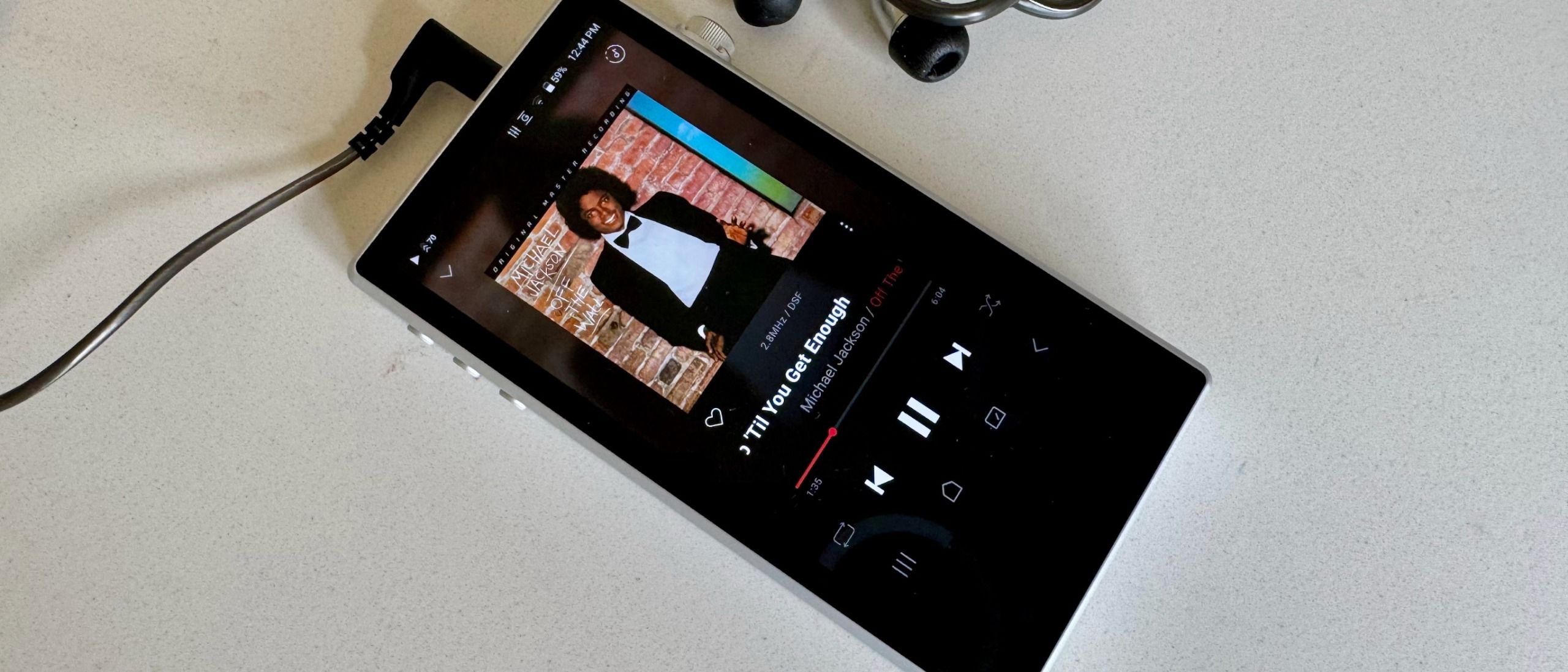
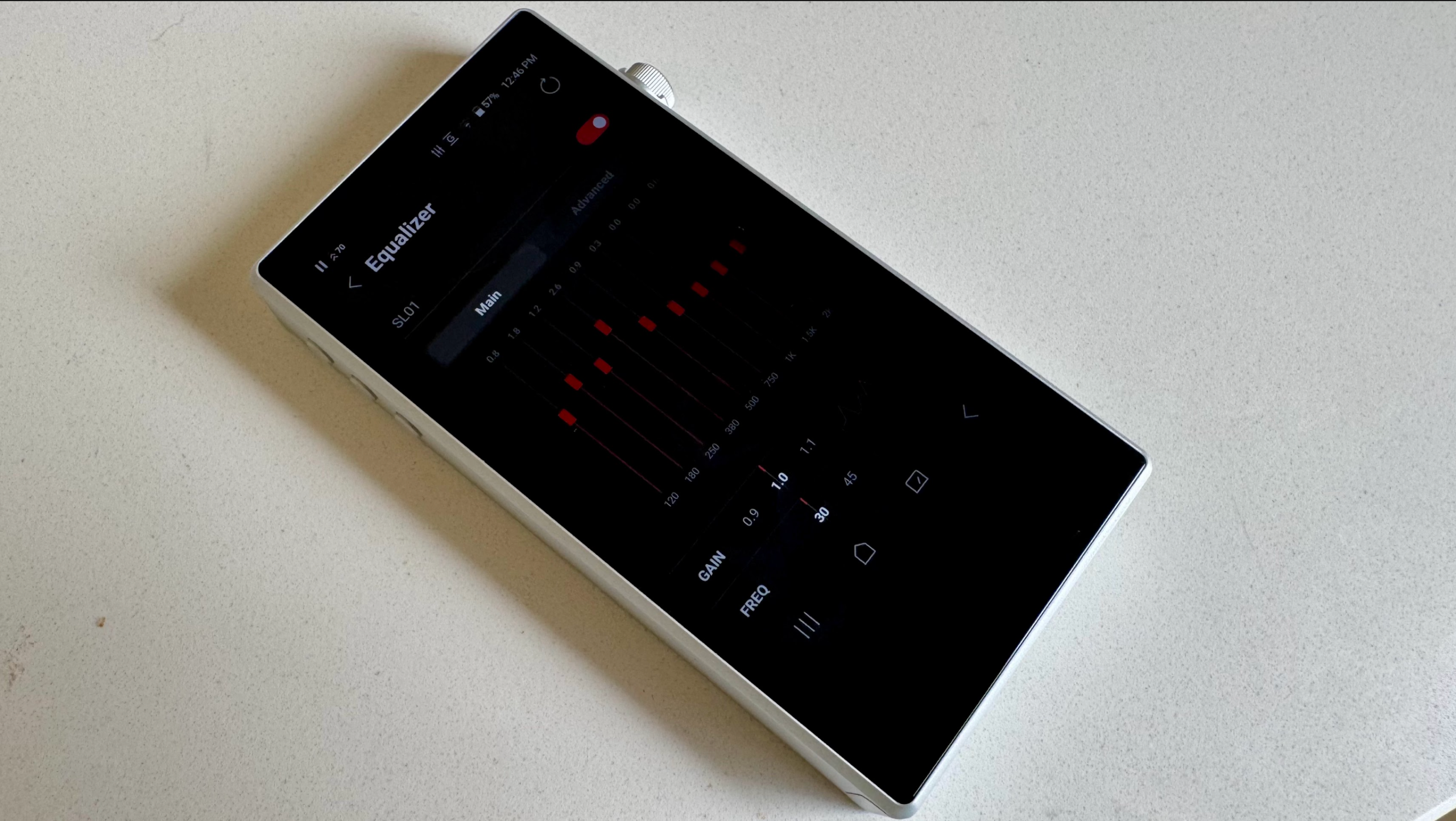
The 4.1-inch touchscreen is bright and responsive, though prone to reflectivity under bright lighting conditions. Because the operating system packs a vast array of configuration menus—including a 10-band equalizer and an advanced 20-point graphing EQ interface—the default system fonts are exceptionally small, requiring sharp eyesight to navigate comfortably.
Furthermore, editorial testing revealed occasional software glitches. When running concurrent music sources—such as streaming via the Tidal application alongside local playback from an inserted microSD card—the player occasionally experiences priority conflicts, resulting in both sources attempting to play simultaneously. While standard playback commands generally resolve these routing overlaps, such eccentricities highlight minor rough edges in the software optimization.

Market Positioning and Broader Implications
Priced at nearly a thousand dollars or pounds, the Astell & Kern PD5 occupies a fiercely contested segment of the portable audio ecosystem. Direct competitors, such as the FiiO M23, offer similar desktop-grade amplification and high-resolution versatility at comparable price points, keeping pressure on established luxury brands to justify their pricing strategies.
For mainstream consumers accustomed to listening to compressed streams via smartphones and wireless earbuds, the PD5 will likely seem superfluous and prohibitively expensive. However, for dedicated audiophiles who invest heavily in premium wired IEMs and open-back headphones, the PD5 offers a masterclass in acoustic engineering. By sacrificing flashy exterior design in favor of an uncompromising internal architecture—featuring eight Cirrus Logic DACs, advanced signal alignment technologies, and massive power delivery—Astell & Kern has engineered a device where every penny spent is directly audible in the purity of the sound.