Borderlands franchise surpasses 100 million units sold as Gearbox Software outlines long-term strategy for the looter-shooter series

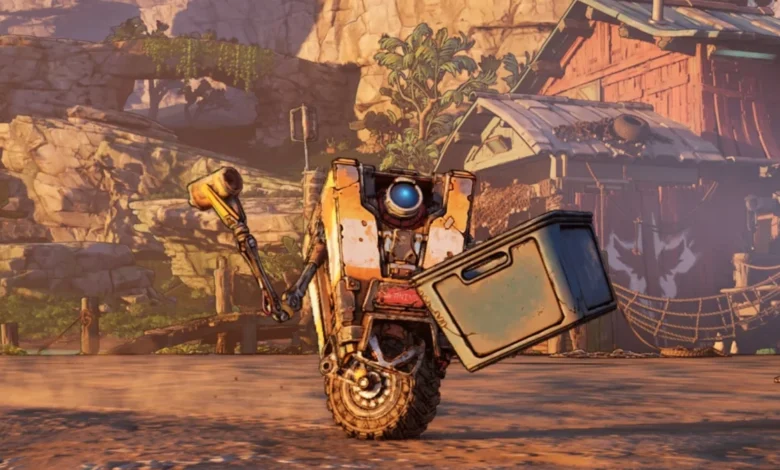
The Borderlands franchise has officially eclipsed 100 million units sold worldwide, cementing its status as one of the most successful intellectual properties in the history of interactive entertainment. Gearbox Software, the studio behind the iconic “looter-shooter” series, confirmed the milestone in a recent public communication, noting that the journey began with the original title in 2009. This landmark figure encompasses the entirety of the franchise, including the flagship numbered entries, spin-offs such as Tiny Tina’s Wonderlands, and the various remasters and collections released across multiple generations of hardware.
A Chronology of Chaos: From Pandora to the Global Stage
To understand the scale of the 100-million-unit achievement, one must examine the trajectory of the franchise since its inception. The original Borderlands, released in 2009, was a genre-defining experiment that blended first-person shooter mechanics with the deep, randomized loot systems typically reserved for role-playing games like Diablo. Its unique cel-shaded aesthetic and irreverent humor set a new standard for stylistic direction in gaming.
Following the critical and commercial success of the debut, Borderlands 2 (2012) served as a massive expansion of the formula, introducing iconic antagonist Handsome Jack and significantly increasing the scale of the world. It remains, by many metrics, the most influential title in the series. The subsequent years saw the release of Borderlands: The Pre-Sequel (2014) and Tales from the Borderlands (2014), an episodic narrative adventure developed in partnership with Telltale Games that further fleshed out the lore of the universe.
The franchise saw a resurgence with the launch of Borderlands 3 in 2019, which modernized the gunplay and expanded the scope to multiple planets. Most recently, Borderlands 4 has acted as the current centerpiece of the studio’s efforts, navigating a complex launch window and ongoing content cycles. The sustained growth of the series over fifteen years highlights a rare consistency in market appeal within the volatile gaming industry.
Analyzing the Sales Milestone and Market Position
The 100-million-unit milestone places Borderlands in an elite tier of video game franchises, joining the ranks of multi-generational juggernauts like Grand Theft Auto, Call of Duty, and Super Mario. Market analysts point to several factors driving this success. First is the "evergreen" nature of the product; the loop of acquiring increasingly powerful weaponry and gear provides significant replayability, encouraging long-term engagement.
Furthermore, the franchise’s commitment to post-launch support has been instrumental. By releasing substantial DLC expansions, seasonal events, and community-driven updates, Gearbox has successfully minimized player churn between major releases. The transition of the series to various platforms—from the PlayStation 3 and Xbox 360 era to modern high-fidelity consoles and PC—has allowed the games to reach a demographic that spans over a decade of technological evolution.
However, the path has not been entirely devoid of friction. The launch of Borderlands 4, while achieving strong lifetime sales, faced immediate criticism regarding its technical performance on PC. Reports of optimization issues at release served as a reminder that even high-profile, established franchises are susceptible to the demands of modern hardware standards. Despite these initial setbacks, the studio’s willingness to address player feedback and maintain a roadmap of consistent updates has helped stabilize the title’s performance in the market.
Official Responses and the Roadmap Ahead
Gearbox Software has framed this 100-million-unit achievement as a collective victory between the developers and the community. In a formal statement, the studio emphasized that its future initiatives are heavily contingent on player feedback. "There aren’t many franchises that have ever hit that milestone, and we certainly didn’t get here on our own," the statement read. "Borderlands has always had an incredibly passionate community. We’ve been through a lot together, and your feedback pushes us to make even greater games."
Regarding the immediate future, Gearbox has confirmed that it is actively developing additional content for Borderlands 4 to roll out throughout the coming year. Following the conclusion of the Year One roadmap—which introduced new playable characters and story-driven expansions—the studio is now focused on "Weekly Activity refreshes" and community-wide challenges. This strategy aims to maintain daily active user counts while the internal teams shift their focus toward long-term franchise planning.
The studio has notably invited its player base to influence the next phase of the series. By soliciting input on which characters deserve further development and which narrative threads require a definitive payoff, Gearbox is adopting a collaborative approach to the franchise’s future. "We’re also taking a bigger look at the franchise as a whole. Where can we take it next? What characters do you want to spend more time with? What stories deserve a payoff?" the studio noted.
The Broader Implications: Hardware and Future Expansion
The status of Borderlands 4 on secondary platforms, such as the rumored Nintendo Switch 2 port, remains a subject of industry scrutiny. While Take-Two Interactive—the parent company of publisher 2K Games—initially signaled that a port was in consideration, the project has been delayed indefinitely. CEO Strauss Zelnick has clarified that the current priority remains the stability and optimization of the existing versions of the game. This focus on platform quality over quantity reflects a shift in strategy for major publishers, who are increasingly wary of "soft" launches that occur when resources are stretched across too many platforms simultaneously.

From a critical standpoint, the evolution of the series has faced both praise and scrutiny. While recent entries have successfully integrated more sophisticated open-world designs and refined scripting, some critics have argued that the core gameplay loop has begun to show its age. Reviews for Borderlands 4 have noted that while the game offers a more polished experience, certain elements of the combat and exploration have struggled to innovate at the same pace as its competitors. The challenge for Gearbox in the coming years will be to reconcile the expectations of a legacy fanbase with the need for fresh, modern mechanics that can justify the franchise’s continued expansion.
Future Outlook and Strategic Direction
Looking ahead, the strategy for the Borderlands franchise appears to be two-pronged: maintaining the engagement of the existing player base through rigorous live-service updates and high-quality content drops, while simultaneously contemplating the next major evolutionary step for the series.
The emphasis on community interaction suggests that Gearbox is aware of the potential for franchise fatigue. By allowing the community to dictate the focus of future narratives, the studio is effectively mitigating the risk of creative stagnation. Whether this leads to a spin-off, a new narrative direction, or a fundamental reimagining of the looter-shooter genre remains to be seen.
As the industry shifts toward longer life cycles for individual titles, the 100-million-unit milestone serves as a testament to the enduring power of the Borderlands brand. For a studio that has grown alongside its audience, the next chapter will be defined by its ability to balance the core pillars of humor, loot, and mayhem with the evolving demands of the global gaming market. For now, the Vault Hunters remain in high demand, and the future of Pandora—and beyond—is set to remain a focal point of Gearbox Software’s operations for the foreseeable future.